
Digital Nomad Visa For Montenegro - 2025 Update
)
Nadia Dardón
Immigration Content Writer
Last update
)

Montenegro Rating from Citizen Remote
Overall  3.8
3.8

Internet Infrastructure 4.0
Country Stability 3.0
Cost of Living 4.0
Ease of Obtaining Visa 4.0
Taxes 4.0
Quick Visa Facts

Visa length Up to 2 years

Possible to extend? Yes, one renewal for an additional 2 years

Who can apply? Non-Montenegrin citizens working remotely for foreign employers or running a business registered outside Montenegro.

Minimum Income Requirements Approximately €1,350 per month (~$1,400 USD), based on three times Montenegro’s minimum wage

Time for visa applications Typically several weeks, depending on whether you apply from abroad or within Montenegro.
Want to know if you can apply?
Complete a visa quiz and see if you qualify!
Dreaming of working remotely from the Adriatic coast, medieval old towns, or mountain landscapes, without worrying about overstaying a tourist visa? Montenegro has quietly positioned itself as an appealing destination for remote workers by introducing a Digital Nomad Visa that allows eligible foreigners to live in the country while working for clients or companies abroad.
Designed as a temporary residence permit, the Montenegro Digital Nomad Visa offers a legal pathway for remote professionals who want to experience life in one of Europe’s most underrated destinations. Whether you’re a freelancer, entrepreneur, or full-time employee working remotely, this visa makes it possible to stay in Montenegro longer than standard visa-free limits, without entering the local labor market.
In this guide, we’ll break down everything you need to know about the Montenegro Digital Nomad Visa, including who can apply, eligibility requirements, application steps, documents needed, length of stay, and important legal considerations.
Montenegro Digital Nomad Visa Overview
The Montenegro Digital Nomad Visa is a type of temporary residence permit created to attract remote workers and location-independent professionals who want to live in Montenegro while working for companies or clients based outside the country. Introduced as part of Montenegro’s strategy to position itself as a digital-nomad-friendly destination, this permit allows eligible foreigners to legally stay in Montenegro beyond standard tourist limits.
Rather than functioning as a traditional work visa, the Digital Nomad Visa is specifically designed for remote work. Holders are not permitted to enter the Montenegrin labor market or provide services to local companies, which clearly separates this residence permit from employment-based visas.
This visa is particularly appealing for digital nomads looking for a European base with a lower cost of living, scenic landscapes, and a straightforward residence option backed by national legislation. The temporary residence permit is granted for up to 2 years, and eligible applicants can renew it for an additional 2 years, allowing a total potential stay of up to 4 years in Montenegro.
Who Is It For?
The Montenegro Digital Nomad Visa is intended for non-Montenegrin citizens who work remotely and earn their income from sources outside Montenegro. This typically includes:
Remote employees working for foreign companies.
Freelancers with international clients.
Self-employed individuals or business owners whose companies are registered abroad.
Applicants must be able to prove that their work can be performed remotely and that their income does not come from Montenegrin employers or clients.
What Does It Allow You to Do?
With a Montenegro Digital Nomad Visa, you are allowed to:
Legally reside in Montenegro for an extended period under a temporary residence permit.
Work remotely for foreign employers or clients while living in Montenegro.
Travel within Montenegro without relying on short-stay tourist permissions.
Establish a stable base in the country without entering the local job market.
It does not allow you to work for Montenegrin companies, provide services to local clients, or engage in local employment activities.
Montenegro Digital Nomad Visa Requirements
To apply for the Montenegro Digital Nomad Visa, you must submit a set of standard residence permit documents, along with several specific requirements that prove your eligibility as a remote worker. While exact document requests may vary slightly depending on where you apply, the requirements below reflect the core documentation expected for a digital nomad temporary residence permit.
Applicants are generally required to submit the following:
Completed temporary residence permit application form.
A valid passport (with sufficient remaining validity)
Passport-sized photos meeting official requirements.
Proof of legal entry into Montenegro (if applying in-country)
Proof of accommodation in Montenegro (rental agreement or proof of address)
Proof of clean criminal record from your country of residence or nationality.
Payment of applicable administrative and processing fees.
Proof of Financial Self-Sufficiency
Applicants for the Montenegro Digital Nomad Visa must demonstrate that they have sufficient financial means to support themselves during their stay without relying on employment or income from Montenegro. While Montenegrin authorities do not always publish a fixed income threshold specifically labeled for digital nomads, the requirement is generally aligned with the country’s rules on temporary residence for foreigners.
In practice, this means applicants are typically expected to show a monthly income of at least three times the Montenegrin minimum wage. Based on current figures, this equates to approximately €1,350 per month. Over the course of a full year, this comes to around €16,200 in total income or accessible funds. Since Montenegro uses the euro (€) as its official currency, all financial documentation should clearly reflect amounts in euros or be easily convertible.
In U.S. dollars, this financial requirement is roughly equivalent to $1,400 USD per month or $16,800 USD per year, depending on exchange rates at the time of application. These figures should be treated as approximations, as final decisions are made by Montenegrin immigration authorities and may vary slightly depending on individual circumstances.
Applicants can usually prove financial self-sufficiency through recent bank statements, employment contracts, freelance agreements, or other documents showing stable, ongoing income from sources outside Montenegro.
Private Health Insurance
You are required to have valid private health insurance covering your stay in Montenegro.
The insurance policy should:
Be valid for the entire duration of your residence permit.
Cover medical treatment in Montenegro.
Meet the minimum coverage requirements set by Montenegrin authorities.
Travel insurance is usually accepted, provided it meets these conditions.
Criminal Background Check
Applicants must submit a criminal record certificate issued by the competent authorities in their country of citizenship or residence.
This document must typically be recent (issued within a specific timeframe), be legalized or apostilled if required, and be translated into Montenegrin by a certified translator, if requested.
How to Apply for the Montenegro Digital Nomad Visa – Step-by-Step Instructions
Applying for the Montenegro Digital Nomad Visa involves submitting an application for a temporary residence permit either from abroad or, in many cases, after legally entering Montenegro. While the exact procedure can vary slightly depending on your nationality and where you apply, the steps below outline the standard application process.
Step 1: Gather the Required Documents
Before starting your application, collect all required documents, including your passport, application form, proof of accommodation, proof of financial self-sufficiency, private health insurance, and documents confirming remote work for a foreign employer or clients. Any documents not issued in Montenegrin may need to be officially translated and, in some cases, apostilled or legalized.
Step 2: Enter Montenegro or Apply Through a Diplomatic Mission
Depending on your nationality, you may apply:
From abroad, through a Montenegrin embassy or consulate, or
From within Montenegro, after entering legally (for example, visa-free or with a short-stay visa)
Not all applicants are eligible to apply in-country, so it’s important to confirm this in advance based on your citizenship.
Step 3: Submit Your Application for Temporary Residence
Applications are submitted to the Ministry of the Interior (MUP), usually at the local police or immigration office responsible for the area where you will live in Montenegro. At this stage, you will submit your full document package and pay the required administrative fees.
Step 4: Register Your Address in Montenegro
If applying from within Montenegro, you must register your place of residence with the local authorities. This is typically done using your rental agreement or proof of accommodation and is a mandatory step in the residence process.
Step 5: Attend an Appointment if Required
Some applicants may be asked to attend an in-person appointment for identity verification, fingerprints, or to provide additional information. Requirements can vary depending on the local office and individual case.
Step 6: Wait for a Decision
Processing times can vary, but applications are generally reviewed over several weeks. During this time, immigration authorities may request additional documents or clarifications. Once approved, you will be granted a temporary residence permit under the digital nomad category.
Step 7: Collect Your Residence Permit
After approval, you’ll receive confirmation and instructions on collecting your residence permit card. Once issued, you can legally reside in Montenegro and work remotely for foreign employers or clients for the duration of your permit.
Stay Requirements in Montenegro
Holders of the Montenegro Digital Nomad Visa must comply with the conditions of their temporary residence permit throughout their stay in the country. This includes maintaining valid health insurance, sufficient financial means, and accommodation in Montenegro for the entire duration of the permit. If any of these conditions change, immigration authorities may require updated documentation.
Digital nomads are required to continue working exclusively for foreign employers or clients during their stay. Engaging in local employment, providing services to Montenegrin companies, or earning income from sources within Montenegro is not permitted under this visa category. The visa is strictly intended for remote work performed for entities registered outside the country.
Residence permit holders must also register and maintain their address with the local authorities and comply with general residence regulations, including carrying valid identification and residence documentation. Extended absences from Montenegro or failure to meet residence conditions may affect the validity or renewal of the permit.
Finally, applicants must respect the validity period of their temporary residence permit and apply for renewal in a timely manner if they wish to continue living in Montenegro. Failure to renew before the permit expires may result in penalties or the requirement to leave the country.
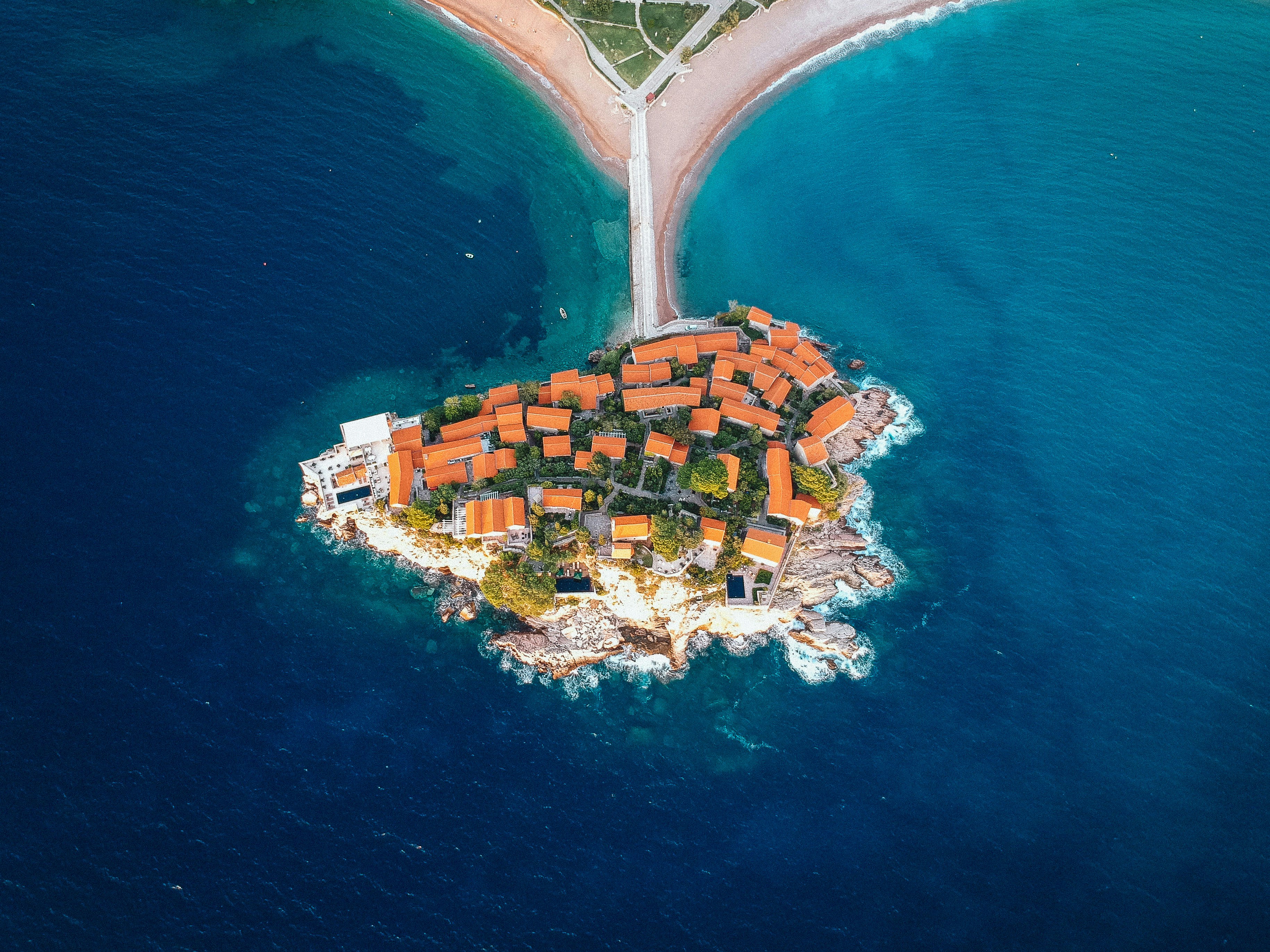
How Much Does the Montenegro Digital Nomad Visa Cost?
The cost of applying for the Montenegro Digital Nomad Visa is relatively affordable compared to similar residence permits in Europe, but the total amount you pay can vary depending on where you apply and whether additional services are required. The main expenses are made up of administrative fees, document preparation costs, and mandatory supporting items such as translations and health insurance.
In general, applicants should expect to pay government fees for submitting a temporary residence permit application and for the issuance of the residence permit card once approved. These fees are typically in the range of €60 to €100 in total, depending on the local office and processing method.
In addition to official fees, there are several ancillary costs to budget for, including:
Certified translations of documents into Montenegrin.
Apostille or legalization fees for foreign documents, if required.
Private health insurance covering the full stay.
Notarization fees for accommodation or supporting documents.
While these additional costs vary significantly based on your home country and personal circumstances, most applicants should plan for a total estimated cost of €200 to €500 for the full application process, excluding accommodation and living expenses.
Because fees and requirements may change, it’s always a good idea to confirm current costs with the Montenegrin Ministry of the Interior (MUP) or the relevant diplomatic mission before submitting your application.
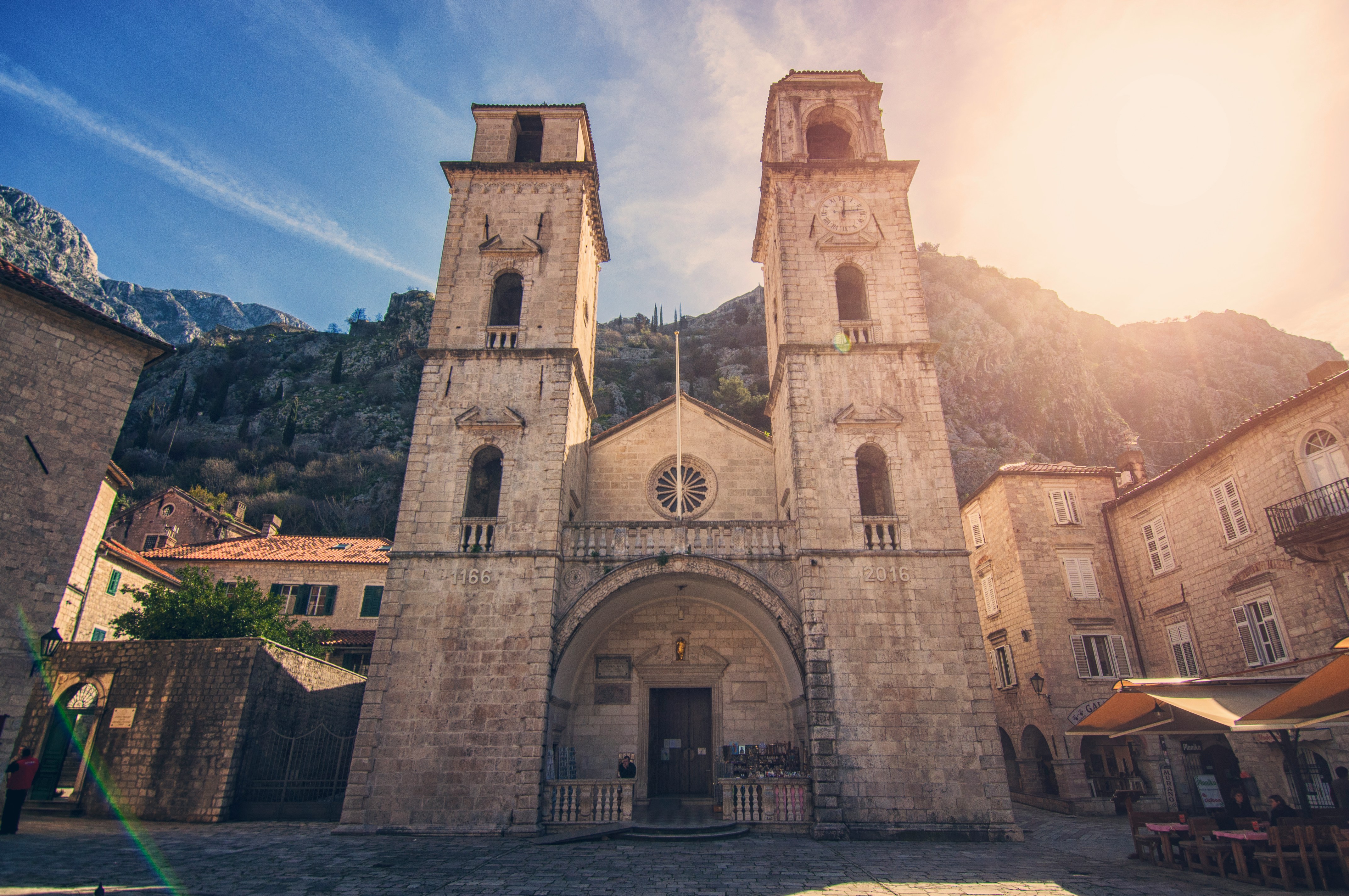
Taxes for People With a Montenegro Digital Nomad Visa
Tax obligations for holders of the Montenegro Digital Nomad Visa depend on several factors, including the length of stay, tax residency status, and where income is generated. The visa itself does not automatically make you a tax resident of Montenegro, and holding a temporary residence permit does not, on its own, trigger local taxation.
In Montenegro, individuals are generally considered tax residents if they spend 183 days or more in the country within a 12-month period or if Montenegro is deemed their center of vital interests. Tax residents are subject to taxation on their worldwide income, while non-residents are typically taxed only on income sourced in Montenegro.
Because the Digital Nomad Visa requires that your income come from foreign employers or clients, many digital nomads remain non-tax residents, particularly if they limit their time in Montenegro or maintain stronger personal and economic ties elsewhere. However, those who stay long-term and meet tax residency criteria may be required to declare income locally, even if it is earned abroad.
Montenegro applies a progressive personal income tax system, with relatively low rates compared to many European countries. In addition, Montenegro has double taxation agreements with numerous countries, which can help prevent the same income from being taxed twice.
Tax rules can be complex and highly individual, especially for remote workers earning foreign income. For this reason, digital nomads planning an extended stay in Montenegro are strongly advised to consult a qualified tax professional or the Montenegrin tax authorities to understand their specific obligations and remain fully compliant with local law.
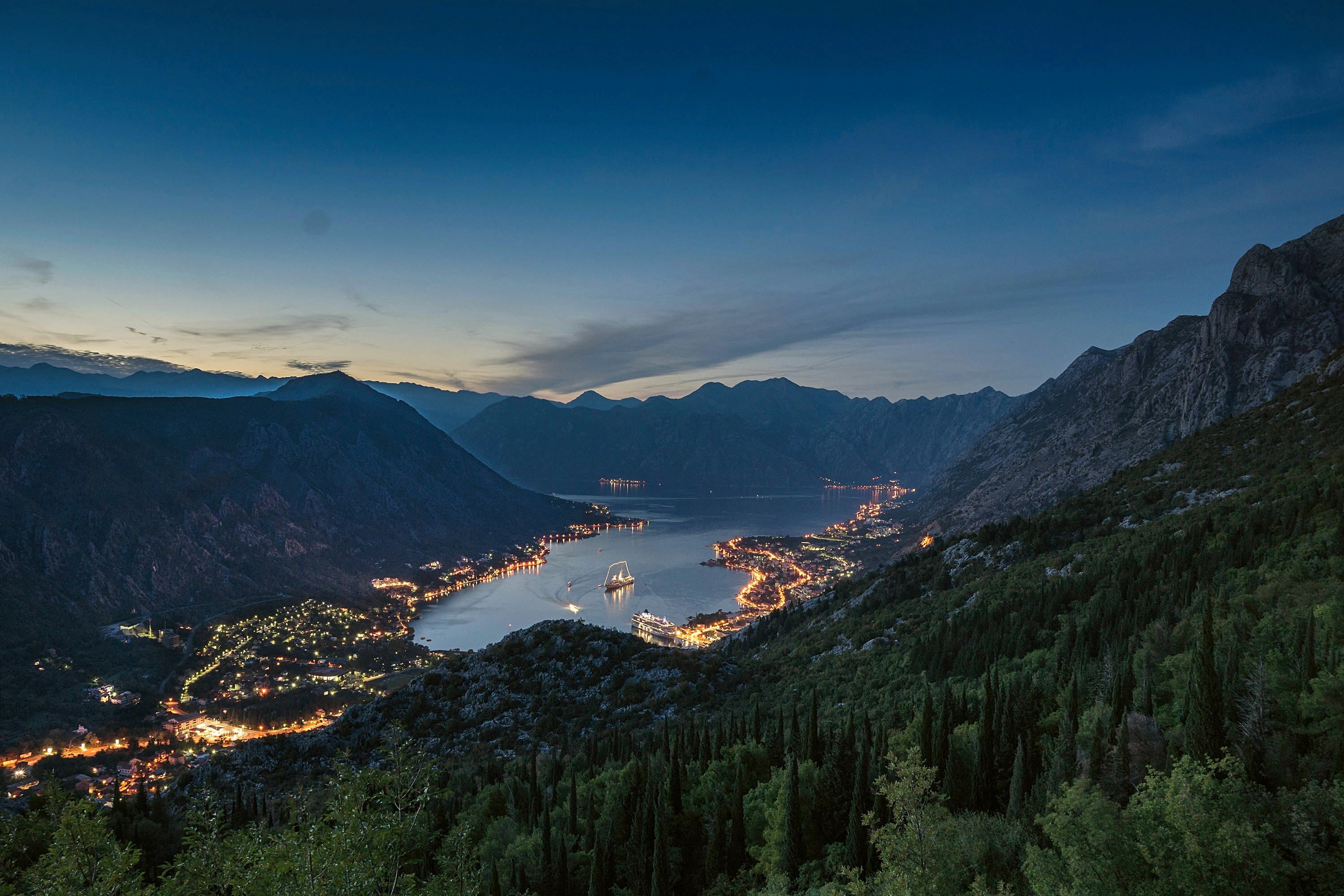
Living in Montenegro with the Digital Nomad Visa
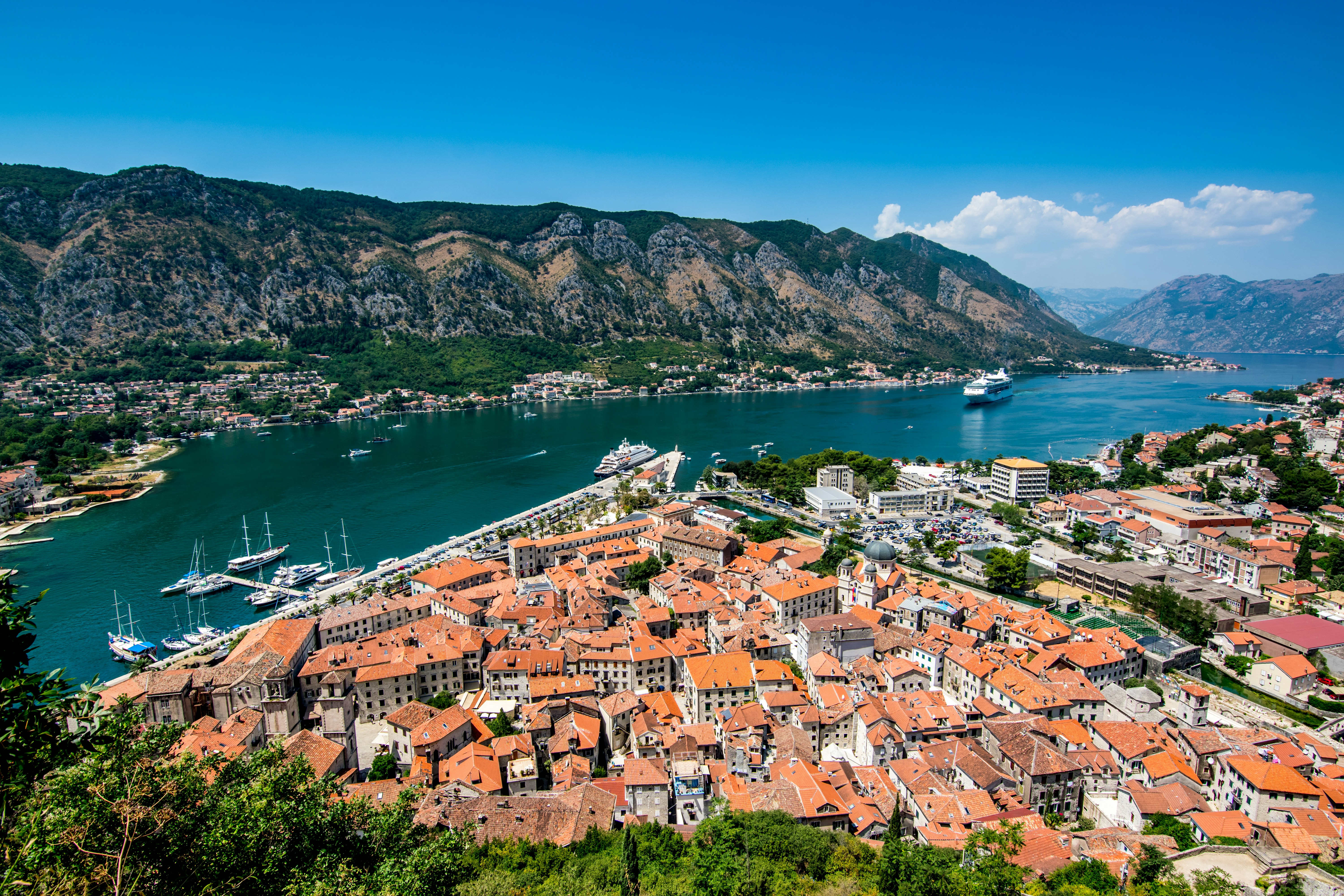
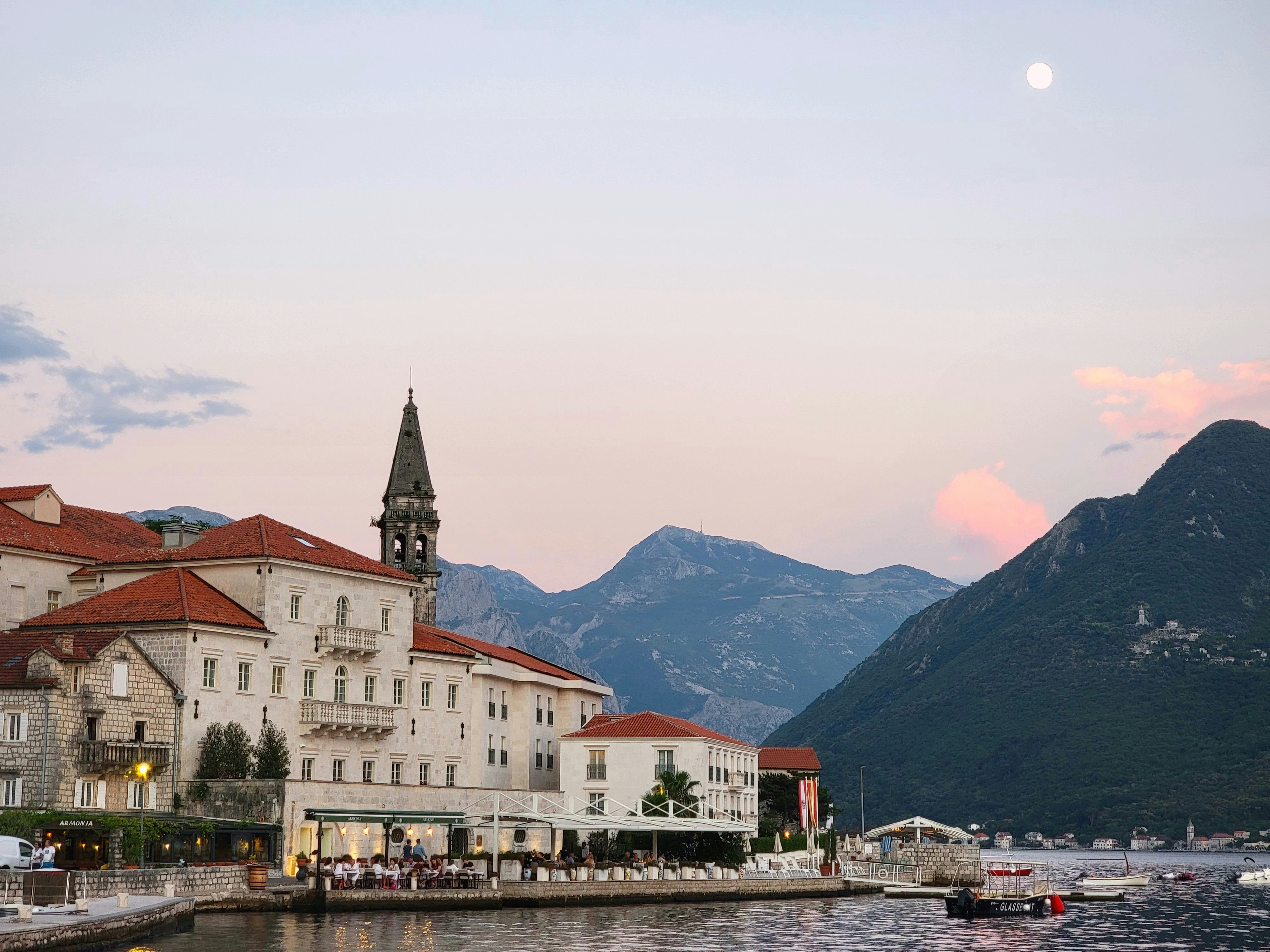
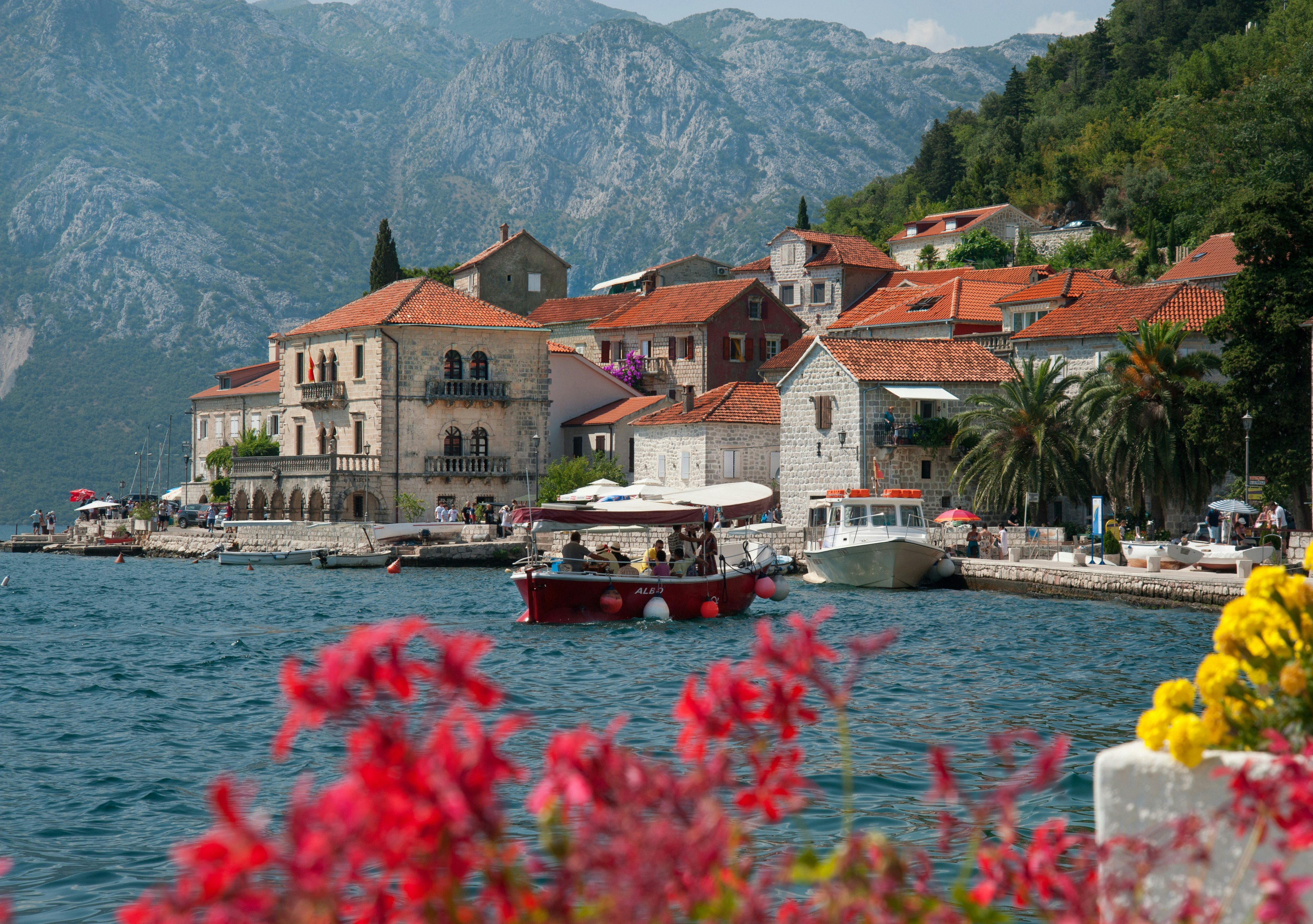
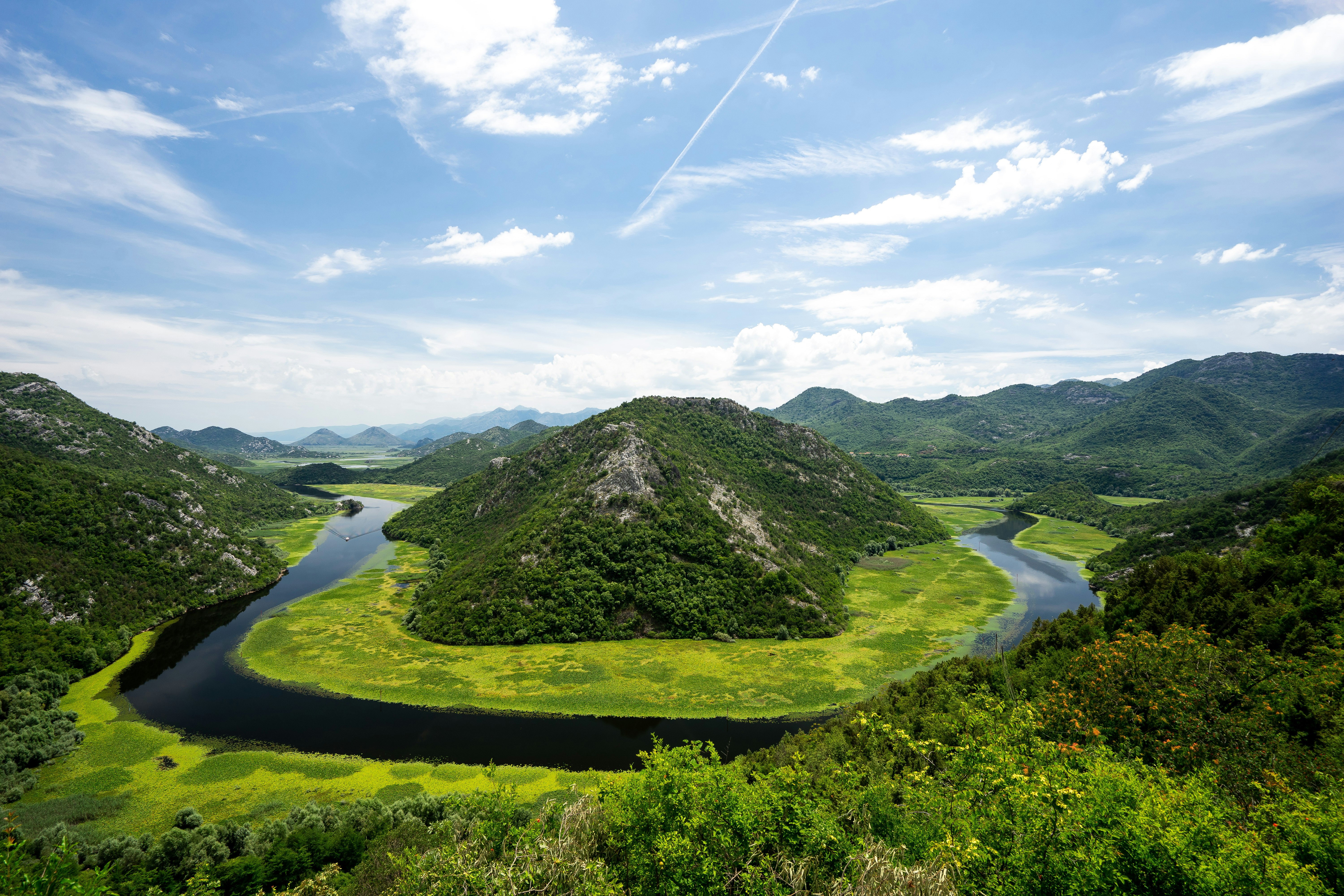
Living in Montenegro as a digital nomad offers a unique combination of natural beauty, rich culture, and a relaxed lifestyle, all while maintaining a legal framework that allows you to work remotely. From the stunning Adriatic coastline and historic towns like Kotor and Budva to the mountainous landscapes of Durmitor and the Tara River Canyon, Montenegro provides an inspiring environment for both work and leisure. The country’s relatively low cost of living, compared with Western Europe, makes it an attractive option for remote workers looking to balance productivity with a high quality of life. With reliable internet in urban areas, co-working spaces emerging in key cities, and a growing community of international remote workers, Montenegro is increasingly becoming a hub for location-independent professionals.
Beyond work, living in Montenegro allows digital nomads to immerse themselves in the country’s vibrant culture, local cuisine, and outdoor lifestyle. You can explore traditional markets, enjoy fresh seafood along the coast, or hike in national parks during your free time. The Montenegrin lifestyle is generally laid-back, offering the perfect balance for remote workers who want to combine career flexibility with adventure and relaxation. For those on the Digital Nomad Visa, the ability to legally reside in Montenegro for an extended period makes it possible to truly experience the country, rather than just passing through as a tourist.
Best Cities to Live in Montenegro as a Digital Nomad
Montenegro may be small, but it offers a variety of cities and towns that cater to different lifestyles, all while providing the legal framework for remote work under the Digital Nomad Visa. Here are three of the best places to consider when planning your stay:
Kotor
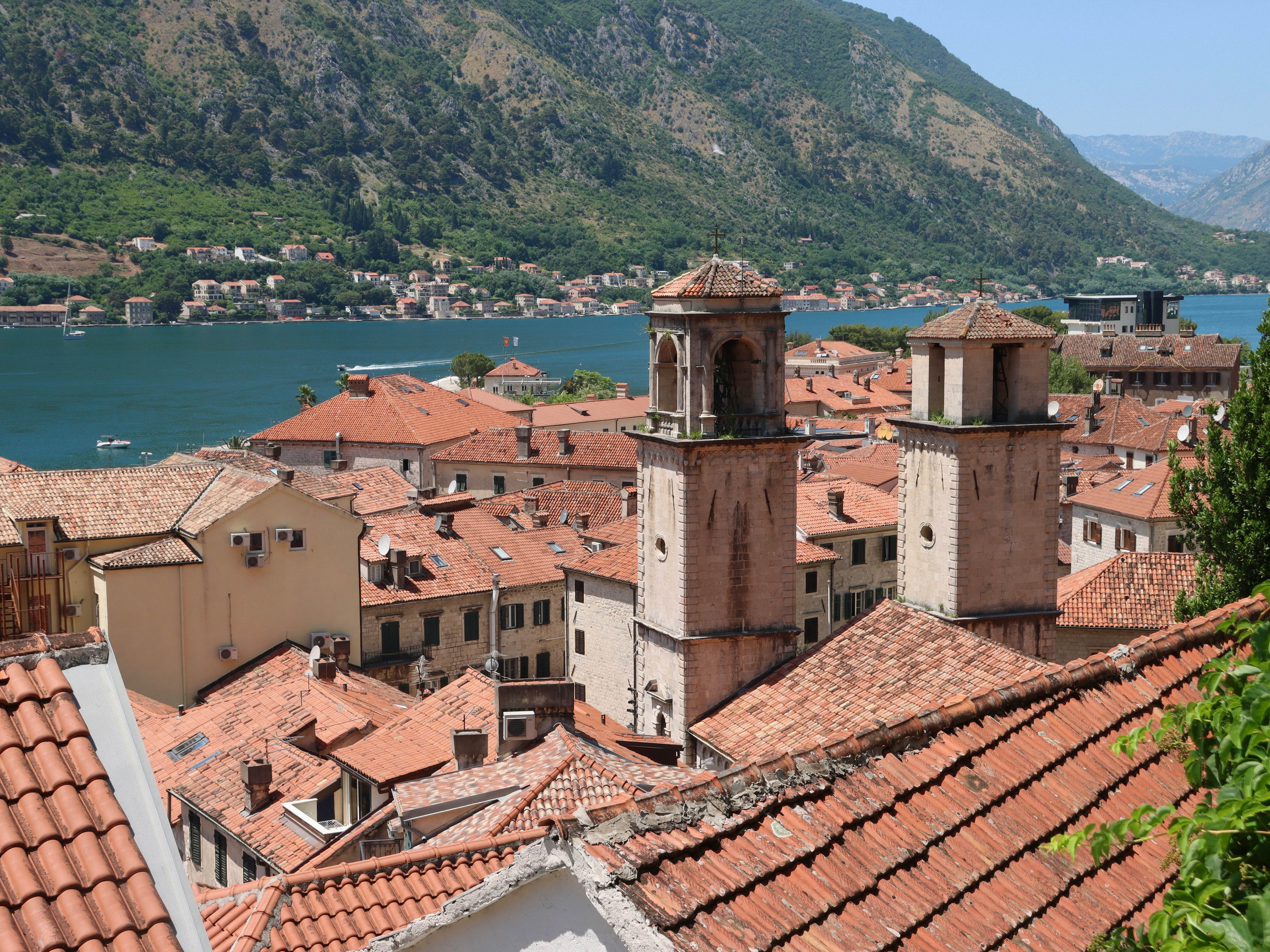
Nestled along the Adriatic coast, Kotor is a historic town famous for its medieval old town, city walls, and stunning bay views. With cobblestone streets, charming cafes, and a relaxed atmosphere, Kotor is perfect for digital nomads who enjoy combining work with cultural exploration. The town also has a growing community of international remote workers, making networking and meeting like-minded professionals easier.
Budva
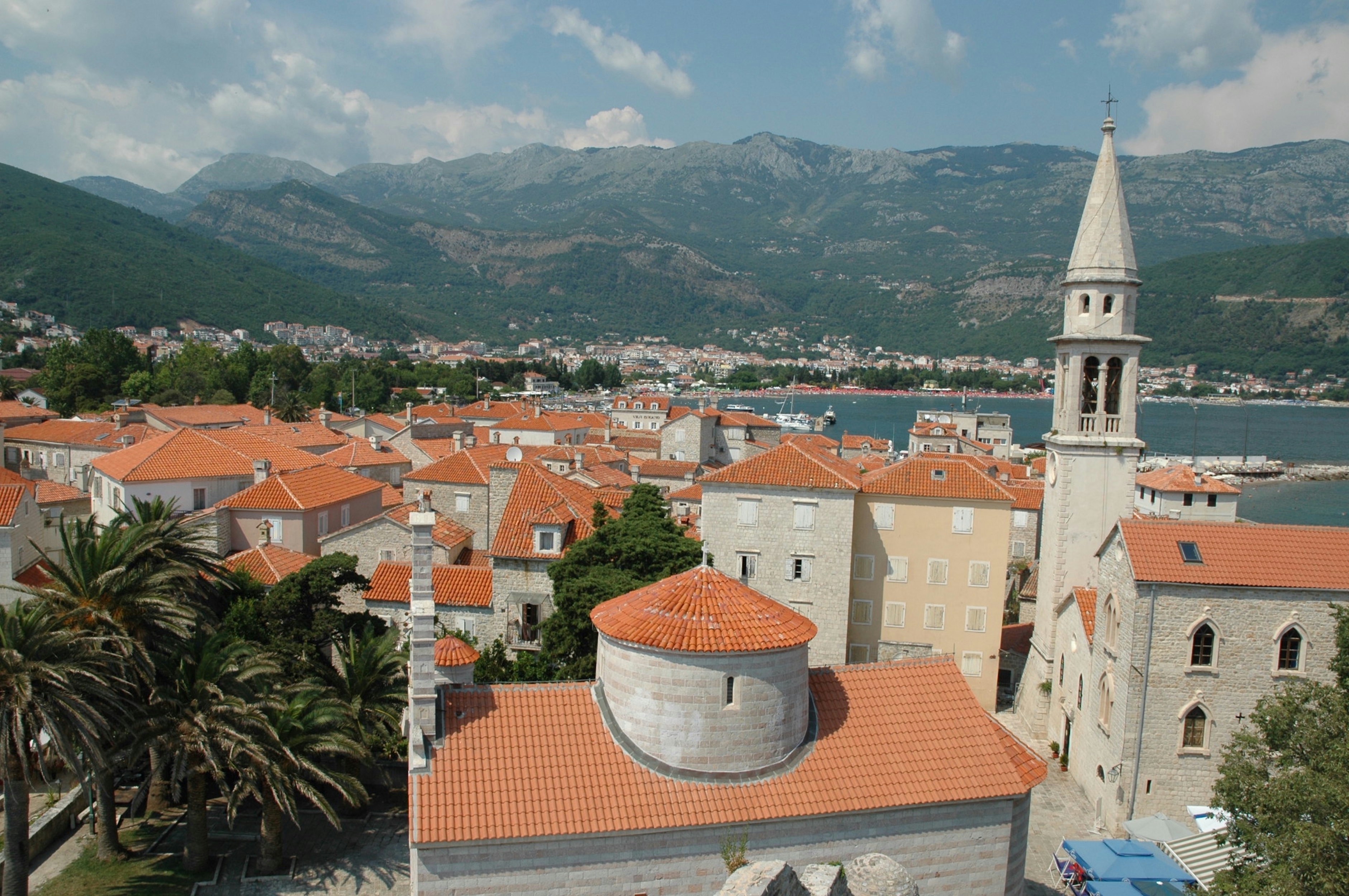
Known as Montenegro’s main coastal hub, Budva is ideal for nomads who enjoy vibrant nightlife, beautiful beaches, and a lively social scene. Beyond its tourist attractions, Budva offers modern amenities, coworking spaces, and reliable internet, which makes it a practical choice for remote work. Its mix of old town charm and contemporary conveniences provides a balanced lifestyle for both work and leisure.
Podgorica
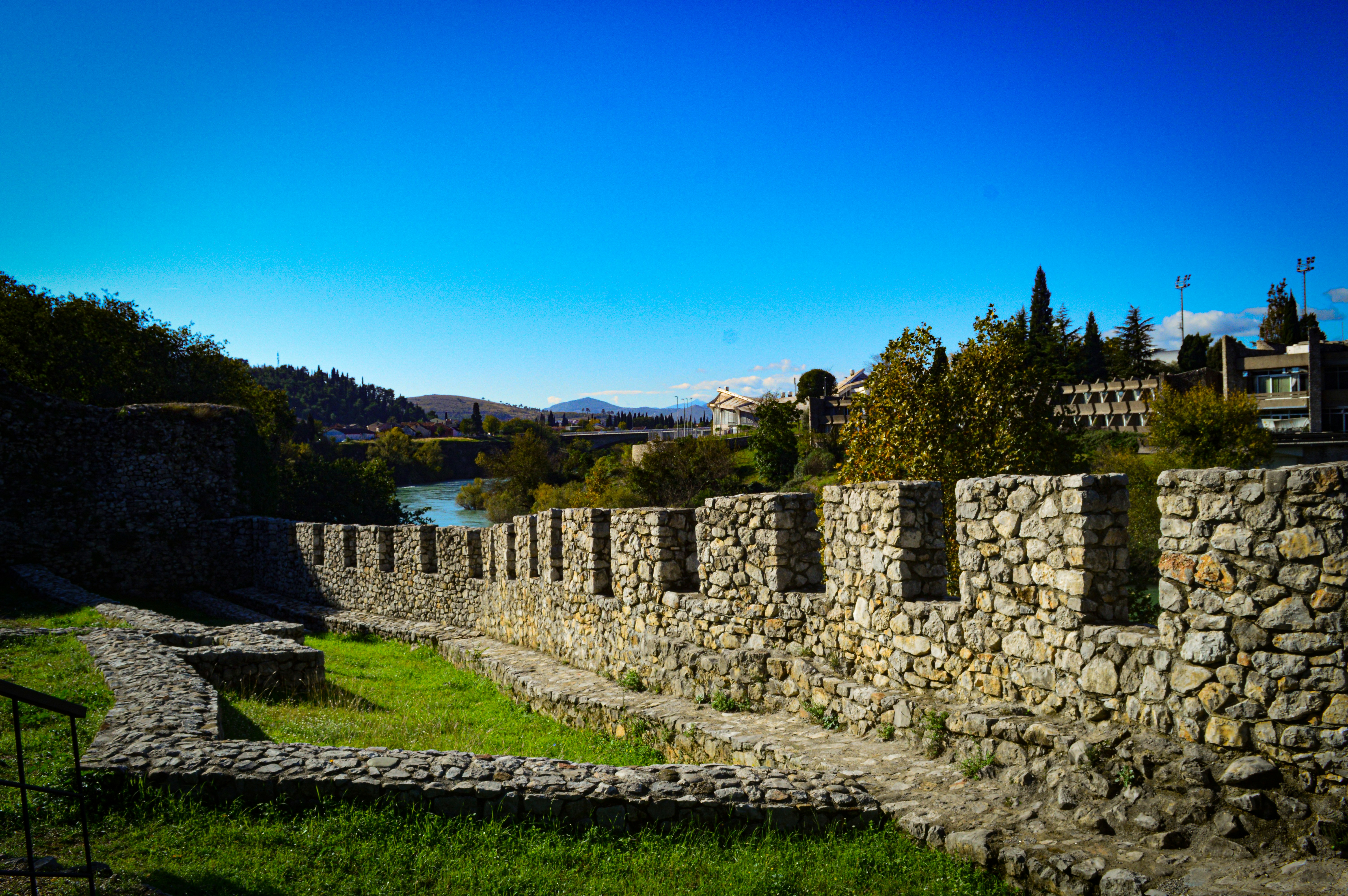
As the capital city, Podgorica offers a more urban experience compared to coastal towns. It features a blend of modern infrastructure, affordable living, and easy access to services like international banks and health facilities. While it may not have the seaside charm of Kotor or Budva, Podgorica is well-connected and provides a central base for exploring the rest of Montenegro while maintaining a comfortable and productive work environment.
Cost of Living
The official currency of Montenegro is the euro (€). €1 ≈ $1.08 USD.
The average net monthly salary in Montenegro is around €1,010–€1,015 per month, which equates to approximately $1,090–$1,100 USD per month.
Here’s a rundown of what you should expect to pay in different cities:
Kotor
Rent (1 bedroom in city center) – $630–$650 per month
Rent (3 bedrooms outside city center) – $1,230–$1,270 per month
Basic Utilities – $110–$120 per month
Wi‑Fi – $28–$35 per month
Public Transport – $1.50–$1.70 one‑way
Groceries (2 people) – $400–$600 per month
Budva
Rent (1 bedroom in city center) – $820–$870 per month
Rent (3 bedrooms outside city center) – $1,300–$1,330 per month
Basic Utilities – $140–$145 per month
Wi‑Fi – $30–$32 per month
Public Transport – $2.00–$2.20 one‑way
Groceries (2 people) – $450–$650 per month
Podgorica
Rent (1 bedroom in city center) – $590–$600 per month
Rent (3 bedrooms outside city center) – $800–$820 per month
Basic Utilities – $110–$115 per month
Wi‑Fi – $30–$32 per month
Public Transport – $1.00 or less one‑way
Groceries (2 people) – $450–$700 per month
FAQs
Who is eligible for the Montenegro Digital Nomad Visa?
The visa is available to non-Montenegrin citizens who work remotely for foreign employers or run a business registered outside Montenegro. Applicants must have sufficient financial means, valid health insurance, and proof of remote work.
How long can I stay in Montenegro on a Digital Nomad Visa?
The Montenegro Digital Nomad Visa allows a temporary residence permit of up to 2 years per initial approval. Eligible applicants can renew the permit for an additional 2 years, making a total potential stay of up to 4 years. Renewal depends on continued compliance with requirements, including proof of remote work, sufficient income, health insurance, and registered accommodation.
Can I work for a Montenegrin company while on this visa?
No. The Montenegro Digital Nomad Visa only permits remote work for foreign employers or clients. Working for Montenegrin companies or providing services to local clients is not allowed.
What documents do I need to apply for the visa?
Applicants must submit a completed application form, a valid passport, passport-sized photos, proof of accommodation, proof of financial self-sufficiency, private health insurance, a criminal record certificate, and documents verifying remote work for a foreign employer or business.
Are digital nomads taxed in Montenegro?
Tax obligations depend on residency status. Non-residents are generally taxed only on income sourced in Montenegro, while tax residents are taxed on worldwide income. Since the Digital Nomad Visa requires that income come from abroad, many nomads remain non-tax residents, but consulting a tax professional is recommended for clarity.
Author
)
Nadia Dardón is a content creator from Guatemala. She has worked fully remotely for the past six years as a copywriter, editor, and content creator, working for different industries. She started her digital nomad journey in 2022 and currently lives as an expat in Spain.


