
Germany Freelance Visa (Freiberufler)
)
Nadia Dardón
Immigration Content Writer
Last update
)

Germany Rating from Citizen Remote
Overall  3.4
3.4

Internet Infrastructure 4.0
Country Stability 5.0
Cost of Living 3.0
Ease of Obtaining Visa 1.0
Taxes 4.0
Quick Visa Facts

Visa length Up to 3 years.

Possible to extend? Yes, and it may lead to permanent residency.

Who can apply? Non-EU/EEA citizens working as freelancers in liberal professions (e.g., IT, design, consulting, writing).

Minimum Income Requirements No fixed minimum, but applicants should show about €9,000–€12,000 per year or more.

Time for visa applications Usually 4–12 weeks.
Want to know if you can apply?
Complete a visa quiz and see if you qualify!
Germany might not have an official digital nomad visa, but that doesn’t mean remote professionals can’t live and work there. In fact, the country has a long-standing option that many freelancers use to build a life in Germany while working independently: the Germany Freelance Visa, also known as the Freiberufler visa.
This residence permit allows non-EU citizens to live in Germany and work as self-employed professionals. Instead of being tied to a single employer, freelancers can provide services to multiple clients, run their own independent business, and enjoy life in one of Europe’s largest and most dynamic economies. For digital professionals such as designers, developers, writers, consultants, and other remote workers, it has become one of the most practical ways to reside in Germany while legally working with clients worldwide.
Who can apply for the German Freelance Visa? What are the requirements? And how does the application process work?
In this guide, we’ll walk you through everything you need to know about the German Freelance Visa, including eligibility requirements, documents, application steps, and important tips to help you successfully apply.
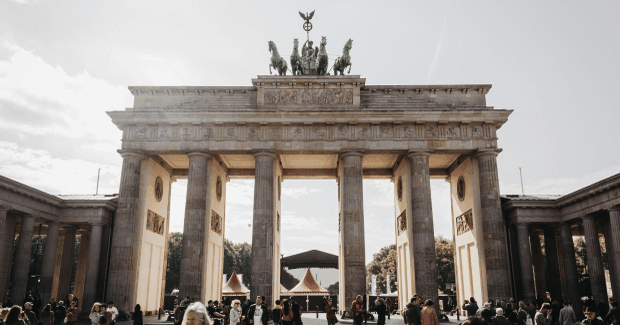
Germany Freelance Visa Overview
The German Freelance Visa (often called the Freiberufler visa) allows non-EU citizens to live in Germany while working independently as freelancers or self-employed professionals. It is part of Germany’s residence permit framework for self-employment under Section 21 of the German Residence Act (AufenthG), which governs how foreign nationals can establish themselves in Germany through independent work.
Germany has long allowed foreign freelancers to apply for self-employment residence permits through its immigration system. This pathway existed long before digital nomad visas became popular, making it one of the earliest options in Europe for independent professionals who want to live and work abroad.
Unlike traditional work visas that require a job offer from a German employer, the German Freelance Visa allows you to work independently and provide services to clients while living in the country. This makes it an attractive option for remote professionals, creative workers, consultants, and other freelancers who want to establish themselves in Germany.
If approved, applicants receive a residence permit for freelance work, typically valid for up to three years. During this time, freelancers must be able to support themselves financially through their freelance activity. In some cases, successful freelancers may later qualify for a permanent settlement permit.
Who Is It For?
The German Freelance Visa is designed for non-EU professionals who want to live and work in Germany independently.
It typically applies to individuals working in liberal professions (Freie Berufe), which are occupations based on specialized skills or qualifications. These professions often include:
writers and journalists.
artists and creative professionals.
designers and photographers.
IT specialists and developers.
consultants and independent advisors.
translators and language professionals.
architects and engineers.
Freelancers who provide services to German clients, international clients, or both may qualify, as long as they can demonstrate that their work is financially sustainable and relevant to their professional field.
What Does It Allow You to Do?
The German Freelance Visa allows you to live in Germany while running your own freelance activity legally.
With this residence permit, you can:
live in Germany as a self-employed freelancer.
provide services to multiple clients rather than a single employer.
work with German companies or international clients.
build and grow your freelance business while residing in Germany.
travel freely within the Schengen Area for short periods.
The visa does not allow traditional employment with a German company, as it is specifically designed for independent professionals rather than employees. Freelancers must also maintain sufficient income and comply with German tax and business regulations while living in the country.
For many remote professionals, the German Freelance Visa provides a legal pathway to live in Germany while continuing to work with clients worldwide.
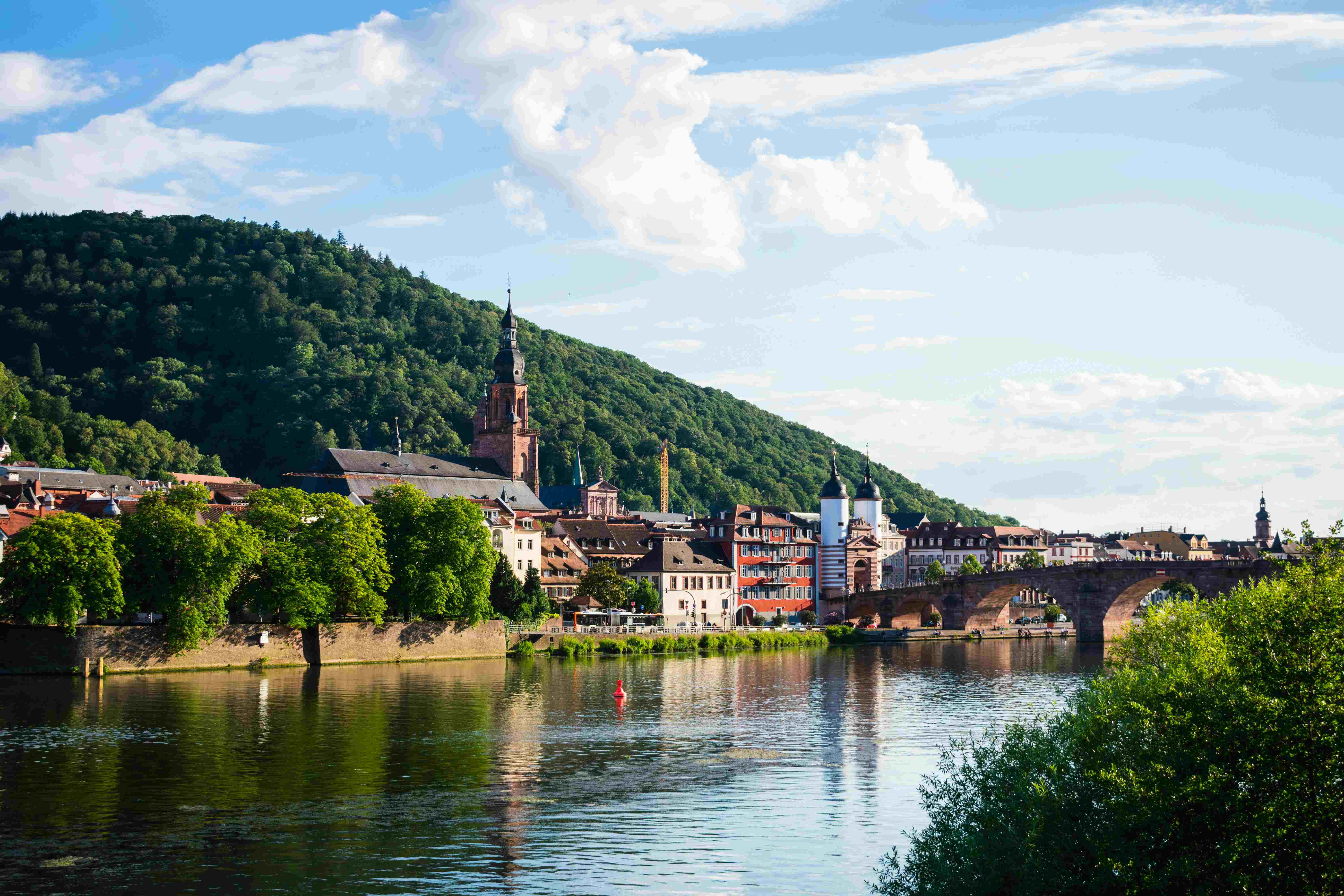
Germany Freelance Visa Requirements
To apply for the German Freelance Visa, applicants must submit a set of standard visa documents along with additional evidence that demonstrates their ability to work as a freelancer and support themselves financially in Germany.
Requirements may vary slightly by German embassy or consulate, but the core documents are generally the same.
Applicants typically need to provide the following documents when applying for a Germany Freelance Visa:
Completed the national visa application form.
Valid passport (issued within the last 10 years and valid for at least three months after your planned stay)
Recent biometric passport photos.
Curriculum vitae (CV) outlining your professional experience.
Motivation letter explaining your freelance plans in Germany.
Portfolio or examples of your work.
Letters of intent or contracts from potential clients.
Proof of accommodation in Germany.
Proof of financial means.
Private health insurance coverage.
Professional qualifications or certificates (if applicable)
Depending on your profession and the consulate where you apply, authorities may also request additional documentation related to your freelance activity or business plan.
Proof of Financial Self-Sufficiency
Applicants must demonstrate that they can financially support themselves while living in Germany through their freelance work.
Germany does not set a strict minimum income requirement for the freelance visa. However, immigration authorities expect applicants to show that they can comfortably cover their living expenses while residing in the country.
As a general guideline, many applicants aim to demonstrate access to at least €9,000–€12,000 per year (roughly €750–€1,000 per month) through savings, freelance income, or confirmed client contracts. In larger cities such as Berlin, Munich, or Hamburg, showing higher expected income can strengthen your application.
Acceptable proof of financial means may include:
bank statements showing available savings.
contracts or letters of intent from clients.
proof of ongoing freelance income.
financial forecasts or projected earnings.
Applicants who are 45 years or older may also need to provide proof of adequate retirement provisions as part of their application.
Private Health Insurance
Health insurance is mandatory for anyone living in Germany, including freelancers applying for a residence permit.
Applicants must provide proof of valid health insurance coverage that meets German requirements. In most cases, freelancers initially obtain private health insurance that covers them for the duration of their stay in Germany. Travel insurance is not accepted; it must be long-term residency health insurance. You can find our recommendations for the best health insurance plans here.
After arriving in Germany and registering their residence, freelancers may later switch to public health insurance if they meet the eligibility requirements.
Proof of Freelance Activity
Applicants must demonstrate that they genuinely plan to work as freelancers in Germany and that their professional activity is viable.
Supporting documents typically include:
signed contracts with clients.
letters of intent from potential clients.
a professional portfolio.
a description of the freelance services you will provide.
In many cases, authorities prefer to see interest from German clients, as this suggests that the freelance activity will contribute to the local economy.
Professional Qualifications
For certain professions, applicants must show that they have the necessary qualifications or experience to carry out their freelance work.
This may include:
university degrees.
professional certificates.
licenses or professional accreditations.
proof of relevant work experience.
The exact documentation depends on the profession and whether the activity falls under Germany’s recognized liberal professions (Freie Berufe).
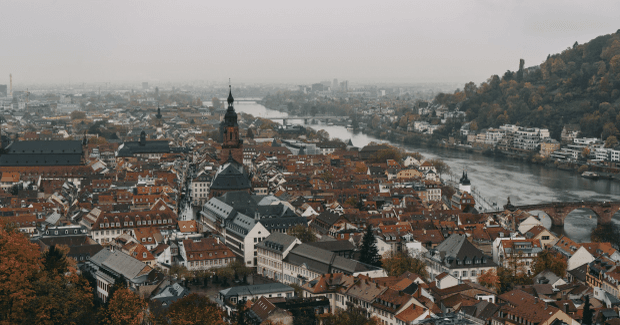
Stay Requirements in Germany
To maintain the German Freelance Visa, applicants must continue to meet the conditions of their residence permit while living in the country. This means that your primary place of residence should be in Germany, and you must actively carry out the freelance activity that was approved as part of your visa application.
Freelancers are expected to register their address (Anmeldung) at the local registration office shortly after arriving in Germany. This registration is required to obtain a tax identification number and to operate legally as a freelancer in the country.
Visa holders must also remain financially self-sufficient throughout their stay. Your freelance work should generate enough income to cover your living expenses, and you must continue to comply with German tax obligations and business regulations.
In addition, valid health insurance coverage must be maintained for the entire duration of your stay in Germany. This is a legal requirement for all residents, including self-employed professionals and freelancers.
While living in Germany, you should avoid spending long periods outside the country, as residence permits are intended for people whose primary residence is in Germany. Extended absences could affect the validity of your permit or your ability to renew it in the future.
As long as these conditions are met, freelancers can continue living and working in Germany and may later become eligible to renew their permit or apply for a permanent settlement permit if their freelance activity remains stable and financially sustainable.

How Much Does the Germany Freelance Visa Cost?
The cost of the German Freelance Visa depends on whether you are applying for the visa from abroad or applying for the residence permit after arriving in Germany. In most cases, applicants must first apply for a national visa (D visa) at a German embassy or consulate and then convert it into a residence permit upon arrival in Germany.
Typical costs include:
€75 – National visa application fee (paid when applying at a German embassy or consulate)
€100 – Residence permit fee for self-employment or freelance work issued by the local immigration office (Ausländerbehörde)
€96–€110 – Renewal or extension of the freelance residence permit (if applicable)
The German government sets these fees, which are generally the same worldwide, although minor variations may occur depending on the immigration office processing the application.
Applicants should also be prepared for additional costs related to the application process, such as:
Certified translations of documents.
Document legalization or apostille fees.
Health insurance coverage.
Proof of accommodation in Germany.
Administrative fees for registering your address or business activity.
While the visa application fee is relatively affordable compared with many other immigration programs, applicants should budget for relocation and setup costs associated with moving to Germany and establishing their freelance activities.
Taxes for People With a Germany Freelance Visa
If you live in Germany with a German Freelance Visa, you will generally be considered a German tax resident. This usually happens if you spend more than 183 days per year in the country or establish your primary residence there. Once you are considered a tax resident, you must report and pay taxes in Germany on your worldwide income.
Freelancers in Germany are responsible for managing their own taxes. This means registering with the local tax office (Finanzamt), obtaining a tax identification number, and filing annual tax returns. After registering your freelance activity, the tax office will issue a tax number (Steuernummer), which you must include on invoices you send to clients.
Freelancers in Germany typically pay several types of taxes:
Income tax (Einkommensteuer) – Freelance income is taxed under Germany’s progressive income tax system. Rates range from 14% to 45%, depending on your total annual income.
Solidarity surcharge (Solidaritätszuschlag) – A small additional tax that may apply to higher income levels.
Value-added tax (VAT / Umsatzsteuer) – Many freelancers must charge 19% VAT on services provided to German clients. Some services qualify for a reduced 7% rate, and freelancers earning below a certain threshold may qualify for the small business regulation (Kleinunternehmerregelung), which allows them to avoid charging VAT.
Freelancers are also responsible for paying their own social contributions, such as health insurance and, in some cases, pension contributions, depending on their profession.
Germany has double taxation agreements with many countries, which help ensure that freelancers do not pay taxes twice on the same income. However, tax rules can vary depending on your personal circumstances, the location of your clients, and where your income is generated.
Because the German tax system can be complex, many freelancers work with a tax advisor (Steuerberater) to ensure compliance with all tax obligations and to file their annual returns correctly.
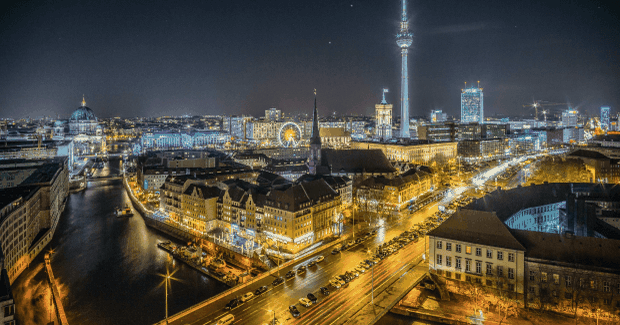
Living in Germany With the Germany Freelance Visa
Living in Germany with the Germany Freelance Visa allows freelancers and remote professionals to build a life in one of Europe’s most stable and economically strong countries while continuing to work independently. Cities such as Berlin, Munich, Hamburg, and Cologne are known for their thriving startup ecosystems, creative industries, and international communities, making them attractive places for freelancers and digital professionals. Germany also offers excellent public infrastructure, reliable transportation, high-quality healthcare, and access to the broader Schengen Area, enabling visa holders to travel easily across much of Europe.
At the same time, freelancers in Germany must comply with specific administrative and legal obligations. After arriving, most visa holders must register their address with the local authorities, obtain a tax number, and comply with German tax and health insurance requirements. While the paperwork can be complex, Germany offers a stable environment for freelancers seeking to grow their careers, collaborate with international clients, and potentially obtain long-term residency.
Best Cities to Live in Germany
Germany offers a wide range of cities that appeal to freelancers, creatives, and remote professionals. From startup hubs to cultural capitals, many cities offer robust infrastructure, international communities, and a high quality of life for freelancers in Germany.
Berlin
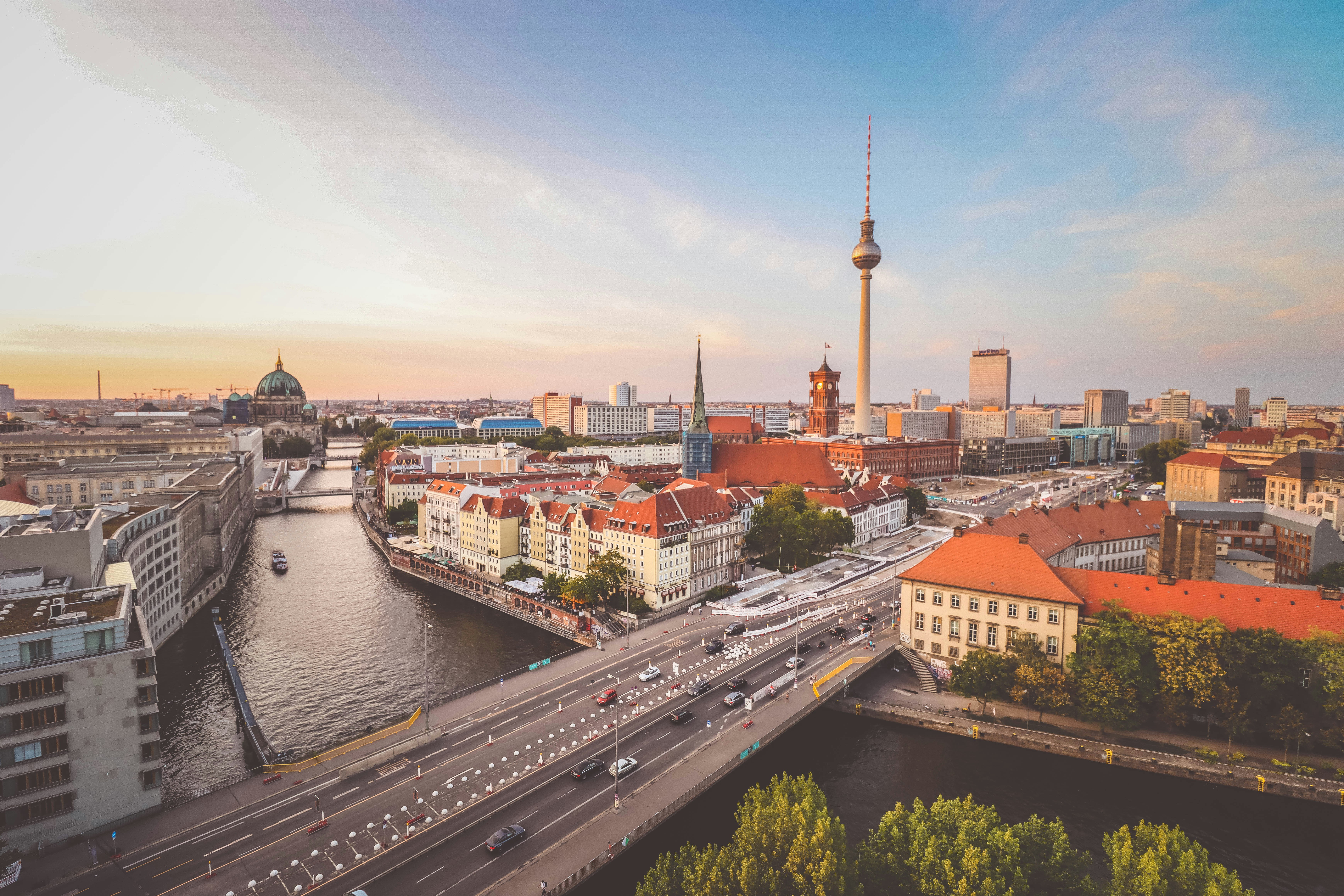
Berlin is one of the most popular destinations for freelancers and digital professionals moving to Germany. The city has a thriving startup ecosystem, a large international community, and a relatively affordable cost of living compared to other major European capitals. Berlin is also known for its coworking spaces, creative industries, and vibrant cultural scene. For freelancers working in tech, design, media, and consulting, Berlin offers many networking opportunities and access to potential clients.
Munich
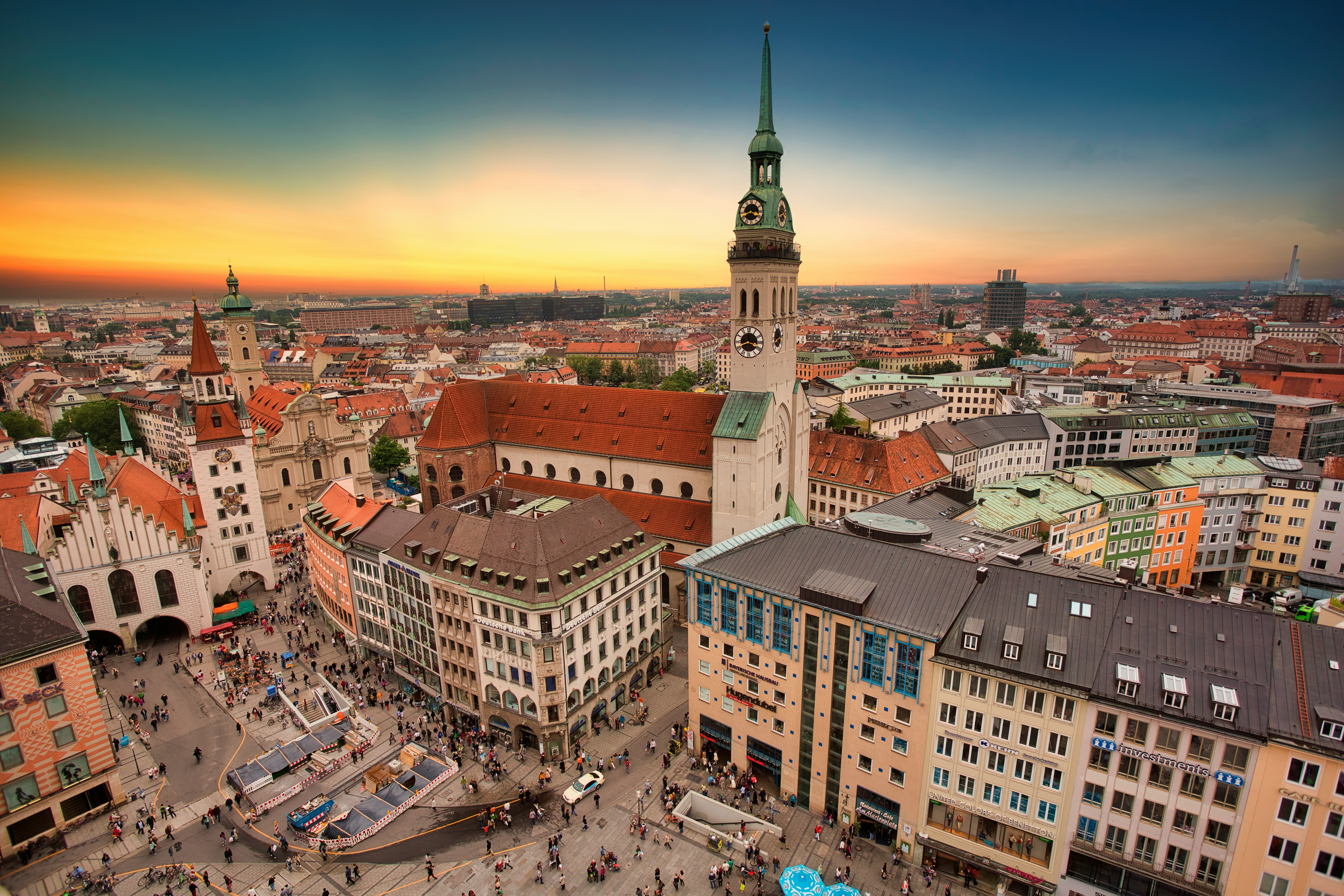
Munich is one of Germany’s most prosperous cities and a major center for technology, finance, and engineering. It offers a high standard of living, excellent public services, and strong professional opportunities for freelancers working with corporate clients or startups. While the cost of living is higher than in many other German cities, Munich provides a very high quality of life, beautiful architecture, and easy access to nature, including the nearby Alps.
Hamburg
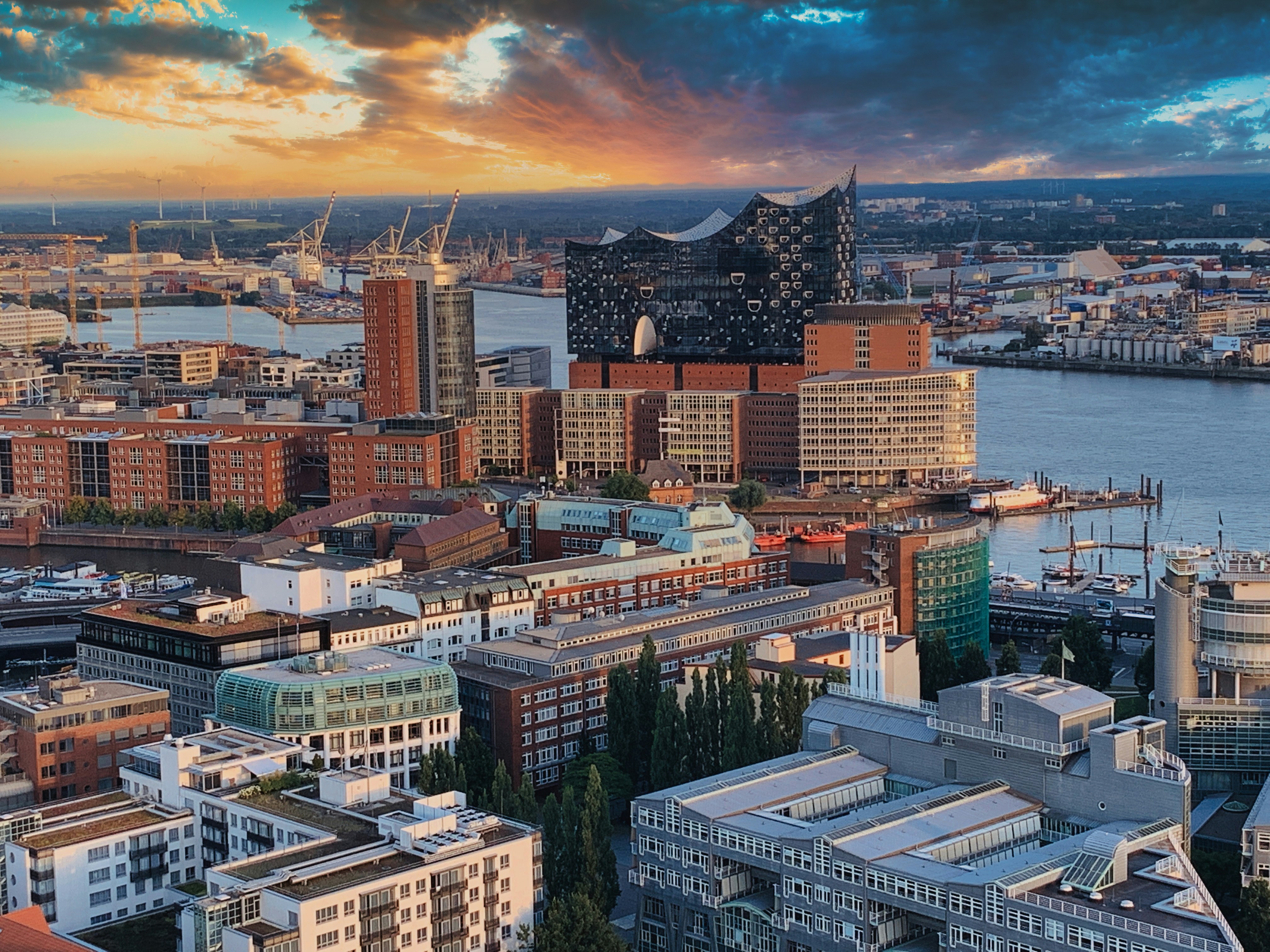
Hamburg is Germany’s second-largest city and an important international business hub. Known for its historic port, modern architecture, and creative industries, Hamburg attracts freelancers across media, marketing, technology, and trade. The city offers a balanced lifestyle with ample green spaces, waterfront areas, and a strong economy, making it an appealing option for freelancers seeking both professional opportunities and a relaxed coastal atmosphere.
Cost of Living
The official currency of Germany is the euro (€). €1 ≈ $1.18 USD
The average net monthly salary in Germany is around €2,850–€3,000, which equates to approximately $3,360–$3,540 USD per month.
Here’s a rundown of what you should expect to pay in different cities:
Berlin
Rent (1 bedroom in city center) ≈ $1,100–$1,350 per month
Rent (3 bedrooms outside city center) ≈ $1,500–$1,900 per month
Basic Utilities ≈ $300–$350 per month
Wi‑Fi ≈ $30–$40 per month
Public Transport one‑way ≈ $1.90–$3.00
Groceries (2 people) ≈ $450–$650 per month
Munich
Rent (1 bedroom in city center) ≈ $1,500–$2,150 per month
Rent (3 bedrooms outside city center) ≈ $2,100–$2,750 per month
Basic Utilities ≈ $320–$380 per month
Wi‑Fi ≈ $30–$40 per month
Public Transport one‑way ≈ $2.00–$3.00
Groceries (2 people) ≈ $500–$750 per month
Hamburg
Rent (1 bedroom in city center) ≈ $1,200–$1,700 per month
Rent (3 bedrooms outside city center) ≈ $1,700–$2,300 per month
Basic Utilities ≈ $290–$350 per month
Wi‑Fi ≈ $30–$40 per month
Public Transport one‑way ≈ $2.00–$3.00
Groceries (2 people) ≈ $450–$700 per month
FAQs
Can digital nomads apply for the Germany Freelance Visa?
Yes, many digital nomads use the German Freelance Visa to live in Germany while working remotely for clients worldwide. Although Germany does not have a dedicated digital nomad visa, the freelance visa allows independent professionals to legally reside in the country and provide services to multiple clients as long as their freelance activity is financially sustainable.
How long is the Germany Freelance Visa valid?
The Germany Freelance Visa is typically issued as a residence permit for up to three years, depending on your freelance activity and the decision of the local immigration office. If your freelance business remains successful and you continue to meet the requirements, you may be able to extend the permit or apply for permanent residency in Germany.
Do I need German clients to get a freelance visa?
It is not always mandatory to have German clients, but immigration authorities often prefer to see letters of intent or contracts from German companies. This demonstrates that your freelance work will contribute to the local economy. Many successful applicants show a combination of German and international clients.
Can I work for a company with the Germany Freelance Visa?
No, the German Freelance Visa is specifically designed for self-employed professionals. This means you cannot work as a traditional employee for a German company under this visa. Instead, you must work independently and provide services to clients as a freelancer.
Can the Germany Freelance Visa lead to permanent residency?
Yes, it is possible. If your freelance activity is successful and you can demonstrate financial stability, you may be eligible to apply for a permanent settlement permit after several years of living in Germany. The exact timeline can vary depending on your circumstances and compliance with German immigration requirements.
Author
)
Nadia Dardón is a content creator from Guatemala. She has worked fully remotely for the past six years as a copywriter, editor, and content creator, working for different industries. She started her digital nomad journey in 2022 and currently lives as an expat in Spain.


