
Brazil Digital Nomad Visa: 2026 Update
)
Nadia Dardón
Immigration Content Writer
Last update
)
Brazil Rating from Citizen Remote
Overall  3.4
3.4

Internet Infrastructure 3.0
Country Stability 3.0
Cost of Living 5.0
Ease of Obtaining Visa 2.0
Taxes 4.0
Quick Visa Facts

Visa length 1 year

Possible to extend? Yes, renewable for an additional year

Who can apply? Remote workers employed by foreign companies or freelancers with international clients

Minimum Income Requirements Monthly income of at least $1,500 USD or a bank balance of $18,000 USD

Time for visa applications Typically between 15 to 30 days; expedited processing may be available for an additional fee
Want to know if you can apply?
Complete a visa quiz and see if you qualify!
This article was updated in March 2026 to reflect the most recent Brazil Digital Nomad Visa rules, including eligibility requirements, application steps, and tax information.
Brazil has become a top destination for digital nomads, and it's easy to see why. With a vibrant culture, relatively low cost of living, warm climate, and an ever-growing remote work scene, it’s no surprise that nomads are flocking here. Brazil introduced its official Digital Nomad Visa in 2022, allowing remote workers to live in the country while working for companies or clients abroad.
Whether you're drawn to Brazil’s dynamic cities, lush rainforests, or coastal towns with coworking cafés by the beach, there’s something here for every type of remote worker. Add in the rich food scene, world-renowned festivals, and endless natural beauty, and Brazil makes a compelling base for both work and play.

Capital Brasília

Form of Government Democratic federal republic
Population 213,372,000 (est. 2021)

Climate Tropical Marine

Language Portuguese (Official)

Currency Brazilian Real (BRL)

23 people in Brazil!
Join the community of remoters!
Brazil Remote Work Visa Overview
Brazil launched its official Digital Nomad Visa in January 2022. This visa allows eligible remote workers to live and work remotely from Brazil while being employed by a non-Brazilian company.
The visa is valid for 1 year and can be renewed once, allowing you to stay for up to 2 years in total. Applications can be submitted through a Brazilian consulate abroad, or from within Brazil through the Federal Police’s MigranteWeb platform if you are already legally present in the country.
While the visa doesn’t allow you to work for Brazilian companies or take on local employment, it’s an excellent option for those looking to experience Brazil’s stunning beaches, vibrant festivals, and dynamic culture, all while continuing your remote job.
Dependents can also be included in your application, though they apply separately and you'll need to show you can support them. Ask your consulate what amount it expects. Keep in mind that if you stay more than 183 days in Brazil within a 12-month period, you may become a Brazilian tax resident, which could affect your global income.
With its breathtaking landscapes, warm climate, and welcoming attitude toward remote workers, Brazil continues to position itself as a top destination for digital nomads.
What changed on 1 September 2026
From 1 September 2026, Brazil issues temporary visas, including the digital nomad visa, electronically, according to Brazil's foreign ministry. If you qualify, there's no consulate visit and no passport drop-off. You file through the Integrated Consular System (SCI), upload your documents, and the approved visa arrives by email.
The catch is who qualifies. The electronic route covers nationals of countries that are exempt from Brazil's visitor visa. Citizens of the US, Canada and Australia have needed a visitor e-visa for Brazil since 10 April 2025, so on the notice's own wording they fall outside it. If that's you, expect the standard consular process and confirm the steps with your consulate before you book anything.
The rollout was uneven in the first weeks, with some consulates still describing the old process on their own pages. If yours does, email them before you post your passport anywhere.
Who Can Apply for the Digital Nomad Visa for Brazil
To qualify for Brazil’s Digital Nomad Visa, you must meet the following criteria:
Be employed by or provide services to a company located outside of Brazil.
Provide an employment or service contract, or other official documentation proving a professional relationship with a foreign entity.
Earn a minimum of $1,500 USD per month OR have at least $18,000 USD in savings.
Hold private health insurance that is valid in Brazil.
Submit a criminal background check from your country of residence. If you apply from within Brazil, the document must usually be apostilled and translated into Portuguese.
This income threshold applies to a single applicant. If you're applying with dependents, you'll need to show additional means for each of them. Your consulate sets the figure, so ask before you gather statements.
As of April 2025, citizens of the United States, Canada, and Australia must obtain an eVisa before entering Brazil for tourism or short stays. If you plan to apply for the digital nomad visa from within Brazil, you will need this eVisa (or another valid entry visa) to enter the country first.
Documents Required for Applying
Valid passport – Must be valid at the time of application and for the duration of your intended stay in Brazil.
Completed visa application form – Filled out online or at the consulate.
Proof of income – Demonstrating at least $1,500 USD per month, such as bank statements, payslips, or contracts.
OR
Proof of savings – Showing at least $18,000 USD in your bank account.Proof of work – Such as an employment or service contract with a foreign company.
Declaration of remote work – A signed statement confirming you carry out your work remotely via information and communication technologies.
Health insurance – Coverage must be valid in Brazil for your entire intended stay.
Criminal background check – Issued by your country of residence. If you apply from within Brazil, the document typically must be apostilled and translated into Portuguese.
Proof of visa fee payment – A receipt confirming payment of the visa application fee to the Brazilian consulate or immigration authority.
(Optional) Proof of travel arrangements – Some Brazilian consulates may request proof of a return or onward flight.
Note for in-country applications: If applying through the Federal Police (MigranteWeb) while inside Brazil, additional documents, such as an apostilled and translated birth certificate, may sometimes be requested depending on the circumstances of your application.
How to Apply for a Brazil Digital Nomad Visa: Step-by-Step Guide
Applying for Brazil’s Digital Nomad Visa is a straightforward process. You can apply either through a Brazilian consulate abroad or from within Brazil if you are already legally in the country. Follow these steps to complete your application.
Step 1: Check Your Eligibility
Before starting your application, confirm that you meet Brazil’s digital nomad visa requirements:
You work remotely for a company or clients located outside Brazil
You earn at least $1,500 USD per month OR have $18,000 USD in savings
You have private health insurance valid in Brazil
You have a clean criminal record
Step 2: Gather Required Documents
Before submitting your application, make sure you have all the required paperwork prepared.
These documents typically include proof of income, remote employment, health insurance, and a criminal background check. You can find the complete list of required documents in the section above.
If you apply from within Brazil, some documents may need to be apostilled and translated into Portuguese.
Step 3: Decide Where You Will Apply
You can apply for the Brazil Digital Nomad Visa from abroad or from within Brazil.
Option A: Apply from Abroad
Most applicants apply through a Brazilian embassy or consulate in their country of residence.
This option is usually the simplest if you are not yet in Brazil.
Option B: Apply from Inside Brazil
If you are already in Brazil legally (for example, on a tourist visa), you may apply through the Federal Police’s MigranteWeb portal.
This process usually involves submitting documents online and attending an in-person appointment with the Federal Police.
Step 4: Submit Your Application
The submission process depends on where you apply.
Applying through a Brazilian Consulate
If you're from a country that's exempt from Brazil's visitor visa, apply online through the SCI portal and upload your documents. No appointment or passport submission needed.
If you need a visitor visa for Brazil, which includes US, Canadian and Australian citizens, follow your consulate's standard procedure. That can mean an appointment and handing over your passport.
Pay the visa application fee.
Visa fees vary by nationality due to Brazil’s reciprocity system.
Applying from Inside Brazil
Create an account on the MigranteWeb system
Upload the required documents
Schedule an appointment with the Federal Police
Bring original documents to your appointment for verification
Step 5: Wait for Processing
Processing times vary depending on the consulate or immigration office handling your application.
In most cases, the process takes between 5 and 30 days, although some consulates may take longer during busy periods.
Authorities may request additional documents or clarification before approving the visa.
Step 6: Receive Your Visa or Residence Permit
If your application is approved:
Applying from abroad: If you're a visa-exempt national, the approved visa is emailed to you. Otherwise it may still be issued as a sticker in your passport.
Applying from within Brazil: You will receive a temporary residence authorization, allowing you to stay and work remotely from Brazil.
After entering Brazil with the visa, you may also need to register with the Federal Police to obtain your residence card.
How much does it cost?
The visa fee varies depending on your nationality and the Brazilian consulate handling your application, as Brazil applies a reciprocity-based visa fee system. Your consulate publishes its own fee table, and that table is the only reliable number.
There is no official bundled application fee for couples or families, each person, including dependents, must apply individually and pay a separate fee.
You may also need to budget for:
Document apostille and translation services
Private health insurance
Travel costs to the consulate (if required)
Background check fees
Timeline for Applying
Once you've submitted your application and documents to the Brazilian consulate or through the MigranteWeb system, processing typically takes 3 to 4 weeks. However, times may vary depending on the consulate’s workload or if additional documentation is requested.
If you're applying from within Brazil, scheduling an appointment with the Federal Police may add a few extra days to the process.

Common Reasons Brazil Digital Nomad Visa Applications Get Delayed or Rejected
While the Brazil Digital Nomad Visa application process is generally straightforward, some applications may face delays or even rejection if the requirements are not fully met. Understanding the most common issues can help you avoid unnecessary setbacks.
One frequent reason for delays is incomplete or incorrect documentation. Missing paperwork, outdated forms, or documents that are not properly apostilled or translated into Portuguese (when required) can slow down the review process.
Another common issue is insufficient proof of income or savings. Applicants must clearly demonstrate that they meet the financial requirement of at least $1,500 USD per month in income or $18,000 USD in savings. Bank statements, contracts, or other financial documents should clearly show these amounts.
Applications can also be delayed if proof of remote work is unclear. Immigration authorities need evidence that you work for a company or clients outside Brazil, such as an employment contract or service agreement.
Finally, delays may occur due to background check issues or administrative processing times. Some consulates may request additional information or clarification before approving the visa.
To improve your chances of approval, make sure all documents are complete, accurate, and submitted according to the requirements of the Brazilian consulate or immigration authority handling your application.
Taxes for Brazil Digital Nomad Visa Holders
One of the most common questions for remote workers considering Brazil is whether the Brazil Digital Nomad Visa comes with tax obligations. The answer largely depends on how long you stay in the country and your tax residency status.
Do You Have to Pay Taxes in Brazil?
In many cases, tax obligations depend on whether you are considered a Brazilian tax resident.
If you stay in Brazil for less than 183 days within a 12-month period, you are generally not considered a tax resident. In this situation:
Your foreign income is typically not taxed in Brazil
You usually do not need to file Brazilian income tax returns
However, if you remain in Brazil for 183 days or more within a 12-month period, you may be considered a Brazilian tax resident. In that case:
You may be required to declare your worldwide income in Brazil
Your income could become subject to Brazilian income tax rules
Tax residency rules can vary depending on your immigration status and personal circumstances, so it’s important to confirm your situation if you plan to stay long-term.
CPF and Tax Registration
Many foreigners in Brazil, including digital nomads, may need to obtain a CPF (Cadastro de Pessoas Físicas), which is Brazil’s personal taxpayer identification number.
A CPF is often required for everyday activities in Brazil, such as:
Opening a bank account
Signing rental agreements
Registering with government systems
Obtaining a CPF does not automatically make you a tax resident, but it is commonly required for administrative and financial processes in the country.
Double Taxation Treaties
Brazil has double taxation agreements with several countries, which can help prevent the same income from being taxed twice.
However, these treaties do not cover every country, so it is important to:
Check whether your home country has a tax treaty with Brazil
Consult a tax professional familiar with Brazilian and international tax law if you plan to stay long-term.

Living in Brazil as a Digital Nomad
Living in Brazil as a digital nomad means immersing yourself in a vibrant and diverse culture while enjoying a relatively affordable lifestyle. From the energetic cities like São Paulo and Rio de Janeiro to the relaxed beach towns of Florianópolis and Salvador, Brazil offers a wide range of environments that cater to different work styles and personal preferences. With reliable internet in major urban areas and a growing number of coworking spaces, you can easily balance productivity with exploring stunning natural landscapes, lively festivals, and delicious local cuisine.
Beyond work, living in Brazil provides a unique opportunity to connect with warm and welcoming people who love to share their rich traditions, music, and food. The country’s diverse culture, combined with its breathtaking beaches, rainforests, and vibrant street life, creates an inspiring backdrop for remote work. For many digital nomads, Brazil is not just a place to work. It’s a place to truly live, experience, and grow.
Best Cities to Live in Brazil
São Paulo
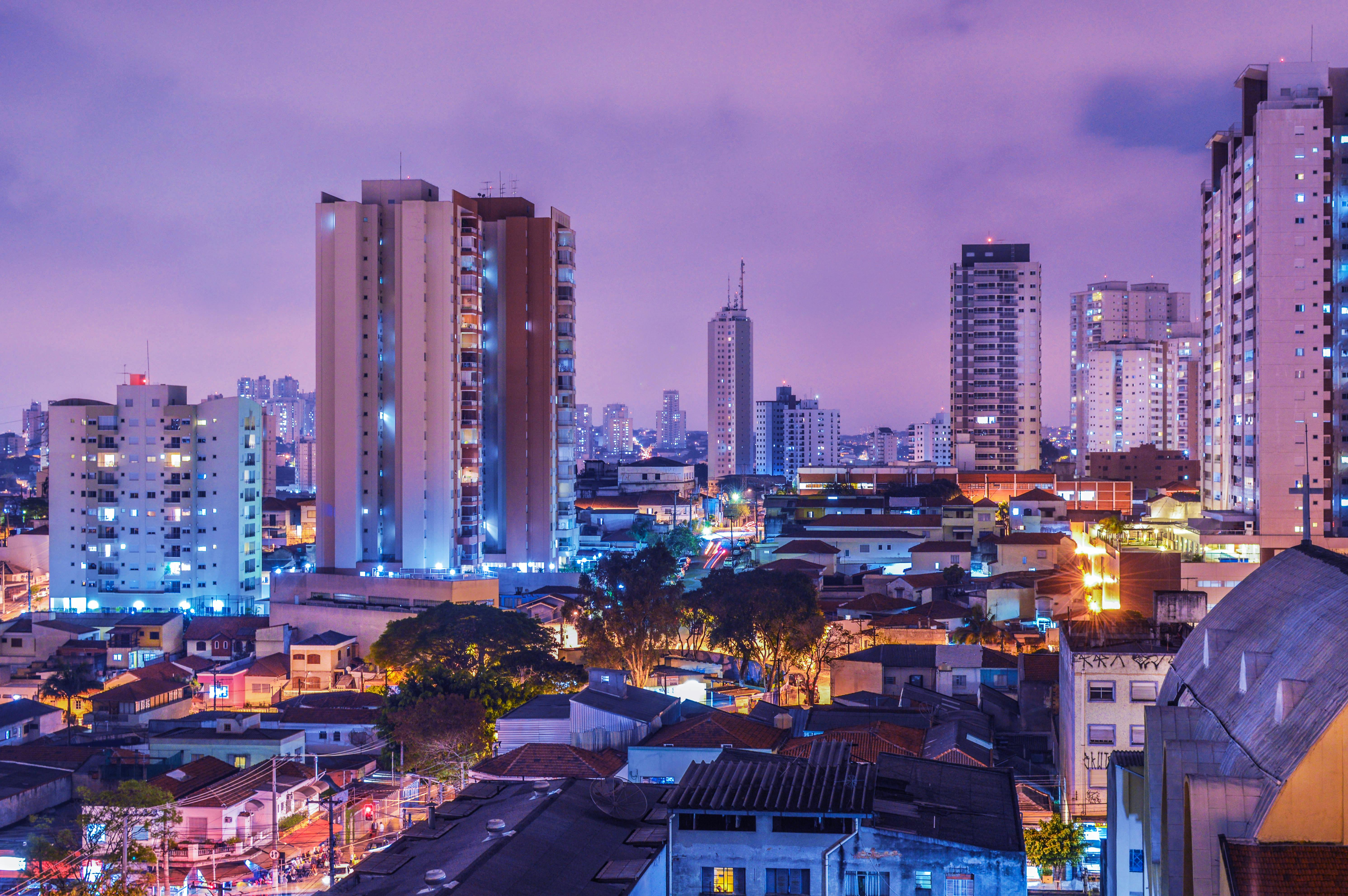 São Paulo is Brazil’s bustling financial and cultural hub, offering a fast-paced urban lifestyle perfect for digital nomads who thrive in the city's buzz. It boasts world-class coworking spaces, a thriving startup scene, and countless cafés with reliable Wi-Fi to get your work done. Beyond work, São Paulo shines with its diverse food scene, vibrant nightlife, and rich cultural attractions such as museums, theaters, and festivals. While it’s a large and busy city, its many neighborhoods offer options for different lifestyles, from upscale districts like Jardins to the creative vibe of Vila Madalena.
Florianópolis
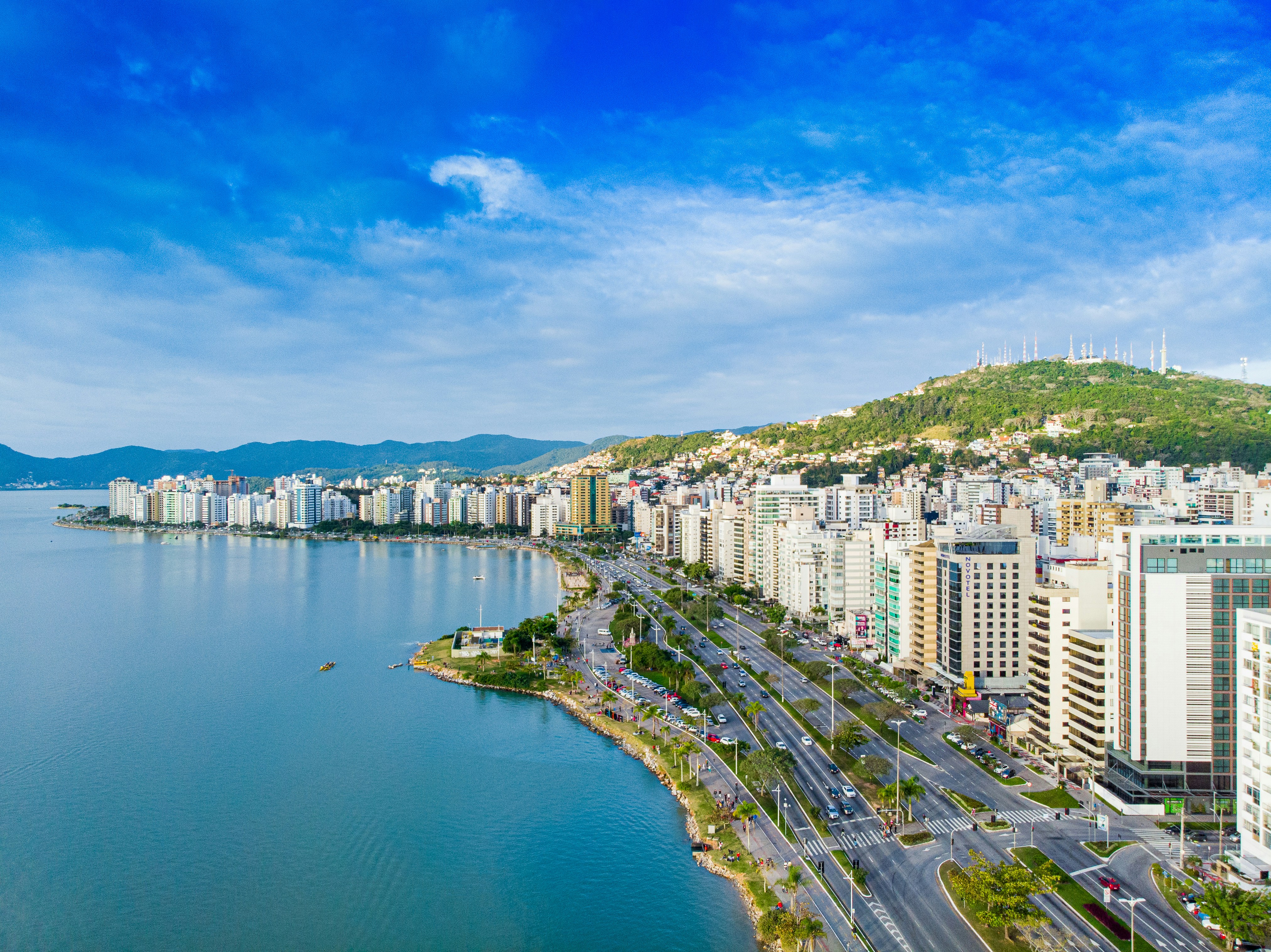 Known as “Floripa,” Florianópolis is a top choice for digital nomads seeking a laid-back beach lifestyle without sacrificing connectivity and convenience. This island city blends stunning beaches, excellent surf spots, and lush green hills with a growing network of coworking spaces and cafes. Florianópolis also has a welcoming expat community, making it easier to make friends and network. The cost of living here is generally lower than in São Paulo or Rio, and the quality of life is boosted by clean air, outdoor activities, and a safe environment.
Rio de Janeiro
 Famous worldwide for its iconic beaches, mountains, and carnival, Rio de Janeiro offers a unique mix of natural beauty and vibrant urban life. For digital nomads, Rio combines inspiring views with the infrastructure needed to work remotely, including coworking hubs and reliable internet in many areas. The city’s energetic culture, lively music scene, and outdoor lifestyle (think hiking up Sugarloaf Mountain or relaxing on Ipanema Beach) provide an exciting backdrop to your workday. While some neighborhoods require caution, popular areas like Ipanema, Leblon, and Botafogo are known for their safety and amenities.
Cost of Living
The official currency of Brazil is the Brazilian Real (BRL).
1 BRL ≈ 0.20 USD (exchange rates may vary).
The average net monthly salary in Brazil is around R$2,500 to R$3,000, which equates to approximately $500 to $600 USD.
Here’s a rundown of what you should expect to pay in different cities:
São Paulo
Rent (1 bedroom in city center) – R$2,500 (~$500 USD) per month
Rent (3 bedrooms outside city center) – R$4,000 (~$800 USD) per month
Basic Utilities (electricity, heating, cooling, water, garbage) – R$400 (~$80 USD) per month
Wi-Fi (10 Mbps, unlimited data) – R$120 (~$24 USD) per month
Public Transport (one-way ticket) – R$5.50 (~$1.10 USD)
Groceries (for 2 people) – R$1,200 (~$240 USD) per month
Florianópolis
Rent (1 bedroom in city center) – R$1,800 (~$360 USD) per month
Rent (3 bedrooms outside city center) – R$3,000 (~$600 USD) per month
Basic Utilities – R$350 (~$70 USD) per month
Wi-Fi – R$110 (~$22 USD) per month
Public Transport (one-way ticket) – R$4.50 (~$0.90 USD)
Groceries (for 2 people) – R$1,000 (~$200 USD) per month
Rio de Janeiro
Rent (1 bedroom in city center) – R$2,200 (~$440 USD) per month
Rent (3 bedrooms outside city center) – R$3,500 (~$700 USD) per month
Basic Utilities – R$400 (~$80 USD) per month
Wi-Fi – R$120 (~$24 USD) per month
Public Transport (one-way ticket) – R$5.00 (~$1.00 USD)
Groceries (for 2 people) – R$1,100 (~$220 USD) per month
FAQs
How long can you stay in Brazil with a Digital Nomad Visa?
The Brazil Digital Nomad Visa is initially valid for one year. It can be renewed once for an additional year, allowing remote workers to stay in Brazil for up to two years in total.
Renewal applications are typically submitted through Brazil’s Federal Police immigration system while you are in the country.
Can I apply for the Brazil Digital Nomad Visa online?
Since 1 September 2026, yes, if you're a national of a country that's exempt from Brazil's visitor visa. You apply through the SCI portal and the approved visa is emailed to you. US, Canadian and Australian citizens need a visitor visa for Brazil, so they still follow the standard consular process.
Can you work for a Brazilian company with the Digital Nomad Visa?
No. The Brazil Digital Nomad Visa is specifically designed for remote workers employed by companies outside Brazil or freelancers working with foreign clients.
You cannot take up employment with a Brazilian company or local employer under this visa.
Can freelancers apply for the Brazil Digital Nomad Visa?
Yes. Freelancers and self-employed professionals can apply as long as they can demonstrate ongoing work with foreign clients and meet the financial requirements.
Applicants must show either:
$1,500 USD in monthly income, or
$18,000 USD in savings
Can family members join you in Brazil on a Digital Nomad Visa?
Yes. Digital nomads can bring dependents such as a spouse or children. Each dependent must submit a separate application, and the main applicant must show additional financial resources, and your consulate sets the amount.
How long does it take to get a Brazil Digital Nomad Visa?
Processing times vary depending on the Brazilian consulate or immigration office handling your application. In most cases, it takes between 5 and 30 days, though some consulates may take longer during busy periods.
Do you need to pay taxes in Brazil as a digital nomad?
Tax obligations depend on your length of stay and tax residency status.
If you stay in Brazil for less than 183 days within a 12-month period, you are generally not considered a Brazilian tax resident, and your foreign income is usually not taxed in Brazil.
If you stay 183 days or more, you may become a tax resident, meaning you may need to declare your worldwide income in Brazil.
Can you apply for the Brazil Digital Nomad Visa from inside Brazil?
Yes. If you are already in Brazil legally (for example on a tourist visa), you may apply through the Federal Police’s MigranteWeb system.
However, many applicants choose to apply through a Brazilian consulate abroad before entering the country.
Is health insurance required for the Brazil Digital Nomad Visa?
Yes. Applicants must provide private health insurance that is valid in Brazil for the duration of their intended stay.
Can the Brazil Digital Nomad Visa lead to permanent residency?
The digital nomad visa itself is temporary and is not specifically designed as a pathway to permanent residency. However, some visa holders may later transition to other residence permits or visa categories depending on their circumstances.
Can I get help applying for a Brazil digital nomad visa?
If you need help applying for a visa, you can talk to Citizen Remote. Get specific advice from one of the independent third-party professionals in our network, or work with an independent third-party professional in our network through our platform.
Author
)
Nadia Dardón is a content creator from Guatemala. She has worked fully remotely for the past six years as a copywriter, editor, and content creator, working for different industries. She started her digital nomad journey in 2022 and currently lives as an expat in Spain.


