
Sri Lanka Digital Nomad Visa - 2026 Update
)
Nadia Dardón
Immigration Content Writer
Last update
)

Sri Lanka Rating from Citizen Remote
Overall  4.0
4.0

Internet Infrastructure 1.0
Country Stability 4.0
Cost of Living 5.0
Ease of Obtaining Visa 5.0
Taxes 5.0
Quick Visa Facts

Visa length 1 year

Possible to extend? Yes, the visa can be renewed annually as long as eligibility requirements continue to be met.

Who can apply? Foreign nationals aged 18 years or older who work remotely (as an employee, freelancer, or business owner) for clients or companies outside Sri Lanka.

Minimum Income Requirements A monthly income of at least USD $2,000 and an additional USD $500 per month per dependent is required.

Time for visa applications Approximately 2–4 weeks.
Want to know if you can apply?
Complete a visa quiz and see if you qualify!
Sri Lanka is officially stepping onto the global remote-work map. With the launch of its Digital Nomad Visa, the island nation is inviting location-independent professionals to live in Sri Lanka while continuing to work remotely for clients or employers abroad.
From palm-lined beaches and vibrant cities to a lower cost of living and a growing digital infrastructure, Sri Lanka offers an appealing lifestyle for digital nomads looking for something beyond the usual hotspots. This visa makes it possible to stay legally for an extended period, without relying on short-term tourist visas or constant border runs.
In this guide, you’ll find everything you need to know about the Sri Lanka Digital Nomad Visa, including eligibility requirements, application steps, costs, validity, and official rules. Whether you’re a freelancer, remote employee, or online business owner, this guide will help you decide if Sri Lanka is the right next base for your digital nomad journey.
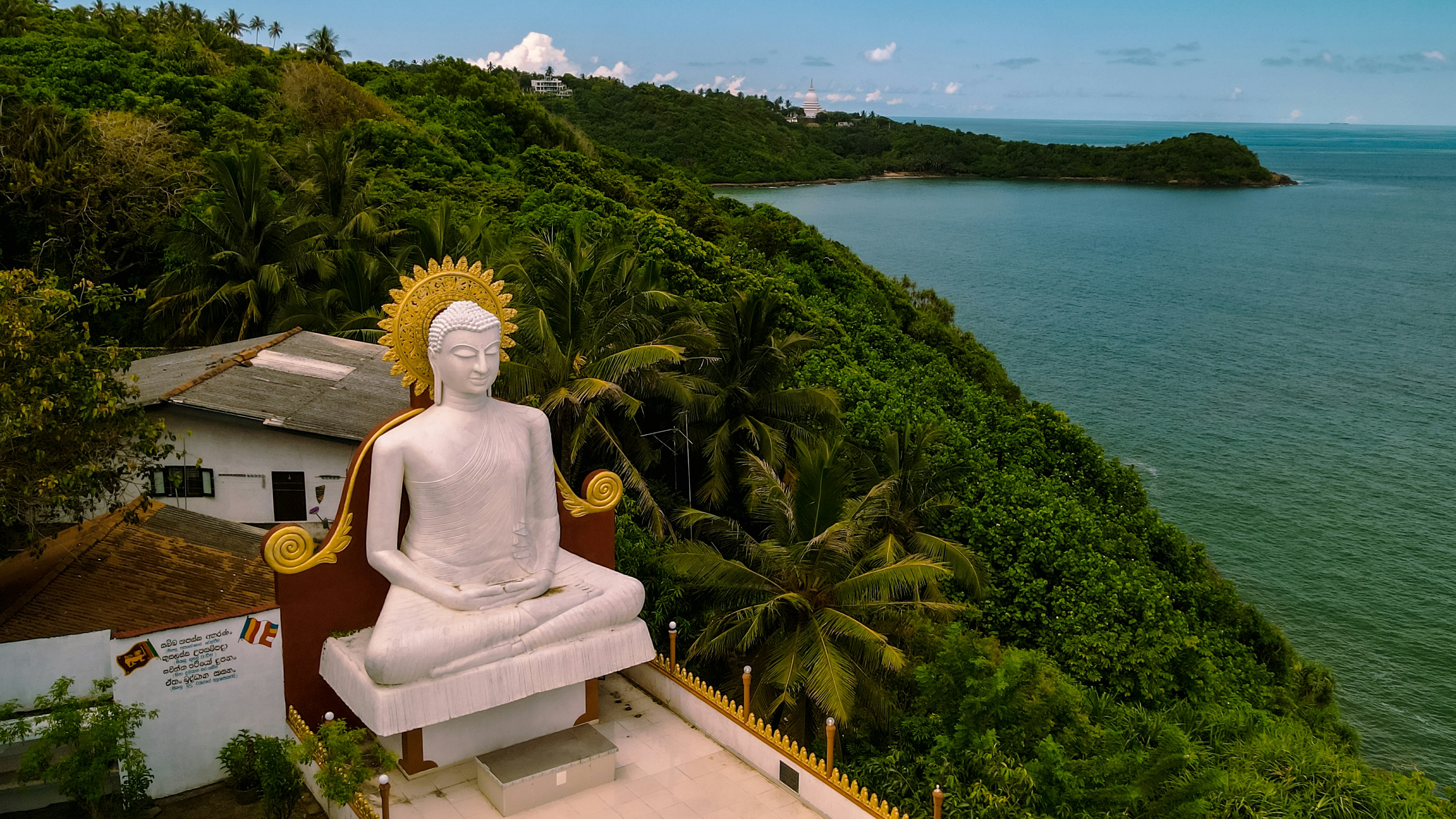
Sri Lanka Digital Nomad Visa Overview
The Sri Lanka Digital Nomad Visa (DNV) is a residence visa category introduced by the Sri Lankan government to attract foreign professionals who wish to live in Sri Lanka while working remotely for employers, clients, or businesses based outside the country
This visa allows eligible foreign nationals to legally reside in Sri Lanka for up to one year, with the option to renew annually, provided all eligibility, income, and compliance requirements continue to be met. The initiative is designed to position Sri Lanka as a long-stay destination for digital professionals while contributing to the national economy through extended residence, tourism spending, and knowledge exchange
The Digital Nomad Visa is issued by the Department of Immigration & Emigration of Sri Lanka and is intended exclusively for individuals whose income is earned from foreign sources. It establishes a clear legal framework for remote work without engaging in the local labor market.
Who Is It For?
According to the official policy, the Sri Lanka Digital Nomad Visa is available to:
Foreign nationals aged 18 years or older.
Remote employees working for companies based outside Sri Lanka.
Freelancers serving international clients.
Business owners whose companies are not registered in Sri Lanka.
Eligible spouses and dependents of the main applicant.
All applicants must meet the minimum monthly income remittance requirement of USD $2,000 set by the Sri Lankan government and provide supporting documentation as outlined by the Department of Immigration & Emigration.
What Does It Allow You to Do?
Holders of the Sri Lanka Digital Nomad Visa are entitled to the following benefits under official regulations:
Reside legally in Sri Lanka for 12 months, renewable annually.
Work remotely while serving clients or employers located outside Sri Lanka.
Open and maintain personal bank accounts in Sri Lanka.
Enter into property rental or lease agreements.
Enroll dependent children in international or private schools.
Access local telecommunications, internet, and utility services.
Participate in co-working spaces, ICT programs, and tourism-related events.
The visa does not permit local employment or income generation from Sri Lankan sources. All visa holders must comply with Sri Lankan immigration laws, tax obligations, and visa conditions throughout their stay.
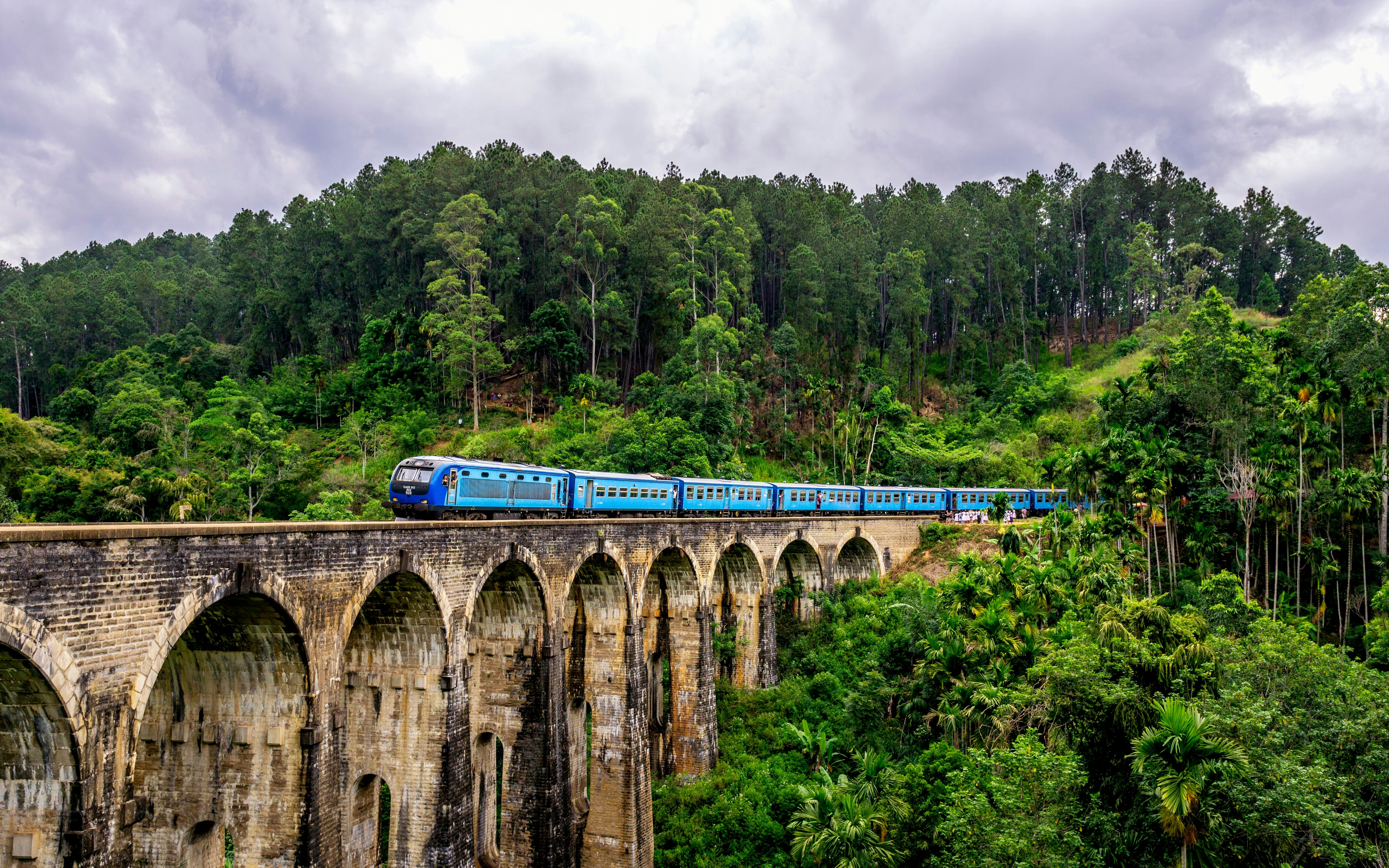
Visa Requirements for the Sri Lanka Digital Nomad Visa
To apply for the Sri Lanka Digital Nomad Visa, all applicants must submit a complete set of documents as defined by the Department of Immigration & Emigration. These requirements apply to the main applicant as well as any accompanying spouse or dependents, where relevant.
All applicants are required to provide the following documents:
A duly completed visa application form.
A formal request letter from the applicant.
A valid passport with at least six months' validity.
Two recent passport-sized photographs.
A completed security clearance form.
A medical clearance report.
A police clearance certificate from the applicant’s home country or country of residence (issued within the last three months)
Proof of international health insurance valid in Sri Lanka.
A recommendation letter from the Ministry of Digital Economy.
Proof of minimum monthly income remittance.
Marriage certificate (for spouse, if applicable)
Birth certificates (for dependents, if applicable)
All documents must meet the official standards set by Sri Lankan immigration authorities and may be subject to verification.
Proof of Financial Self-Sufficiency
Applicants must demonstrate sufficient and stable income earned from foreign sources only. According to official requirements:
The main applicant must remit a minimum of USD $2,000 per month.
If the number of dependents exceeds two, an additional USD $500 per month per dependent is required.
Proof of income must be submitted as part of the application and must clearly show that all earnings originate outside Sri Lanka.
Private Health Insurance
All applicants are required to hold international health insurance that:
Covers medical treatment in Sri Lanka.
Is valid for the entire duration of the intended stay.
Proof of insurance coverage must be submitted with the visa application and is mandatory for both the main applicant and any dependents
Travel insurance is not accepted; it must be long-term residency health insurance. You can find our recommendations for the best health insurance plans for digital nomads here.
Security, Medical, and Background Clearances
To comply with Sri Lankan immigration regulations, applicants must provide:
A medical clearance report.
A security clearance form.
A recent police clearance certificate (not older than three months)
Failure to meet these requirements may result in delays or rejection of the application.
How to Apply for the Sri Lanka Digital Nomad Visa – Step-by-Step Instructions
Applying for the Sri Lanka Digital Nomad Visa involves a structured review process handled by the Department of Immigration & Emigration—Residence Visa Division. Applicants must ensure all required documents are complete and accurate before submission to avoid delays or rejection.
Step 1: Prepare Your Application
Before submitting an application, applicants should ensure that all required forms are properly completed and that they meet the income, employment, and compliance criteria defined under the Digital Nomad Visa category. Any supporting documentation must be accurate, up to date, and consistent with the information provided in the application. Incomplete or incorrect submissions may result in delays or refusal.
Step 2: Submit the Application to the Department of Immigration & Emigration
Once the application is fully prepared, it must be submitted to the Department of Immigration & Emigration—Residence Visa Division. At this stage, the application enters the official processing system, where it is registered for review under the Digital Nomad Visa category. Applicants should be aware that submission does not guarantee approval and that all applications are assessed on a case-by-case basis.
Step 3: Application Review and Evaluation
After submission, immigration authorities evaluate the application to confirm eligibility, verify income and compliance requirements, and review security, medical, and background clearances. During this review period, applicants may be contacted by the Department of Immigration & Emigration if additional clarification or supporting information is required.
Step 4: Approval and Visa Issuance
If the application is approved, the Digital Nomad Visa will be officially issued and endorsed on the applicant’s passport. Once issued, the visa allows the applicant to legally reside in Sri Lanka under the Digital Nomad Visa category for a period of up to one year, subject to compliance with all visa conditions and regulations.
Stay Requirements for Sri Lanka
Holders of the Sri Lanka Digital Nomad Visa are permitted to reside in Sri Lanka for a period of up to 12 months under the initial visa issuance. The visa is renewable on an annual basis, provided the applicant continues to meet all eligibility criteria and complies with the conditions set by the Department of Immigration & Emigration.
To remain compliant during their stay, visa holders must continue to earn income exclusively from foreign sources and are strictly prohibited from engaging in any form of local employment or income-generating activities within Sri Lanka. All immigration laws, tax obligations, and legal requirements of Sri Lanka must be observed throughout the duration of the stay.
For visa extensions, applicants are required to submit the same core documentation used for the initial application, along with proof of tax registration with the Inland Revenue Department of Sri Lanka. Failure to meet renewal requirements or income thresholds may result in the denial of an extension or cancellation of the visa.
Visa holders are also required to notify the Department of Immigration & Emigration within 30 days of any changes related to employment status, income level, or dependents. Non-compliance with visa conditions, legal obligations, or reporting requirements may lead to immediate termination of the Digital Nomad Visa.
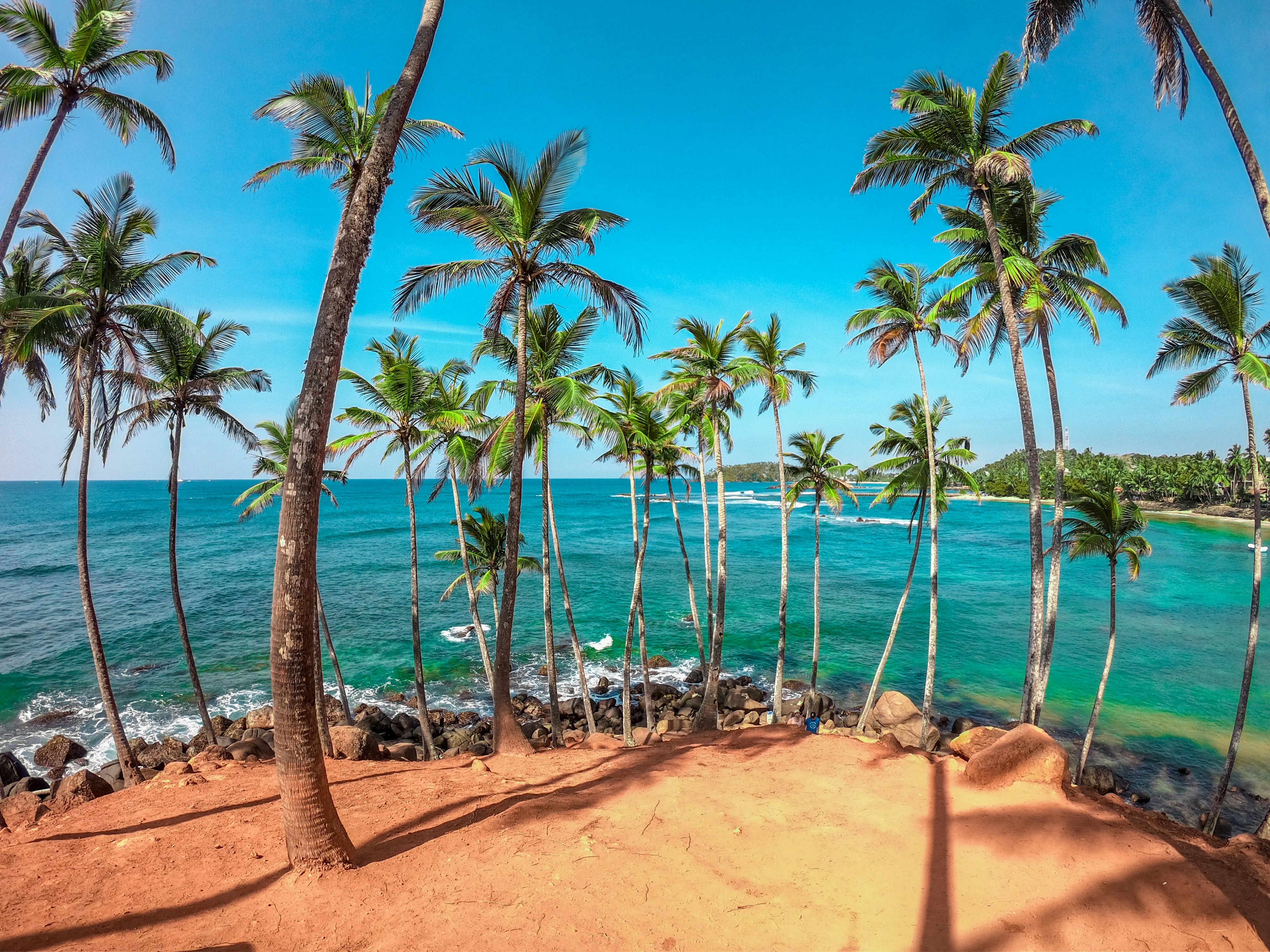
How Much Does the Sri Lanka Digital Nomad Visa Cost?
The Sri Lanka Digital Nomad Visa has a fixed annual fee structure set by the Department of Immigration & Emigration of Sri Lanka. Visa fees are charged per person and must be paid for each year of validity, including for any accompanying family members.
The official visa fees are as follows:
Main applicant: USD $500 per year
Spouse: USD $500 per year
Each dependent: USD $500 per year
These fees apply to both the initial visa issuance and each annual renewal. Visa fees are non-refundable, regardless of the outcome of the application, and are subject to change at the discretion of Sri Lankan immigration authorities.
In addition to the visa fee, applicants should be aware that there may be separate costs related to document preparation, medical examinations, police clearance certificates, health insurance coverage, and any other administrative requirements needed to meet official eligibility criteria. These additional costs are not included in the visa fee itself and vary depending on the applicant’s country of residence and personal circumstances.
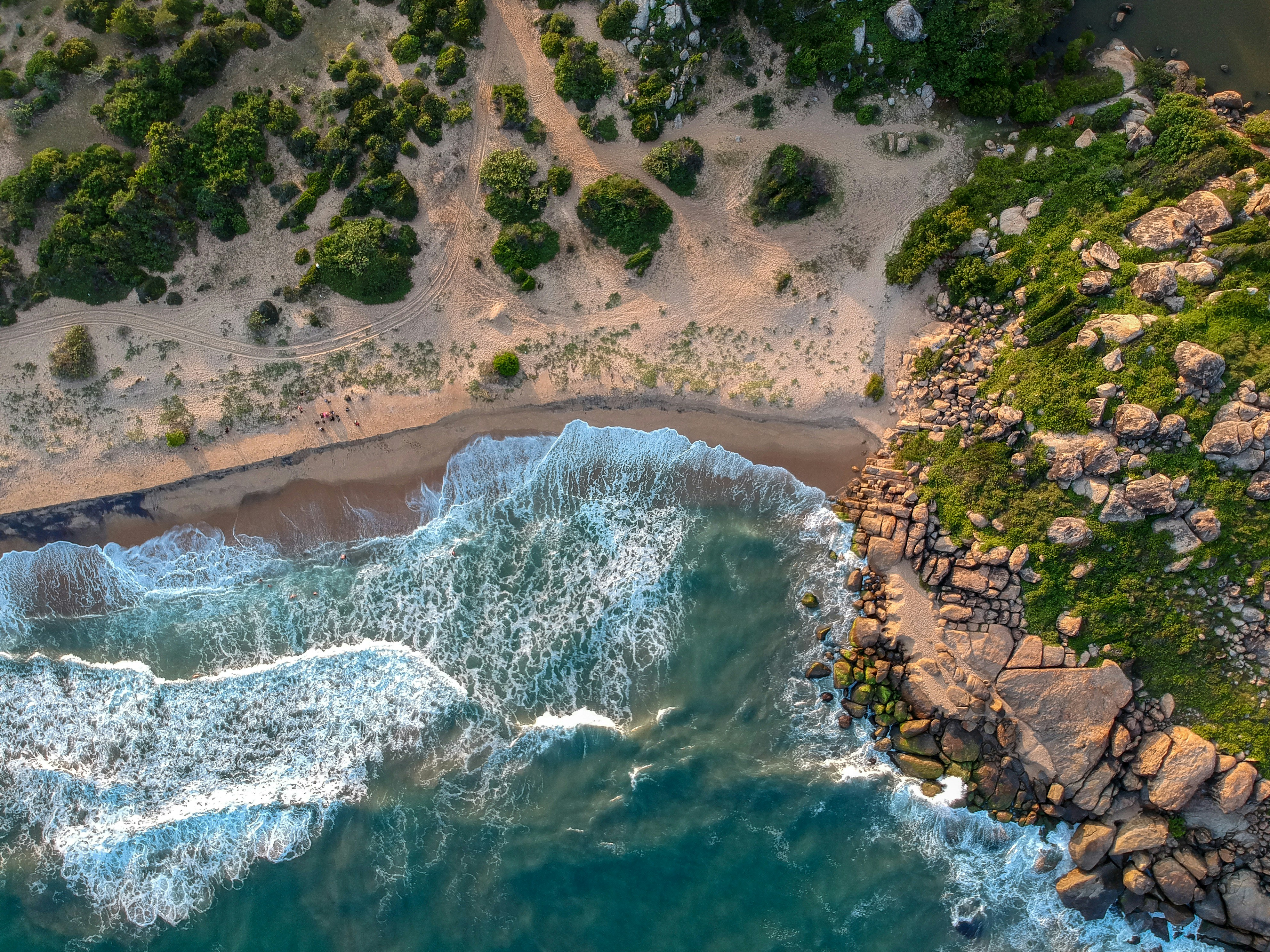
Taxes for People With a Sri Lanka Digital Nomad Visa
Holders of the Sri Lanka Digital Nomad Visa are required to comply with all applicable tax laws and regulations of Sri Lanka during their stay. While the Digital Nomad Visa permits remote work for foreign employers or clients, it does not exempt visa holders from tax or reporting obligations that may arise under Sri Lankan law.
As part of the visa extension and renewal process, applicants are required to provide proof of tax registration with the Inland Revenue Department of Sri Lanka. This requirement applies regardless of whether the applicant’s income is earned entirely from foreign sources and is a mandatory condition for renewing the visa beyond the initial validity period.
Visa holders are responsible for determining their personal tax obligations based on their individual circumstances, including length of stay, residency status, and applicable international tax agreements. Sri Lankan immigration authorities require full compliance with tax, legal, and regulatory requirements, and failure to meet these obligations may result in the refusal of a visa extension or cancellation of the Digital Nomad Visa.
For accurate and up-to-date tax guidance, applicants are advised to consult the Inland Revenue Department of Sri Lanka or a qualified tax professional familiar with Sri Lankan tax law.
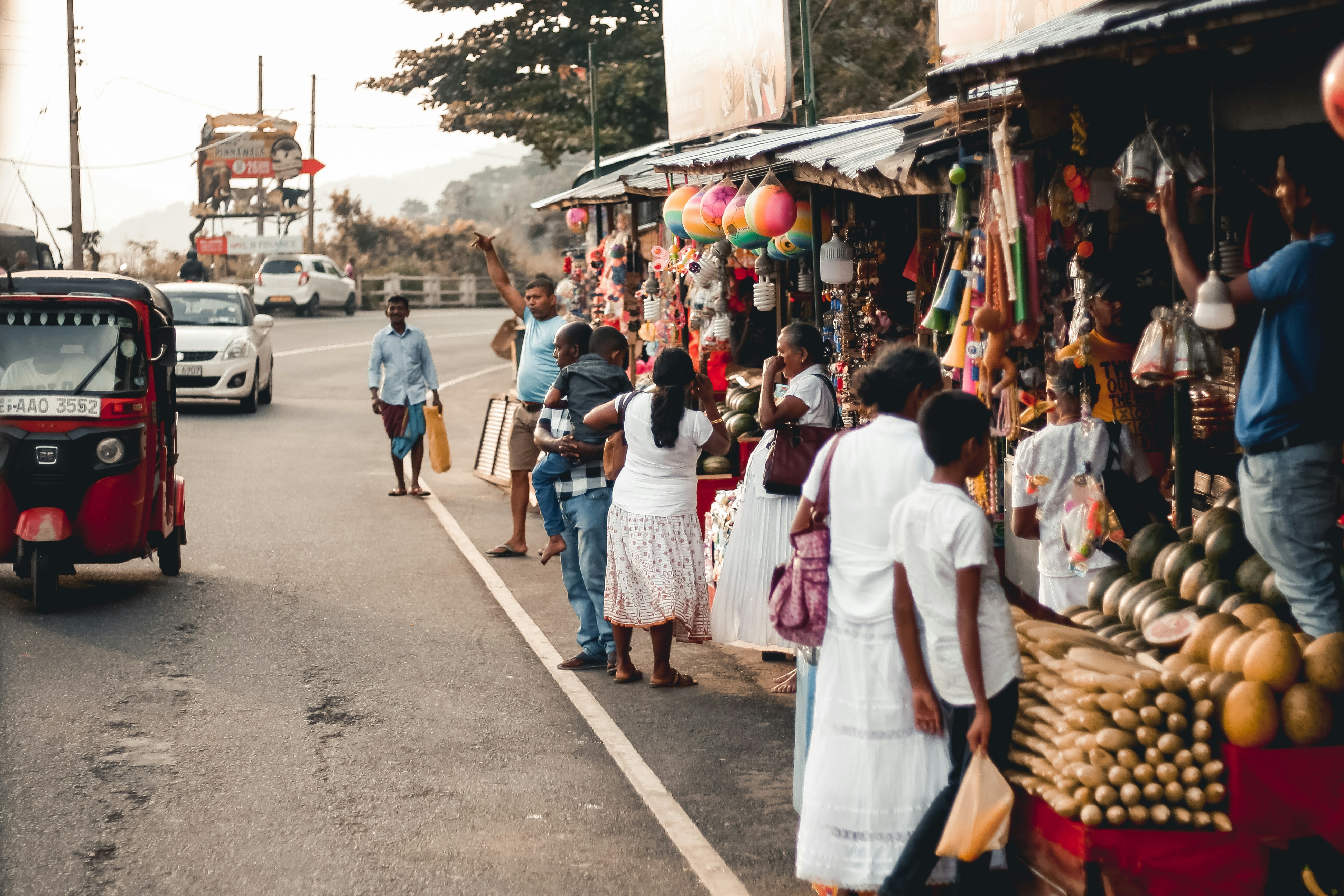
Living in Sri Lanka with the Digital Nomad Visa
Living in Sri Lanka with the Digital Nomad Visa allows remote workers to enjoy the island’s stunning natural beauty while legally working from abroad. From golden beaches and lush tea plantations to vibrant cities like Colombo, Sri Lanka offers a unique blend of adventure and tranquility for digital professionals. This visa enables an extended stay, giving nomads the chance to fully immerse themselves in local culture, cuisine, and traditions without worrying about overstaying or visa complications. The island’s welcoming communities and rich heritage make it an ideal environment for both productivity and personal growth.
Beyond work, Sri Lanka offers a lifestyle tailored to the needs of remote workers. Affordable living options, reliable internet, and an increasing number of coworking spaces make it easy to maintain a balanced work-life routine. Digital nomads can explore cultural festivals, outdoor activities like surfing and hiking, and networking opportunities with other remote professionals. With the Digital Nomad Visa, Sri Lanka becomes more than just a destination; it’s a place to live, work, and thrive while experiencing one of the world’s most beautiful tropical islands.
Best Cities to Live in Sri Lanka
Sri Lanka offers a diverse range of cities ideal for digital nomads, each with its own unique charm, lifestyle, and work-friendly amenities. Whether you prefer bustling urban centers, historic coastal towns, or serene hilltop retreats, there’s a city on the island that fits your remote work lifestyle.
Colombo
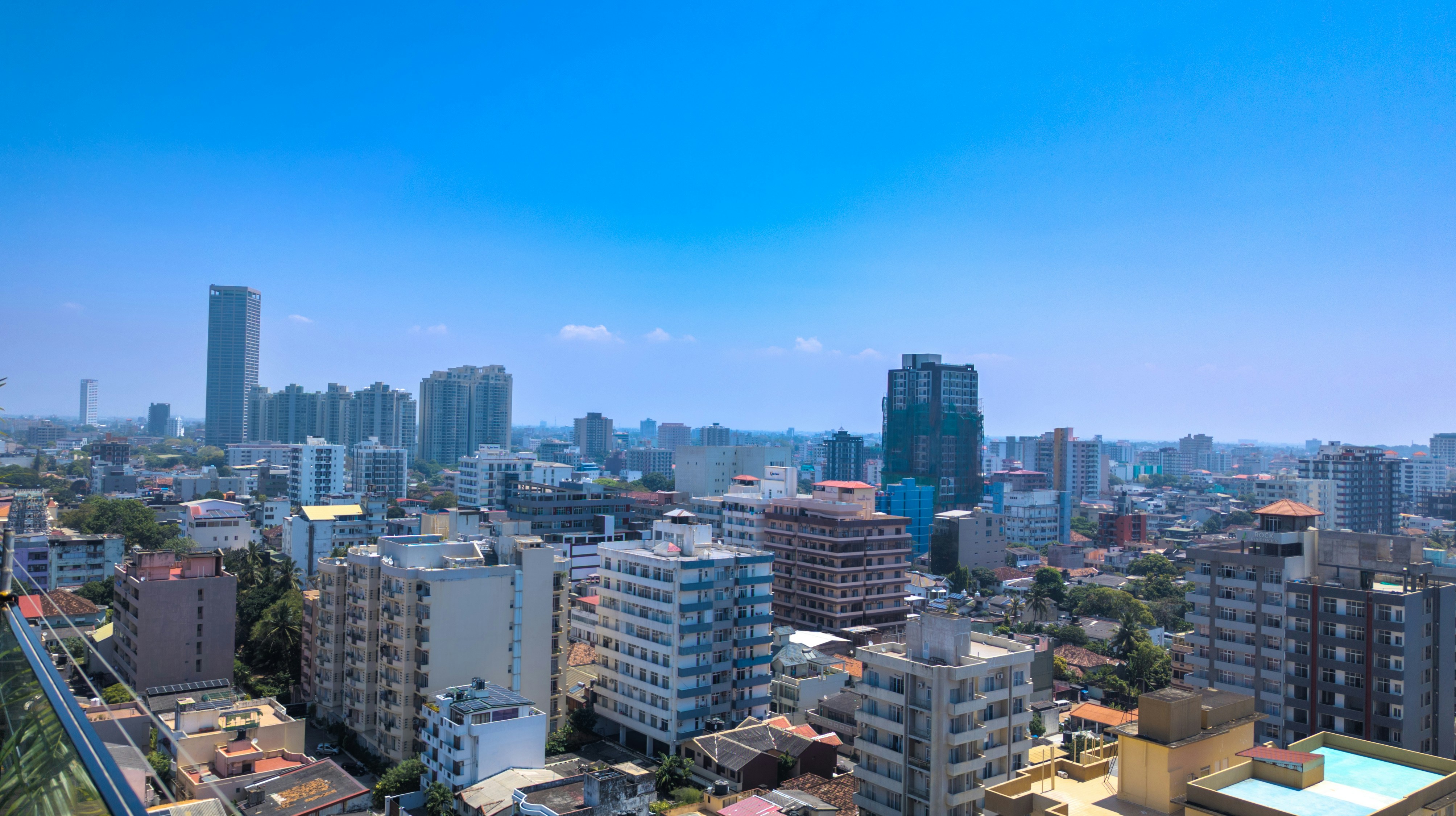
Colombo, Sri Lanka’s bustling capital, is a hub for digital nomads seeking a mix of modern amenities and cultural experiences. The city offers reliable internet, coworking spaces, and a growing community of remote professionals. Beyond work, Colombo is rich in history, with colonial architecture, lively markets, and a vibrant food scene. Its central location also makes it easy to explore nearby beaches, national parks, and other parts of the island on weekends, striking the perfect balance between productivity and adventure.
Galle
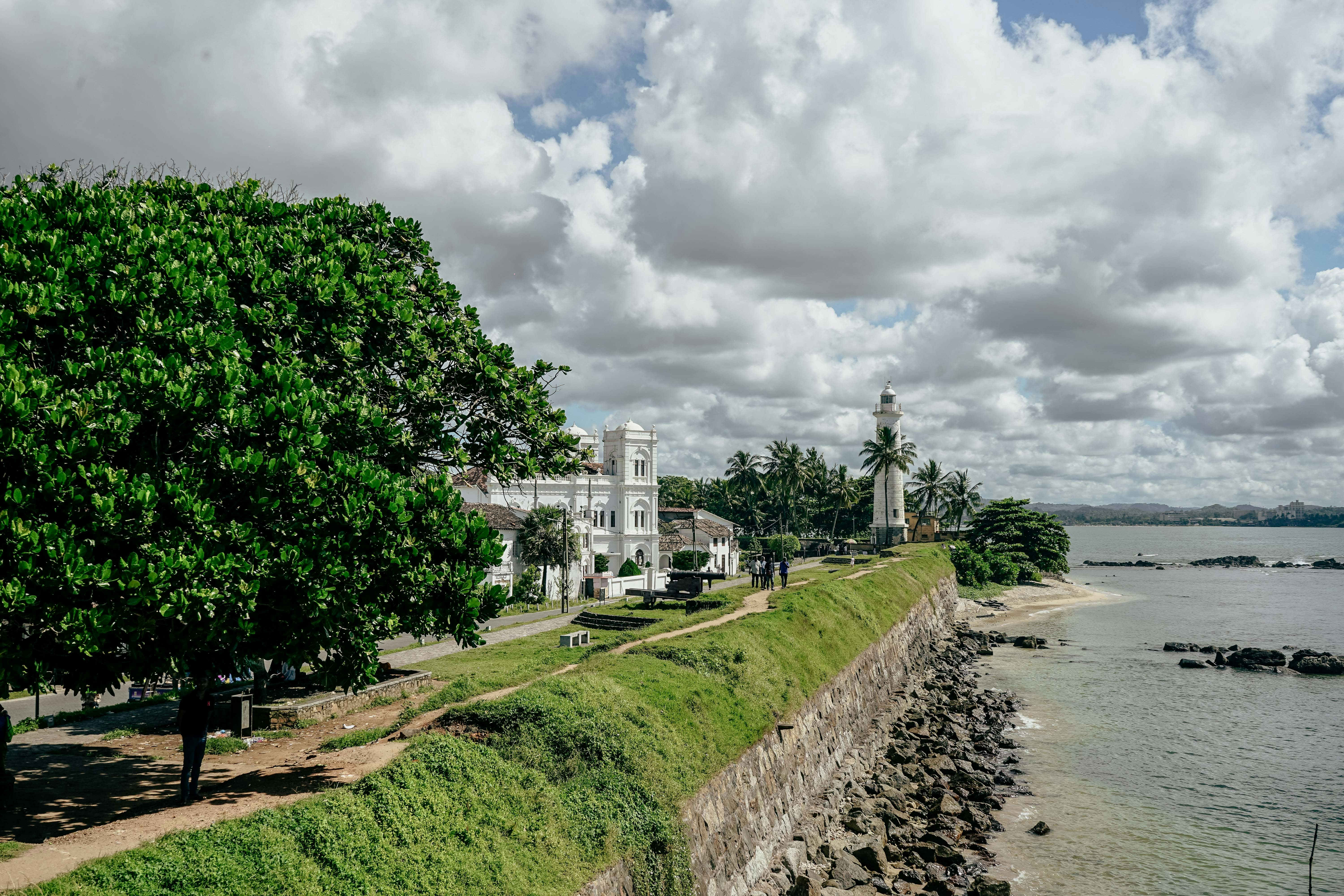
Galle, a coastal city known for its UNESCO-listed fort, combines historic charm with a relaxed seaside lifestyle. Ideal for digital nomads who want inspiration from scenic surroundings, Galle offers boutique cafés, beachfront coworking spots, and a slower pace of life compared to Colombo. The city’s colonial architecture, art galleries, and local markets make every day an experience, while the nearby beaches and surf spots provide the perfect way to unwind after work.
Kandy
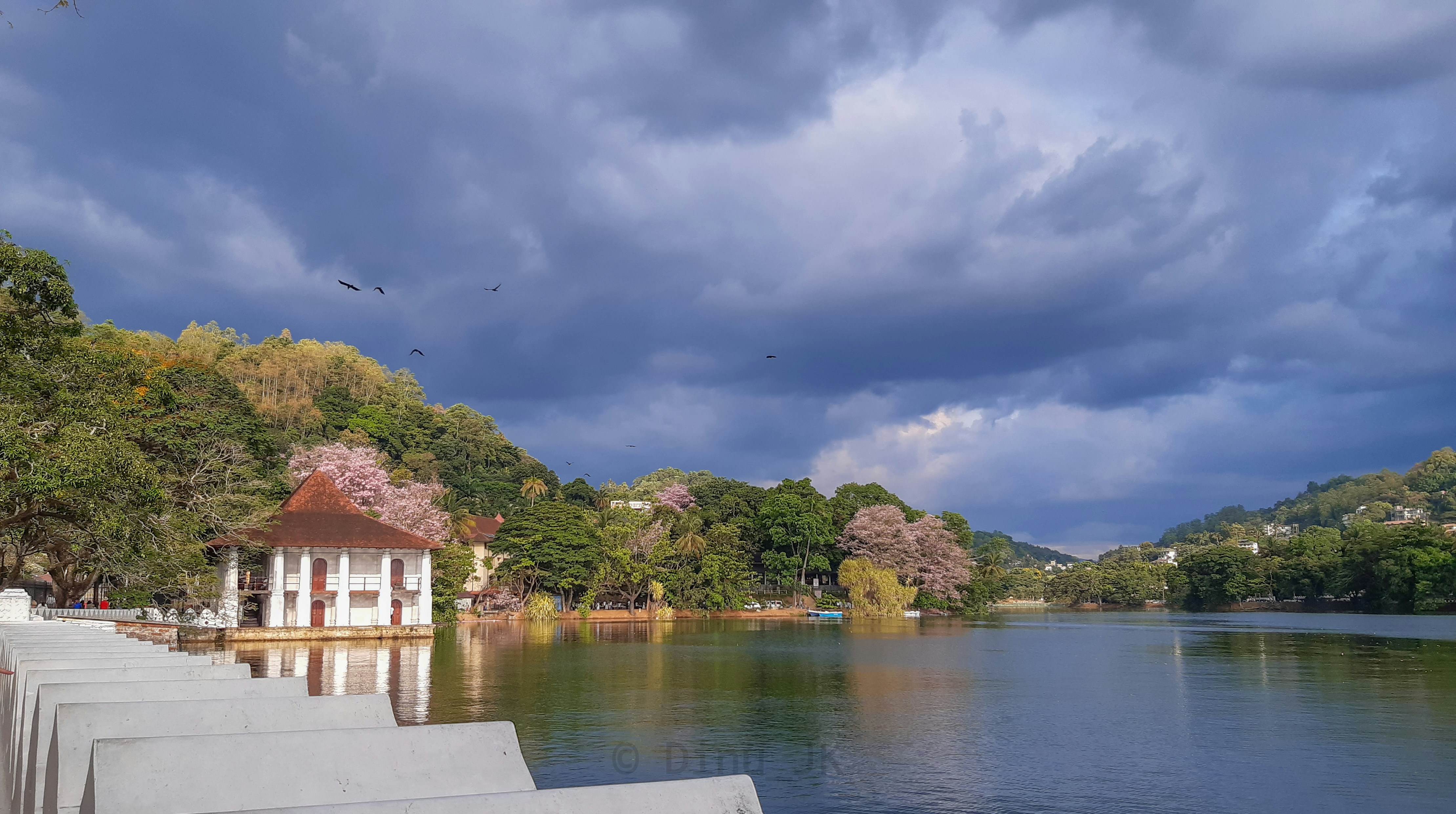
Kandy, nestled in the hills of central Sri Lanka, is perfect for nomads seeking a more tranquil, nature-oriented lifestyle. Surrounded by lush tea plantations and misty mountains, it offers a peaceful environment for focused work. Kandy is also culturally rich, home to the famous Temple of the Tooth and numerous local festivals. With a moderate cost of living and growing connectivity for remote workers, it’s an ideal city for those looking to combine productivity with a deep cultural experience.
Cost of Living
The official currency of Sri Lanka is the Sri Lankan Rupee (LKR). The exchange rate is approximately 1 USD ≈ 309.56 LK.
The average net monthly salary in Sri Lanka is around ₨ 66,890 LKR, which equates to approximately $216 USD per month
Here’s a rundown of what you should expect to pay in different cities:
Colombo
Rent (1 bedroom in city center) – ~$275–$383 per month
Rent (3 bedrooms outside city center) – ~$372 per month (average)
Basic Utilities – ~$55–$85 per month
Wi‑Fi – ~$14–$15 per month
Public Transport (one‑way) – ~$0.11–$0.18
Groceries (2 people) – ~$250–$350 per month (approximate)
Galle
Rent (1 bedroom in city center) – ~$209 per month
Rent (3 bedrooms outside city center) – ~$152 per month
Basic Utilities – ~$56 per month
Wi‑Fi – ~$10 per month
Public Transport (one‑way) – ~$0.17 fiction (approx local bus)
Groceries (2 people) – ~$200–$300 per month (approximate)
Kandy
Rent (1 bedroom in city center) – ~$160–$220 per month
Rent (3 bedrooms outside city center) – ~$170–$235 per month
Basic Utilities – ~$25–$40 per month
Wi‑Fi – ~$9–$18 per month
Public Transport (one‑way) – ~$0.17–$0.20
Groceries (2 people) – ~$180–$260 per month (approximate)
FAQs
What is the Sri Lanka Digital Nomad Visa?
The Sri Lanka Digital Nomad Visa is a special visa category designed for remote workers and freelancers who want to live and work in Sri Lanka legally for an extended period. It allows digital nomads to reside in the country without taking local employment, providing a stable legal framework for remote work.
Who is eligible for the Digital Nomad Visa in Sri Lanka?
Eligibility generally requires applicants to work remotely for non-Sri Lankan companies or clients, meet minimum income requirements, and provide proof of health insurance. Applicants must also have a valid passport and may need to show background checks or references.
How long is the Digital Nomad Visa valid?
The visa is typically granted for 6–12 months, depending on the official guidelines, with potential options for renewal. Holders can legally stay in Sri Lanka for the duration of their visa while continuing remote work for foreign clients.
Can family members accompany a digital nomad in Sri Lanka?
Yes, in most cases, the visa allows for dependent family members, such as a spouse and children, to join the primary visa holder. Specific requirements and documentation must be submitted for each dependent when applying.
What are the main benefits of the Sri Lanka Digital Nomad Visa?
Benefits include legal residency while working remotely, access to coworking spaces and local amenities, and the opportunity to experience Sri Lanka’s culture, beaches, and natural beauty. It’s an ideal way for remote workers to combine productivity with adventure.
Author
)
Nadia Dardón is a content creator from Guatemala. She has worked fully remotely for the past six years as a copywriter, editor, and content creator, working for different industries. She started her digital nomad journey in 2022 and currently lives as an expat in Spain.


