
Serbia Student Visa
)
Nadia Dardón
Immigration Content Writer
Last update
)

Serbia Rating from Citizen Remote
Overall  3.4
3.4

Internet Infrastructure 4.0
Country Stability 4.0
Cost of Living 3.0
Ease of Obtaining Visa 3.0
Taxes 3.0
Quick Visa Facts

Visa length Up to one year

Possible to extend? Yes, through a temporary residence permit.

Who can apply? Non-Serbian citizens accepted into a recognized educational program.

Minimum Income Requirements Around €500–€600 per month.

Time for visa applications Usually 15–30 days.
Want to know if you can apply?
Complete a visa quiz and see if you qualify!
Studying in Serbia is becoming an increasingly popular choice for international students, and it’s easy to see why. With reputable universities, affordable tuition, and a rich cultural scene right at the crossroads of Europe, Serbia offers a compelling academic experience for students from around the world.
If you’re planning to study, attend language courses, or take part in an educational program in Serbia for more than a short stay, understanding the Serbian student Visa process is essential. Visa rules can feel overwhelming at first, especially when requirements vary depending on your nationality and length of stay. That’s where this guide comes in.
In this article, we break down everything you need to know about the Serbian Student Visa, using only official Serbian government sources to ensure the information is accurate, up to date, and reliable. From visa types and eligibility to application steps and what happens after you arrive, this guide is designed to help you prepare with confidence and avoid unnecessary surprises along the way.
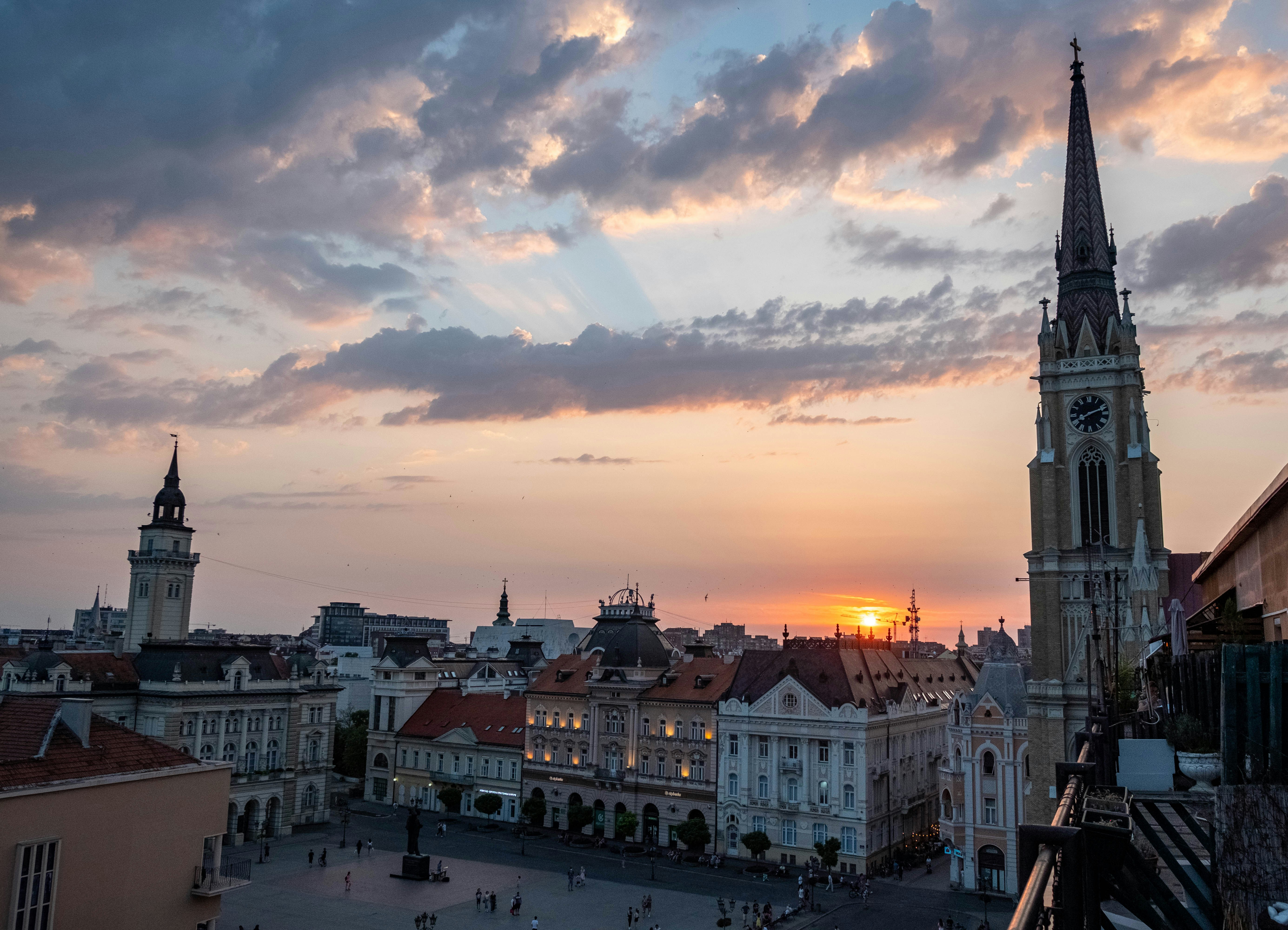
Serbia Student Visa Overview
The Serbian Student Visa is a long-stay visa designed for foreign nationals who plan to enter Serbia for educational purposes and remain in the country for more than 90 days. This visa falls under Serbia’s long-stay (D) visa framework, which was formally introduced as part of Serbia’s updated immigration and foreigner regulations to align entry rules with longer-term stays, including studies, work, and family reunification.
In practice, the Student Visa serves as the legal entry pathway for international students who intend to continue their stay in Serbia by applying for a temporary residence permit for education after arrival. Without this visa, most non-EU and non-visa-exempt students would not be able to lawfully begin their studies in Serbia.
The Serbian Student Visa applies to a wide range of educational activities, including university degree programs, academic exchanges, language courses, and other recognized forms of education or training hosted by accredited Serbian institutions.
Who Is It For?
The Serbian Student Visa is intended for non-Serbian citizens who:
Have been accepted into a recognized educational institution in Serbia.
Plan to study, attend language courses, or participate in an academic or educational program.
Intend to stay in Serbia longer than 90 days.
Are not eligible to complete their studies under visa-free entry rules alone.
This visa is most commonly used by international students enrolled in bachelor’s, master’s, or doctoral programs, as well as participants in exchange programs, preparatory courses, or long-term language studies.
What Does It Allow You to Do?
With a Serbian Student Visa, you are allowed to:
Enter Serbia legally for educational purposes.
Stay in the country beyond the standard 90-day short-stay limit.
Apply for a temporary residence permit based on education after arrival.
Reside in Serbia for the duration of your approved study program.
Travel within Serbia while maintaining lawful student status.
It’s important to note that the Student Visa itself is primarily an entry visa, and long-term stay is regulated through the temporary residence permit that follows. The visa does not automatically grant the right to work, and any employment permissions depend on separate regulations and approvals.
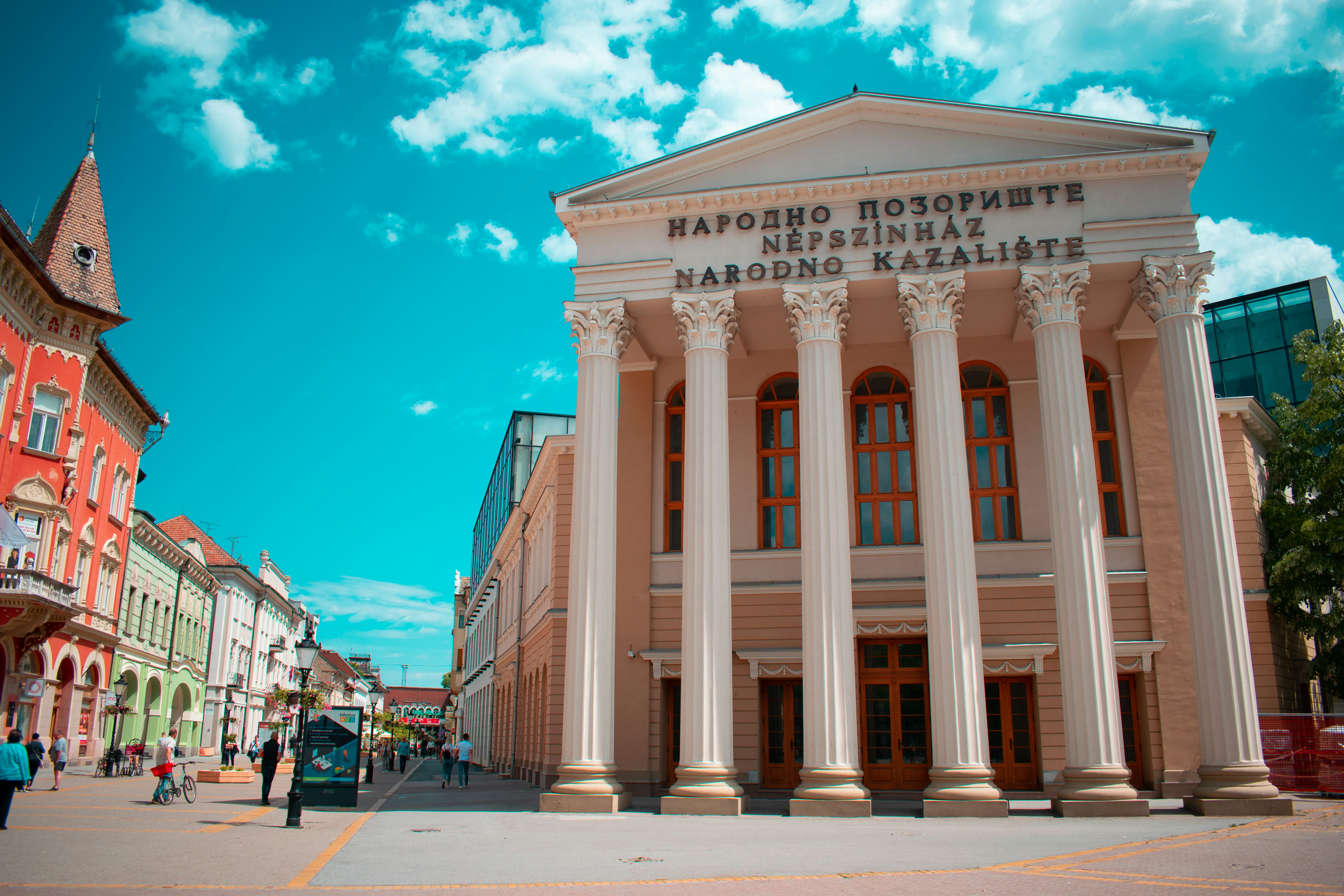
Serbia Student Visa Requirements
To apply for a Serbian Student Visa (long-stay D visa), you must submit a set of standard documents along with several education-specific requirements. While exact requirements may vary slightly depending on the Serbian embassy or consulate handling your application, the documents below form the official baseline for student visa applications.
Most applicants will need to prepare the following:
A completed Serbia visa application form.
A valid passport, issued within the last 10 years and valid for at least 90 days beyond your intended stay.
Passport-sized photographs that meet official visa photo requirements.
Proof of purpose of stay, confirming your enrollment or acceptance into an educational institution in Serbia.
Proof of accommodation in Serbia (student housing confirmation, rental agreement, or host statement)
Travel itinerary or explanation of your intended entry into Serbia.
Visa fee payment confirmation, as required by the competent authority.
All documents must generally be submitted in the required format, and some may need to be translated or legalized depending on your country of residence.
Proof of Acceptance or Enrollment
You must provide official confirmation from a recognized Serbian educational institution, such as:
A university admission letter.
Enrollment confirmation.
Proof of participation in an exchange program, language course, or educational training.
This document must clearly state the nature of the studies, the duration of the program, and the institution hosting you in Serbia.
Proof of Financial Self-Sufficiency
Applicants must prove they have sufficient financial means to support themselves during their stay in Serbia without relying on public funds.
In practice, Serbian authorities generally assess financial sufficiency based on a minimum subsistence amount, which is commonly applied as approximately €50 per day of stay. For students, this is usually interpreted as around €500–€600 per month, depending on the length of the study program and the discretion of the embassy or consulate.
Acceptable proof may include:
Recent personal bank statements that show sufficient available funds.
Scholarship or grant confirmation, stating the amount and duration of funding.
A formal sponsorship or financial guarantee, where permitted.
The financial evidence should clearly demonstrate that you can cover living expenses, accommodation, health insurance, and basic costs for the duration of your stay in Serbia.
Private Health Insurance
You are required to submit proof of valid health insurance covering the entire period of your intended stay in Serbia. The insurance must:
Be valid in Serbia.
Cover medical treatment and emergencies.
Meet minimum coverage requirements set by Serbian authorities.
Health insurance is mandatory both for the visa application and later when applying for a temporary residence permit.
Proof of Accommodation in Serbia
Applicants must show where they will live while studying in Serbia. Acceptable documents may include:
Student dormitory confirmation.
Rental contract.
Written statement from a host or educational institution.
This document helps authorities verify that you have secured housing for your stay.
How to Apply for the Serbia Student Visa – Step-by-Step Instructions
Applying for the Serbian Student Visa (long-stay D visa) involves preparing your documents in advance and submitting your application through the appropriate Serbian authorities. Below is a step-by-step overview of the standard application process used by Serbian embassies and consulates.
Step 1: Obtain Official Acceptance From a Serbian Educational Institution
Before submitting a visa application, you must first secure official acceptance from a recognized educational institution in Serbia. This confirmation establishes the purpose of your stay and must clearly indicate that you will be entering the country for educational reasons. Without this documentation, a student visa application cannot be processed.
Step 2: Complete the Visa Application Form
Once you have your acceptance letter, you can proceed with the visa application itself. The application form must be completed accurately and truthfully, as inconsistencies between the form and your supporting documents may lead to delays or refusal. Some applicants may be required to complete the form online, while others submit it directly through the embassy or consulate responsible for their place of residence.
Step 3: Submit Your Application Through the Appropriate Channel
Serbia allows student visa applications to be submitted either through the official visa application system or directly at a Serbian diplomatic mission abroad. The method depends on your location and the procedures followed by the specific embassy or consulate. In many cases, applicants are required to schedule an appointment before submission, and applications must usually be filed in person.
Step 4: Pay the Applicable Visa Fee
After submitting your application, you will need to pay the required visa processing fee. The fee amount can vary depending on nationality and the location where the application is submitted. Proof of payment is generally required before your application can move forward in the review process.
Step 5: Attend an Interview or Provide Additional Information if Requested
In some cases, Serbian authorities may request an interview or ask for additional clarification regarding your studies, financial situation, or planned stay in Serbia. This step is not mandatory for all applicants, but when required, it forms part of the standard assessment process to confirm eligibility and intent.
Step 6: Wait for a Decision on Your Application
Once your application is under review, processing times can vary depending on the volume of applications and the specific embassy or consulate. During this period, authorities may contact you if further documentation or information is needed. When a decision is made, you will be informed about how and when to collect your passport.
Step 7: Enter Serbia and Apply for Temporary Residence
After entering Serbia with a Student Visa, students who plan to stay longer than the visa validity period must apply for a temporary residence permit based on education. This application is submitted within Serbia and is essential for legally residing in the country for the duration of your studies.
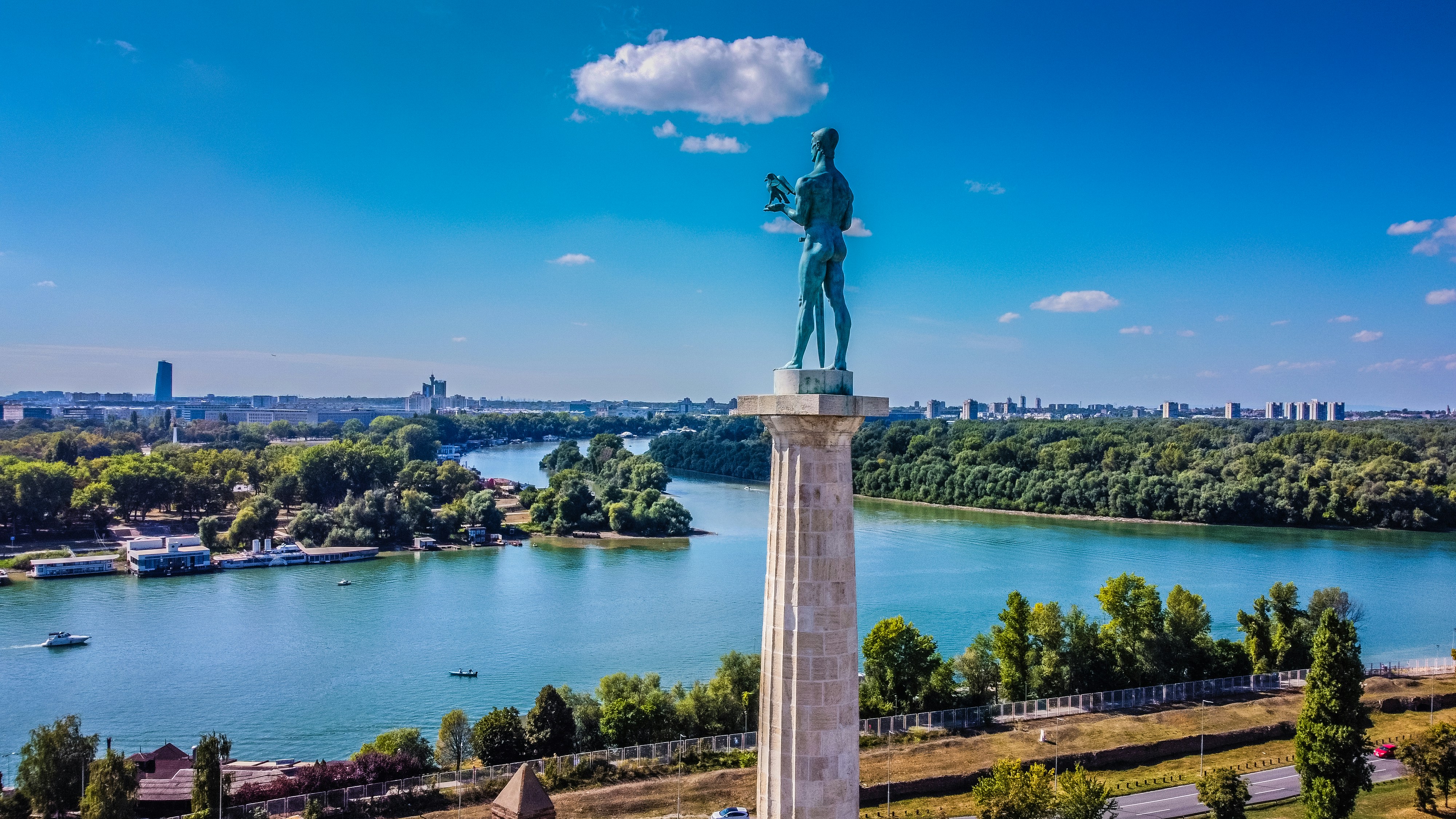
Stay Requirements for Serbia Student Visa Holders
Once you enter Serbia on a Student Visa, you are expected to comply with specific stay and registration requirements throughout your time in the country. These obligations are designed to ensure that foreign students remain legally registered and maintain lawful residence status for the duration of their studies.
All foreign nationals must register their address with the Serbian authorities shortly after arrival. This registration is typically handled automatically if you stay in a hotel, student dormitory, or other registered accommodation. Students staying in private housing must ensure their address is registered through the local police station or by their landlord, as failure to do so can result in fines or complications with future residence applications.
Students who intend to remain in Serbia beyond the initial validity of their visa are required to apply for a temporary residence permit based on education. This application must be submitted within Serbia and before the visa or lawful stay period expires. Approval of temporary residence allows students to legally reside in Serbia for the duration of their academic program, provided they continue to meet enrollment and financial requirements.
During your stay, you must remain enrolled in the educational program that formed the basis of your visa application. Any significant changes, such as discontinuing studies or transferring institutions, may affect your legal status and must be reported to the competent authorities. Maintaining valid health insurance and sufficient financial means is also required for the entire duration of your stay.
Serbian student status does not automatically grant the right to work, and any employment or paid activity is subject to separate regulations and authorization. Students are expected to comply with all Serbian laws and immigration rules, as violations may lead to fines, residence permit cancellation, or difficulties with future visa applications.
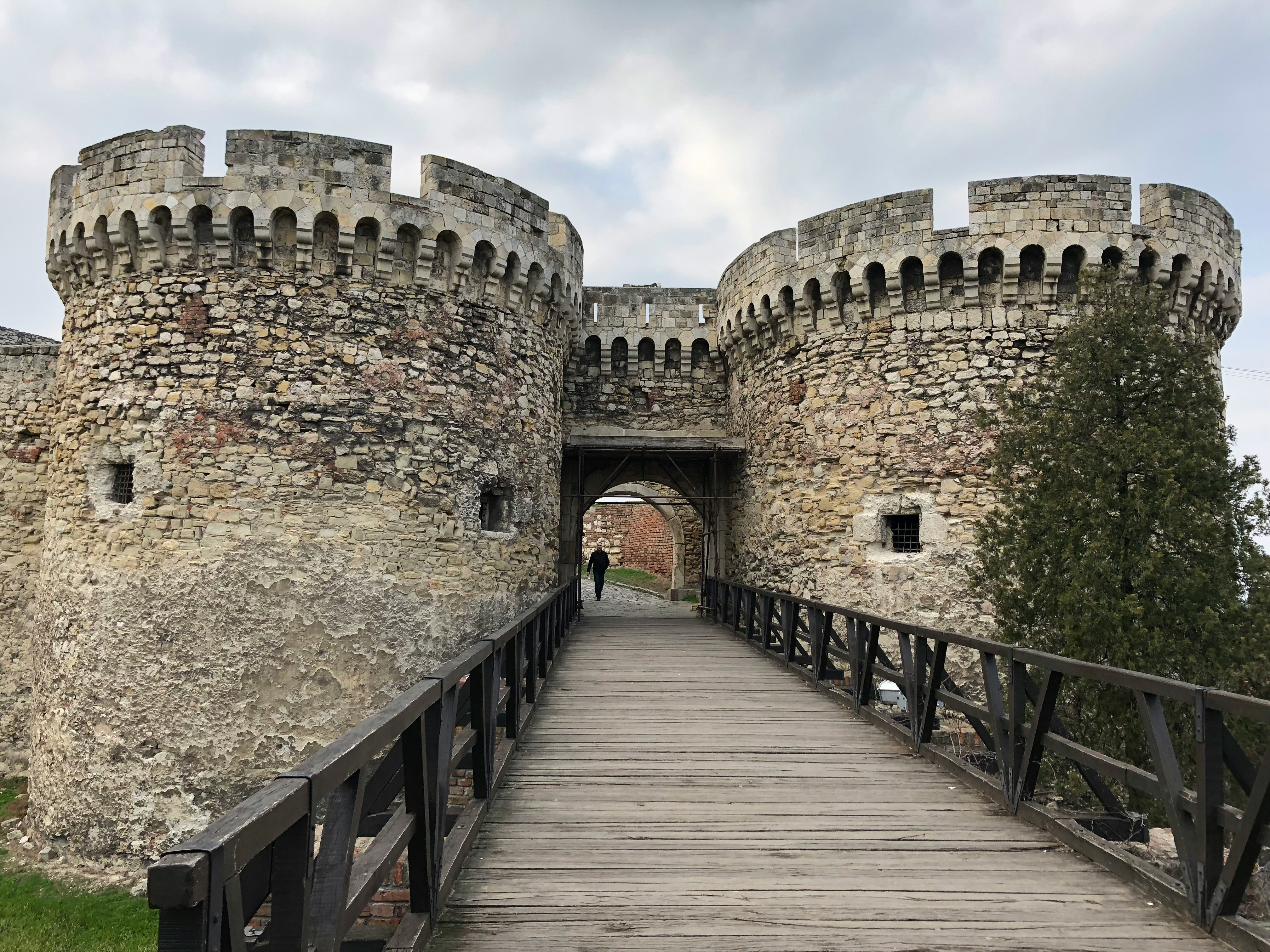
How Much Does the Serbia Student Visa Cost?
The cost of the Serbian Student Visa (long-stay D visa) is not fixed globally and can vary depending on your nationality and the Serbian embassy or consulate processing your application. In most cases, applicants can expect the visa fee to fall within a general range of approximately €60 to €100. The exact amount is determined by the competent diplomatic mission and is usually payable at the time of application submission.
In addition to the visa fee itself, students should budget for related administrative costs connected to their stay in Serbia. These commonly include the fee for applying for a temporary residence permit after arrival, which is typically in the range of €100 to €150, depending on the length of residence requested and local administrative charges. Additional costs may also arise for document translations, notarizations, health insurance, and administrative certificates required during the process.
Because visa and residence fees are subject to change and may differ by location, applicants are strongly advised to confirm the exact and current fees with the Serbian embassy or consulate responsible for their application before submitting their documents.
This section pairs well with a follow-up on Visa Processing Times or Visa Validity and Duration, both of which address common cost-related planning concerns for students.
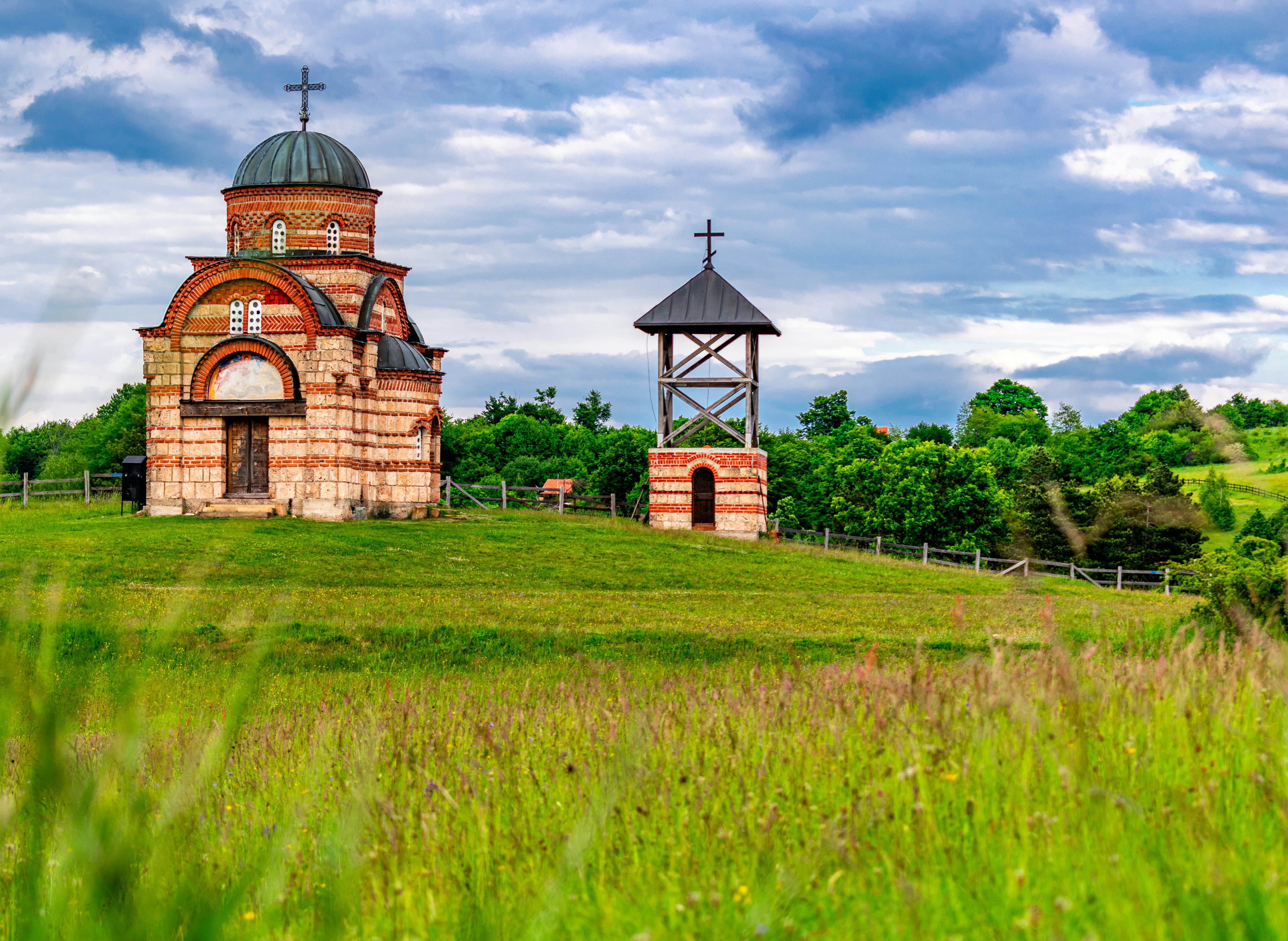
Taxes for People With a Serbia Student Visa
Holding a Serbian Student Visa does not automatically make you a tax resident in Serbia. Tax obligations depend on factors such as length of stay, source of income, and whether you engage in any paid activity while living in the country.
In general, a person may be considered a tax resident if they spend 183 days or more within a 12-month period in Serbia, or if Serbia is considered their center of vital or economic interests. Many long-term students with a temporary residence permit may fall into this category, even if they are not working.
Students who do not earn income in Serbia typically have no tax filing obligations. Scholarships, grants, or funds received from abroad to cover educational costs are generally not taxable, as long as they are not linked to employment or services performed in Serbia.
If a student engages in paid work, freelance activity, or any form of income-generating activity, Serbian personal income tax may apply. Key points to consider include:
Income earned in Serbia is generally subject to local taxation, regardless of your nationality.
Paid work as a student is only allowed with separate authorization; working without permission can lead to fines or legal issues.
Double taxation agreements between Serbia and your home country may prevent the same income from being taxed twice or define which country has the right to tax specific income types.
Because tax status depends on your individual circumstances, students planning to work or remain in Serbia long-term are strongly advised to consult a qualified tax advisor or contact the Serbian Tax Administration for guidance.
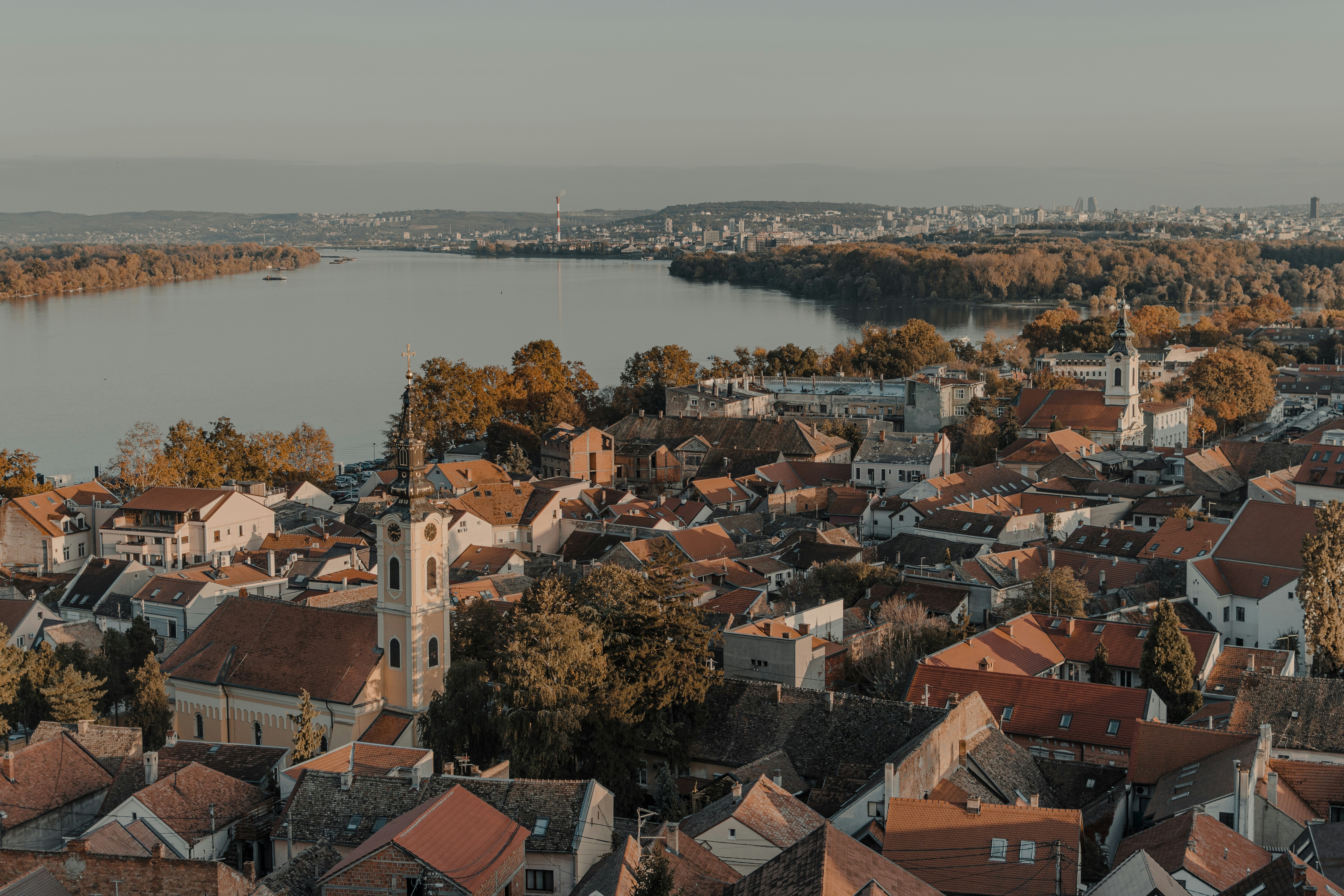
Living in Serbia with a Student Visa
Living in Serbia as a student offers a unique opportunity to immerse yourself in the country’s rich culture, vibrant cities, and welcoming communities. With a Serbian Student Visa, you are legally allowed to reside in the country for the duration of your studies, giving you the freedom to explore local traditions, cuisine, and social life while focusing on your education. Many students choose to live in university dormitories, shared apartments, or private rentals, each providing different levels of convenience, privacy, and access to city amenities. Major cities such as Belgrade, Novi Sad, and Niš offer a mix of historical charm, modern facilities, and lively student communities, making it easy to adapt and feel at home.
Day-to-day life in Serbia as a student also involves practical considerations, such as budgeting for accommodation, food, transportation, and leisure. While the cost of living is generally lower than in many Western European countries, careful planning is essential to ensure financial stability throughout your stay. Having a valid Student Visa and maintaining enrollment in your educational program also means you can access essential services, including healthcare coverage, banking, and transportation, without any legal complications. Beyond academics, living in Serbia on a student visa provides an enriching experience where you can build lasting friendships, gain independence, and develop a deeper understanding of a unique European culture.
Best Cities to Live in Serbia as a Student
Serbia offers a variety of cities that are ideal for students, combining quality educational institutions with vibrant cultural life and affordable living. Each city has its own unique atmosphere, opportunities, and lifestyle, making it important to consider your personal preferences when choosing where to study and live.
Belgrade
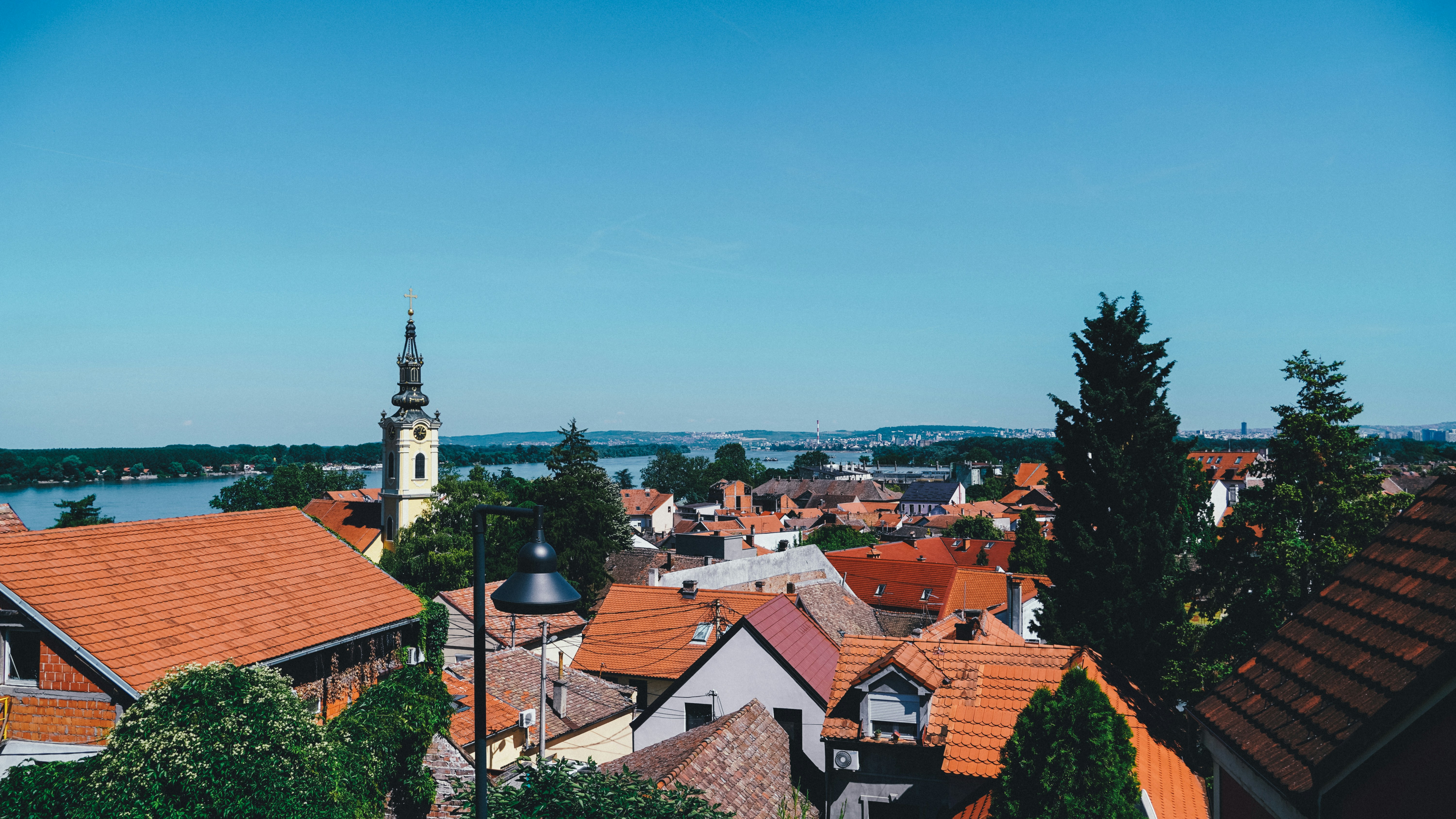
As the capital and largest city of Serbia, Belgrade is a bustling hub of education, culture, and nightlife. Home to the University of Belgrade, one of the oldest and most prestigious universities in the region, the city offers a wide range of academic programs and research opportunities. Belgrade is known for its lively student scene, historic architecture, cafes, and entertainment options, making it ideal for students who enjoy an active urban lifestyle. Living costs are relatively moderate compared to Western Europe, and public transportation is efficient, allowing easy access to universities and cultural sites.
Novi Sad
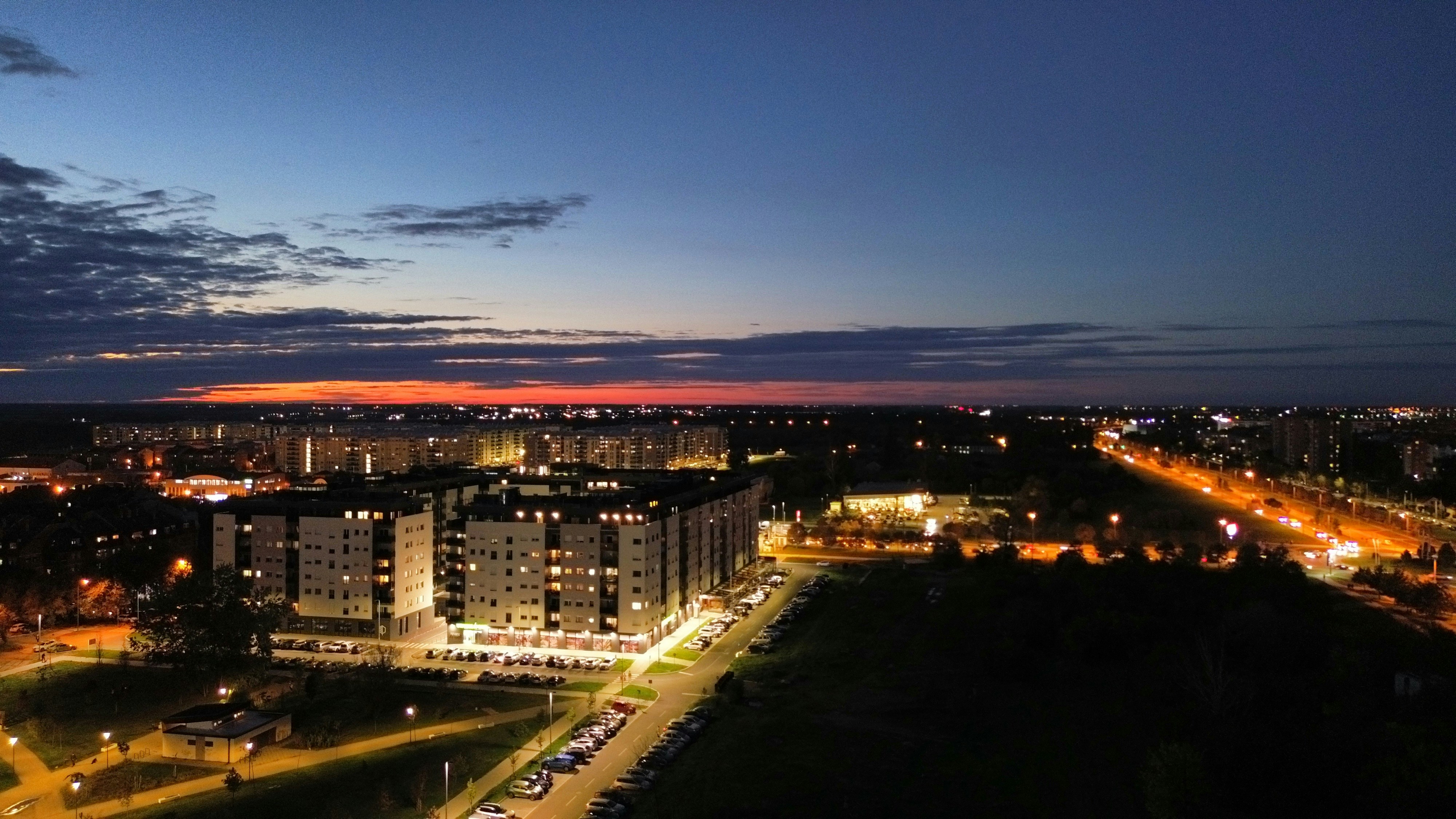
Novi Sad, Serbia’s second-largest city, is famous for its relaxed atmosphere and rich cultural heritage. It hosts the University of Novi Sad and is known for its vibrant arts scene, including the annual EXIT music festival, which attracts students and young people from around the world. The city combines modern amenities with charming historic districts, green spaces, and riverside activities along the Danube. Novi Sad is often praised for its student-friendly environment, affordable housing, and balance between academic life and leisure.
Niš
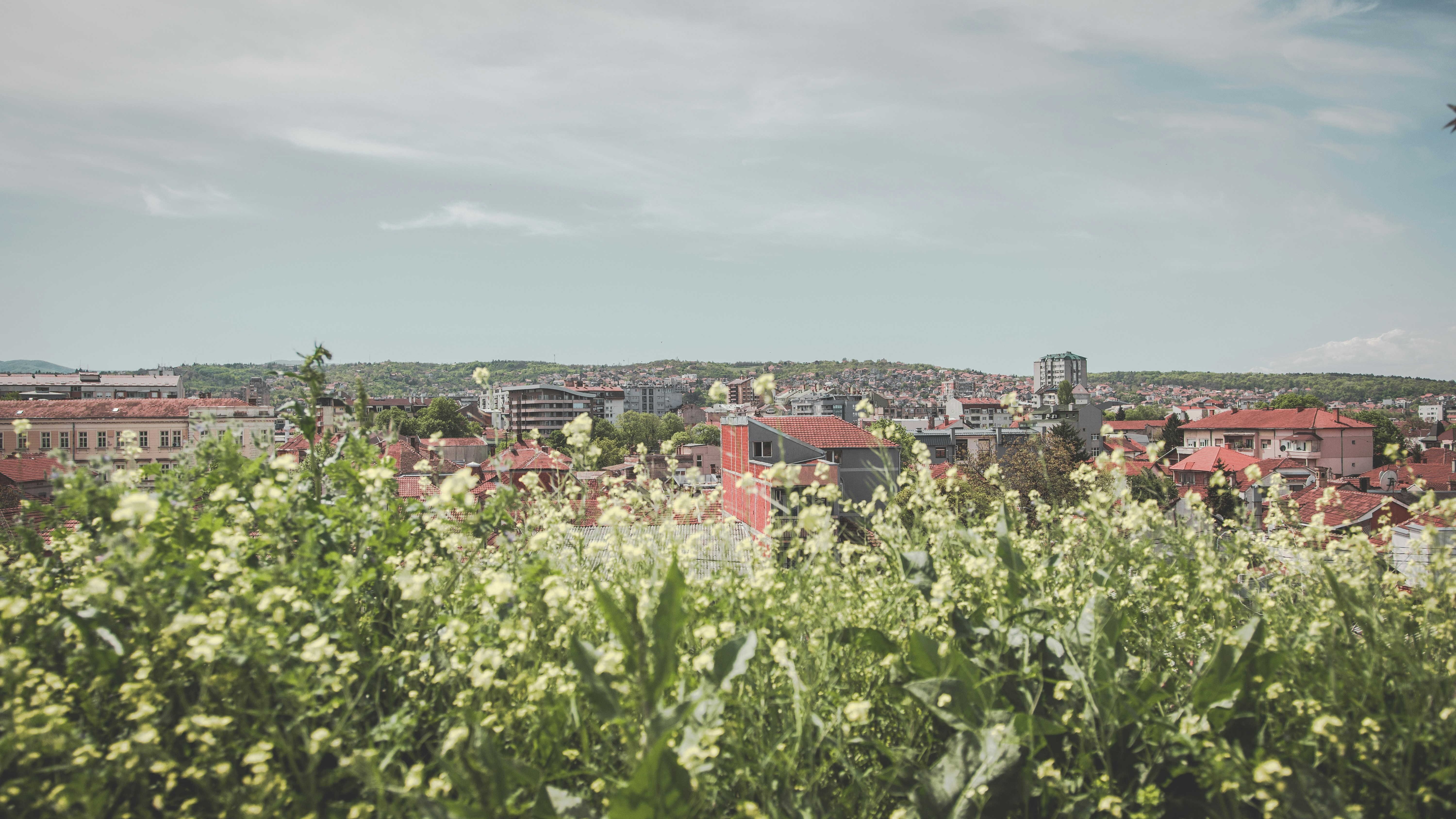
Niš is one of Serbia’s oldest cities and has a growing reputation as a student-friendly destination. Home to the University of Niš, the city offers a more laid-back and affordable lifestyle compared to Belgrade and Novi Sad, while still providing access to cultural events, cafes, and local markets. Niš combines historical landmarks, such as Niš Fortress, with modern university facilities, making it an attractive option for students who prefer a smaller city with lower living costs but plenty of opportunities for social and academic engagement.
Cost of Living
The official currency of Serbia is the Serbian dinar (RSD). 1 USD is approximately equal to 100.82 RSD.
The average net monthly salary in Serbia is around 105,590 RSD, which equates to approximately $1,050 USD.
Here’s a rundown of what you should expect to pay in different cities:
Belgrade
Rent (1 bedroom in city center): Approximately $500–$700 USD per month.
Rent (3 bedrooms outside city center): Around $400–$600 USD per month.
Basic Utilities: Between $100–$150 USD per month.
Wi-Fi: Approximately $20–$30 USD per month.
Public Transport: Public transport in Belgrade is free.
Groceries (2 people): Around $300–$400 USD per month.
Novi Sad
Rent (1 bedroom in city center): Approximately $245 USD per month.
Rent (3 bedrooms outside city center): Around $176 USD per month.
Basic Utilities: Approximately $143 USD per month.
Wi-Fi: Around $23 USD per month.
Public Transport: Public transport in Novi Sad is free.
Groceries (2 people): Approximately $300–$400 USD per month.
Niš
Rent (1 bedroom in city center): Approximately $185 USD per month.
Rent (3 bedrooms outside city center): Around $130 USD per month.
Basic Utilities: Approximately $100 USD per month.
Wi-Fi: Around $18 USD per month.
Public Transport: Public transport in Niš is free.
Groceries (2 people): Approximately $250–$350 USD per month.
FAQs
How long does it take to process a Serbia Student Visa?
Processing times vary depending on the embassy or consulate where you apply, but most student visa applications are processed within 15 to 30 days. It’s recommended to apply well in advance of your intended travel date to account for any additional documentation requests or unforeseen delays.
Can I work in Serbia with a Student Visa?
The Serbia Student Visa does not automatically grant the right to work. Any paid employment or freelance activity requires separate authorization from the Serbian authorities. Students should ensure they comply with all legal requirements before accepting any form of work.
Do I need health insurance to study in Serbia?
Yes, valid private health insurance covering your entire stay in Serbia is mandatory for all student visa applicants. The insurance must be accepted by Serbian authorities and cover medical emergencies, hospitalization, and treatment.
How long can I stay in Serbia on a Student Visa?
The Student Visa allows entry for the purpose of education, generally covering the period needed to apply for a temporary residence permit. Once you obtain the residence permit, you can legally stay in Serbia for the full duration of your approved academic program.
What happens if I change my educational institution in Serbia?
If you transfer to a different university or program, you must notify the relevant authorities, as this may affect your visa status and residence permit. Failing to report significant changes can lead to fines, permit cancellation, or difficulties with future applications.
Author
)
Nadia Dardón is a content creator from Guatemala. She has worked fully remotely for the past six years as a copywriter, editor, and content creator, working for different industries. She started her digital nomad journey in 2022 and currently lives as an expat in Spain.


