
Digital Nomad Visa For Netherlands (Self-Employed Residence Permit)
)
Nadia Dardón
Immigration Content Writer
Last update
)

Netherlands Rating from Citizen Remote
Overall  3.2
3.2

Internet Infrastructure 5.0
Country Stability 5.0
Cost of Living 2.0
Ease of Obtaining Visa 2.0
Taxes 2.0
Quick Visa Facts

Visa length Typically granted for up to 2 years initially

Possible to extend? Yes, it can be renewed as long as you continue meeting the requirements and running an active business

Who can apply? Non-EU/EEA/Swiss nationals who want to work as freelancers, entrepreneurs, or self-employed professionals (with simplified routes for U.S. and Japanese citizens)

Minimum Income Requirements No fixed minimum, but you should aim for at least €1,500–€2,000+ per month, ideally €2,500+ for a stronger application

Time for visa applications Usually up to 90 days, though it can take longer depending on the case and nationality
Want to know if you can apply?
Complete a visa quiz and see if you qualify!
Dreaming of canals, cycling everywhere, and building your remote career from one of Europe’s most innovative countries? The Netherlands is an incredibly attractive base for digital nomads, thanks to its high quality of life, fast internet, and thriving international business scene.
But here’s the catch: there’s no official Netherlands digital nomad visa.
That doesn’t mean living and working remotely from the Netherlands is off the table. In fact, there’s a powerful (and often overlooked) alternative that many freelancers and online entrepreneurs are already using: the Self-Employed Residence Permit.
In this guide, we’ll walk you through everything you need to know: how this permit works, who qualifies, the requirements, and how to apply so you can confidently plan your move and avoid costly mistakes.
Whether you’re a freelancer, consultant, or running an online business, this is your complete roadmap to legally living and working in the Netherlands as a digital nomad.
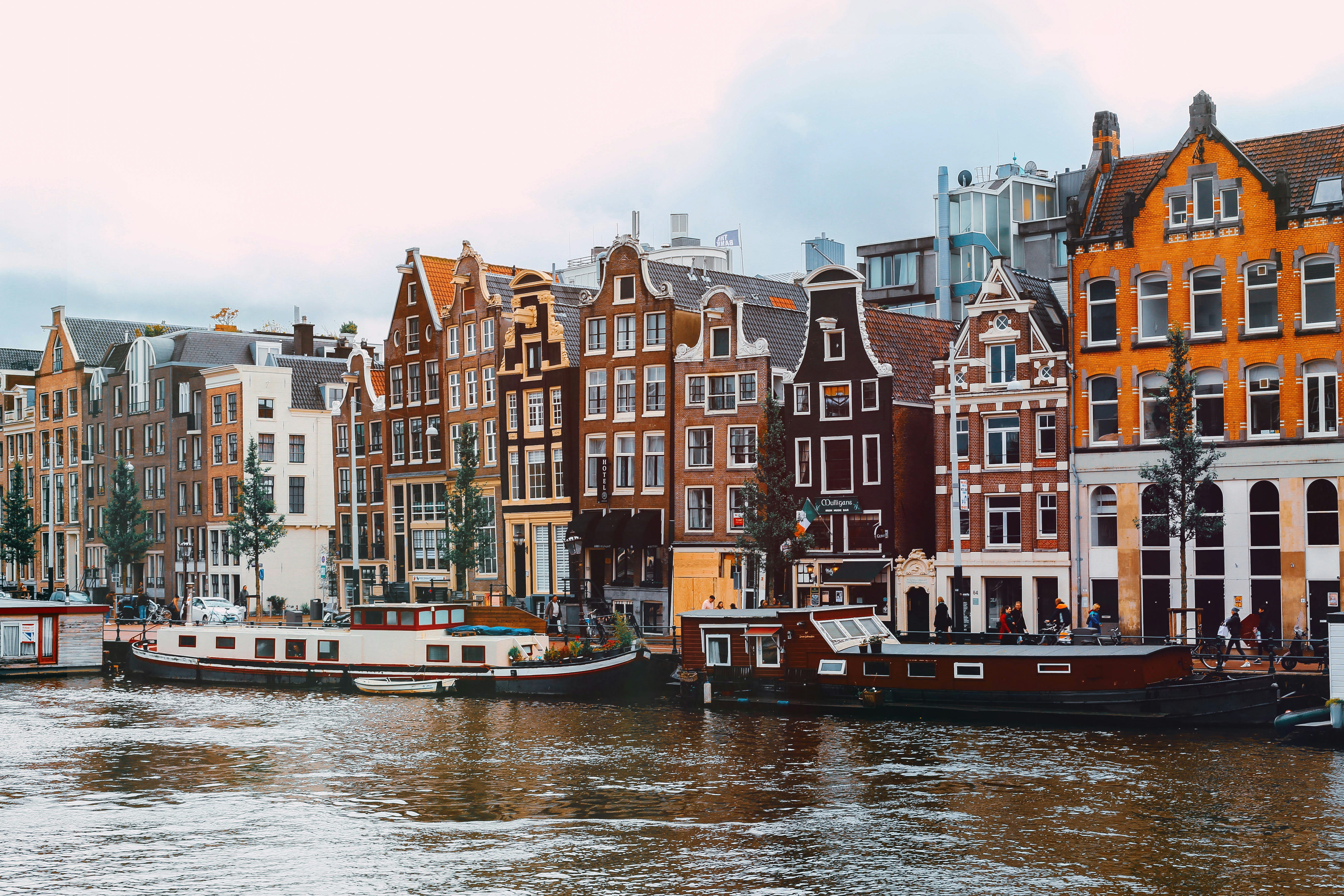
Netherlands Self-Employed Residence Permit Overview
While the Netherlands does not offer a specific digital nomad visa, the Self-Employed Residence Permit serves as the most relevant and widely used pathway for freelancers, entrepreneurs, and remote business owners who want to live and work in the country.
This permit has been part of the Dutch immigration system for years and is managed by the Immigration and Naturalisation Service (IND). It is designed to attract individuals who can contribute to the Dutch economy through their business activities.
Unlike typical digital nomad visas, this permit is not aimed at short-term stays. Instead, it offers a more long-term, structured route for independent professionals who want to establish themselves in the Netherlands while running their own business.
To qualify, applicants must submit a detailed business plan and pass a points-based evaluation system, which assesses factors such as experience, business viability, and economic benefit to the Netherlands.
Who Is It For?
The Self-Employed Residence Permit is intended for:
Non-EU/EEA/Swiss nationals
Freelancers and independent professionals
Entrepreneurs starting or running a business in the Netherlands
Digital nomads with a structured, long-term business plan
This makes it particularly suitable for remote workers who are not just traveling, but looking to build a stable base in Europe.
What Does It Allow You to Do?
With this residence permit, you can:
Legally live in the Netherlands
Work as a self-employed professional or business owner
Register your business with the Dutch Chamber of Commerce (KvK)
Open a Dutch business bank account
Access local services and infrastructure
Stay long-term, with the possibility of renewing your permit
Over time, this permit can also lead to permanent residency or citizenship, provided you meet the required conditions.
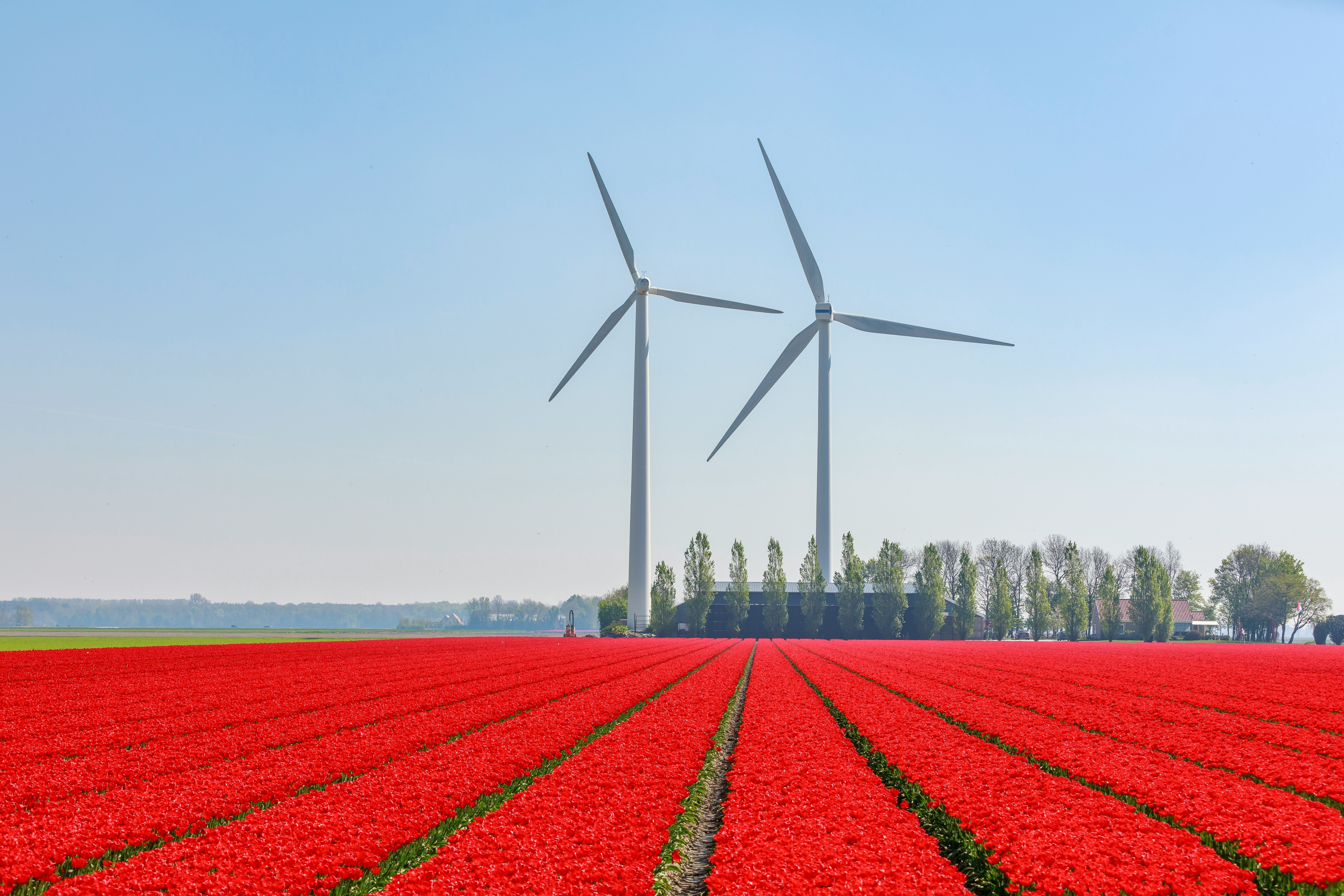
Netherlands Self-Employed Residence Permit Requirements
The requirements for the Netherlands Self-Employed Residence Permit combine standard immigration documents with business and financial criteria.
While the core documents are similar for most applicants, keep in mind that some nationalities (such as U.S. and Japanese citizens) may benefit from simplified rules and fewer requirements.
Below is a clear breakdown of what you’ll need.
When applying through the Immigration and Naturalisation Service (IND), you’ll typically need:
A completed application form
A valid passport (with sufficient validity)
Passport-sized photos that meet Dutch requirements
Proof of legal stay (if applying from within the Netherlands)
Birth certificate (may need to be legalized or apostilled)
Proof of address in the Netherlands
Payment of the application fee
These documents are required for all applicants, regardless of nationality.
Proof of Financial Self-Sufficiency
You must prove that you can financially support yourself through your business activities while living in the Netherlands.
This typically includes bank statements, income records, client contracts, and financial forecasts. There is no officially fixed minimum income set by the Immigration and Naturalisation Service (IND). However, in practice, your income should be at least comparable to the Dutch minimum wage to demonstrate sustainability.
As a general benchmark, you should aim to show:
€1,500–€2,000+ per month (minimum)
Ideally, €2,500+ per month for a stronger application
The key is proving that your income is stable (not irregular or one-off payments), ongoing (contracts or recurring clients help significantly), and realistic based on your business model.
For U.S. citizens under the Dutch-American Friendship Treaty (DAFT), this requirement is simplified. Instead of proving ongoing income, you typically need to maintain a minimum capital investment of €4,500 in a Dutch business bank account.
Business Plan (Points-Based System)
For most nationalities, a detailed business plan is mandatory.
It is assessed using a points-based system, which evaluates:
Your professional experience and background
Your business structure and market analysis
Your financial projections
The viability of your business
Your application must meet a minimum score to be approved.
This requirement does not apply to U.S. (DAFT) and Japanese applicants, who benefit from simplified rules.
Chamber of Commerce (KvK) Registration
You must register your business with the Dutch Chamber of Commerce (KvK).
This confirms that your business is:
Legally established in the Netherlands
Actively operating (or ready to operate)
Health Insurance
You are required to have valid health insurance covering your stay in the Netherlands.
Initially, private health insurance is usually accepted
Once you are officially residing and working, you may need to switch to Dutch public health insurance
Travel insurance is not accepted; it must be long-term residency health insurance. You can find our recommendations for the best health insurance plans here.
Proof of Economic Interest
For most applicants, your business must demonstrate a clear benefit to the Dutch economy.
This may include:
Innovation or specialized services
Job creation (direct or indirect)
Contribution to key industries
This requirement is assessed as part of the points-based system.
Again, this requirement is waived or simplified for applicants under special agreements like DAFT.
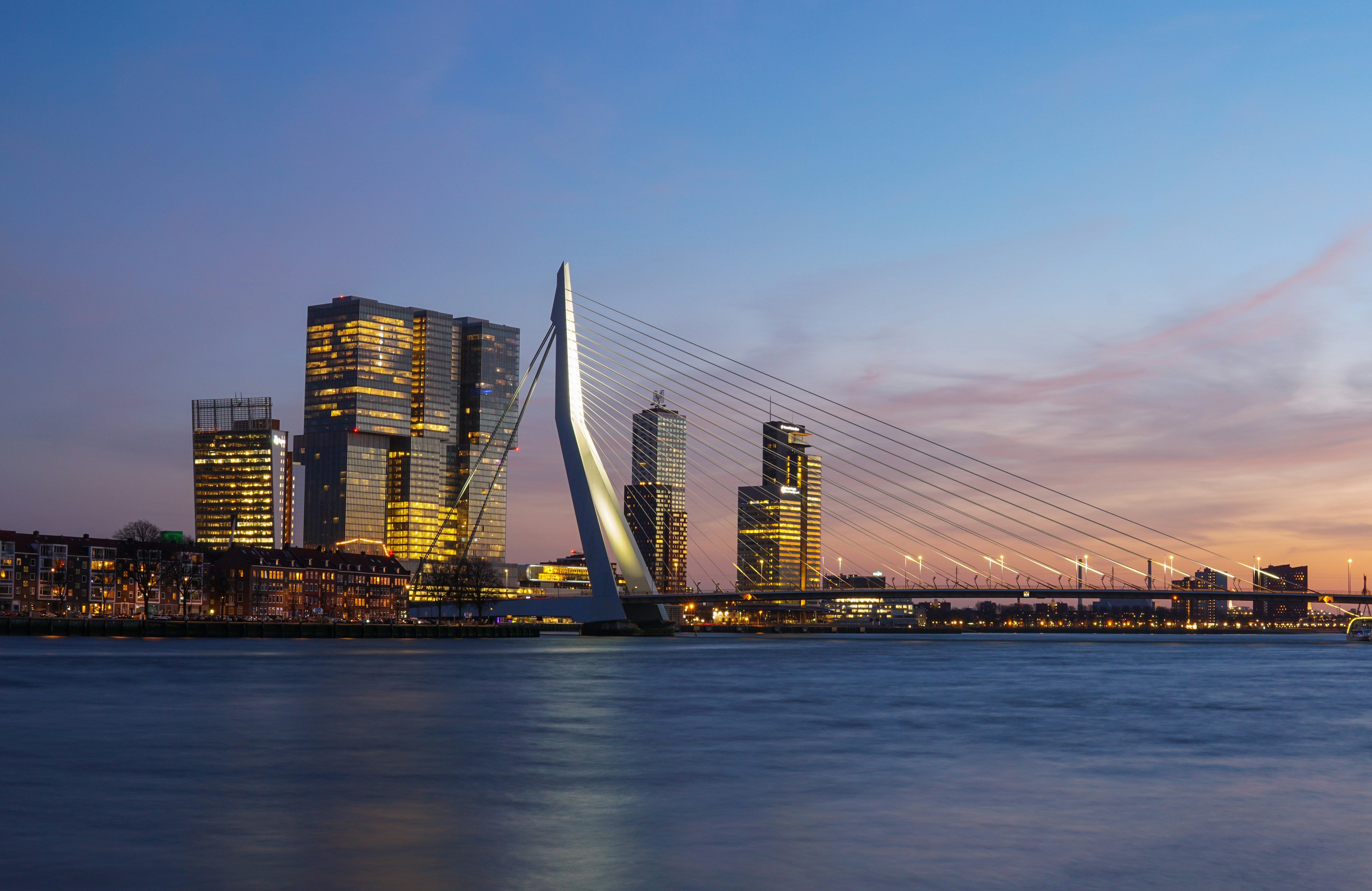
How to Apply for the Netherlands Self-Employed Residence Permit – Step-by-Step Instructions
Applying for the Netherlands Self-Employed Residence Permit is a structured process managed by the Immigration and Naturalisation Service (IND). While it involves several stages, the key to success is approaching each step with preparation and clarity, especially when it comes to your business setup.
Step 1: Prepare Your Application Strategy
Before submitting anything, take time to clearly define your business and how it fits within the Dutch market. This is especially important if you are subject to the points-based system, where your experience, business viability, and economic contribution will be evaluated. If you’re applying under a special agreement, such as for U.S. or Japanese citizens, the process is more straightforward, but you still need a legitimate and well-structured business.
Step 2: Set Up or Plan Your Business
Your application is closely tied to your business, so this step is essential. You’ll need to decide how your business will operate, who your clients are, and how you will generate income. In many cases, applicants either prepare their business in advance or begin the process of registering with the Dutch Chamber of Commerce (KvK). The more concrete and realistic your setup is, the stronger your application will be.
Step 3: Submit Your Application to the IND
Once everything is ready, you can submit your application either from your home country through a Dutch consulate or directly in the Netherlands if you are already there legally. At this stage, your full application is reviewed by the IND, including your business plan and financial situation. This is where the quality of your preparation becomes critical, as incomplete or weak applications can lead to delays or rejection.
Step 4: Wait for the Decision
After submission, the IND will assess your application. For most applicants, this includes a detailed evaluation under the points-based system, often with input from Dutch economic authorities. Processing times can take up to 90 days or longer, depending on the complexity of your case. Applicants under simplified agreements typically experience a faster decision process.
Step 5: Receive Your Residence Permit
If your application is approved, you will receive confirmation and be invited to collect your residence permit in the Netherlands. From this point forward, you are legally allowed to live in the country and operate your business as a self-employed professional.
Step 6: Complete Your Local Registration
After approval, there are a few final administrative steps to establish yourself in the Netherlands fully. This includes registering your address with your local municipality to obtain a BSN number, finalizing your business registration if needed, and setting up essential services like a bank account and health insurance. These steps are necessary to operate smoothly within the Dutch system.
Step 7: Maintain and Renew Your Permit
The final step is ongoing. To renew your residence permit, you must continue meeting the requirements, particularly maintaining an active business and generating sufficient income. Consistency and proper record-keeping are key, as renewal applications will assess whether your business remains viable.
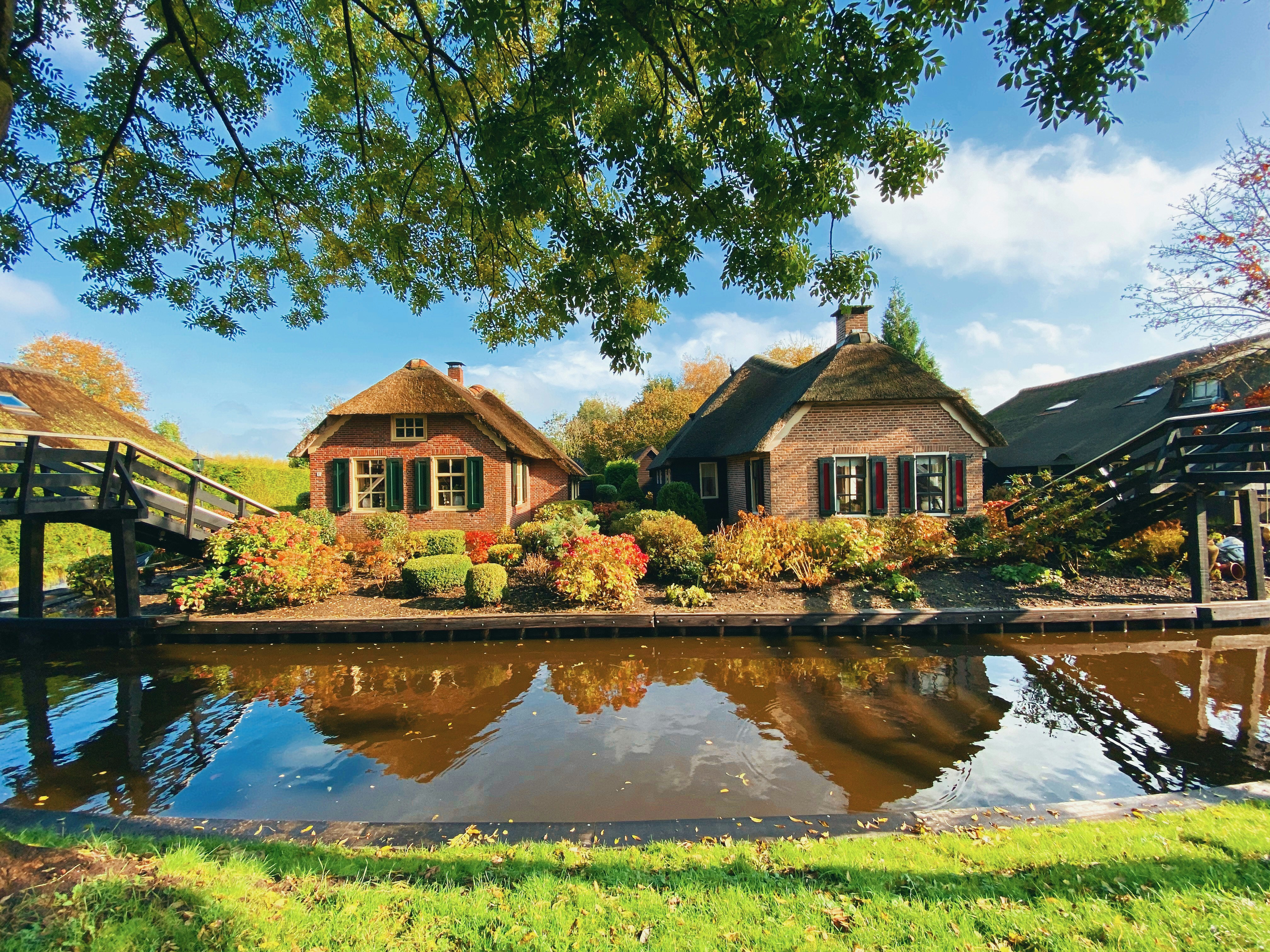
Stay Requirements for the Netherlands Self-Employed Residence Permit
Unlike many digital nomad visas that allow for a flexible or minimal stay, the Netherlands Self-Employed Residence Permit is designed for people who genuinely intend to live and establish themselves in the country. This means your residency is not just a formality; you are expected to spend a significant amount of time in the Netherlands and actively run your business from there.
In practice, there is no publicly defined number of days set by the Immigration and Naturalisation Service (IND), but your main place of residence must be in the Netherlands. If you spend too much time outside the country or appear to be living elsewhere, it can affect both your current permit and future renewals.
You are also required to register with your local municipality and maintain an official address in the Netherlands. This registration is essential for obtaining your BSN (citizen service number), accessing services, and proving that you are genuinely residing in the country.
Another key requirement is that your business must remain active and operational in the Netherlands. This means continuing to generate income, maintaining clients, and complying with local tax and administrative obligations. Simply holding the permit without actively working as a self-employed professional can put your residency status at risk.
If your long-term goal is permanent residency, these stay requirements become even more important. To qualify, you typically need to live in the Netherlands for at least five consecutive years without long absences, while continuously meeting the conditions of your permit.
Overall, the Netherlands takes a residency-focused approach rather than a travel-friendly one. This permit is best suited for digital nomads who are ready to settle, build, and integrate into the Dutch system, rather than those looking for a purely flexible, location-independent lifestyle.
How Much Does the Netherlands Self-Employed Residence Permit Cost?
The cost of the Netherlands Self-Employed Residence Permit is relatively straightforward, but it’s important to consider both the official government fees and the additional setup costs that come with starting a business in the country.
The main application fee charged by the Immigration and Naturalisation Service (IND) is typically:
€380–€400 for the residence permit application (may vary slightly depending on your situation and updates from the IND)
However, this is just the baseline. In reality, most applicants should budget for a higher total cost due to additional requirements.
You should also expect:
Business registration (KvK): around €50–€80
Document legalization and translations: €50–€300+ depending on your country
Health insurance: approximately €100–€150 per month
Professional help (optional): €500–€2,000+ if you use legal or visa services
If you are applying under the Dutch-American Friendship Treaty (DAFT), you must also maintain a minimum capital investment of €4,500 in a Dutch business account. While this isn’t a fee, it is a required financial commitment.
Overall, a realistic budget to apply and get fully set up in the Netherlands is:
Minimum: €600–€1,000 (DIY approach)
More realistic: €1,500–€3,000+ (including setup and buffer costs)
While the upfront costs are higher than many digital nomad visas, the trade-off is access to a long-term residence pathway in one of Europe’s strongest economies, making it a worthwhile investment for many freelancers and entrepreneurs.
Taxes for People With the Netherlands Self-Employed Residence Permit
If you live in the Netherlands under the Self-Employed Residence Permit, you will generally be considered a Dutch tax resident, which means you are required to pay taxes on your worldwide income.
This is a key difference from many digital nomad visas. The Netherlands expects you not only to live in the country, but also to fully participate in its tax system.
As a self-employed professional, you will need to register with the Dutch tax authority, the Belastingdienst, and comply with several ongoing obligations.
Your main tax responsibilities typically include:
Income tax (personal income tax): The Netherlands uses a progressive tax system, with rates that can go up to around 49.5% depending on your income level.
VAT (BTW): If your services are subject to VAT, you’ll need to charge it to clients and file regular VAT returns (usually quarterly).
Social security contributions: These are included within your income tax and cover things like pensions and benefits.
One advantage for freelancers is access to certain tax deductions and benefits, such as:
The self-employed deduction (zelfstandigenaftrek)
The starter’s deduction (startersaftrek) for new businesses
Business expense deductions (equipment, software, workspace, etc.)
These can significantly reduce your taxable income, especially in your first few years.
If you work with international clients, things can get more complex. The Netherlands has tax treaties with many countries, which help prevent double taxation. This means you typically won’t pay tax twice on the same income, but you may still have reporting obligations in another country depending on your citizenship.
It’s also important to keep accurate financial records, as the Dutch system places a strong emphasis on proper bookkeeping and compliance. Many freelancers choose to work with a local accountant to ensure everything is handled correctly.
Overall, taxes in the Netherlands are relatively high compared to some digital nomad destinations, but in return, you benefit from strong infrastructure, public services, and long-term stability, which aligns with the country’s more permanent approach to residency.
Living in the Netherlands with the Self-Employed Residence Permit
Living in the Netherlands with the Self-Employed Residence Permit offers a very different experience compared to typical digital nomad destinations. Instead of a temporary stay, you’re building a life in one of Europe’s most structured and high-quality environments. Cities like Amsterdam, Rotterdam, and Utrecht offer excellent infrastructure, reliable public transport, and a strong international community, making it easy to settle in and grow your business. English is widely spoken, which helps with integration, but you’ll still benefit from learning some Dutch over time, especially when dealing with local administration and clients.
At the same time, daily life comes with responsibilities that reflect your resident status. You’ll need to manage rent (which can be high in major cities), health insurance, taxes, and business obligations, all while maintaining an active presence in the country. In return, you gain access to a stable economy, strong legal protections, and a clear long-term pathway—whether that’s expanding your business, securing permanent residency, or even applying for Dutch citizenship down the line.
Best Cities to Live in the Netherlands
Choosing the right city can have a big impact on your experience living in the Netherlands, especially as a self-employed professional building a long-term base. Each city offers a different balance of cost, lifestyle, and business opportunities, so it’s worth considering what matters most to you.
Amsterdam
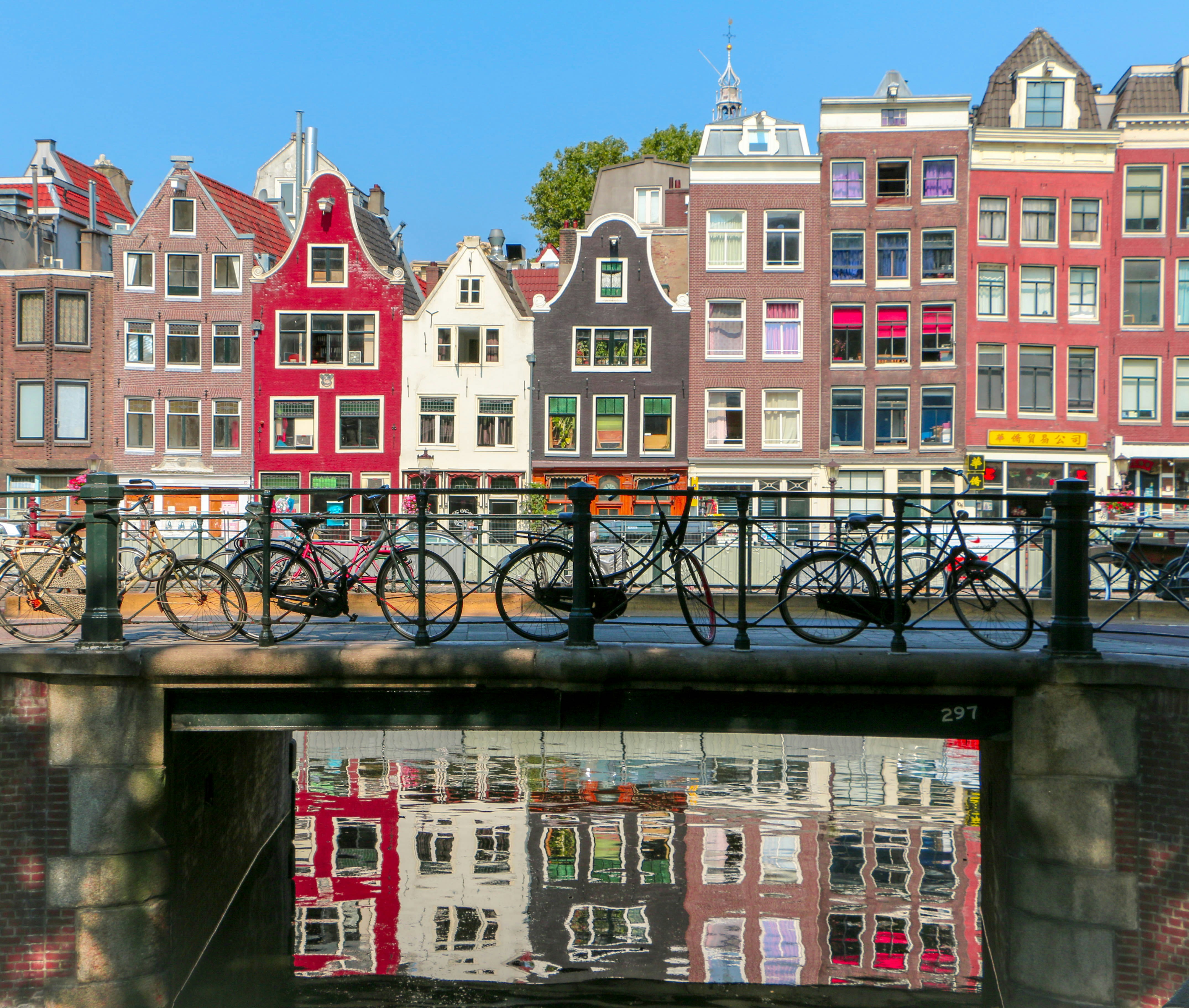
Amsterdam is the most popular choice for expats and digital entrepreneurs, offering a vibrant international environment and endless networking opportunities. The city is known for its startup ecosystem, creative industries, and global business presence, making it ideal if you want to grow a freelance or online business. While the cost of living (especially rent) is high, you benefit from world-class infrastructure, a lively cultural scene, and a large English-speaking population that makes settling in relatively easy.
Rotterdam
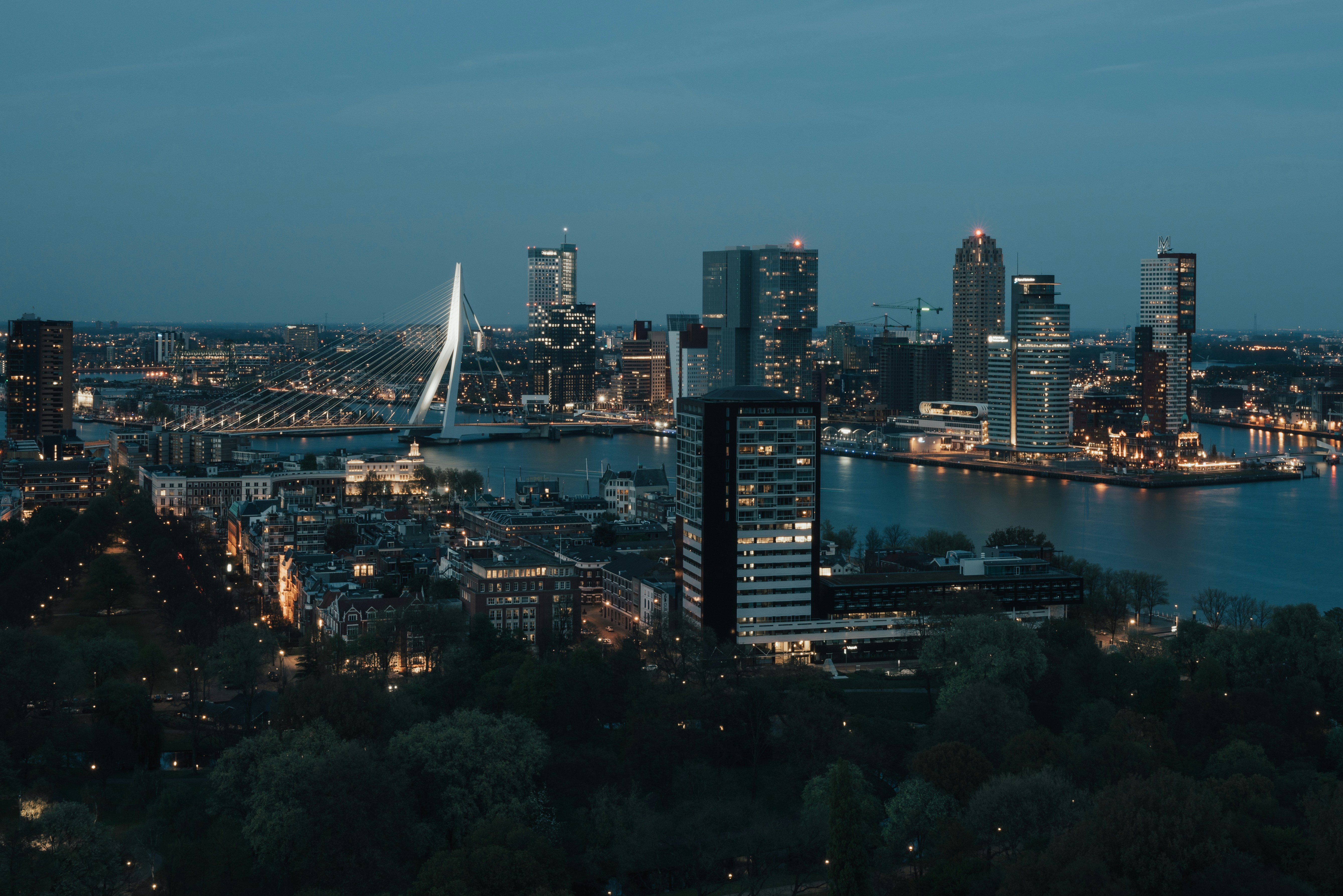
Rotterdam offers a more modern, dynamic alternative to Amsterdam, with striking architecture and a strong focus on innovation and business. It’s generally more affordable than the capital, while still providing excellent opportunities for entrepreneurs and freelancers. The city has a growing international community, a major port economy, and a more relaxed, less tourist-heavy atmosphere, making it a great option if you want a balance between opportunity and livability.
Utrecht
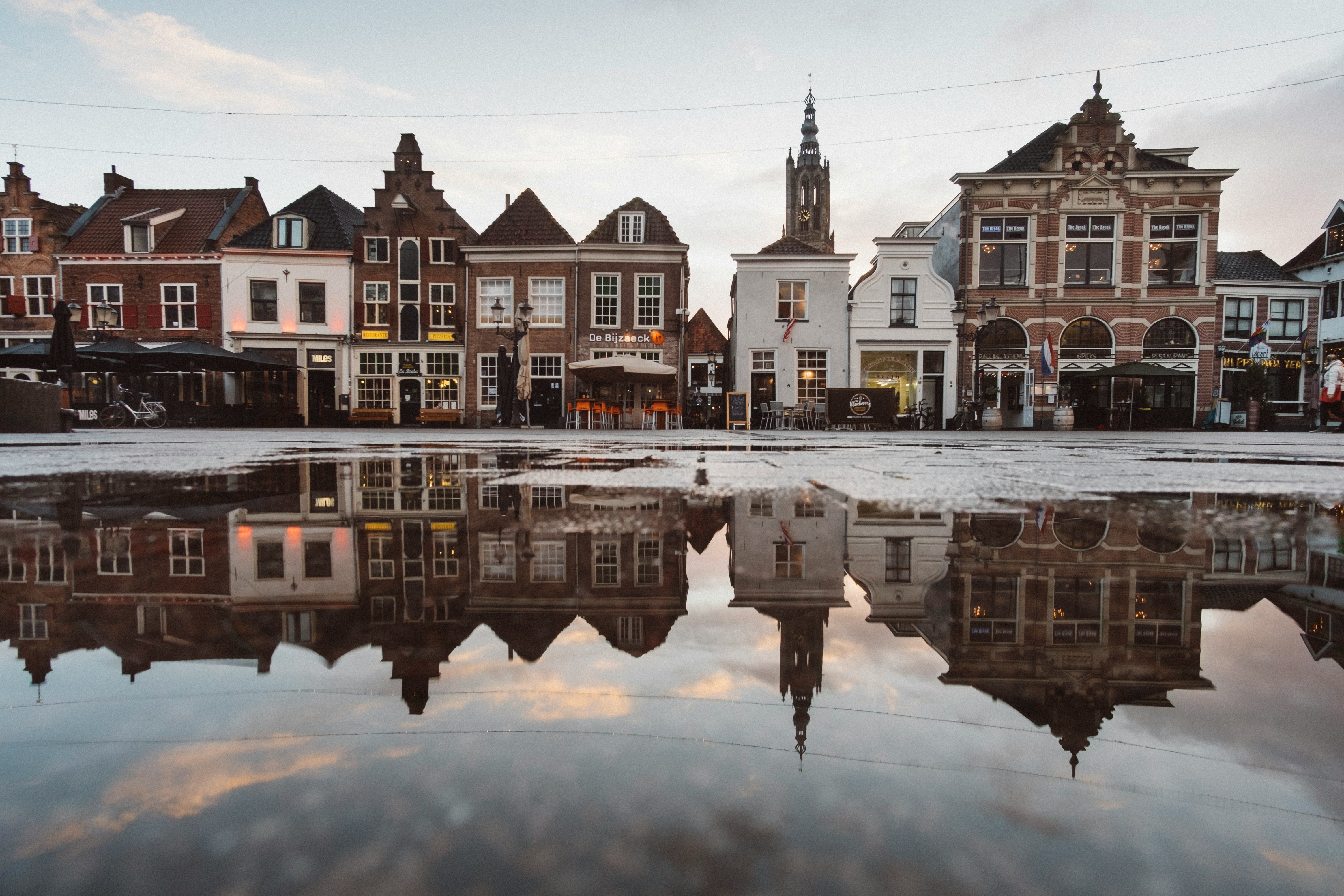
Utrecht combines the charm of Amsterdam with a quieter, more local feel. Its central location makes it incredibly well-connected to the rest of the country, which is perfect if you plan to travel for work or meetings. The city has a strong student population, a growing business scene, and a high quality of life, all while being slightly more affordable than Amsterdam. Utrecht is ideal for those who want a picturesque, balanced lifestyle without sacrificing convenience or opportunity.
Cost of Living
The official currency of the Netherlands is the Euro (€). As a reference, €1 ≈ $1.15 USD, although exchange rates fluctuate slightly over time.
The average net monthly salary in the Netherlands is around €2,800–€3,200, which equates to approximately $3,200–$3,700 USD, depending on taxes and personal circumstances.
Here’s a rundown of what you should expect to pay in different cities:
Amsterdam
Rent (1 bedroom in city center) – $1,900–$2,400 per month
Rent (3 bedrooms outside city center) – $2,200–$3,000 per month
Basic Utilities – $150–$250 per month
Wi-Fi – $35–$60 per month
Public Transport – $3.50 one-way
Groceries (2 people) – $450–$700 per month
Rotterdam
Rent (1 bedroom in city center) – $1,400–$1,900 per month
Rent (3 bedrooms outside city center) – $1,800–$2,500 per month
Basic Utilities – $140–$230 per month
Wi-Fi – $35–$55 per month
Public Transport – $3.20 one-way
Groceries (2 people) – $400–$650 per month
Utrecht
Rent (1 bedroom in city center) – $1,500–$2,000 per month
Rent (3 bedrooms outside city center) – $1,900–$2,700 per month
Basic Utilities – $140–$240 per month
Wi-Fi – $35–$55 per month
Public Transport – $3.20 one-way
Groceries (2 people) – $400–$650 per month
FAQs
Is there a digital nomad visa in the Netherlands?
No, the Netherlands does not currently offer a dedicated digital nomad visa. Instead, freelancers and remote business owners typically apply for the Self-Employed Residence Permit, which allows them to live and work legally in the country.
How long does it take to get approved?
Processing times are usually around 90 days, but it can take longer depending on the complexity of your application. Applicants under special agreements (like U.S. or Japanese citizens) may experience faster processing.
Do I need to speak Dutch to apply?
No, Dutch is not a requirement for the visa. However, learning basic Dutch can be helpful for daily life and dealing with local administration, especially if you plan to stay long-term.
Can I work with international clients only?
Yes, many self-employed applicants work primarily with international clients. However, your business still needs to demonstrate economic value to the Netherlands, especially if you are subject to the points-based system.
Can this visa lead to permanent residency?
Yes, after 5 years of continuous legal residence, you may be eligible to apply for permanent residency in the Netherlands, provided you meet all the requirements and maintain your self-employed status.
Author
)
Nadia Dardón is a content creator from Guatemala. She has worked fully remotely for the past six years as a copywriter, editor, and content creator, working for different industries. She started her digital nomad journey in 2022 and currently lives as an expat in Spain.


