
Malta Digital Nomad Visa - 2026 Update
)
Nadia Dardón
Immigration Content Writer
Last update
)

Malta Rating from Citizen Remote
Overall  4.6
4.6

Internet Infrastructure 5.0
Country Stability 5.0
Cost of Living 3.0
Ease of Obtaining Visa 5.0
Taxes 5.0
Quick Visa Facts

Visa length 1 year

Possible to extend? Yes, up to 4 years

Who can apply? Non-EU remote workers, freelancers, or self-employed

Minimum Income Requirements €42,000 per year (~€3,500/month)

Time for visa applications 30–60 days
Want to know if you can apply?
Complete a visa quiz and see if you qualify!
If you’re dreaming of working remotely while soaking up the Mediterranean sun, the Malta Digital Nomad Visa could be your ticket to making it a reality. Malta, with its rich history, stunning coastlines, and thriving expat community, is quickly becoming one of the most attractive destinations for digital nomads. Whether you're a freelancer, entrepreneur, or remote worker, this visa offers you the opportunity to live and work in one of Europe’s most picturesque islands, all while enjoying the benefits of EU residency.
In this guide, we’ll walk you through everything you need to know about the Malta Digital Nomad Visa, from the application process to the benefits it offers. It can help you unlock the ultimate remote work experience in Malta. Let’s dive in!
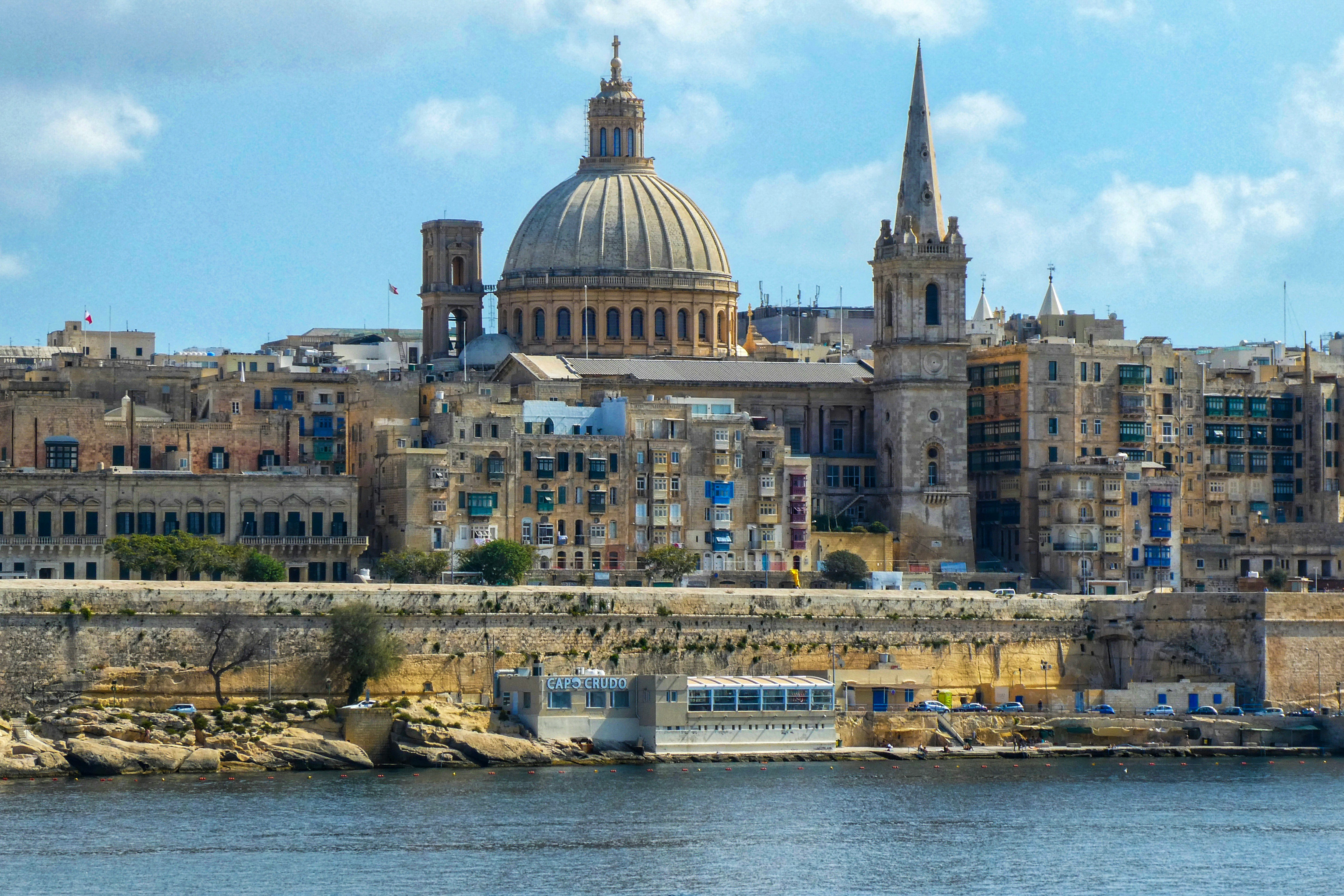 Malta Digital Nomad Visa Overview
The Malta Digital Nomad Visa was introduced in June 2021 as part of the government’s efforts to attract remote workers to the island. This visa is designed for non-EU nationals who can work remotely for a foreign employer or run their own business while residing in Malta. It allows remote workers to live and work from this beautiful Mediterranean island, offering them the perfect balance of productivity and leisure.
It’s an ideal option for those looking to work from anywhere while enjoying the perks of European Union residency. With a simple and straightforward application process, this visa has quickly become one of the most popular digital nomad visas in Europe.
Who Is It For?
The Malta Digital Nomad Visa is aimed at non-EU nationals who are employed by companies based outside of Malta or are self-employed, such as freelancers or entrepreneurs. This visa is perfect for digital nomads who want to experience life in a Mediterranean country while continuing their work remotely. It is designed for individuals who:
Work remotely for companies based outside of Malta.
Own a business or freelance.
Can prove they meet the minimum income threshold.
If you fall into any of these categories and want to live in a thriving EU country while maintaining your career, this visa is for you.
What Does It Allow You to Do?
The Malta Digital Nomad Visa allows you to live and work in Malta for up to one year, with the possibility of renewing your visa. While residing in Malta, you will have the right to:
Live in Malta and explore the island’s culture and lifestyle.
Work remotely for a company or business based outside of Malta.
Travel within the Schengen Area (for stays of up to 90 days every 180 days)
Additionally, you can bring your family members (spouse, children) with you under the same visa, provided they meet the eligibility requirements. The visa also offers the flexibility to extend your stay, making it a long-term option for remote workers looking to call Malta home.
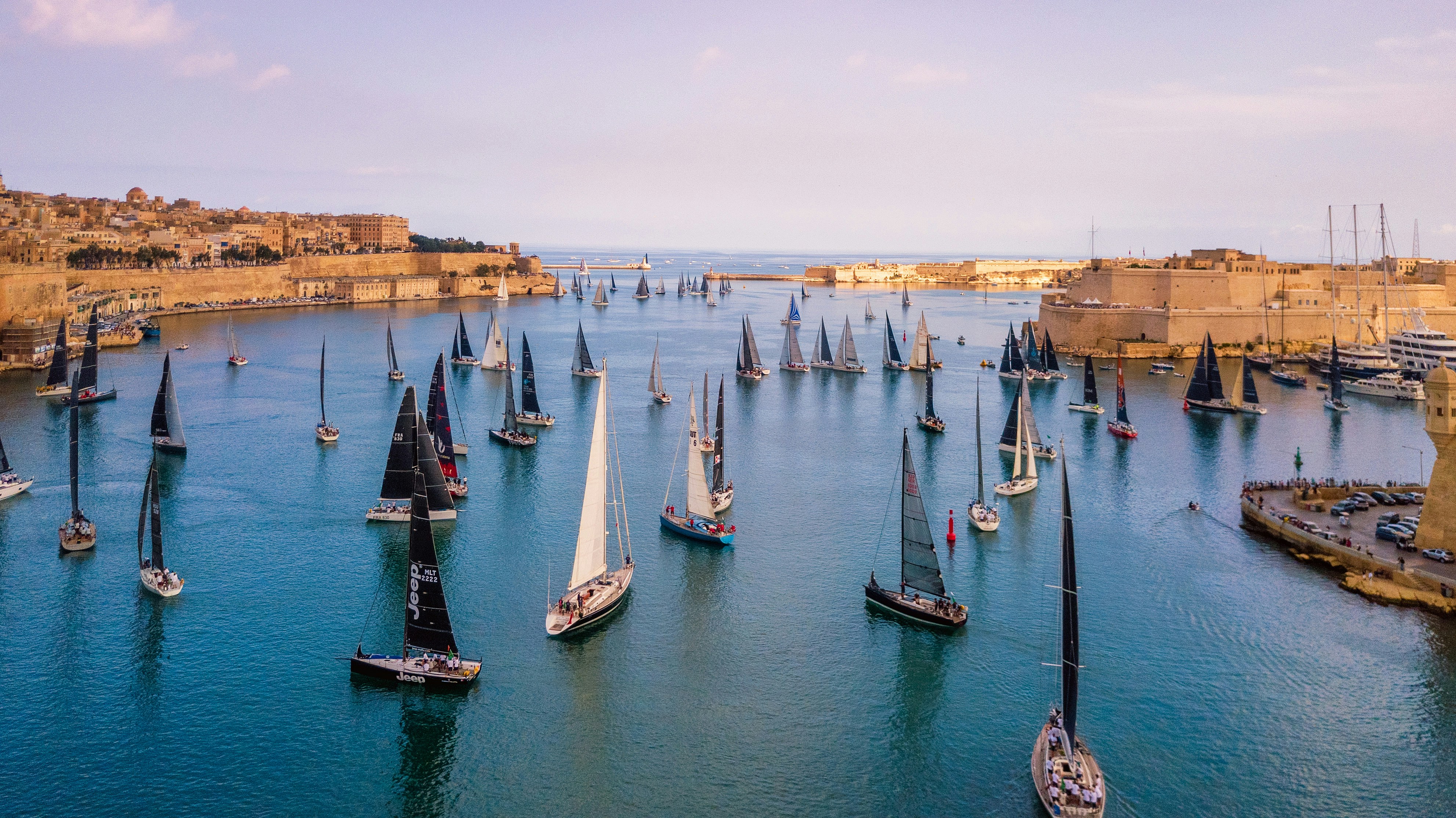
Malta Digital Nomad Visa Requirements
Applying for the Malta Digital Nomad Visa involves submitting a few key documents to prove your eligibility. Below is a list of the basic documents required to complete your application:
Completed visa application form.
Recent passport-sized photographs.
Valid passport (with at least 6 months of validity remaining)
Proof of employment or business ownership (such as a work contract, freelance agreement, or business registration)
Proof of sufficient income (to meet the minimum threshold)
Criminal background check (issued from your country of residence)
Proof of accommodation (rental agreement or proof of temporary residence)
Travel insurance (covering the duration of your stay)
Visa fee payment (non-refundable)
Proof of Financial Self-Sufficiency
To qualify for the Malta Digital Nomad Visa, you must demonstrate that you have sufficient financial resources to support yourself while living in Malta. The minimum monthly income requirement varies but typically ranges between €2,700–€3,000. You can prove your financial stability through:
Bank statements (showing consistent income)
Payslips or freelance earnings.
A letter from your employer or clients confirming ongoing work.
Private Health Insurance
All applicants must provide proof of private health insurance that covers you for the duration of your stay in Malta. This insurance must cover a wide range of medical services, including emergencies, hospitalization, and repatriation. It’s important that the insurance plan meets Malta’s requirements and is valid for the entire time you intend to stay on the visa.
Proof of Remote Work
As part of your application, you must prove that you work remotely for a company outside of Malta or that you are self-employed. This can be done by submitting:
A work contract or letter from your employer confirming your remote work status.
Freelance agreements or client contracts if you're a freelancer.
Evidence of ongoing business operations, if you're an entrepreneur (such as a business registration or tax documents)
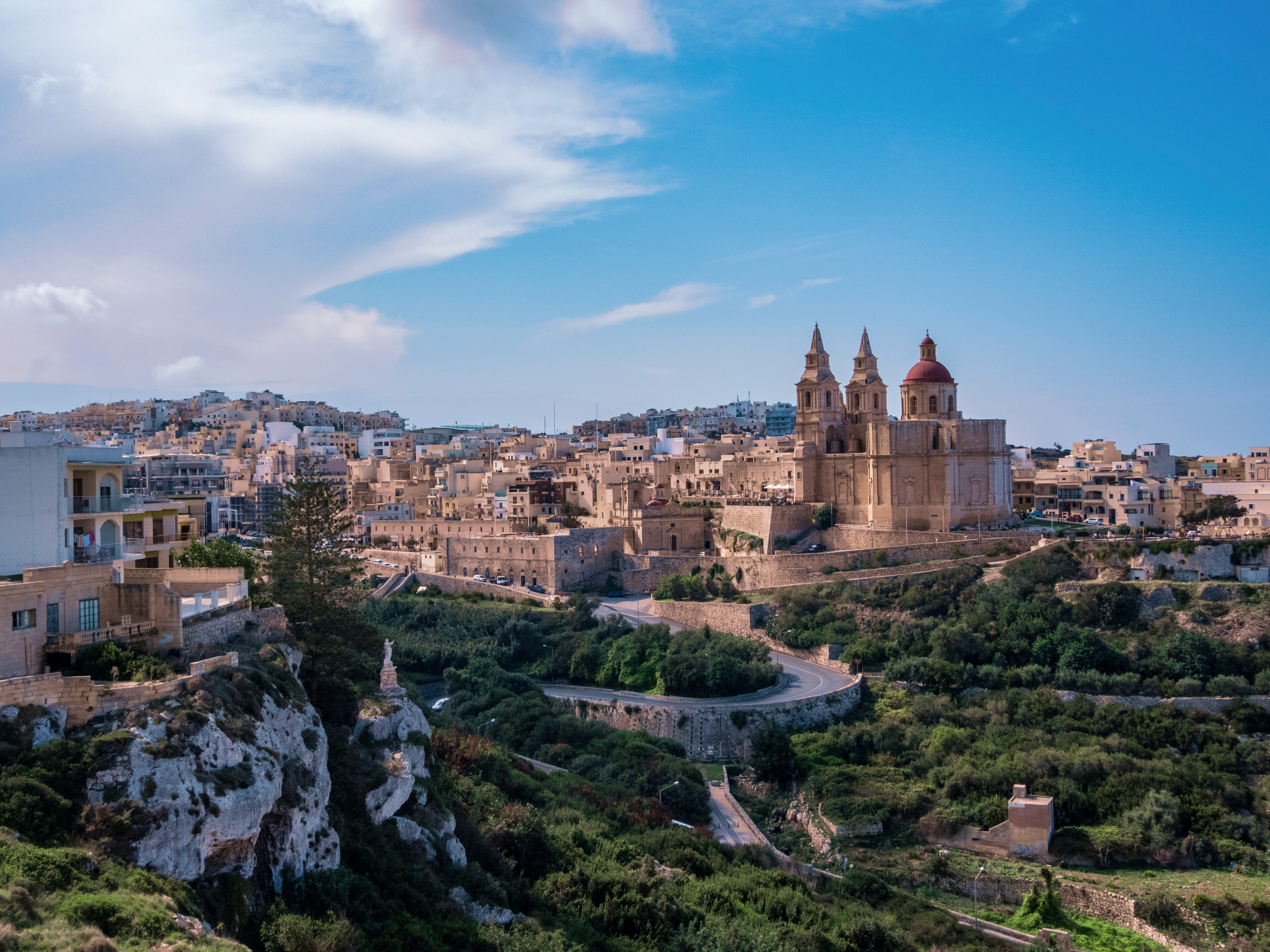
How to Apply for the Malta Digital Nomad Visa – Step-by-Step Instructions
Applying for the Malta Digital Nomad Visa is a straightforward process, but following the steps carefully will ensure your application goes smoothly. Here's a step-by-step guide to help you through the process:
Step 1: Prepare Your Application
Before you begin, make sure you have all the necessary documents ready. This includes everything from your completed application form to proof of remote work and accommodation. Double-check that all your information is accurate and that you have the correct supporting materials.
Step 2: Complete the Online Application
Visit the official Residency Malta website or the Maltese consulate website to access the visa application form. Fill it out with your personal details, employment information, and intended duration of stay. Be clear and precise to avoid any confusion.
Step 3: Submit Your Application
Once you’ve filled out the application, submit it along with your supporting documents. Depending on your location, you may be required to upload digital copies online or send physical copies to the relevant Maltese authorities. If you're applying through an embassy or consulate, check their specific submission guidelines.
Step 4: Pay the Visa Fee
After submitting your application, you’ll need to pay a non-refundable visa application fee. The exact fee may vary, so be sure to check the latest fee structure on the official website or at your local consulate.
Step 5: Wait for Processing
Your application will be processed by the Maltese authorities, which can take anywhere from 4 to 6 weeks. During this period, you may be asked to provide additional documentation or attend an interview. Stay patient and keep an eye out for any updates on your application status.
Step 6: Receive Your Visa Decision
Once your application is processed, you will receive your visa approval or a request for more information. If approved, your Malta Digital Nomad Visa will be issued. If your application is denied, you’ll be informed of the reason and may have the option to correct any issues and reapply.
Step 7: Complete Your Arrival Process
After receiving your visa approval, you can start planning your move to Malta. Upon arrival, you’ll need to register with the Maltese authorities and complete the final steps of your residency process. This typically involves an easy online registration or a visit to the local immigration office.
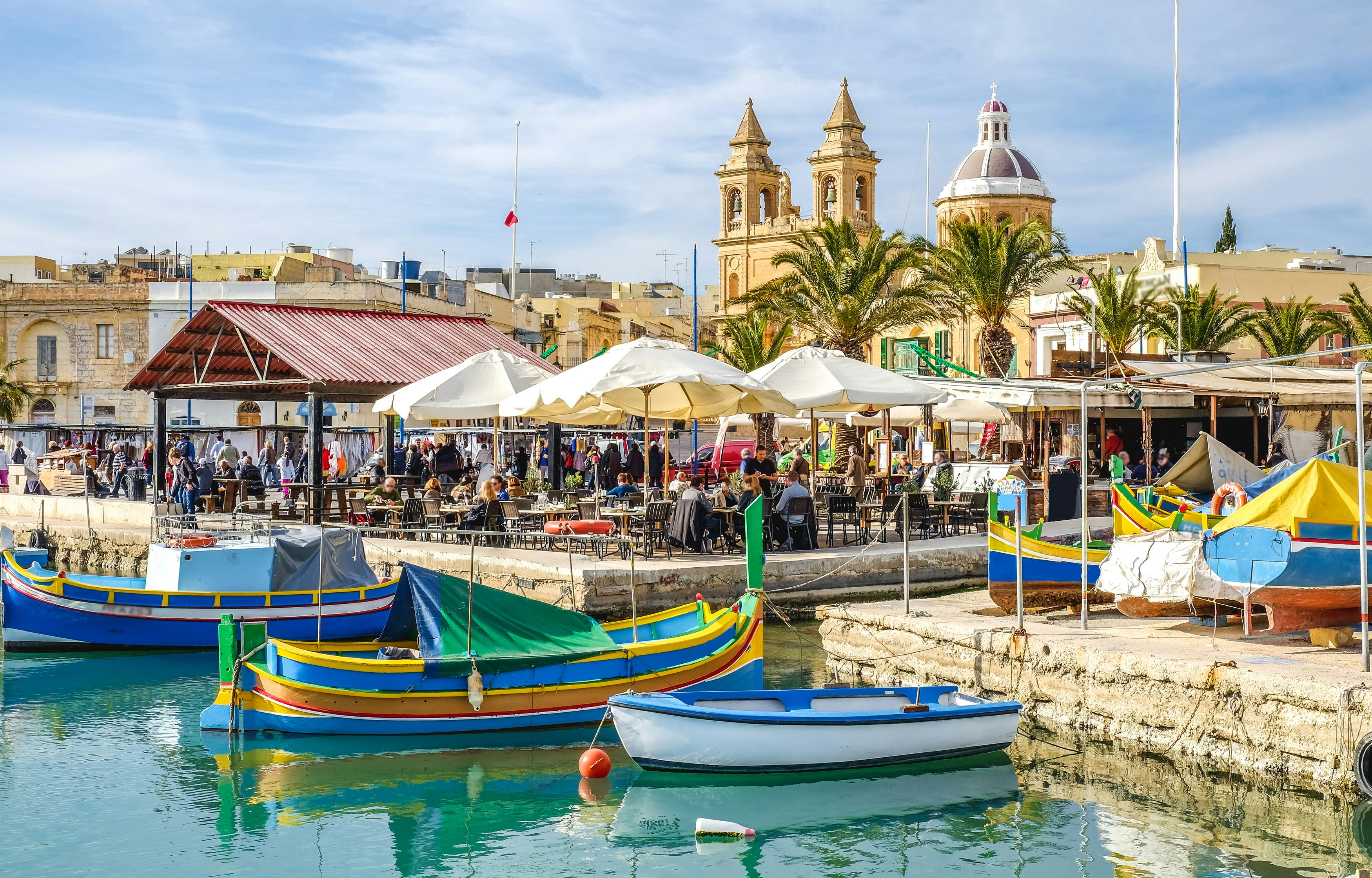
Stay Requirements in Malta
The Malta Digital Nomad Visa is issued for an initial period of up to one year and is designed for individuals who genuinely intend to reside in Malta while working remotely. Visa holders are expected to maintain Malta as their primary place of residence during the validity of the permit, even though short trips outside the country are allowed. As Malta is part of the Schengen Area, you may travel within Schengen for up to 90 days in any 180-day period, provided Malta remains your main base.
To remain compliant, you must continue meeting all eligibility conditions throughout your stay. This includes maintaining valid health insurance, sustaining the required level of income from foreign sources, and continuing to work remotely for a company or clients based outside of Malta. Any significant changes to your employment status, income, or accommodation should be reported to the relevant Maltese authorities.
Renewals may be possible, subject to meeting the renewal criteria at the time of application. Malta may also carry out checks during your stay to ensure ongoing compliance with the visa conditions. Failure to meet the stay requirements could result in non-renewal or cancellation of the permit.
How Much Does the Malta Digital Nomad Visa Cost?
Applying for the Malta Digital Nomad Visa involves several defined government fees that you’ll need to pay as part of your application and residency process. The core costs are as follows:
Visa application fee: €300 per applicant; this fee is non-refundable and must be paid when you submit your application.
Additional applicant fee: If you include family members in your application (e.g., spouse or children), you’ll need to pay an extra €300 for each person.
Residency card issuance: After approval, there is a €27.50 fee per person for issuing your official residence card in Malta.
In some cases, applicants may also choose to pay for optional premium services (such as expedited processing), which can cost an additional €300 or more.
Beyond the official fees, there are other costs you should plan for when budgeting your move, such as health insurance premiums, travel to Malta, and accommodation, but these aren’t part of the visa fee itself. Planning ahead for these associated expenses can help ensure a smoother relocation.
Taxes for People With a Malta Digital Nomad Visa
Holding a Malta Digital Nomad Visa does not automatically make you liable for income tax in Malta, but your tax situation will depend on how long you stay and where your income is sourced from. The visa is designed specifically for remote workers earning income from employers or clients based outside of Malta.
In general, income earned from authorized remote work for a foreign employer or foreign clients is not subject to Maltese income tax under the Digital Nomad Programme. This is one of the key advantages of the visa and a major reason Malta is popular with location-independent professionals.
However, there are important points to keep in mind:
If you earn Malta-sourced income, such as working for a Maltese company or providing services locally, that income may be taxable in Malta.
Spending more than 183 days in Malta in a calendar year may trigger tax residency considerations, depending on your personal circumstances.
Malta operates a remittance-based tax system for non-domiciled residents, meaning foreign income is generally only taxed if it is remitted to Malta.
You remain responsible for complying with tax obligations in your home country or any other country where you are considered a tax resident.
Because tax residency rules and double taxation agreements can vary significantly based on nationality and personal circumstances, it is strongly recommended to consult a qualified tax advisor before and during your stay in Malta. This ensures you remain compliant while fully benefiting from the advantages of the Malta Digital Nomad Visa.
Living in Malta with the Digital Nomad Visa
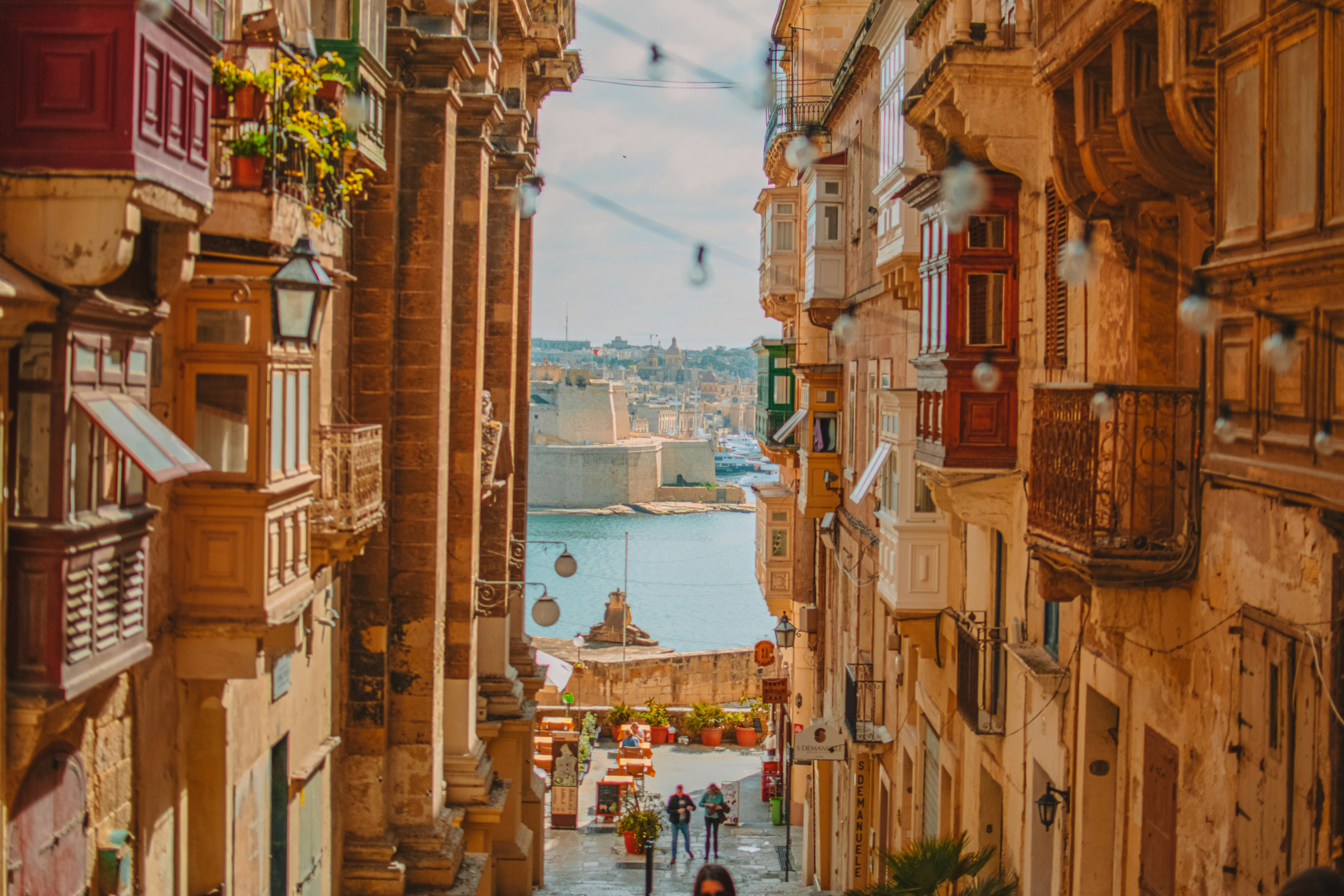
Living in Malta as a digital nomad offers a unique blend of work and lifestyle advantages. With its Mediterranean climate, stunning coastlines, and rich history, Malta provides an inspiring environment for remote work. Whether you choose to settle in the bustling capital of Valletta, the charming streets of Mdina, or along the popular coastal hubs like Sliema and St. Julian’s, you’ll find a vibrant expat community. There are plenty of coworking spaces to stay productive. The island’s compact size makes it easy to explore, enjoy local cuisine, or take weekend trips to nearby islands like Gozo or Comino.
The Malta Digital Nomad Visa also makes it simple to integrate into local life while maintaining your remote career. You can legally live in Malta for up to a year, enjoy access to high-speed internet, and participate in social and cultural activities alongside locals and other nomads. With relatively low barriers to entry and the flexibility to travel within the Schengen Area, Malta provides both the stability and freedom remote workers crave. Many nomads also appreciate the balance between work and leisure, from morning meetings overlooking the sea to afternoons exploring historic sites or relaxing on sun-soaked beaches.
Best Cities to Live in Malta
Malta may be small, but it offers a variety of cities and towns that cater to different lifestyles, making it an ideal destination for digital nomads. From historic streets to vibrant coastal hubs, each location has its own unique charm and amenities.
Valletta
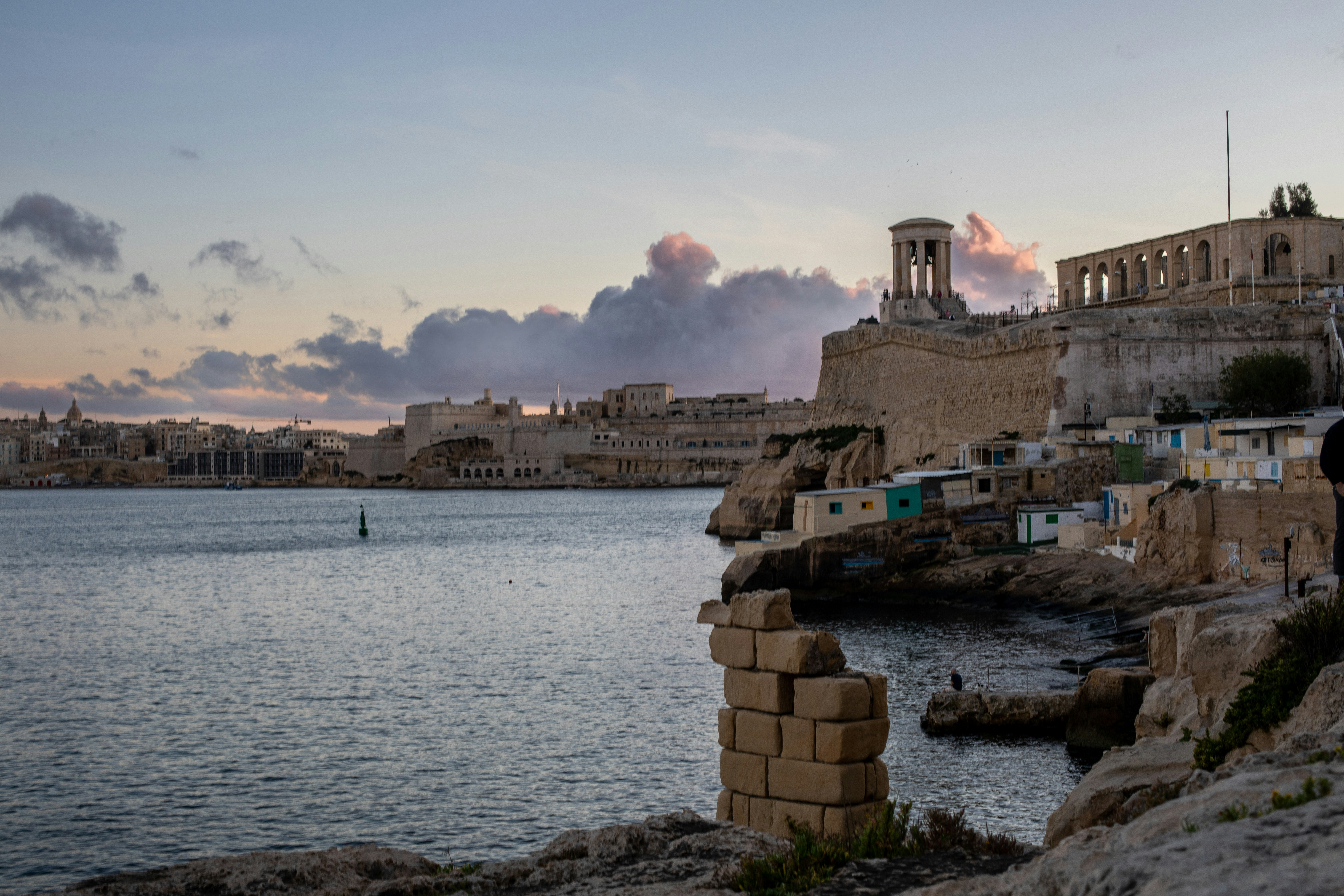 As Malta’s capital, Valletta is a historic and cultural hub with stunning architecture, bustling streets, and plenty of museums, cafes, and restaurants. Despite being a city, it maintains a relaxed Mediterranean vibe and is highly walkable, making it easy to explore while living and working here. Valletta is perfect for nomads who enjoy city life combined with rich history and frequent cultural events.
Sliema
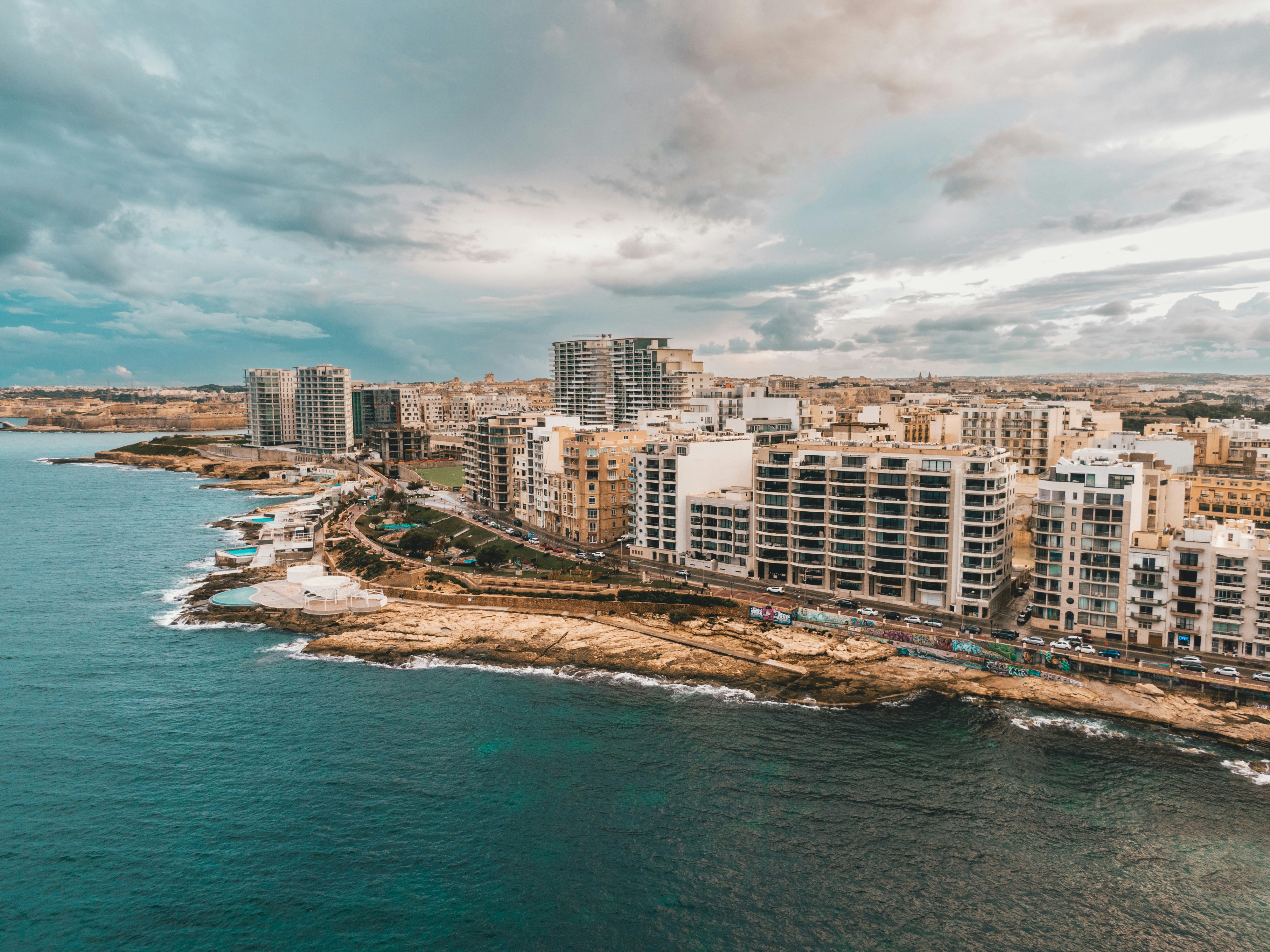
Sliema is a modern, cosmopolitan city along the northeastern coast of Malta, known for its shopping, restaurants, and vibrant nightlife. It’s also one of the island’s main business and expat hubs, offering plenty of coworking spaces and strong internet connectivity. Sliema is ideal for nomads seeking a lively, social environment with easy access to cafes and networking opportunities.
St. Julian’s
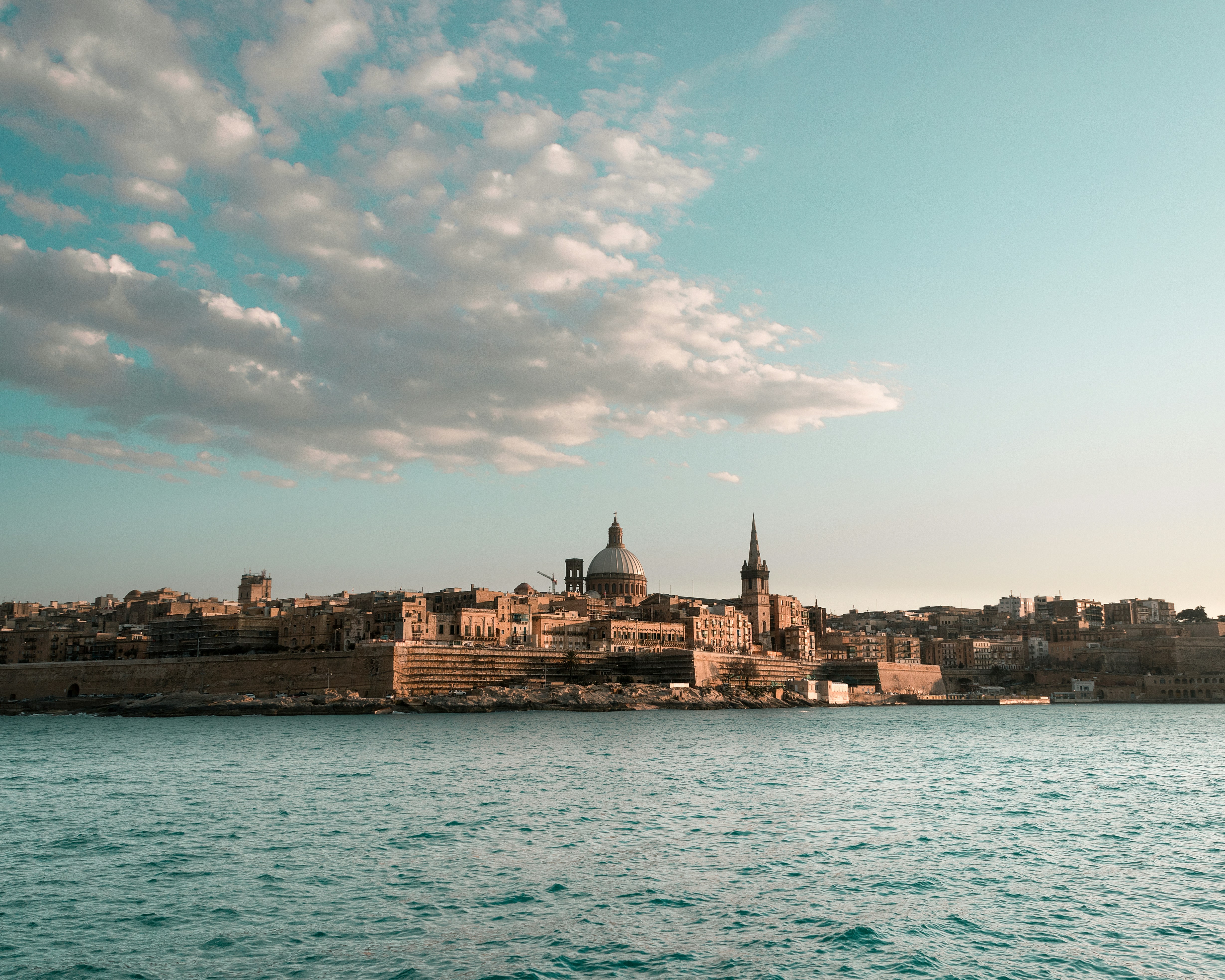
St. Julian’s, particularly the area of Paceville, is famous for its entertainment, dining, and waterfront lifestyle. It offers a perfect balance for digital nomads who want to mix work with leisure, featuring sea views, promenades, and plenty of social activities. This city attracts young professionals and expats looking for a dynamic community and vibrant atmosphere while staying productive.
Cost of Living
The official currency of Malta is the Euro (EUR). On average, €1 ≈ $1.08 USD based on annual exchange rate averages, though actual day‑to‑day trading rates can vary slightly.
The average net monthly salary in Malta is around €1,700–€1,800, which equates to approximately $1,840–$1,950 USD per month after tax for many workers.
Here’s a rundown of what you should expect to pay in different cities:
Valletta
Rent (1 bedroom in city center) – $1,067 per month
Rent (3 bedrooms outside city center) – $1,434 per month
Basic Utilities – $86 per month (electricity, water, etc.)
Wi‑Fi – $30 per month
Public Transport – $2 one‑way (bus ticket)
Groceries (2 people) – $500 – $700 per month, approximately
Sliema
Rent (1 bedroom in city center) – $1,078 per month
Rent (3 bedrooms outside city center) – $1,555 per month
Basic Utilities – $135 per month (essential utilities)
Wi‑Fi – $45 per month
Public Transport – $2 one‑way (bus fare)
Groceries (2 people) – $500 – $700 per month, approximately
St. Julian’s
Rent (1 bedroom in city center) – $1,231 per month
Rent (3 bedrooms outside city center) – $1,627 per month
Basic Utilities – $69 per month (electricity, water, etc.)
Wi‑Fi – $30 per month
Public Transport – $2 one‑way (bus fare)
Groceries (2 people) – $500 – $700 per month
FAQs
Who is eligible for the Malta Digital Nomad Visa?
The visa is available to non-EU nationals who work remotely for a company based outside of Malta, are self-employed, or run their own business. Applicants must meet minimum income requirements and have valid health insurance.
How long is the Malta Digital Nomad Visa valid?
The visa is initially valid for up to one year and can be renewed, provided you continue to meet the eligibility requirements, such as income and employment status.
Can I bring my family with me to Malta on this visa?
Yes, family members such as your spouse and dependent children can join you. Each additional applicant may require an extra fee and must also meet certain eligibility conditions, including health insurance coverage.
Do I have to pay taxes in Malta while on the Digital Nomad Visa?
Income earned from remote work for foreign clients or employers is generally not subject to Maltese income tax. However, if you earn Malta-sourced income or spend more than 183 days in the country, tax residency rules may apply.
How long does it take to get approved for the Malta Digital Nomad Visa?
The typical processing time is around 4 to 6 weeks, though it can vary depending on the completeness of your application and whether additional information is required.
Author
)
Nadia Dardón is a content creator from Guatemala. She has worked fully remotely for the past six years as a copywriter, editor, and content creator, working for different industries. She started her digital nomad journey in 2022 and currently lives as an expat in Spain.


