
Digital Nomad Visa for Malaysia - 2025 Update
)
Nadia Dardón
Immigration Content Writer
Last update
)

Malaysia Rating from Citizen Remote
Overall  4.0
4.0

Internet Infrastructure 4.0
Country Stability 4.0
Cost of Living 4.0
Ease of Obtaining Visa 4.0
Taxes 4.0
Quick Visa Facts

Visa length 3-12 months

Possible to extend? Yes, up to 24 months total

Who can apply? Foreign remote workers earning from non-Malaysian sources

Minimum Income Requirements USD 24,000/year (tech); ~USD 60,000/year (non-tech)

Time for visa applications 4–8 weeks approximately
Want to know if you can apply?
Complete a visa quiz and see if you qualify!
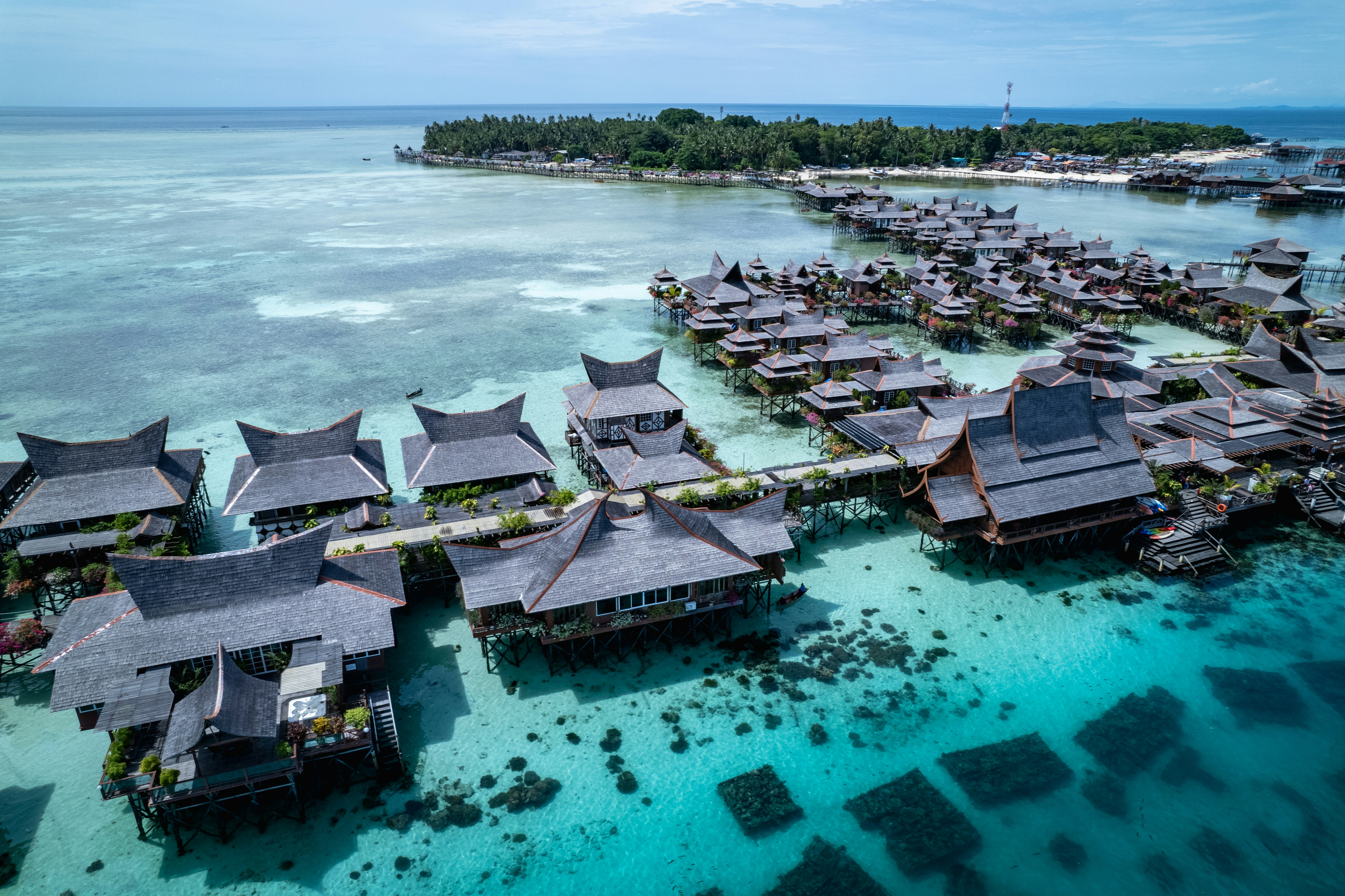
Malaysia has quickly become one of Southeast Asia’s most attractive destinations for remote workers, and for good reason. With its affordable cost of living, modern infrastructure, vibrant cities, and world-class beaches just a short flight away, the country offers an ideal base for digital nomads. To make things even easier, the Malaysian government introduced the Malaysia Digital Nomad Visa, officially known as the DE Rantau Nomad Pass.
This visa allows eligible remote professionals, freelancers, and digital entrepreneurs to legally live and work in Malaysia for an extended period, far beyond a standard tourist stay. In this guide, we’ll walk you through everything you need to know about the Malaysia Digital Nomad Visa, including eligibility requirements, application steps, costs, benefits, and key rules.
Whether you’re considering Kuala Lumpur, Penang, or a tropical island as your next remote work base, this guide will help you decide if Malaysia is the right choice for you.
Malaysia Digital Nomad Visa Overview
The Malaysia Digital Nomad Visa, officially called the DE Rantau Nomad Pass, is a long-term visa designed to allow foreign remote workers to live in Malaysia while working for overseas clients or employers. Launched in 2022 by the Malaysia Digital Economy Corporation (MDEC), the program was created to attract global digital talent and position Malaysia as a leading digital nomad hub in Southeast Asia.
Unlike a standard tourist visa, the DE Rantau Nomad Pass provides legal residency for several months at a time, with the option to renew. This makes it a practical solution for professionals who want stability, flexibility, and a high quality of life while working remotely. The visa also allows holders to bring eligible family members, making it suitable not only for solo nomads but also for couples and families.
Who Is It For?
The Malaysia Digital Nomad Visa is intended for location-independent professionals who earn income from outside Malaysia. This includes remote employees, freelancers, and self-employed individuals working in digital or professional fields.
While the program initially focused on technology roles such as software developers, designers, and IT specialists, eligibility has since expanded to include non-tech professional occupations, provided applicants meet the minimum income requirements and can prove ongoing remote work. The visa is open to foreign nationals of most countries, subject to standard background and documentation checks.
What Does It Allow You to Do?
The DE Rantau Nomad Pass allows you to legally live in Malaysia while working remotely for non-Malaysian companies or clients. Visa holders can stay in the country for up to 12 months initially, with the possibility of renewal, and enjoy multiple-entry privileges during the visa’s validity period.
In addition to remote work rights, the visa enables holders to:
Reside anywhere in Malaysia, including major cities and approved nomad hubs.
Bring a spouse and dependent children (subject to approval)
Access Malaysia’s modern infrastructure, coworking spaces, healthcare system, and lifestyle amenities.
Stay in the country long-term without relying on short-term tourist visa extensions.
However, the visa does not allow holders to work for Malaysian companies or earn income from Malaysian sources.

Malaysia Digital Nomad Visa Requirements
To apply for the Malaysia Digital Nomad Visa (DE Rantau Nomad Pass), applicants must submit a set of standard documents along with several key supporting requirements. These documents allow Malaysian authorities to verify your identity, income source, and ability to support yourself during your stay.
Below is an overview of the basic documents, followed by the most important eligibility requirements explained in more detail.
Applicants are generally required to prepare the following documents:
Completed DE Rantau Nomad Pass application form.
Valid passport (with sufficient validity remaining)
Recent passport-sized photograph.
Curriculum vitae (CV) or résumé.
Proof of current employment or freelance work.
Supporting documents showing remote work arrangements.
Proof of income or earnings.
Health insurance documentation.
Any additional documents requested by the authorities during review.
All documents are typically submitted online through the official DE Rantau application portal.
Proof of Financial Self-Sufficiency
To qualify for the Malaysia Digital Nomad Visa (DE Rantau Nomad Pass), applicants must meet a minimum annual income requirement to demonstrate financial self-sufficiency. The required amount depends on the applicant’s professional category, as defined by the program administrator.
Tech and digital professionals must show a minimum annual income of approximately USD 24,000.
Non-tech professional applicants are generally required to demonstrate a higher minimum annual income of around USD 60,000.
Income must be earned from non-Malaysian sources and should be supported by clear documentation, such as:
Employment contracts or offer letters.
Client agreements (for freelancers or self-employed applicants)
Payslips, invoices, or bank statements showing consistent income.
These income thresholds are designed to ensure that digital nomads can support themselves while living in Malaysia without seeking local employment. Applicants should always check the latest official guidelines before applying, as financial requirements may be updated by the authorities.
Proof of Remote Work
Applicants must prove that their work is fully remote and based outside Malaysia. This typically involves submitting:
An employment letter confirming remote work arrangements, or
Client contracts or project agreements for freelancers
The documentation should clearly indicate that your income comes from non-Malaysian sources, as working for local Malaysian companies is not permitted under this visa.
Private Health Insurance
Applicants must hold valid private health insurance that covers them for the duration of their stay in Malaysia. The insurance policy should include coverage for:
Medical treatment
Hospitalization
Emergency care
Proof of health insurance is required at the application stage and may also be requested upon entry or during visa renewal.
Passport Validity
Your passport must be valid for the entire intended duration of stay, with sufficient blank pages available for visa endorsements. Applicants are advised to renew their passports in advance if they are close to expiration.

How to Apply for the Malaysia Digital Nomad Visa – Step-by-Step Instructions
Applying for the Malaysia Digital Nomad Visa, officially known as the DE Rantau Nomad Pass, is a fully online process managed by the Malaysia Digital Economy Corporation (MDEC). Below is a step-by-step breakdown of how the application typically works, from preparation to approval.
Step 1: Check Your Eligibility
Before applying, confirm that you meet the basic eligibility criteria. You must be a foreign national working remotely for non-Malaysian clients or employers and meet the minimum income requirements. Your work must be location-independent, and you must not plan to work for Malaysian companies.
Step 2: Gather the Required Documents
Prepare all required documents in digital format before starting your application. This includes your passport, photograph, proof of income, proof of remote work, health insurance, and any supporting employment or freelance documentation. Having everything ready in advance helps avoid delays.
Step 3: Submit Your Online Application
Applications for the DE Rantau Nomad Pass are submitted through the official DE Rantau online portal. You will need to:
Create an account
Complete the application form
Upload all required documents
Review your information carefully before submission
Make sure all details match your supporting documents, as inconsistencies can lead to processing delays or rejection.
Step 4: Pay the Application Fee
After submitting your application, you will be required to pay the applicable visa fees online. Fees are charged per applicant, with additional costs for dependents if you are applying with family members. Payment confirmation is usually required for the application to proceed.
Step 5: Application Review and Processing
Once submitted, your application will be reviewed by the relevant authorities. During this stage, you may be contacted to provide additional information or clarification. Processing times can vary, so applicants should apply well in advance of their intended travel date.
Step 6: Receive Approval and Entry Instructions
If your application is approved, you will receive an official approval notice with instructions on the next steps. This may include entry requirements, visa endorsement procedures, or additional documentation needed upon arrival in Malaysia.
Step 7: Enter Malaysia and Complete Final Formalities
After approval, you can travel to Malaysia and complete any required immigration formalities. Once finalized, you will be able to legally live in Malaysia and work remotely under the conditions of the DE Rantau Nomad Pass for the duration of your visa.

Stay Requirements in Malaysia
Holders of the Malaysia Digital Nomad Visa (DE Rantau Nomad Pass) are required to comply with specific stay conditions throughout the validity of their visa. The visa is issued for a fixed period, typically ranging from 3 to 12 months, and holders must ensure they do not remain in the country beyond the approved duration unless a renewal has been granted.
During their stay, visa holders must continue working exclusively for non-Malaysian employers or clients and may not engage in local employment or provide services to Malaysian companies. The income source and remote work arrangement declared during the application must remain valid for the duration of the stay.
Visa holders are expected to maintain valid health insurance coverage at all times and continue meeting the program’s financial requirements. Authorities may request updated documentation if applying for an extension or renewal of the visa. In addition, passport validity must remain sufficient throughout the stay in Malaysia.
While the DE Rantau Nomad Pass allows multiple entries, holders must comply with Malaysian immigration laws on every entry and exit. Any significant changes to employment status, income, or personal circumstances may need to be reported and could affect eligibility for renewal. Failure to comply with these conditions may result in visa cancellation or future entry restrictions.

How Much Does the Malaysia Digital Nomad Visa Cost?
The cost of the Malaysia Digital Nomad Visa (DE Rantau Nomad Pass) depends on the length of stay and whether you are applying alone or with dependents. Fees are paid during the online application process and are charged per applicant.
In general, applicants can expect the following costs:
Main applicant fee: approximately MYR 1,000 (approximately USD $210–$230)
Dependent fee (per person): approximately MYR 500 (approximately USD $105–$115) for a spouse or child.
Visa endorsement or pass issuance fees: may apply after approval, depending on nationality and length of stay.
Additional costs: applicants should also budget for private health insurance, document preparation, translations (if required), and potential renewal fees
These fees cover the processing and issuance of the DE Rantau Nomad Pass but do not include personal living expenses or travel costs. Visa fees are non-refundable, even if the application is rejected, so it’s important to ensure all documents and eligibility requirements are met before applying.
Since visa fees and requirements can change, applicants are advised to check the latest official guidance before submitting their application.

Taxes for People With a Malaysia Digital Nomad Visa
One of the key considerations for digital nomads is understanding the tax implications of living and working in a new country. Holders of the Malaysia Digital Nomad Visa (DE Rantau Nomad Pass) are generally not taxed on income earned from foreign sources, provided they continue to work for clients or employers outside Malaysia. The visa specifically allows remote work for non-Malaysian companies, and income sourced from abroad is considered foreign income under Malaysian tax regulations.
Digital nomads should be aware that income earned from Malaysian sources is subject to Malaysian tax. This means that if a visa holder provides services to a Malaysian company or earns income locally, that portion of income must be declared and taxed according to Malaysian law.
Applicants and visa holders are strongly encouraged to maintain proper documentation of their remote work arrangements and overseas income, such as employment contracts, invoices, and bank statements, to demonstrate compliance with the visa conditions and tax rules. While Malaysia does not impose a digital nomad-specific tax, nomads should also verify tax obligations in their home country, as some countries tax worldwide income regardless of residency.
For peace of mind, consulting a tax professional familiar with international remote work can help ensure that you meet all obligations while legally optimizing your tax position during your stay in Malaysia.

Living in Malaysia with the Digital Nomad Visa
Living in Malaysia as a digital nomad offers a unique combination of modern urban conveniences and stunning natural landscapes. Cities like Kuala Lumpur and Penang provide high-speed internet, coworking spaces, and a wide variety of international cuisine, while coastal areas and islands offer relaxed, tropical lifestyles perfect for balancing work and leisure. The DE Rantau Nomad Pass allows remote workers to stay for several months with legal residency, giving them the freedom to explore the country, immerse themselves in local culture, and enjoy Malaysia’s affordable cost of living.
Beyond work and lifestyle, Malaysia offers a safe and welcoming environment for expats. The country’s healthcare system is modern and accessible, public transportation is well-developed in major cities, and English is widely spoken, making daily life easier for international professionals. Nomads can also bring their families, enjoy multiple-entry privileges, and settle into a comfortable routine without worrying about frequent visa runs, making Malaysia a practical and attractive base for long-term remote work.
Best Cities to Live in Malaysia
Malaysia offers a variety of cities that cater to different lifestyles, from bustling urban centers to laid-back coastal towns. Here are three of the best cities for digital nomads with the DE Rantau Nomad Pass:
Kuala Lumpur

As Malaysia’s capital and largest city, Kuala Lumpur is a hub for business, technology, and culture. The city boasts modern infrastructure, reliable high-speed internet, and a wide array of coworking spaces, making it ideal for remote professionals. Beyond work, KL offers a vibrant food scene, extensive shopping options, and rich cultural experiences, from historic temples to modern art galleries, all within easy reach.
Penang
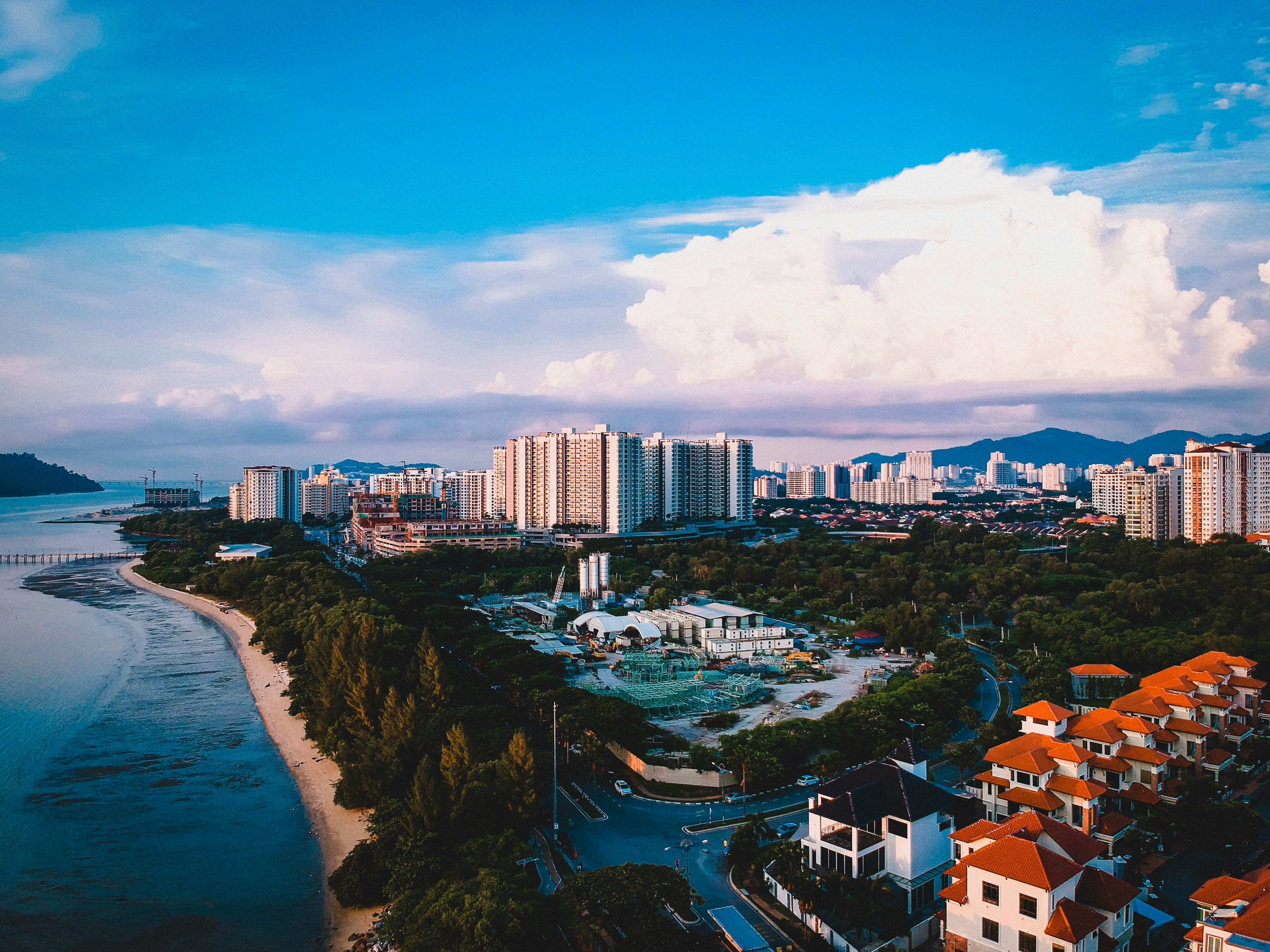
Penang, known for its capital George Town, combines colonial charm with a thriving digital scene. This UNESCO World Heritage city attracts creative professionals with its blend of history, art, and cuisine. Penang offers a slower pace than Kuala Lumpur while maintaining access to good internet, coworking hubs, and affordable living, making it perfect for nomads who want a balance of productivity and leisure.
Johor Bahru
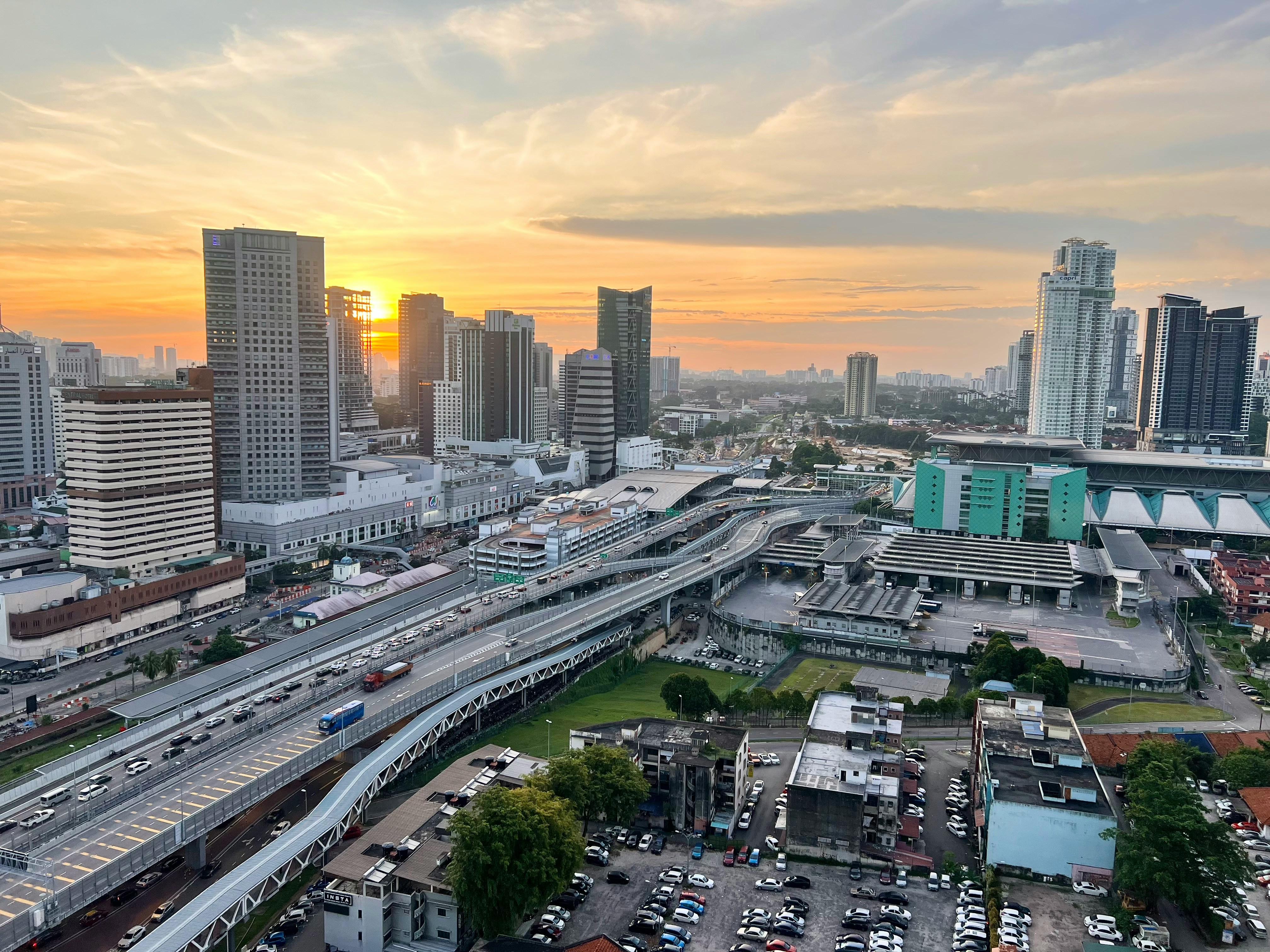
Located just across the causeway from Singapore, Johor Bahru is an emerging hotspot for remote workers seeking lower living costs while staying close to a major economic hub. The city provides modern amenities, growing coworking spaces, and easy access to Malaysia’s southern beaches. Its proximity to Singapore also makes it convenient for business meetings or weekend trips, giving digital nomads flexibility and lifestyle variety.
Cost of Living
The official currency of Malaysia is the Malaysian Ringgit (MYR). 1 MYR ≈ 0.24 USD.
The average net monthly salary in Malaysia is around RM 3,650–3,652 per month, which equates to approximately $860–$870 USD per month.
Here’s a rundown of what you should expect to pay in different cities:
Kuala Lumpur
Rent (1 bedroom in city center): ~$325–$760 per month
Rent (3 bedrooms outside city center): ~$565–$900 per month
Basic Utilities: ~$48–$76 per month
Wi‑Fi: ~$19–$43 per month
Public Transport: ~$10–$26 monthly pass
Groceries (2 people): ~$130–$260 per month
Penang (George Town)
Rent (1 bedroom in city center): ~$215–$390 per month
Rent (3 bedrooms outside city center): ~$405–$790 per month
Basic Utilities: ~$48–$76 per month
Wi‑Fi: ~$19–$43 per month
Public Transport: ~$10–$22 monthly pass
Groceries (2 people): ~$130–$225 per month
Johor Bahru
Rent (1 bedroom in city center): ~$335–$650 per month
Rent (3 bedrooms outside city center): ~$585–$875 per month
Basic Utilities: ~$39–$69 per month
Wi‑Fi: ~$19–$43 per month
Public Transport: ~$10–$22 monthly pass
Groceries (2 people): ~$135–$205 per month
FAQs
Who is eligible for the Malaysia Digital Nomad Visa?
The visa is open to foreign nationals who work remotely for non-Malaysian employers or clients. Both tech and non-tech professionals can apply, provided they meet the minimum income requirements and have proof of ongoing remote work. Dependents, such as a spouse and children, can also accompany the main applicant.
How long can I stay in Malaysia on the DE Rantau Nomad Pass?
The visa is initially valid for 3 to 12 months, depending on the applicant’s profile, with the possibility of renewal for up to an additional 12 months. Visa holders can enter and exit Malaysia multiple times during the validity period.
Can I work for a Malaysian company while on this visa?
No. The DE Rantau Nomad Pass only allows remote work for companies or clients outside Malaysia. Earning income from Malaysian sources is not permitted and could result in visa cancellation.
What documents do I need to apply?
Applicants must provide a completed application form, a valid passport, recent passport-sized photos, proof of remote work, proof of income meeting minimum thresholds, and private health insurance. Additional documents may be requested depending on your profession or family situation.
Are digital nomads required to pay Malaysian taxes?
Income earned from non-Malaysian sources is generally not taxed in Malaysia. However, income sourced from Malaysian clients or employers is subject to Malaysian tax. Nomads should also check tax obligations in their home country, as some countries tax worldwide income.
Author
)
Nadia Dardón is a content creator from Guatemala. She has worked fully remotely for the past six years as a copywriter, editor, and content creator, working for different industries. She started her digital nomad journey in 2022 and currently lives as an expat in Spain.


