
Iceland Digital Nomad Visa - 2025 Update
)
Nadia Dardón
Immigration Content Writer
Last update
)

Iceland Rating from Citizen Remote
Overall  3.6
3.6

Internet Infrastructure 5.0
Country Stability 5.0
Cost of Living 1.0
Ease of Obtaining Visa 3.0
Taxes 4.0
Quick Visa Facts

Visa length Up to 180 days

Possible to extend? No; the visa is temporary and cannot be extended while in Iceland.

Who can apply? Non-EEA/EFTA nationals working remotely for a foreign employer or clients, including freelancers and self-employed professionals.

Minimum Income Requirements Single applicant: ISK 1,000,000/month (~$7,000–$7,800 USD). Applicant with spouse/partner: ISK 1,300,000/month (~$9,000–$10,100 USD).

Time for visa applications Typically several weeks, though processing times can vary depending on volume and whether additional documents are requested.
Want to know if you can apply?
Complete a visa quiz and see if you qualify!
Iceland has long captured the imagination of remote workers with dramatic landscapes, clean cities, excellent infrastructure, and a strong sense of balance between work and life. If you’ve ever dreamed of answering emails with views of glaciers, volcanoes, or the Northern Lights, the Iceland Digital Nomad Visa may be exactly what you’re looking for.
Officially known as the Long-Term Visa for Remote Workers, this visa allows eligible non-EEA nationals to live in Iceland while continuing to work remotely for an employer or business based outside the country. It’s designed specifically for digital nomads, freelancers, and location-independent professionals who want to experience life in Iceland without entering the local labor market.
In this guide, we’ll explain everything you need to know about the Iceland Digital Nomad Visa, from eligibility requirements and income thresholds to application steps, documents, validity, and important limitations.
Whether you’re planning a short-term remote stay or simply exploring your visa options, this article will help you understand if Iceland is the right destination for your remote-work journey.
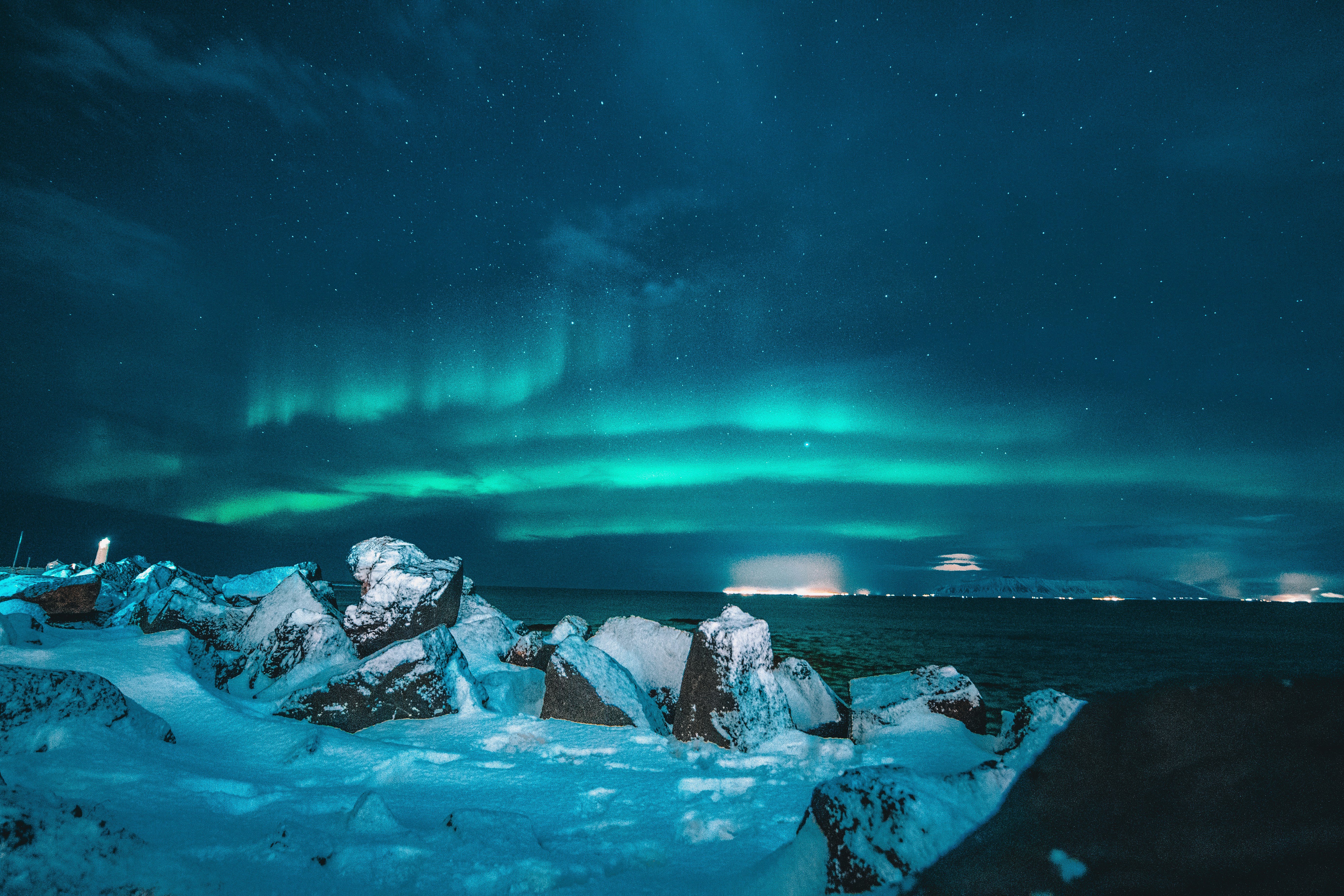
Iceland Digital Nomad Visa Overview
The Iceland Digital Nomad Visa, officially called the Long-Term Visa for Remote Workers, is a residence option that allows eligible foreign nationals to live in Iceland while working remotely for a company or business based outside the country. Introduced in 2020, this visa was created to accommodate the growing number of location-independent professionals who want to experience life in Iceland without entering the local labor market.
Unlike traditional work permits, this visa is specifically designed for remote employees, freelancers, and self-employed individuals who earn their income abroad and use digital tools to work. It offers a legal pathway to stay in Iceland beyond the standard Schengen tourist limit, making it an attractive option for digital nomads looking for a longer, more immersive stay.
The visa is temporary and does not lead to permanent residence, but it provides a structured and lawful way to live in Iceland while maintaining professional ties elsewhere.
Who Is It For?
The Iceland Digital Nomad Visa is intended for non-EEA/EFTA nationals who work remotely and can demonstrate a stable income from sources outside Iceland. It is suitable for:
Remote employees working for a foreign company.
Freelancers or self-employed professionals with clients abroad.
Digital nomads who are not seeking employment within Iceland.
Applicants must meet specific income requirements and show that they do not intend to settle permanently or participate in the Icelandic labor market.
What Does It Allow You to Do?
This visa allows you to:
Live in Iceland for up to 180 days while working remotely.
Legally work online for a non-Icelandic employer or business.
Travel freely within the Schengen Area during the visa’s validity.
Experience daily life in Iceland beyond a short tourist stay.
However, it does not allow you to work for Icelandic companies, provide services to local clients, or register as a resident with access to public services such as an Icelandic ID number.
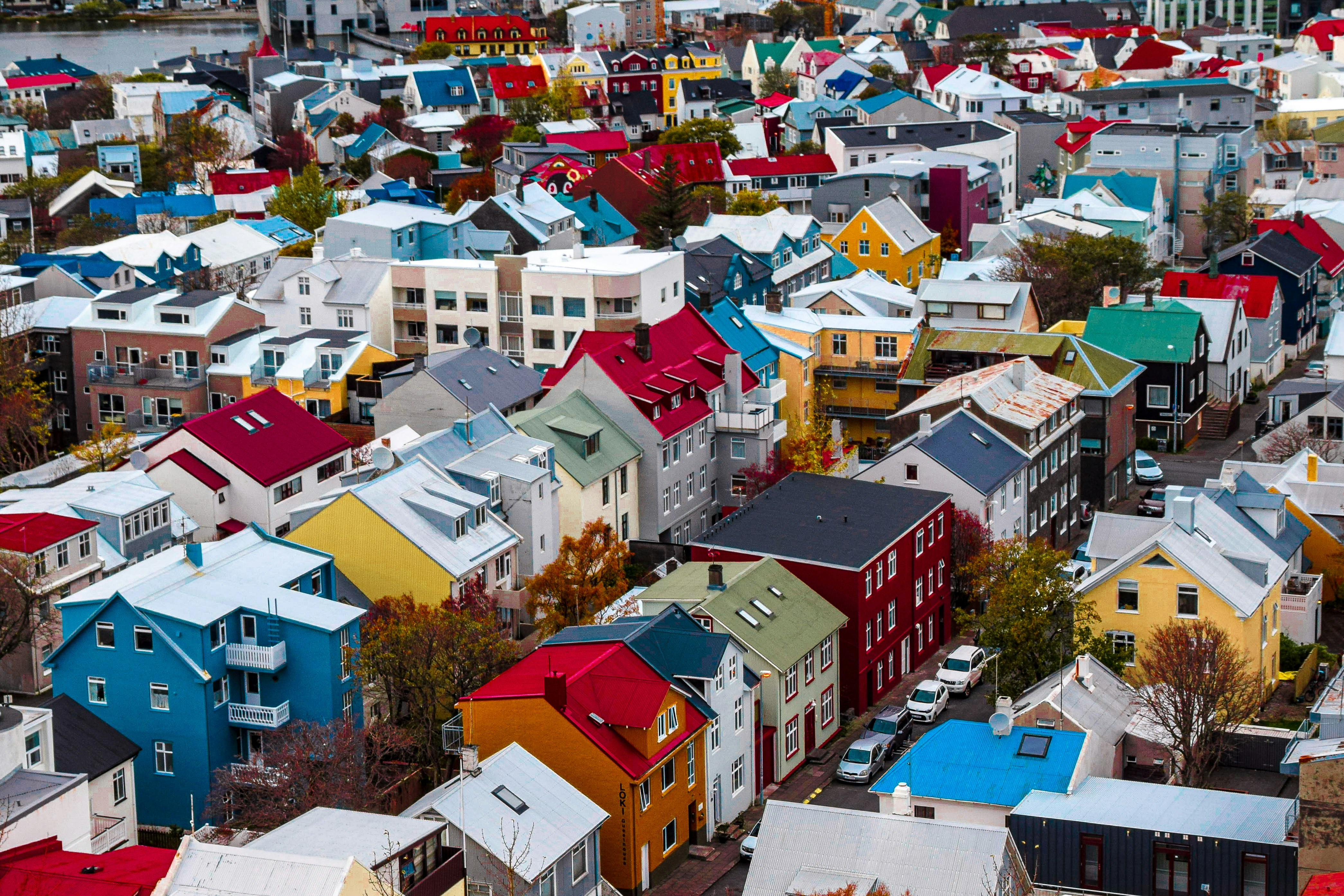
Iceland Digital Nomad Visa Requirements
To apply for the Iceland Digital Nomad Visa (Long-Term Visa for Remote Workers), applicants must submit a complete application along with supporting documentation that proves eligibility, financial stability, and compliance with Icelandic immigration rules. All documents must be accurate, up to date, and, if requested, officially translated.
Applicants are generally required to submit the following documents:
Completed Long-Term Visa application form.
Valid passport (issued within the last 10 years and valid for at least 3 months beyond the intended stay)
Copy of the passport’s biographical data page.
Recent passport-sized photographs.
Proof of payment of the visa application fee.
Proof of accommodation in Iceland (if available at the time of application)
Statement of purpose explaining the reason for applying.
Any additional documents requested by Icelandic immigration authorities.
Submitting incomplete or inconsistent documentation may result in processing delays or rejection.
Proof of Financial Self-Sufficiency
One of the most important requirements for the Iceland Digital Nomad Visa is demonstrating financial self-sufficiency. You must show that you have a stable income at or above the minimum monthly threshold set by Icelandic authorities.
Officially, applicants must prove that their monthly income meets the following minimums:
ISK 1,000,000 per month (for a single applicant) Approx. $7,000 – $7,800 USD/month.
ISK 1,300,000 per month (if applying with a spouse or cohabiting partner) Approx. $9,000 – $10,100 USD/month.
You must provide documentation showing that your income meets these thresholds, for example, employment contracts, pay statements, bank records, or freelance contracts, and that the income originates from sources outside Iceland (remote work or self-employment abroad).
Proof of Remote Work or Self-Employment
You must prove that you will be working remotely during your stay in Iceland. This includes an employment contract or confirmation letter from a non-Icelandic employer, or documentation showing self-employment or freelance activity with foreign clients.
The documentation must clearly state that your work is location-independent and does not involve Icelandic companies or clients.
Private Health Insurance
Applicants are required to hold private health insurance that is valid in Iceland for the entire duration of their stay.
The insurance policy must cover medical treatment, emergencies, and hospitalization, be valid for the full visa period, and clearly list coverage amounts and geographical validity
Travel insurance is not accepted; it must be long-term residency health insurance. You can find our recommendations for the best health insurance plans here.

How to Apply for the Iceland Digital Nomad Visa – Step-by-Step Instructions
Applying for the Iceland Digital Nomad Visa, officially known as the Long-Term Visa for Remote Workers, is a straightforward but formal process. Applications are reviewed by Icelandic immigration authorities and must be submitted correctly to avoid delays.
Step 1: Check That You Meet the Eligibility Criteria
Before starting your application, confirm that you meet all eligibility requirements. This includes being a non-EEA/EFTA national, working remotely for a non-Icelandic employer or clients, meeting the minimum income requirement, and intending to stay in Iceland on a temporary basis only.
Step 2: Complete the Application Form
Fill out the official long-term visa application form carefully and accurately. Any inconsistencies between the form and your supporting documents may slow down the review process or lead to a refusal.
Step 3: Pay the Visa Application Fee
The application fee must be paid before submitting your application. Proof of payment must be included with your application, and the fee is non-refundable, regardless of the outcome.
Step 4: Submit Your Application
Applications for the Iceland Digital Nomad Visa are submitted in paper format. Depending on your location, this is typically done by mailing your application to the Directorate of Immigration in Iceland or submitting it through an Icelandic diplomatic mission, if available.
Online applications are not currently accepted for this visa.
Step 5: Wait for a Decision
After submission, immigration authorities will review your application. Processing times can vary, and you may be contacted if additional clarification or documentation is needed. It’s important not to make non-refundable travel plans until your visa has been approved.
Step 6: Enter Iceland After Approval
Once your visa is approved, you must enter Iceland within the validity period stated in your decision letter. In some cases, you may be required to notify the Directorate of Immigration after arrival to complete the process.
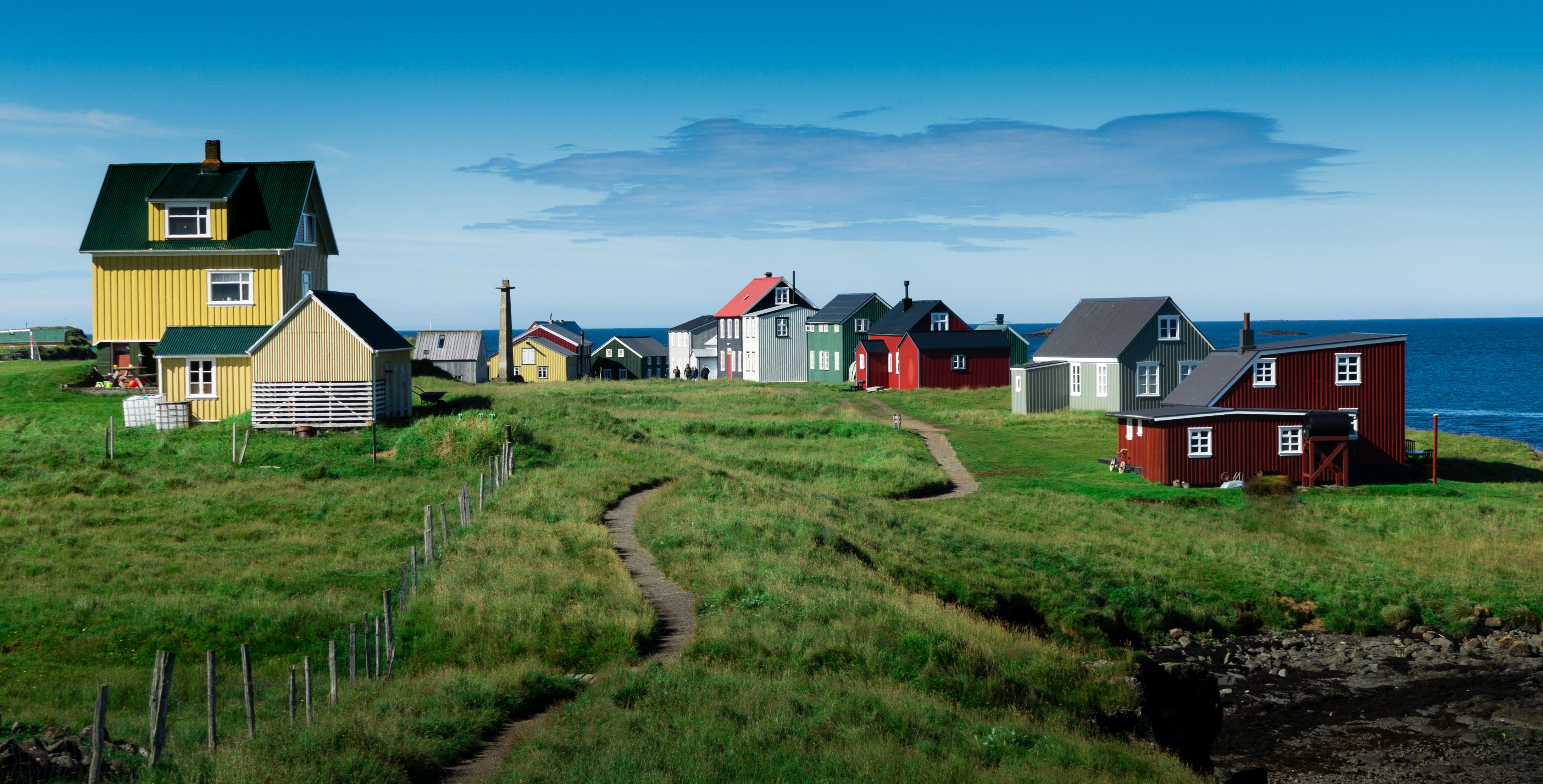
Stay Requirements in Iceland
Holders of the Iceland Digital Nomad Visa must comply with specific stay conditions throughout their time in the country. The visa is strictly temporary and is intended for remote work only, meaning you must continue working for a non-Icelandic employer or business and may not engage in the Icelandic labor market or provide services to local clients.
Your stay in Iceland under this visa is limited to the period granted in your approval, and overstaying is not permitted. The visa does not lead to permanent residence and cannot be converted into a different residence permit while in Iceland. Applicants are also expected to maintain valid private health insurance for the entire duration of their stay and continue to meet the required income threshold throughout the visa period.
You must respect Iceland’s immigration rules during your stay, including Schengen travel limits and entry conditions. While the visa allows you to live in Iceland legally for the approved period, it does not grant access to public benefits, social security, or an Icelandic personal identification number (kennitala). Failure to comply with these stay requirements may result in visa cancellation or future entry restrictions.
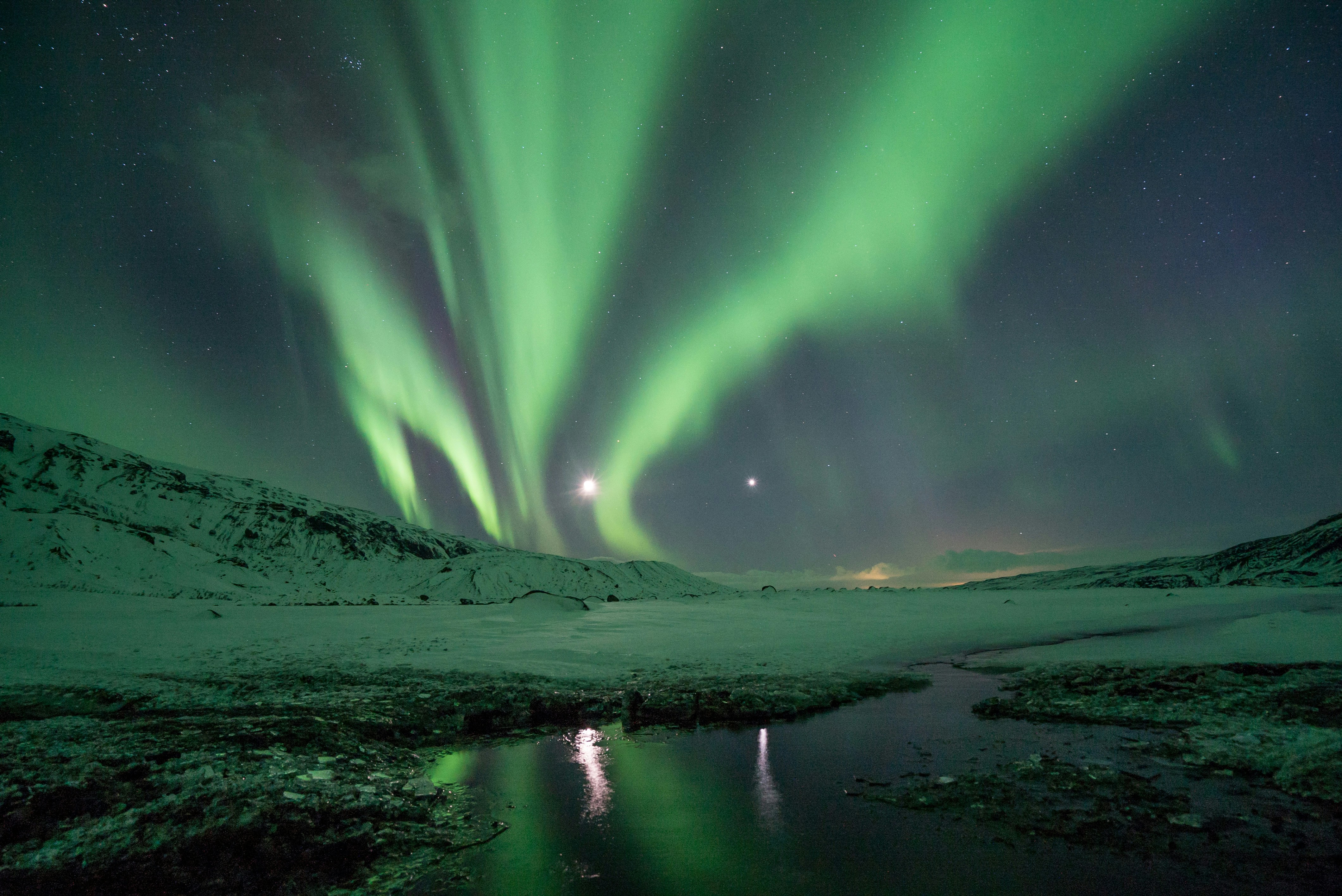
How Much Does the Iceland Digital Nomad Visa Cost?
The Iceland Digital Nomad Visa is relatively affordable in terms of government fees, especially when compared to long-term residence permits in other countries. However, applicants should also factor in additional indirect costs related to meeting the visa requirements.
The official application fee for the Iceland Digital Nomad Visa is:
ISK 12,200 (approximately $85–$95 USD)
This fee must be paid before submitting the application and is non-refundable, even if the visa is refused.
In addition to the application fee, applicants should budget for other potential costs, such as obtaining private health insurance valid in Iceland, preparing certified translations of documents if required, and covering mailing or courier fees for submitting a paper-based application. While these costs are not paid to Icelandic authorities directly, they are necessary to meet the visa requirements and should be considered as part of the overall expense of applying.

Taxes for People With the Iceland Digital Nomad Visa
If you hold the Iceland Digital Nomad Visa (Long-Term Visa for Remote Workers), your tax situation is generally straightforward, but it depends largely on how long you stay in Iceland and where your income is sourced.
In most cases, digital nomad visa holders do not become Icelandic tax residents, as the visa allows a stay of up to 180 days and does not grant residence status. Under Icelandic tax rules, individuals typically become tax residents only if they stay in the country for 183 days or more within a 12-month period. Because of this, most remote workers on this visa remain tax residents of their home country or another jurisdiction.
The visa also strictly limits employment activity. You are allowed to work only for a non-Icelandic employer or business, meaning your income is generated abroad. As a result, Icelandic income tax is generally not applicable to earnings made outside Iceland during a short-term stay under this visa.
However, visa holders are still responsible for:
Complying with tax obligations in their country of tax residence.
Ensuring their employer or business continues to handle payroll and tax reporting correctly.
Understanding any implications under double taxation agreements, if applicable.
The visa does not grant an Icelandic personal identification number (kennitala), access to the Icelandic tax system, or enrollment in social security. This further reinforces the temporary and non-resident nature of the stay.
Because tax situations can vary based on nationality, income structure, and length of stay, applicants are strongly encouraged to consult a qualified tax advisor before relocating to Iceland to ensure full compliance with all applicable laws.
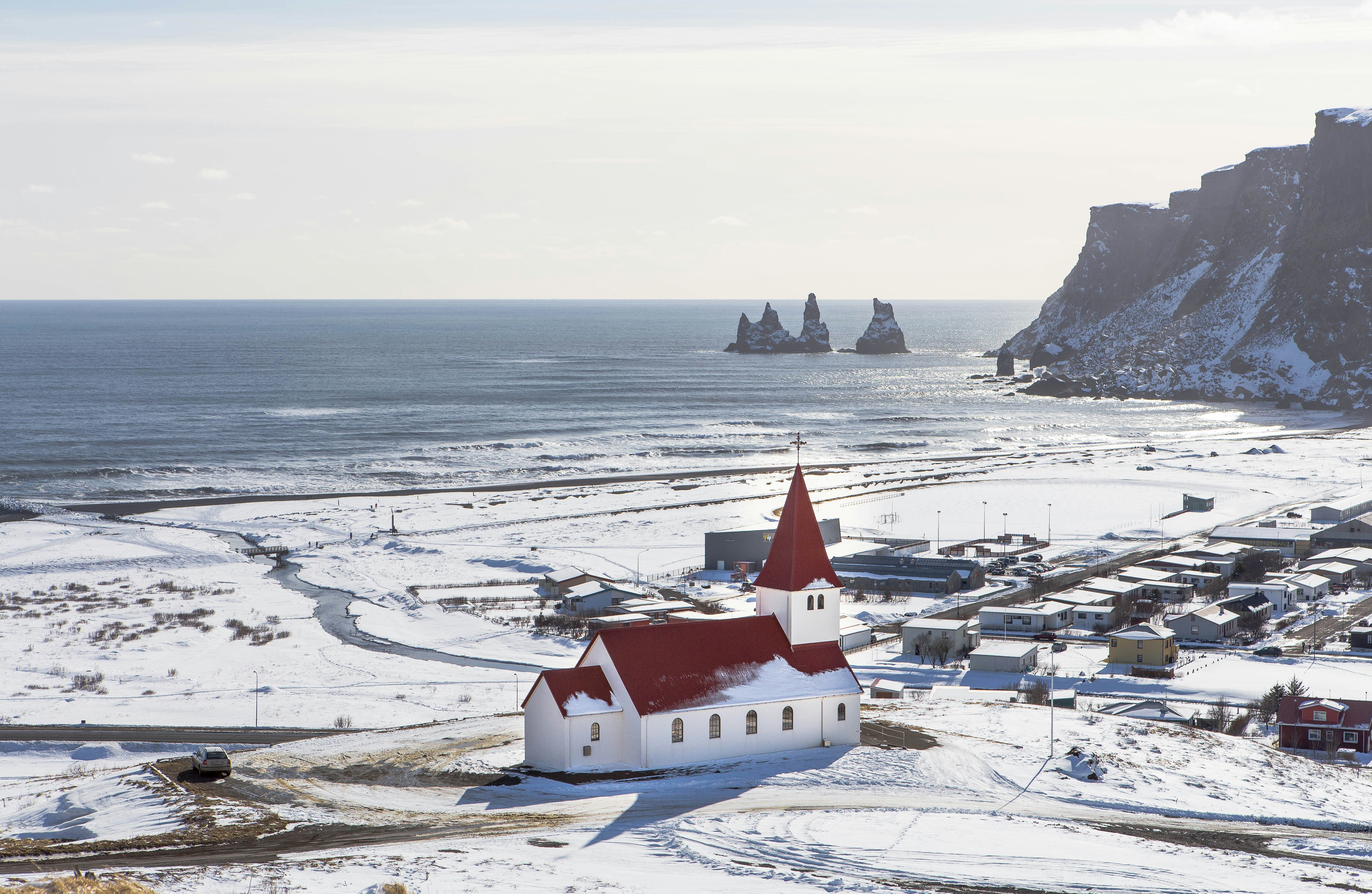
Living in Iceland with the Digital Nomad Visa
Living in Iceland on the Digital Nomad Visa offers a unique opportunity to experience one of the most scenic and digitally connected countries in the world. From the striking landscapes of glaciers, volcanoes, and waterfalls to the vibrant cultural life in Reykjavik, Iceland provides a balance of adventure and modern convenience. Internet connectivity is reliable in urban areas, and coworking spaces are increasingly available, making it easier for remote workers to stay productive while enjoying life in a new environment. Daily life is generally safe, clean, and well-organized, giving digital nomads peace of mind as they settle into their temporary home.
Beyond the natural beauty and work-friendly infrastructure, living in Iceland requires careful planning due to the country’s high cost of living and unique climate. Housing, groceries, and services tend to be more expensive than in many other European countries, so meeting the financial self-sufficiency requirement of the visa is essential. Seasonal variations in daylight and weather can also affect lifestyle and work routines, but for many, these challenges are part of the country’s charm. With the Digital Nomad Visa, remote workers have the flexibility to explore Icelandic culture, enjoy outdoor adventures, and connect with a small but growing community of international professionals, all while staying fully compliant with immigration regulations.
Best Cities to Live in Iceland
Iceland may be known for its natural wonders, but it also offers vibrant urban centers that are ideal for digital nomads seeking both work opportunities and lifestyle conveniences. Here are three of the best cities to consider when living in Iceland on the Digital Nomad Visa:
Reykjavik
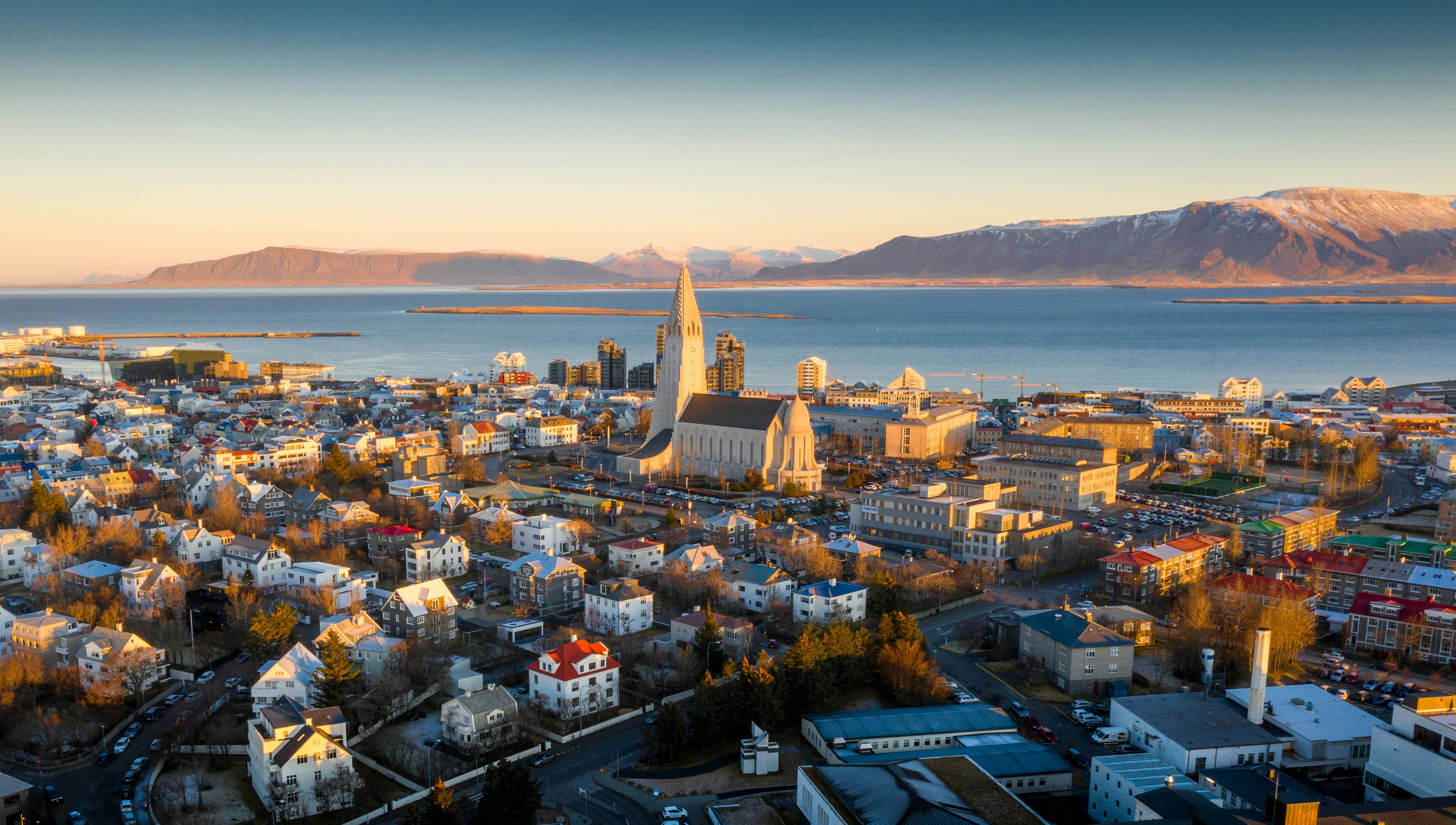
As the capital and largest city of Iceland, Reykjavik is the hub of culture, business, and social life. It offers excellent internet connectivity, coworking spaces, cafes, and a wide range of restaurants and entertainment options. Despite being small by international standards, Reykjavik has a lively arts scene, plenty of cultural events, and easy access to the stunning natural landscapes surrounding the city. For digital nomads, it provides the perfect balance of urban convenience and Icelandic charm.
Akureyri
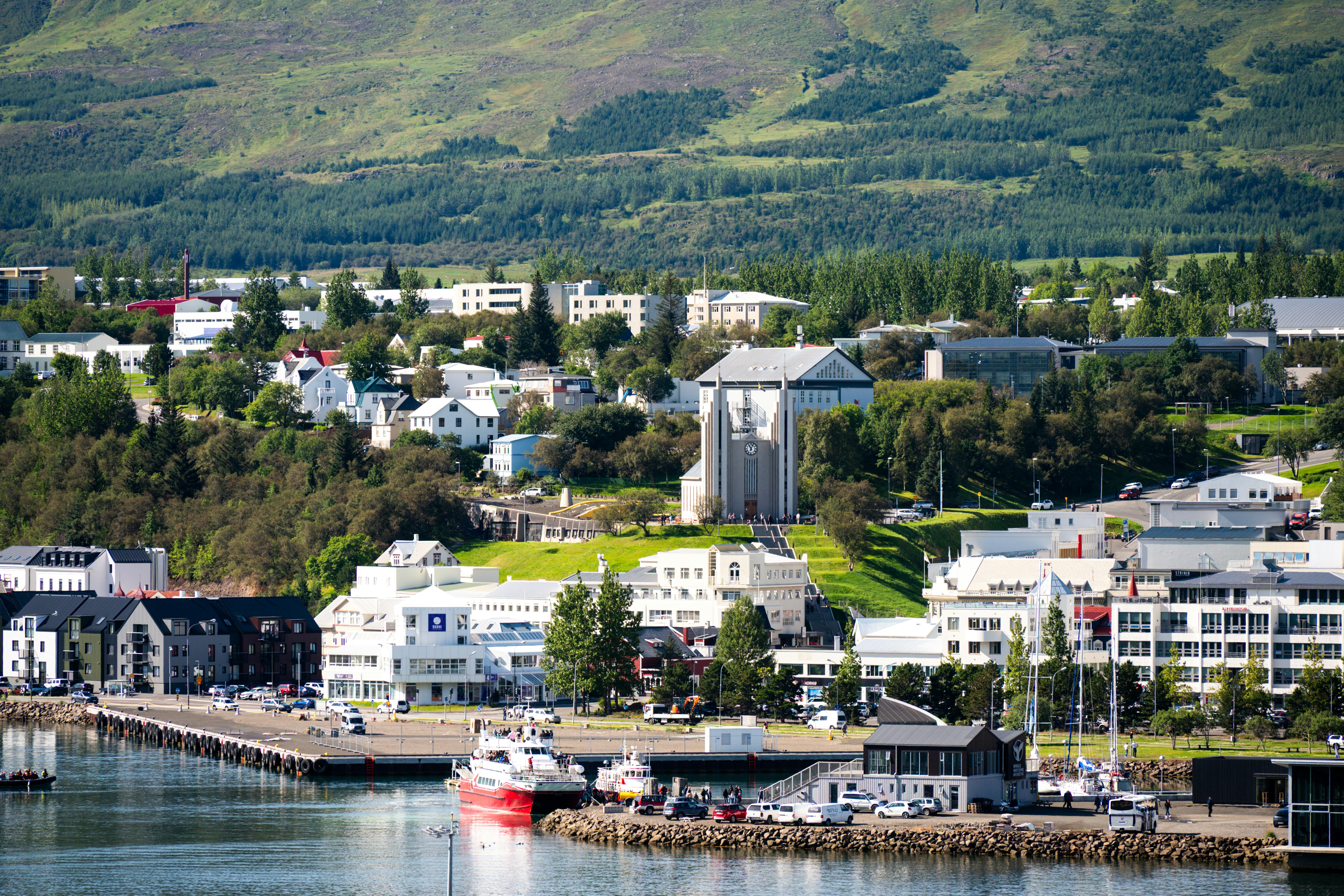
Located in northern Iceland, Akureyri is often called the “Capital of the North.” This picturesque town is smaller and quieter than Reykjavik but offers a high quality of life, excellent local services, and a welcoming community atmosphere. Akureyri has a growing coworking scene and is surrounded by incredible natural beauty, from fjords to mountains, making it an ideal location for those who enjoy outdoor adventures alongside their remote work.
Kópavogur

Just a short distance from Reykjavik, Kópavogur is Iceland’s second-largest municipality and offers a more suburban lifestyle while still being close to the amenities of the capital. It provides convenient access to shopping, schools, and healthcare, along with several recreational areas and parks. Digital nomads living in Kópavogur benefit from a quieter environment for focused work while remaining near Reykjavik’s coworking spaces and professional networks.
Cost of Living
The official currency of Iceland is the Icelandic króna (ISK). 1 ISK ≈ $0.0078 USD.
The average net monthly salary in Iceland is around ≈ IS 950,000 per month, which equates to approximately $6,800 USD.
Here’s a rundown of what you should expect to pay in different cities:
Reykjavik
Rent (1 bedroom in city center) – $1,992 per month
Rent (3 bedrooms outside city center) – $2,492 per month
Basic Utilities – $72 per month (electricity, heating, water, garbage)
Wi‑Fi – $68 per month
Public Transport – $4.56 one‑way
Groceries (2 people) – $800–$1,000 per month
Akureyri
Rent (1 bedroom in city center) – $1,289 per month
Rent (3 bedrooms outside city center) – $1,707 per month
Basic Utilities – $131 per month
Wi‑Fi – $93 per month
Public Transport – Free one‑way (local bus service is free)
Groceries (2 people) – $600–$800 per month
Kópavogur
Rent (1 bedroom in city center) – $1,593 per month
Rent (3 bedrooms outside city center) – $2,099 per month
Basic Utilities – $72 per month
Wi‑Fi – $65 per month
Public Transport – $4.51 one‑way
Groceries (2 people) – $700–$900 per month
FAQs
Who is eligible for the Iceland Digital Nomad Visa?
The visa is available to non-EEA/EFTA nationals who work remotely for a foreign employer or clients, meet the minimum income requirement, and intend to stay in Iceland temporarily without entering the local labor market.
How long can I stay in Iceland with this visa?
The visa allows you to stay in Iceland for up to 180 days if applying from outside the country. It is strictly temporary and does not lead to permanent residence.
Can I bring my family with me?
Yes, spouses or cohabiting partners and children under 18 may apply to accompany you, provided you meet additional income and documentation requirements.
Do I have to pay taxes in Iceland while on this visa?
Generally, visa holders do not become Icelandic tax residents if staying under 183 days, and income from remote work abroad is usually not taxed in Iceland. However, you remain responsible for tax obligations in your home country.
Can I work for an Icelandic company while on this visa?
No, the visa only permits remote work for employers or clients outside Iceland. Working for local Icelandic businesses or clients is not allowed under this visa.
Author
)
Nadia Dardón is a content creator from Guatemala. She has worked fully remotely for the past six years as a copywriter, editor, and content creator, working for different industries. She started her digital nomad journey in 2022 and currently lives as an expat in Spain.


