
Hungary Digital Nomad Visa (White Card) - 2025 Update
)
Nadia Dardón
Immigration Content Writer
Last update
)

Hungary Rating from Citizen Remote
Overall  4.4
4.4

Internet Infrastructure 4.0
Country Stability 5.0
Cost of Living 5.0
Ease of Obtaining Visa 4.0
Taxes 4.0
Quick Visa Facts

Visa length 1 year

Possible to extend? Yes, for an additional 1 year

Who can apply? Non-EU/EEA citizens

Minimum Income Requirements €3,000 per month, verified over the six months prior to application

Time for visa applications Approximately 30 days
Want to know if you can apply?
Complete a visa quiz and see if you qualify!
If you’ve ever dreamed of working remotely from a charming European city, where thermal baths, café-lined boulevards, and fast, reliable internet are part of daily life, Hungary might be calling your name. In recent years, the country has become an unexpected hotspot for digital nomads, thanks to its welcoming vibe, affordable cost of living, and central access to the rest of Europe.
To make things even better, Hungary introduced the Digital Nomad Visa, officially known as the White Card, offering location-independent professionals a legal and straightforward way to live in Hungary while working remotely for companies abroad.
Whether you're drawn to Budapest’s creative energy or the laid-back pace of Hungary’s smaller towns, the White Card opens the door to a European lifestyle without the typical relocation complexities. In this guide, we’ll break down everything you need to know (requirements, documents, fees, and how to apply) so you can plan your move with complete confidence.
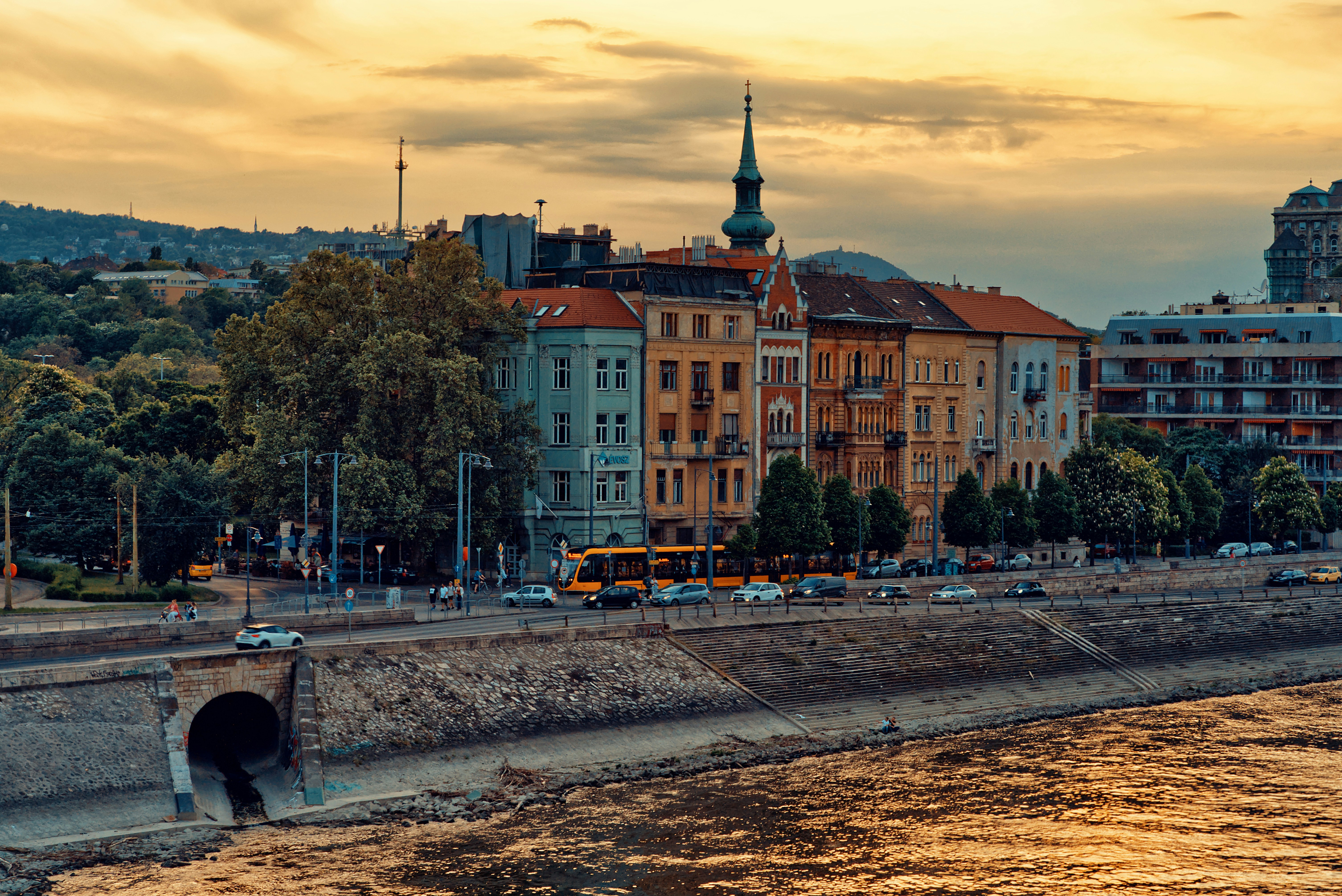
Hungary Digital Nomad Visa (White Card) Overview
Hungary’s Digital Nomad Visa, officially called the White Card, is a special residence permit introduced by Hungary to welcome remote professionals from outside the EU/EEA. Launched in 2022, this program gives eligible digital nomads the legal framework to live in Hungary while doing location-independent work for non-Hungarian employers or foreign companies.
It’s designed to be flexible and straightforward for long-term remote workers, allowing them to settle in an EU country with great culture, affordable living, and easy access across Europe, all while keeping their employment outside Hungary.
Who Is It For?
The White Card is intended for third-country nationals, meaning people who are not citizens of Hungary or any EU/EEA country, who are already working remotely. Eligible applicants must either:
Have a verified employment relationship with a company outside of Hungary and perform their work from Hungary using digital technology, or
Own or manage a foreign company (with verifiable profits) and work remotely from Hungary.
Importantly, applicants must not engage in any gainful activity in Hungary (e.g., employment with Hungarian companies), and cannot hold shares in a Hungarian business.
What Does It Allow You to Do?
Holding a White Card lets you:
Live in Hungary legally for up to one year, with the option to renew once for an additional year, meaning you can stay for up to two years in total.
Work remotely for your foreign employer or manage your foreign business using digital technology from within Hungary.
Benefit from Hungarian residency while remaining tied to your overseas work, without needing to shift your employer to a Hungarian entity.
While the White Card does not allow employment with Hungarian companies or family reunification rights, it does give remote workers a stable base in Europe with legal permission to stay and work. As long as the visa requirements continue to be met.

Hungary Digital Nomad Visa Requirements
Below is a clear list of all the basic documents and special requirements you must prepare when applying for the Hungary Digital Nomad Visa (White Card).
Before diving into special categories, every applicant must have the following:
Completed application form (and any official appendices), accurately filled and signed.
Recent facial photograph (biometric style) in accordance with Hungarian standards.
Valid passport, with sufficient blank pages and validity beyond your intended stay.
Biometric data, facial photo & (if applicable) fingerprints will be recorded.
These are mandatory for processing your residence permit application.
Proof of Financial Self-Sufficiency
You must show that you have stable and sufficient financial means to support yourself as a digital nomad. Typically, this includes:
Recent bank statements showing income and/or savings
Evidence of steady monthly income (often interpreted as around €3,000 monthly over multiple months in official guidance)
Salary slips, contracts, or business documents showing regular earnings
This is a core requirement to prove you won’t be a burden while living in Hungary.
Proof of Remote Employment or Business Ownership
Since the White Card is specifically for digital nomads, it is essential to provide clear documentation that work is conducted remotely. This may include employment contracts with foreign companies, letters from employers confirming remote work arrangements, or official documents showing ownership or management of a company registered outside Hungary. These materials must clearly indicate that the applicant’s income does not come from Hungarian sources.
Proof of Accommodation in Hungary
To obtain a residence permit, applicants must show evidence of a place to live in Hungary for the duration of their stay. This can be demonstrated through a signed lease agreement, property ownership document, or a long-term accommodation reservation. The documentation must include the address and the period of intended residence, confirming that the applicant has arranged suitable living arrangements.
Private Health Insurance
Every applicant must hold comprehensive private health insurance valid in Hungary. This insurance must cover all essential medical services, including hospitalization and emergency care, for the entire period of residence. The requirement ensures that digital nomads have access to healthcare without relying on Hungary’s public system.
Travel insurance is not accepted; it must be long-term residency health insurance. You can find our recommendations for the best health insurance plans here.
Proof of Exit Conditions
Finally, applicants must show that they meet all entry and exit requirements, which primarily involves having a valid passport and demonstrating the ability to leave Hungary at the end of their stay. This can be evidenced through sufficient financial means or, in some cases, a booked return or onward travel ticket. These requirements help ensure compliance with Hungarian immigration regulations.
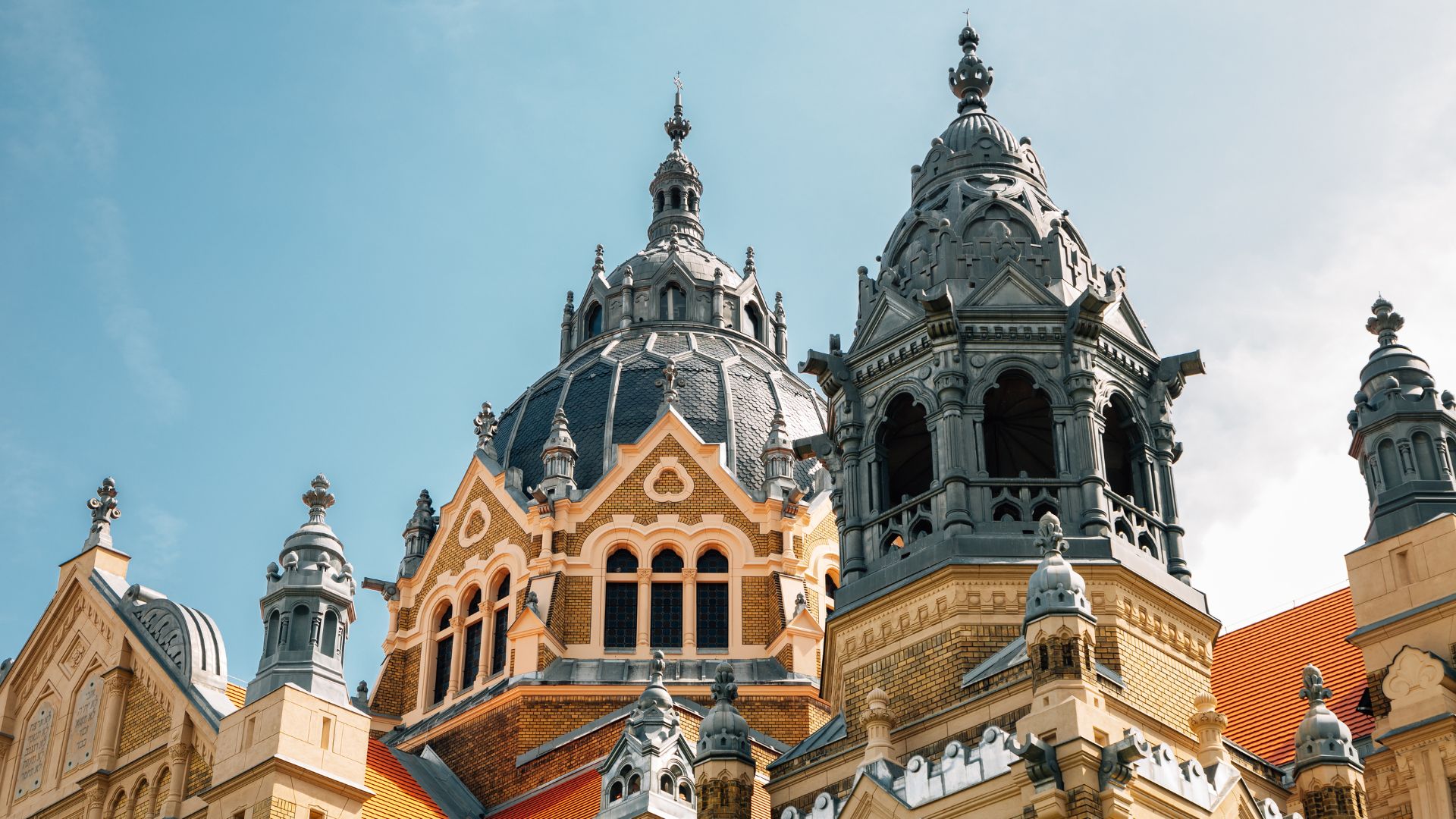
How to Apply for the Hungary Digital Nomad Visa (White Card) – Step-by-Step Instructions
Applying for the Hungary Digital Nomad Visa, officially called the White Card, is a structured process that involves preparing your documents, submitting your application at the correct place, and completing the required biometric procedures. Below is a clear, step-by-step guide to help you understand exactly how the application works from start to finish.
Step 1: Gather All Required Documents
Before starting the application, you must assemble every document needed to prove your identity, financial stability, remote work status, health insurance coverage, and accommodation in Hungary. Preparing these documents in advance—including translations if needed—helps prevent delays and ensures your application can be processed smoothly once submitted.
Step 2: Submit Your Application at a Hungarian Consulate or Embassy
If you are applying from abroad, you must submit your completed application form in person at a Hungarian embassy or consulate in your country of residence. Some Hungarian missions require appointments, so it’s best to check their procedures and availability in advance. Your documents will be reviewed during this appointment, and you will formally launch your application for the White Card residence permit.
Step 3: Pay the Application Fee
All applicants must pay a processing fee, which can vary depending on the location where you submit the application. The fee must typically be paid at the time of submission, and payment methods differ across embassies, so be sure to verify whether they accept card payments, bank transfers, or cash.
Step 4: Attend the Biometric Data Appointment
As part of the residence permit process, you will need to provide biometric data. This includes a digital facial photograph and, in most cases, fingerprints. If you submit your application abroad, biometric data may be collected during the same appointment or upon arrival in Hungary, depending on embassy procedures.
Step 5: Wait for the Application to Be Processed
Once everything is submitted, your application enters the official review phase. Immigration authorities evaluate your financial documents, employment status, travel history, and purpose of stay to ensure you meet all the White Card requirements. Processing times can vary, but many applications are reviewed within several weeks. During this period, you may be contacted for additional documents or clarifications if needed.
Step 6: Travel to Hungary (if applying from abroad)
After receiving approval, you will receive a visa that allows you to enter Hungary for the purpose of collecting your residence permit. This visa is typically valid for a single entry and must be used within the validity period indicated. Once in Hungary, you must visit the immigration office to finalize your residence permit process if required.
Step 7: Receive Your White Card Residence Permit
Once all steps are completed and approved, the authorities will issue your White Card, which serves as your official residence permit in Hungary. This card allows you to live in the country for up to one year while working remotely for foreign employers or operating your foreign business. If you wish to stay longer, you may apply for an extension before the initial permit expires.

Hungary Stay Requirements
When you receive the Hungarian Digital Nomad Visa, officially known as the White Card, it allows you to reside in Hungary for up to one year legally. You may request an extension once for another year, giving you a maximum stay of two years under this permit. To qualify for an extension, you must still meet the original criteria and show that the purpose of your residence, as a remote worker or foreign business operator, remains the same.
A key condition tied to extensions is that you must have genuinely lived in Hungary during the period of your current permit. Specifically, to apply for an extension, you must have resided in Hungary for at least 90 days in any 180 days prior to the submission of your renewal application. This rule ensures that the White Card is used for meaningful residence and not just as a backdoor to travel freely in the Schengen Area.
Once the White Card expires, even after one renewal, you are not permitted to switch to another type of Hungarian residence permit for a different purpose (for example, to study or work locally) while holding or immediately after the White Card period. This keeps the conditions of the permit focused on remote work only.
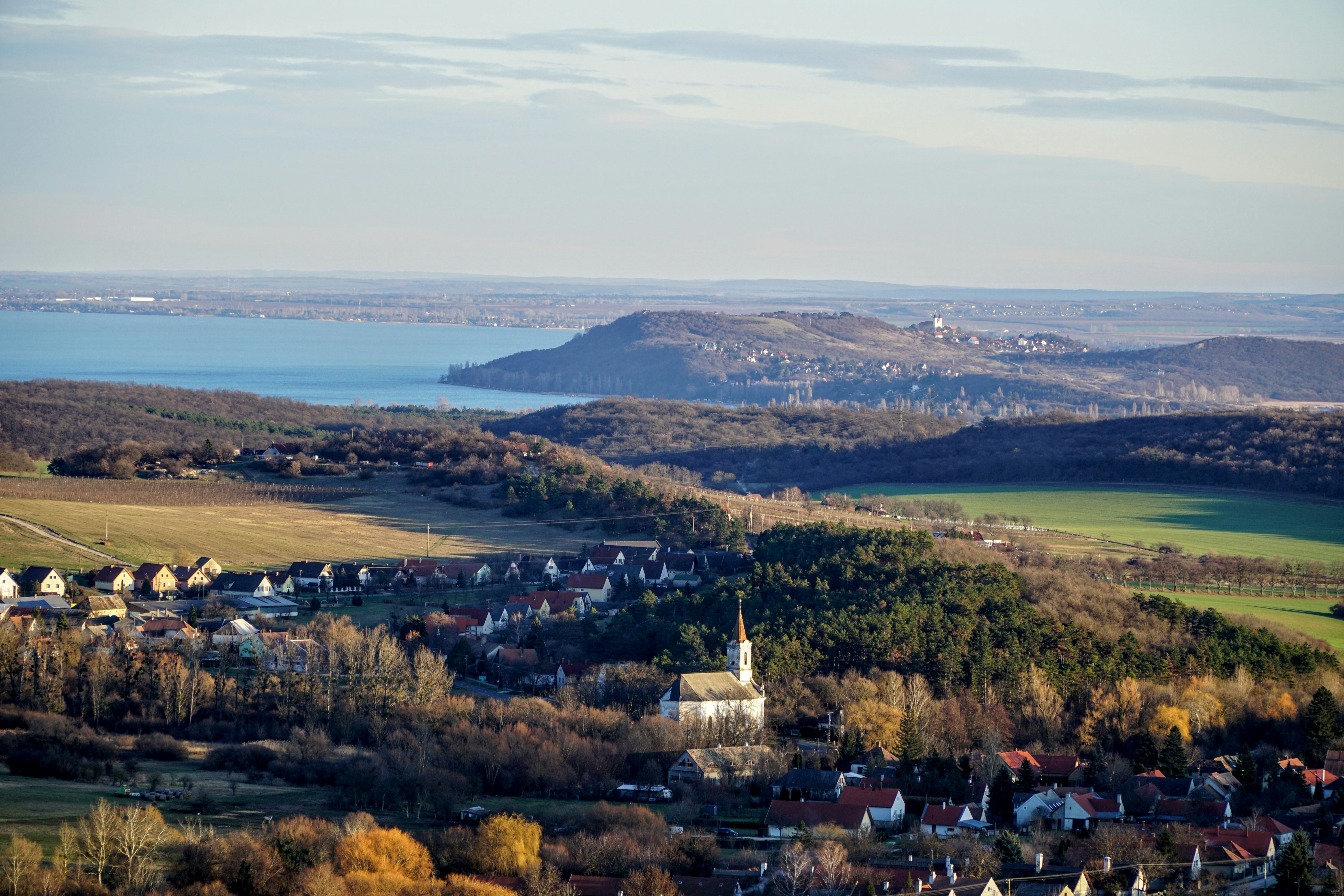
How Much Does the Hungary Digital Nomad Visa Cost?
Here’s a clear breakdown of the costs you should expect when applying for and maintaining the Hungary Digital Nomad Visa (White Card), keeping it focused on official or widely-reported figures:
The primary application fee for the White Card residence permit is around €110 when applying from outside Hungary. This fee covers the processing of your application and, in many cases, the entry visa associated with it.
If you apply within Hungary, there are two ways to submit: applying in person at the National Directorate-General for Aliens Policing (NDGAP) costs about HUF 39,000 (~€100), while applying online via the Enter Hungary platform is cheaper, around HUF 24,000 (~€60).
For those who choose to renew their White Card for a second year, the extension typically incurs a renewal fee of around HUF 35,000 (~€76) when done in person, or a lower fee if processed online.
Health insurance is mandatory and not included in the visa fees, with basic plans often starting around €15 per month, depending on the provider.
Additional administrative costs may arise from document translation (often €50+ if required) and other preparatory steps, though these are external to the government’s visa fees.
These figures reflect typical costs associated with the White Card and help you budget realistically for both the application process and initial stay preparations in Hungary.
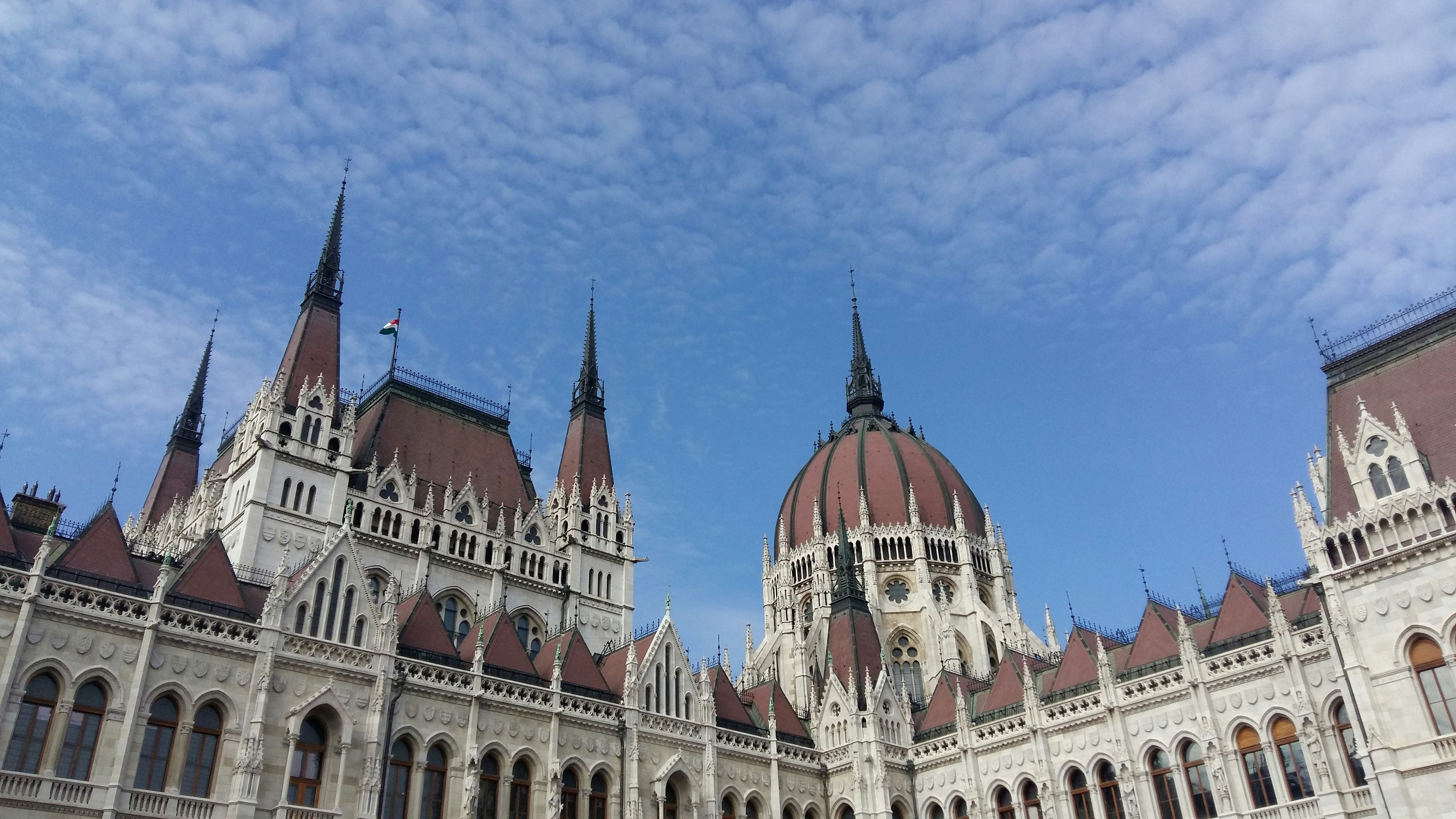
Taxes for People With a Hungary Digital Nomad Visa (White Card)
Understanding how taxes work when you’re living in Hungary on a Digital Nomad Visa (White Card) is crucial for planning your finances and avoiding surprises. The key determining factor for taxation in Hungary isn’t the visa itself but how long you reside in the country and whether you become a Hungarian tax resident.
Under Hungarian tax law, you are generally not considered a tax resident if you live in Hungary for less than 183 days in a calendar year. In this case, you typically do not have to pay Hungarian income tax on your earnings, including income from abroad. This means that short-term stays under the 183-day threshold can allow you to live in Hungary without paying local income tax there.
If you stay in Hungary for 183 days or more in a calendar year, Hungarian authorities may consider you a tax resident, which would make you liable for Hungarian taxes. As a tax resident, your worldwide income could be subject to tax in Hungary, and you would be required to file local tax returns. The standard personal income tax rate in Hungary is 15%. Additionally, social security contributions may be due under local rules if you are deemed a resident, although specific obligations can vary depending on your situation.
Hungary has double taxation treaties with many countries, which may help prevent you from being taxed twice on the same income. These agreements mean that in many cases you can avoid paying full tax on income already taxed in your home country. However, individual circumstances and treaty details can vary, so it’s wise to consult tax experts or local authorities if you expect to spend significant time in Hungary.
In summary, while the White Card itself does not automatically trigger local tax obligations, your length of stay and tax residency status are what ultimately determine your Hungarian tax responsibilities. Planning your time in the country carefully can have major financial implications.

Living in Hungary with the Digital Nomad Visa (White Card)
Living in Hungary as a digital nomad with the White Card offers a unique blend of European culture, affordability, and modern conveniences. Budapest, the capital, is often the first choice for nomads thanks to its vibrant coworking scene, fast internet, and rich cultural life, from historic architecture to thermal baths and lively cafés. Smaller cities and towns, such as Szeged or Pécs, provide a quieter pace of life, lower living costs, and equally strong access to modern amenities, giving nomads flexibility in choosing the lifestyle that suits them best. Whether you prefer the bustling energy of urban life or the relaxed charm of Hungary’s countryside, the White Card makes it legally straightforward to reside in the country while working remotely.
Beyond accommodation and work infrastructure, Hungary is centrally located in Europe, making it easy to travel across the continent during weekends or holidays. The cost of living is generally lower than in Western Europe, allowing digital nomads to enjoy a high standard of living without overspending. Access to public transport, vibrant local markets, and affordable dining options adds to the convenience of daily life. Additionally, living with the White Card provides a stable legal status, meaning you can focus on your work and enjoy Hungarian life without the stress of visa uncertainty, all while remaining connected to your foreign employer or business.
Best Cities to Live in Hungary for Digital Nomads
Hungary offers a variety of cities that cater to different lifestyles, from bustling urban centers to quieter, scenic towns. Here are three of the best cities for digital nomads, each with its unique appeal:
Budapest

Budapest, Hungary’s capital, is the go-to destination for many digital nomads thanks to its vibrant culture, historical architecture, and extensive coworking spaces. The city boasts high-speed internet, numerous cafés perfect for remote work, and a dynamic social scene. From thermal baths and ruin pubs to art galleries and festivals, Budapest offers a rich cultural life alongside a cost of living that is still reasonable compared to Western Europe. Its central location in Europe also makes it an ideal base for traveling to nearby countries on weekends.
Szeged
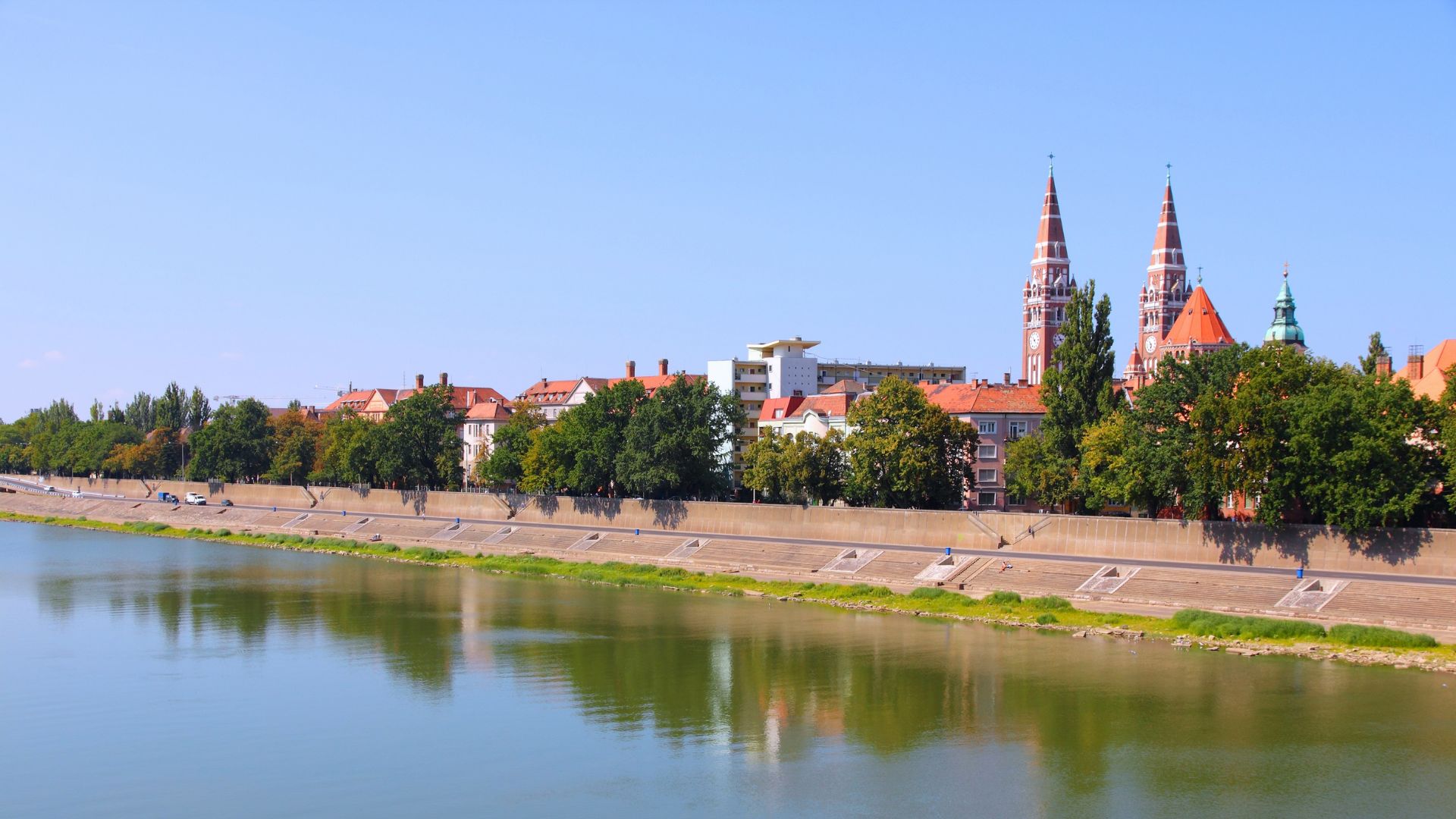
Szeged, located in southeastern Hungary, is known as the “City of Sunshine” for its bright weather and friendly atmosphere. Smaller and more laid-back than Budapest, Szeged offers affordable housing, local markets, and a welcoming community for expats. Its compact size makes it easy to navigate on foot or by bike, and the city’s universities and cultural events add a lively, youthful energy. For digital nomads seeking a balance of work and relaxation without the hustle of a major metropolis, Szeged is an excellent choice.
Pécs
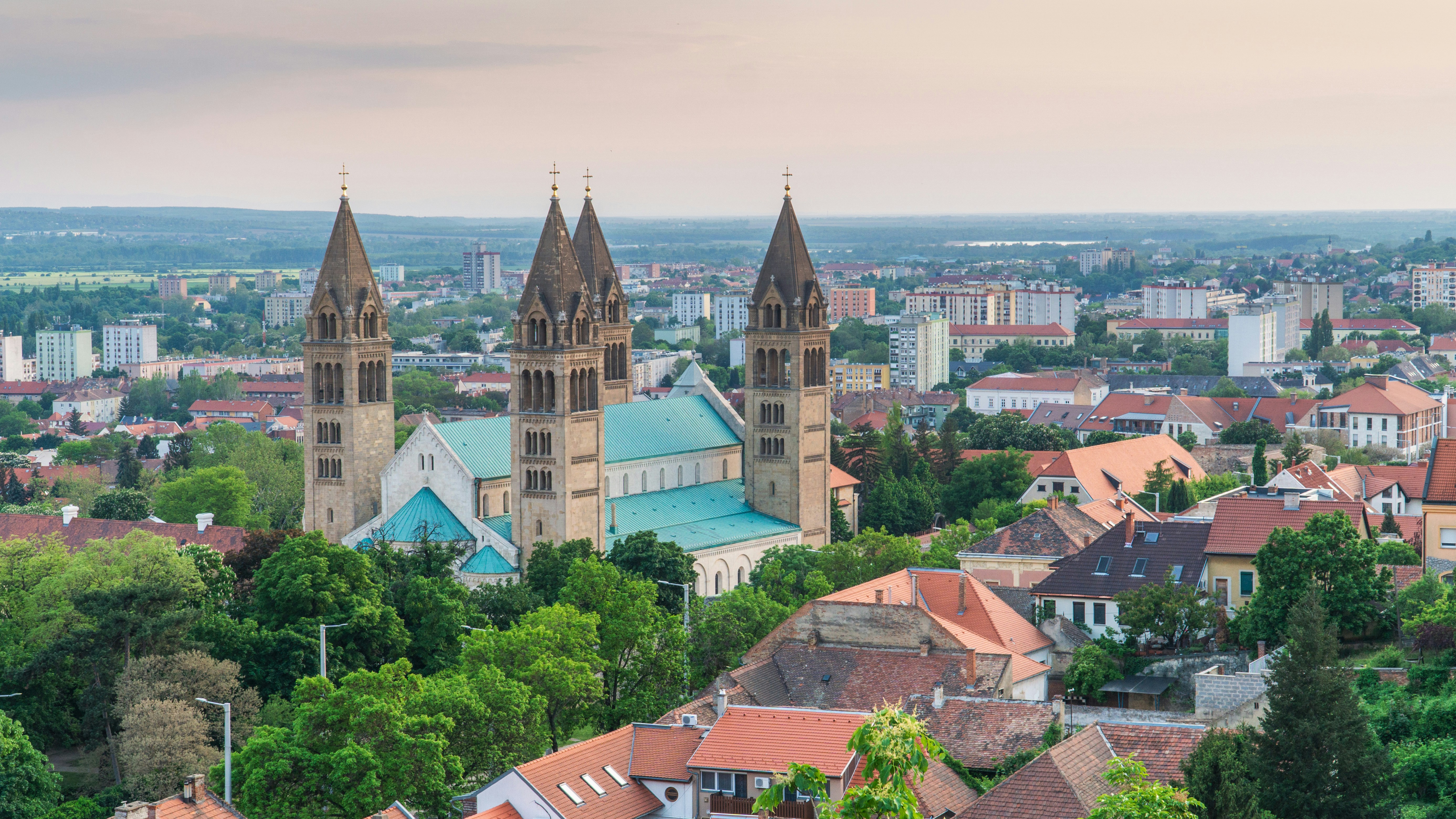
Pécs, in southwestern Hungary near the Croatian border, is famous for its artistic heritage and Mediterranean-style charm. The city features historic streets, vibrant art scenes, and cozy cafés that are perfect for remote work. Pécs combines a slower pace of life with modern amenities, making it ideal for nomads who prefer a quieter environment while still enjoying cultural activities. Its lower cost of living and scenic surroundings, including nearby hills and vineyards, provide a relaxed lifestyle that is both inspiring and practical for long-term remote work.
Cost of Living
The official currency of Hungary is the Hungarian Forint (HUF). 1 HUF is about $0.0030 USD.
The average net monthly salary in Hungary is around HUF 500,500, which equates to approximately $1,520 USD
Here’s a rundown of what you should expect to pay in different cities:
Budapest
Rent (1 bedroom in city center) – $634 per month
Rent (3 bedrooms outside city center) – $800 per month
Basic Utilities – $133 per month
Wi-Fi – $18.50 per month
Public Transport – $1.27 one-way
Groceries (2 people) – $434–$600 per month
Szeged
Rent (1 bedroom in city center) – $400 per month
Rent (3 bedrooms outside city center) – $590 per month
Basic Utilities – $69 per month
Wi-Fi – $20 per month
Public Transport – $1.63 one-way
Groceries (2 people) – $694 per month
Pécs
Rent (1 bedroom in city center) – $400 per month
Rent (3 bedrooms outside city center) – $700 per month
Basic Utilities – $150 per month
Wi-Fi – $30 per month
Public Transport – $1.50 one-way
Groceries (2 people) – $200–$350 per month
FAQs
Who is eligible for the Hungary Digital Nomad Visa (White Card)?
The White Card is available to third-country nationals (non-EU/EEA/Swiss citizens) who work remotely for foreign employers or operate a foreign-registered business. Applicants must show proof of stable income, private health insurance, and accommodation in Hungary. It is not intended for people seeking local Hungarian employment.
How long can I stay in Hungary with a White Card?
The White Card allows a legal stay of up to one year, with the option to apply for a renewal for an additional year. To extend, applicants must continue to meet the original requirements and demonstrate that they genuinely reside in Hungary.
Can I work for a Hungarian company on this visa?
No. The White Card is strictly for remote work with foreign employers or for managing a business registered outside Hungary. Local employment is not permitted under this visa category.
Do I have to pay taxes in Hungary while on the White Card?
Tax liability depends on your length of stay. If you live in Hungary for less than 183 days per year, you are generally not considered a tax resident and typically do not pay Hungarian income tax on foreign earnings. Longer stays may trigger tax residency and obligations.
Can I bring my family with me on the White Card?
The White Card is issued for individual applicants. While family accompaniment is not automatically included, spouses and children may apply separately for residence permits, but eligibility criteria and processing rules differ.
Author
)
Nadia Dardón is a content creator from Guatemala. She has worked fully remotely for the past six years as a copywriter, editor, and content creator, working for different industries. She started her digital nomad journey in 2022 and currently lives as an expat in Spain.


