
Germany EU Blue Card
)
Nadia Dardón
Immigration Content Writer
Last update
)

Germany Rating from Citizen Remote
Overall  2.6
2.6

Internet Infrastructure 4.0
Country Stability 5.0
Cost of Living 0.0
Ease of Obtaining Visa 0.0
Taxes 4.0
Quick Visa Facts

Visa length Up to 4 years, or the length of your work contract plus 3 months (if shorter).

Possible to extend? es, as long as you still meet the salary and employment requirements. It can also lead to permanent residence after 21–27 months.

Who can apply? Non-EU nationals with a recognized qualification and a qualifying job offer in Germany.

Minimum Income Requirements €50,700 per year (standard) or €45,934.20 per year (shortage occupations or recent graduates)

Time for visa applications Usually several weeks to a few months, depending on where you apply.
Want to know if you can apply?
Complete a visa quiz and see if you qualify!
If you’re a highly qualified professional looking to build your career in Europe, the German EU Blue Card could be your gateway to new opportunities in one of the continent’s strongest economies. With its thriving job market and high demand for skilled workers in sectors like IT, engineering, healthcare, and research, Germany continues to attract talent from around the world.
But navigating immigration pathways can feel overwhelming. Between salary thresholds, degree recognition, residence permits, and application procedures, it’s easy to get lost in technical language and scattered information. Understanding what the EU Blue Card really offers, and whether you qualify, is the first step toward making a confident move.
In this guide, you’ll find a clear and comprehensive explanation of the German EU Blue Card, including who is eligible, what requirements you must meet, how the application process works, and what rights and long-term opportunities it can provide. Whether you’re just exploring your options or preparing to apply, this article will walk you through everything you need to know to take the next step toward working and living in Germany.
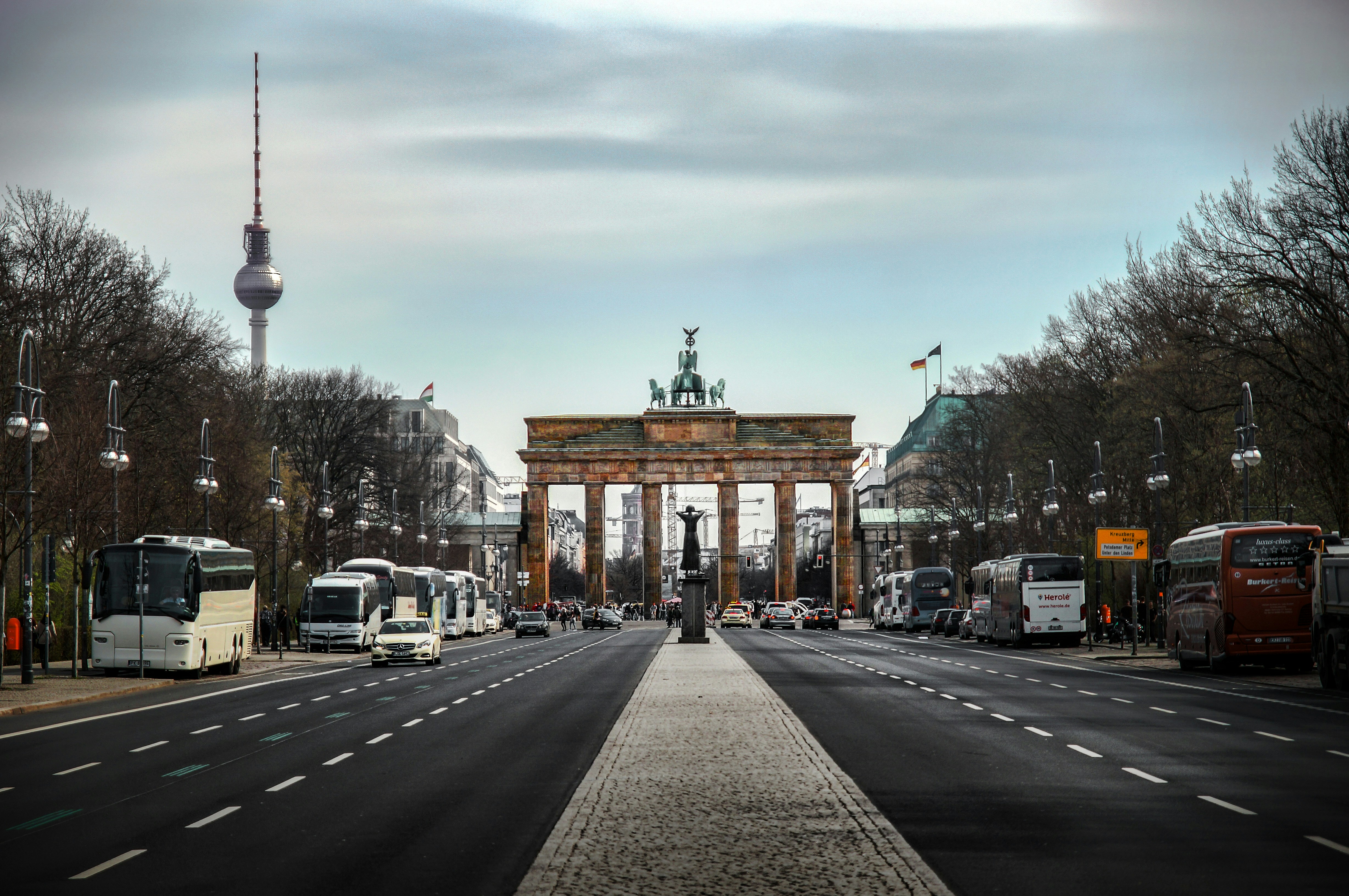
Germany EU Blue Card Overview
The German EU Blue Card is a residence permit designed for highly qualified non-EU nationals who want to live and work in Germany. It forms part of a wider European initiative introduced in 2009 to attract skilled professionals to the European Union and address labor shortages in key sectors. Germany implemented the EU Blue Card shortly after its adoption at the EU level and has since updated its regulations to make the program more accessible and competitive for global talent.
The EU Blue Card is specifically tailored for professionals with a recognized university degree, or equivalent qualifications, who have secured a job offer in Germany that meets certain salary thresholds. It is considered one of the most attractive residence permits for skilled workers because it not only grants the right to work but also offers a pathway to long-term residence.
Who Is It For?
The EU Blue Card is intended for highly skilled professionals from countries outside the European Union who have a concrete job offer in Germany. It is particularly relevant for individuals working in shortage occupations such as IT, engineering, mathematics, natural sciences, and healthcare. Applicants must generally hold a recognized higher education qualification or, in some cases, demonstrate comparable professional experience, depending on the profession and current regulations.
It is ideal for professionals who want to build a long-term career in Germany and potentially transition to permanent residence.
What Does It Allow You to Do?
The EU Blue Card allows you to live and work in Germany in a qualified position related to your professional background. It grants a residence permit tied to your employment and provides mobility advantages within the EU under certain conditions. Blue Card holders can bring close family members to Germany, and family reunification rules are typically favorable.
In addition to employment rights, the EU Blue Card offers a faster track to permanent residence compared to many other German residence permits, making it an attractive option for skilled professionals seeking long-term stability in Germany.

Germany EU Blue Card Requirements
To apply for the German EU Blue Card, you must submit a complete application along with supporting documentation. While exact requirements may vary slightly depending on your country of residence and the German mission processing your application, the core documentation generally includes:
Completed national visa application form.
Valid passport.
Recent biometric passport photos.
Signed employment contract or binding job offer.
Proof of academic qualifications (university degree or recognized equivalent)
Proof that your qualification is recognized in Germany (if required)
Curriculum vitae (CV)
Proof of health insurance coverage.
Proof of residence (if applying from within Germany)
Visa fee payment confirmation.
Beyond these standard documents, several key eligibility requirements determine whether your application will be approved.
Recognized Qualification
To be eligible for the EU Blue Card in Germany, you must have one of the following:
A German university degree, or
A foreign academic degree that is comparable to a German university degree, or
A tertiary-level qualification that took at least three years to complete and corresponds to at least Level 6 of the International Standard Classification of Education (ISCED 2011) or Level 6 of the European Qualifications Framework (EQF). Examples include advanced vocational training, such as Master craftsman or similar professional qualifications.
In certain professions like healthcare or regulated technical occupations, additional professional recognition or licensing may be required before you can begin working.
Minimum Salary Threshold
Your job must meet Germany’s minimum gross annual salary requirements for the EU Blue Card. As of 2026, the thresholds are:
Standard EU Blue Card: at least €50,700 gross per year (approximately €4,225 per month)
Reduced threshold (shortage occupations / young professionals): at least €45,934.20 gross per year (approximately €3,827.85 per month)
The reduced threshold applies if:
Your job is in a shortage occupation, such as STEM (science, technology, engineering, mathematics), medical professions, or IT roles, or
You graduated with your last qualifying degree within the last three years. In these cases, the employer must usually obtain approval from the Federal Employment Agency as part of the visa process.
Employment Contract or Binding Job Offer
You must already have a concrete job offer from a German employer before applying. The employment must be for a qualified position related to your field of study or professional expertise, and must be for at least six months in duration.
Self-employment or freelance work does not qualify under the EU Blue Card scheme.
Proof of Health Insurance
You must demonstrate valid health insurance coverage in Germany from the date you arrive or begin work. This can be an enrollment in the German statutory health insurance system, or a private health insurance plan that meets German standards.
Foreign health insurance alone is not accepted unless it is recognized as equivalent under German law. Travel insurance is not accepted; it must be long-term residency health insurance. You can find our recommendations for the best health insurance plans here.
Proof of Financial Self-Sufficiency
Your employment contract and corresponding salary must demonstrate that you can support yourself without relying on public funds. In practice, meeting the minimum salary thresholds serves as proof of financial sufficiency for the Blue Card.
Clean Legal and Immigration Record
You must not pose a security risk. In some cases, authorities may request a criminal record certificate or other evidence showing there are no legal reasons to deny your application.
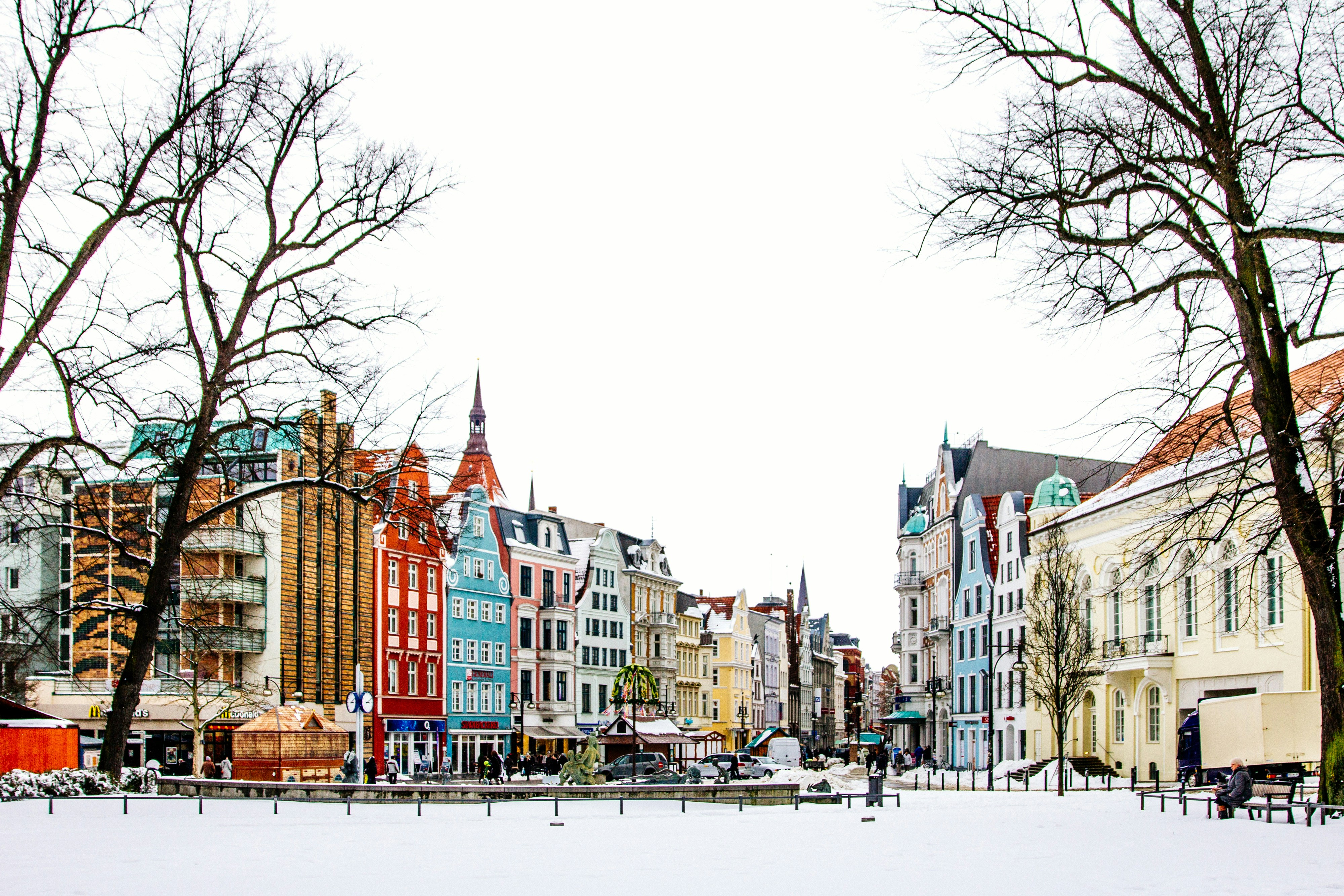
How to Apply for the Germany EU Blue Card – Step-by-Step Instructions
Applying for the German EU Blue Card involves several stages, and the exact process depends on whether you are applying from abroad or from within Germany.
Step 1: Secure a Qualified Job Offer in Germany
Before you can apply, you must have a concrete job offer or a signed employment contract from a German employer. The position must correspond to your qualifications and meet the applicable minimum salary threshold for the EU Blue Card.
Without a valid job offer that satisfies the salary requirement, you cannot proceed with the application.
Step 2: Check Recognition of Your Qualification
If you obtained your degree or professional qualification outside Germany, you must verify that it is recognized or comparable to a German qualification. In regulated professions, you may need formal professional recognition before you can begin working.
Ensuring your qualification meets the necessary standards is essential before submitting your application.
Step 3: Apply for a National Visa (If Required)
If you are living outside Germany and require a visa to enter the country, you must apply for a national (D) visa for employment purposes at the German embassy or consulate responsible for your place of residence.
You will submit your application, provide biometric data, and attend a visa appointment. Processing times vary depending on the country and the complexity of your case.
Nationals of certain countries may enter Germany without a visa and apply for the EU Blue Card directly after arrival.
Step 4: Travel to Germany and Register Your Address
After entering Germany, you must register your residential address (Anmeldung) at the local registration office within the required timeframe. Address registration is mandatory and necessary before applying for your residence permit.
Step 5: Apply for the EU Blue Card at the Local Immigration Office
Once in Germany, you must submit your EU Blue Card application to the competent local immigration authority (Ausländerbehörde). You will provide:
Your passport
Employment contract
Proof of qualifications
Proof of health insurance
Proof of address registration
Any additional documents requested by the authority
In many cases, the Federal Employment Agency may review the employment conditions, particularly if you are applying under the reduced salary threshold.
Step 6: Receive Your EU Blue Card Residence Permit
If your application is approved, you will receive your EU Blue Card as a residence permit, usually issued as an electronic residence card. The validity period generally corresponds to the length of your employment contract plus a limited additional period, up to a maximum allowed duration under German law.
Once issued, you are legally authorized to live and work in Germany under the conditions specified in your permit.

Stay Requirements in Germany
Once you receive your EU Blue Card in Germany, you must comply with certain residence and employment conditions in order to maintain your legal status.
Your EU Blue Card is tied to qualified employment that meets the required salary threshold. During the first 12 months of employment, changing employers generally requires approval from the competent immigration authority. After this initial period, changing jobs becomes easier, but the new position must still meet EU Blue Card requirements, including the minimum salary threshold and relevance to your qualifications.
If your employment ends, you are not automatically required to leave Germany. However, you must inform the immigration authority, and you are typically granted a limited period to find new qualified employment. If you are unable to secure a new eligible position within that timeframe, your residence permit may be revoked.
You must also maintain valid health insurance coverage and continue to meet the financial requirements associated with your residence status. Any significant changes, such as changes in employment conditions, salary, or personal circumstances, should be reported to the local immigration office.
The EU Blue Card can lead to permanent residence in Germany. In general, holders may apply for a settlement permit after 27 months of employment. This period can be reduced to 21 months if you demonstrate sufficient German language proficiency (typically at B1 level). Continuous residence, lawful employment, and contributions to the statutory pension system are required for this transition.
Short absences from Germany are permitted, but extended stays outside the country may affect your residence status. As a general rule, absences of more than 12 consecutive months can result in the loss of the EU Blue Card, unless special permission has been granted.
Complying with these stay requirements ensures that you maintain your legal residence and remain on track toward long-term settlement in Germany.
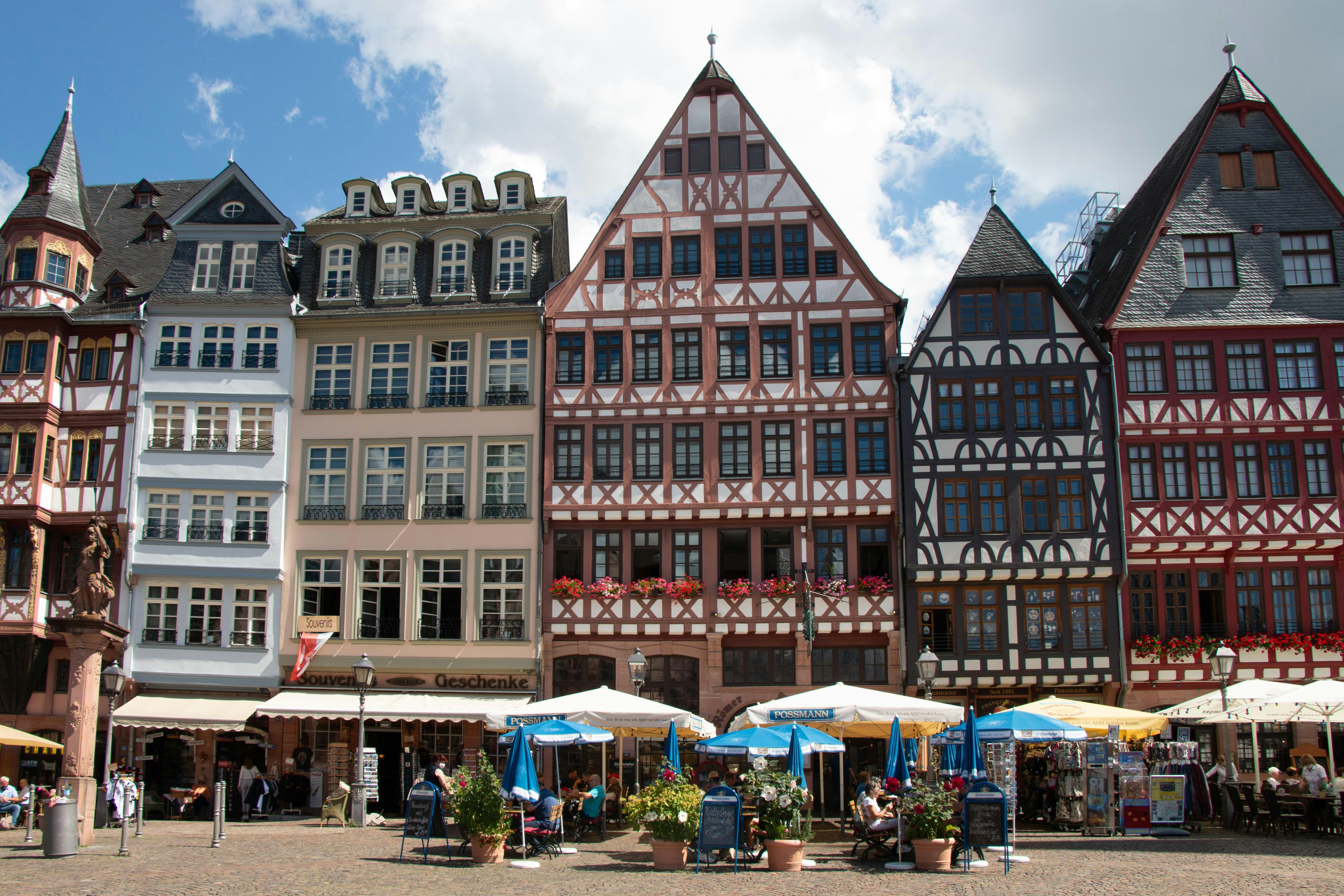
How Much Does the Germany EU Blue Card Cost?
The cost of obtaining a German EU Blue Card depends on whether you are applying from abroad or from within Germany, as well as whether you are applying for the first time or renewing your permit.
If you are applying from outside Germany and require a national (D) visa to enter the country, the visa fee is generally €75. This fee is typically paid at the German embassy or consulate when you submit your application.
Once in Germany, you must apply for the EU Blue Card residence permit at your local immigration office. The standard residence permit fees are:
€100 for the initial issuance of the EU Blue Card.
€96 for an extension of up to three months.
€93 for an extension of more than three months.
In addition to official government fees, you may incur additional costs such as:
Translation and legalization of documents.
Recognition of foreign qualifications (if required)
Health insurance coverage.
Biometric photos.
Address registration or administrative fees (if applicable)
Fees are subject to change, and some applicants (for example, certain categories of family members or scholarship holders) may benefit from reduced fees or exemptions. It is always advisable to confirm the exact amount with the relevant German embassy or local immigration authority before submitting your application.

Taxes for People With a Germany EU Blue Card
If you live and work in Germany under an EU Blue Card, you are subject to the same tax rules as other employees residing in Germany. Your tax obligations depend primarily on your tax residency status and income level, not on the type of residence permit you hold.
In general, if you reside in Germany and have a registered address, you are considered a tax resident and are taxed on your worldwide income. Income tax is deducted directly from your salary by your employer under the German pay-as-you-earn (PAYE) system. This means your monthly salary is paid net of income tax and mandatory social security contributions.
Germany applies a progressive income tax system. As of recent tax years, income tax rates range from approximately 14% to 45%, depending on your annual taxable income. In addition to income tax, you may also pay:
Solidarity surcharge (Solidaritätszuschlag), depending on income level.
Church tax (if you are registered as a member of a recognized church)
As an employee, you are also required to contribute to Germany’s social security system, which typically includes:
Health insurance
Pension insurance
Unemployment insurance
Long-term care insurance
These contributions are usually shared between you and your employer and are automatically deducted from your gross salary.
If you qualify as a tax resident in Germany but also earn income from abroad, double taxation agreements between Germany and other countries may prevent you from being taxed twice on the same income.
Because tax liability depends on personal circumstances such as marital status, number of children, and income level, many EU Blue Card holders consult a tax advisor when they first relocate. Understanding your tax obligations early on helps ensure compliance and allows you to take advantage of available deductions and benefits under German tax law.
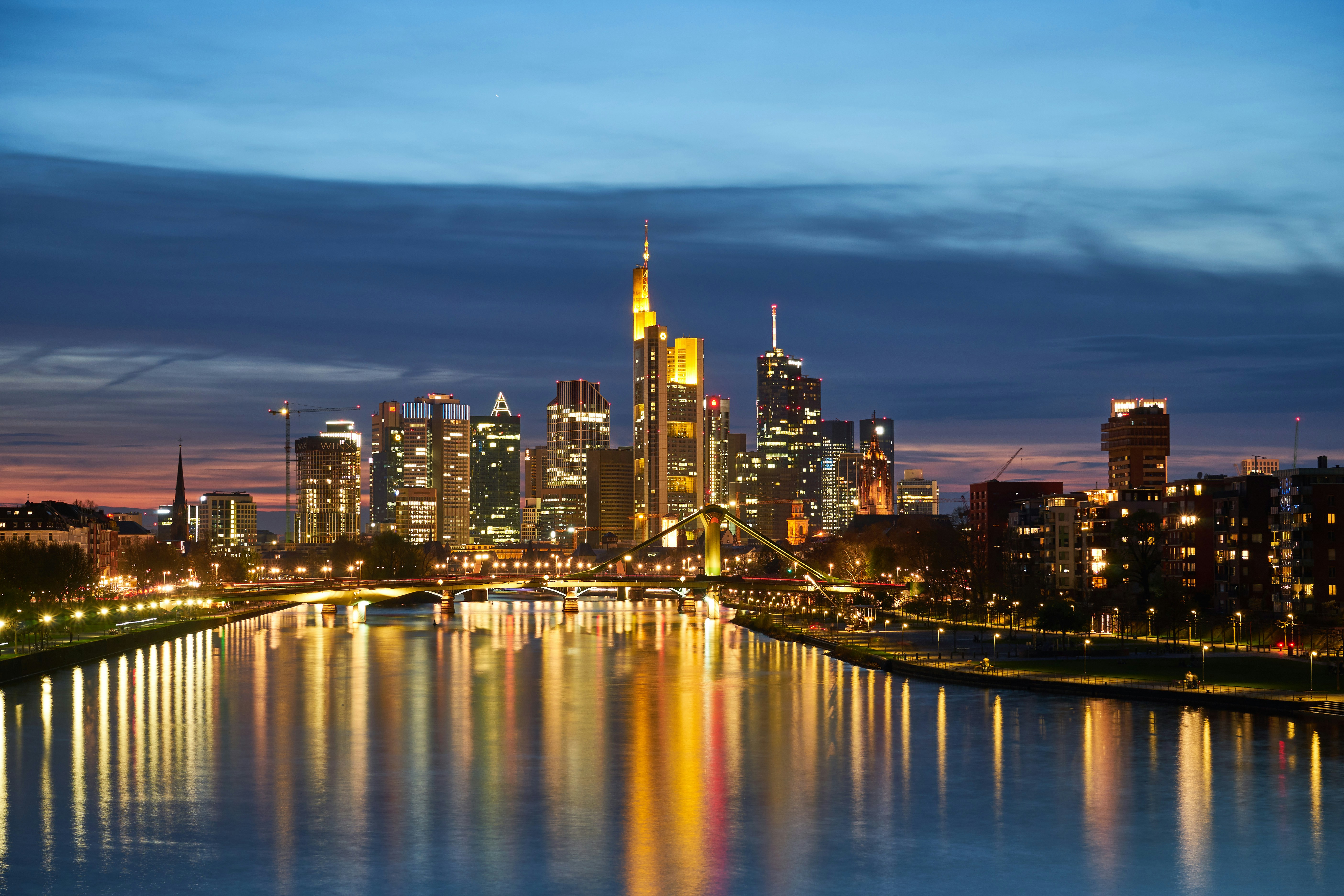
Living in Germany with the Germany EU Blue Card
Living in Germany with a German EU Blue Card offers both professional opportunities and long-term stability. As a Blue Card holder, you have the legal right to reside and work in a qualified position, and you benefit from Germany’s strong labor protections, competitive salaries, and high standard of living. Major cities like Berlin, Munich, and Hamburg are international hubs with diverse communities, modern infrastructure, and access to public healthcare, education, and transportation systems. The EU Blue Card also makes it easier for close family members to join you, allowing spouses to work without restrictions and children to access German schools.
Beyond employment, the EU Blue Card provides a clear pathway toward permanent residence and long-term integration. After a qualifying period of employment and pension contributions, you may apply for a settlement permit, especially if you meet German language requirements. Daily life in Germany combines efficiency and quality of life, with strong public services, cultural diversity, and central access to the rest of Europe. For skilled professionals seeking both career growth and long-term security, the EU Blue Card can serve as a solid foundation for building a future in Germany.
Best Cities to Live in Germany
Berlin

Germany’s capital is one of Europe’s most dynamic and international cities. Berlin is especially attractive for professionals in tech, startups, research, and creative industries. The cost of living is generally lower than in southern Germany, while the job market remains strong and diverse. English is widely spoken in many industries, which makes relocation easier for EU Blue Card holders. Beyond work, Berlin offers a vibrant cultural scene, extensive public transport, and a strong international community.
Munich

Munich is one of Germany’s strongest economic hubs, home to major global companies in engineering, automotive, finance, and technology. Salaries here tend to be among the highest in the country, which aligns well with EU Blue Card salary thresholds. While the cost of living is higher than in most other German cities, Munich consistently ranks high for quality of life, safety, and infrastructure. Its proximity to the Alps and neighboring countries also makes it ideal for those who value outdoor activities and travel opportunities.
Hamburg
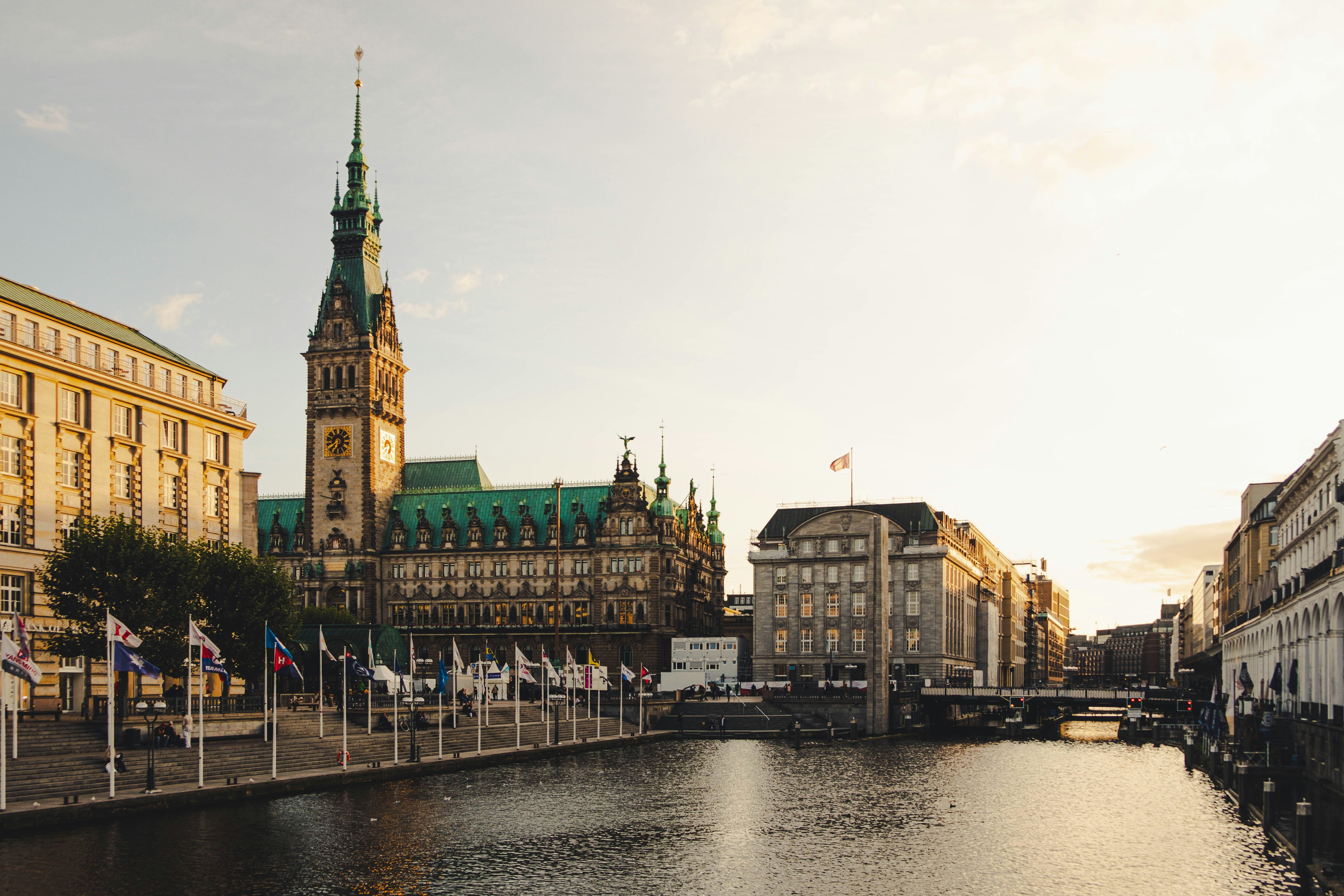
Hamburg combines strong economic performance with a relaxed maritime atmosphere. As a major port and commercial center, it offers opportunities in logistics, trade, media, aviation, and renewable energy. The city provides a high standard of living, green spaces, and access to waterways, which contribute to its balanced lifestyle. For EU Blue Card holders seeking a professional environment without the intensity of Berlin or the high costs of Munich, Hamburg presents an appealing alternative.
Cost of Living
The official currency of Germany is the euro (€). €1 ≈ $1.18 USD
The average net monthly salary in Germany is around €2,850–€3,000, which equates to approximately $3,360–$3,540 USD per month.
Here’s a rundown of what you should expect to pay in different cities:
Berlin
Rent (1 bedroom in city center) ≈ $1,100–$1,350 per month
Rent (3 bedrooms outside city center) ≈ $1,500–$1,900 per month
Basic Utilities ≈ $300–$350 per month
Wi‑Fi ≈ $30–$40 per month
Public Transport one‑way ≈ $1.90–$3.00
Groceries (2 people) ≈ $450–$650 per month
Munich
Rent (1 bedroom in city center) ≈ $1,500–$2,150 per month
Rent (3 bedrooms outside city center) ≈ $2,100–$2,750 per month
Basic Utilities ≈ $320–$380 per month
Wi‑Fi ≈ $30–$40 per month
Public Transport one‑way ≈ $2.00–$3.00
Groceries (2 people) ≈ $500–$750 per month
Hamburg
Rent (1 bedroom in city center) ≈ $1,200–$1,700 per month
Rent (3 bedrooms outside city center) ≈ $1,700–$2,300 per month
Basic Utilities ≈ $290–$350 per month
Wi‑Fi ≈ $30–$40 per month
Public Transport one‑way ≈ $2.00–$3.00
Groceries (2 people) ≈ $450–$700 per month
FAQs
How long does it take to process a Germany EU Blue Card application?
Processing times vary depending on whether you apply from abroad or within Germany. A national visa application at a German embassy can take several weeks to a few months, depending on workload and individual circumstances. Once in Germany, the residence permit issuance by the local immigration authority may take a few additional weeks. Timelines often depend on whether approval from the Federal Employment Agency is required.
Can I change employers with a Germany EU Blue Card?
Yes, but there are restrictions during the initial period. In the first 12 months of employment, changing employers typically requires approval from the local immigration authority. After this period, changing jobs becomes more flexible, provided the new position still meets the EU Blue Card salary and qualification requirements.
Can my family join me in Germany?
Does the Germany EU Blue Card lead to permanent residence?
Yes. In most cases, Blue Card holders may apply for a settlement permit after 27 months of employment and pension contributions. This period can be reduced to 21 months if you demonstrate sufficient German language skills at B1 level. Meeting integration and residence requirements is necessary for approval.
What happens if I lose my job while holding an EU Blue Card?
If your employment ends, you must inform the immigration authority. You are usually granted a limited period to find new qualified employment that meets the EU Blue Card requirements. If you are unable to secure a new eligible job within that timeframe, your residence permit may be shortened or withdrawn.
Author
)
Nadia Dardón is a content creator from Guatemala. She has worked fully remotely for the past six years as a copywriter, editor, and content creator, working for different industries. She started her digital nomad journey in 2022 and currently lives as an expat in Spain.


