
German Opportunity Card (Chancenkarte) - 2026 Update
)
Nadia Dardón
Immigration Content Writer
Last update
)

Germany Rating from Citizen Remote
Overall  3.6
3.6

Internet Infrastructure 4.0
Country Stability 5.0
Cost of Living 3.0
Ease of Obtaining Visa 2.0
Taxes 4.0
Quick Visa Facts

Visa length 12 months

Possible to extend? Not extendable, you must change permit for longer stay.

Who can apply? Non EU / non EEA nationals with a recognized qualification or sufficient points under the Opportunity Card points system.

Minimum Income Requirements Applicants must demonstrate sufficient funds to cover living costs for 12 months. Generally this means access to approximately €10,000–€15,000 (≈$11,800–$17,700 USD)

Time for visa applications Typically 6–12 weeks from consulate submission.
Want to know if you can apply?
Complete a visa quiz and see if you qualify!
Germany needs skilled professionals. And in 2026, the Opportunity Card remains one of the most practical ways to enter the country without a job offer.
If you are a qualified professional and want to move to Germany but do not yet have employment secured, the Germany Opportunity Card gives you a legal pathway to relocate, search for work, and position yourself locally.
This visa was introduced under Germany’s Skilled Immigration reforms to address labor shortages across engineering, healthcare, IT, science, and technical trades. Instead of requiring a contract upfront, it allows you to move first and secure employment from inside the country.
That flexibility makes it one of the most strategic entry routes into Germany in 2026.
However, eligibility is structured. The visa uses a points system unless your qualifications are already fully recognized. There are financial requirements. Documentation standards are strict. And your long-term residency options depend on how you transition after securing employment.
In this guide, we break down everything you need to know about who qualifies, the financial requirements, how the points system works, and everything in between.
This guide has been reviewed and updated for 2026. As of January 2026, no major structural changes to the Germany Opportunity Card have been announced. The visa remains active under the Skilled Immigration Act reforms introduced in 2024.
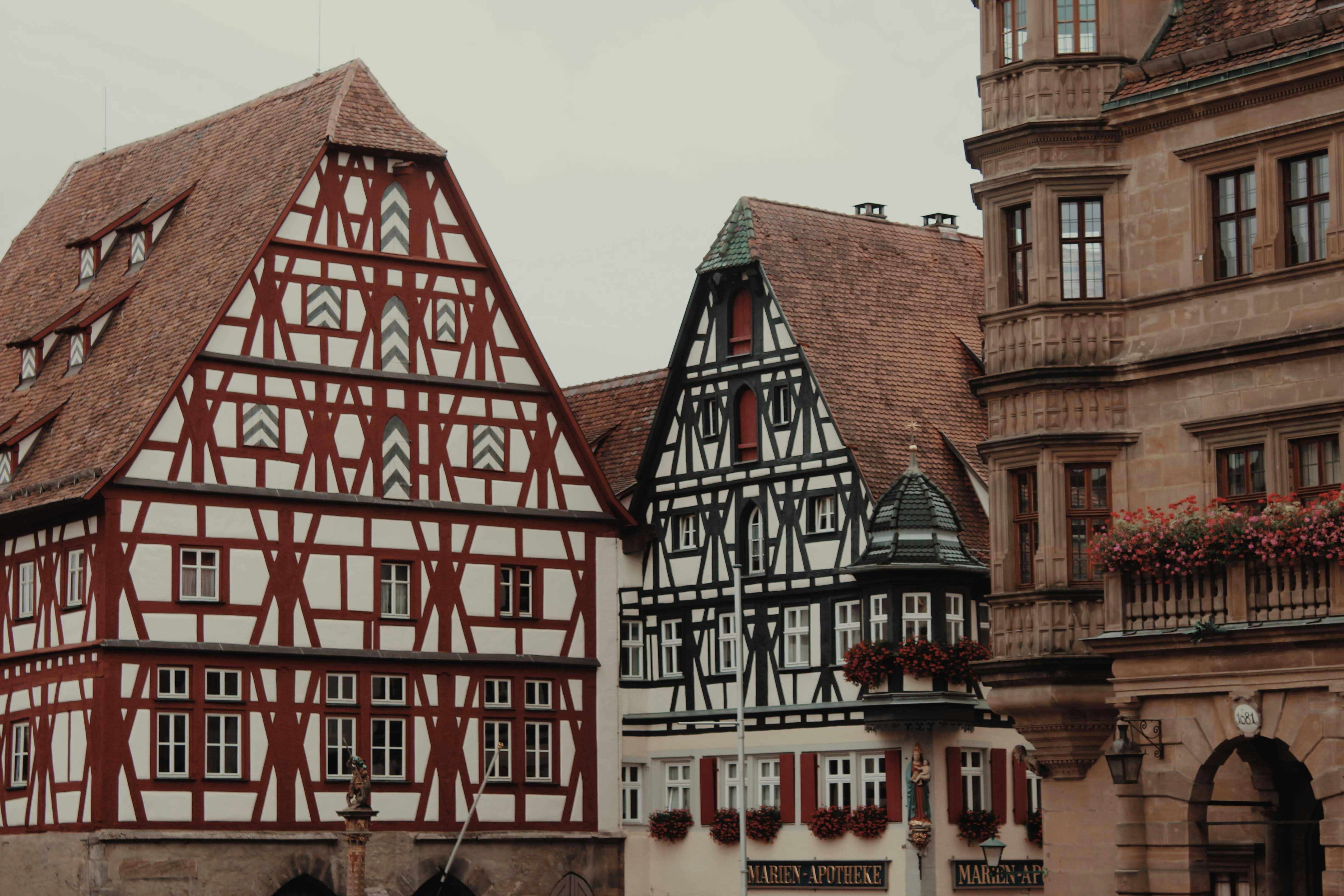
What is the German Opportunity Card?
With the shortage of highly qualified workers, Germany is actively looking to overcome this with the Opportunity Card, also known as the Chancenkarte. This Card will open the path for an easier way to immigrate to Germany.
This permit will allow non-EU citizens to enter and live in Germany, and look for job opportunities in their specialty.
Why Germany Introduced the Opportunity Card
Germany has the largest economy in the European Union and one of the fastest aging populations in Europe. Workforce shortages are no longer short-term gaps. They are structural.
According to federal labor data, Germany continues to face significant shortages across technical, healthcare, and industrial professions. Skilled migration is now a core part of Germany’s long-term economic policy.
The Chancenkarte was introduced under the Skilled Immigration Act reforms to make it easier for qualified non-EU professionals to enter Germany without a job offer and search for employment locally.
Instead of requiring sponsorship upfront, the Opportunity Card allows Germany to attract talent first and match professionals with employers from inside the country.
This shift reflects a more flexible and competitive immigration strategy.

Who Can Apply for the Germany Opportunity Card?
The Chancenkarte is open to non-EU and non-EEA nationals who meet Germany’s skilled migration criteria.
There is no nationality quota publicly announced as of January 2026. However, applicants must apply through the German consulate responsible for their country of residence.
There are 2 eligibility pathways:
Pathway 1: Recognized Skilled Worker
You qualify directly if your foreign university degree is fully recognized in Germany or you completed your degree or vocational training in Germany
Recognition status can be checked via the official Anabin database or through a formal recognition process.
If your qualification is fully recognized, you do not need to meet the points threshold.
Pathway 2: Points-Based System
If your qualification is not fully recognized, you must score at least 6 points under the Opportunity Card system.
Points are awarded for:
Professional experience
Language skills in German and or English
Age
Previous residence in Germany
Partial recognition of qualifications
Spouse qualifications
There is no strict maximum age limit. However, age affects the number of points awarded.
You do not need a job offer to apply.
Basic Requirements for All Applicants
Regardless of pathway, you must:
Hold a recognized qualification or partial recognition
Prove sufficient financial means, generally, applicants must show access to €10,000–€15,000 (≈$11,800–$17,700 USD) to cover living costs for 12 months.
Have valid health insurance
Intend to search for qualified employment in Germany
Applications are document-heavy, and German authorities verify qualifications carefully.

How to Apply for the Germany Opportunity Card—Step by Step
Applying for the Chancenkarte is structured and document-driven. German consulates are strict with eligibility verification, especially around qualification recognition and financial proof.
Step 1: Check Qualification Recognition
Before preparing your application, confirm whether your degree or vocational training is recognized in Germany.
You can:
Check the Anabin database
Apply for formal recognition through the competent German authority
Request a recognition assessment if required
If your qualification is fully recognized, you qualify under the skilled worker pathway. If partially recognized or not recognized, you must calculate your points. Do not skip this step. Recognition status determines your eligibility route.
Step 2: Calculate Your Points If Required
If applying under the points system, confirm that you reach at least 6 points.
You must prepare documentation proving:
Years of professional experience
Language certificates
Age
Previous stay in Germany if applicable
Partial recognition documentation
Self-declared claims are not accepted. All claims must be documented.
Step 3: Secure Financial Proof
As of January 2026, you must show sufficient financial means for 12 months.
This can be proven through:
A blocked account in Germany
A formal obligation letter from a sponsor in Germany
A part-time employment contract within permitted limits
Financial requirements should be verified with the official German consulate before submission.
Step 4: Obtain Compliant Health Insurance
You must have health insurance that meets German visa standards from day 1 of entry.
Travel insurance is often insufficient unless it explicitly meets German residence permit requirements.
Most applicants arrange compliant private insurance before visa approval. This can also be arranged directly inside the Citizen Remote platform to ensure compliance.
Step 5: Prepare the Required Documents
Typical document checklist:
Valid passport
Completed national visa application form
Biometric photos
Proof of qualification
Recognition confirmation or partial recognition
CV in German or English
Proof of professional experience
Language certificates
Proof of funds
Health insurance confirmation
Motivation letter explaining job search plan
Some consulates may request additional documentation. Always confirm with your local mission.
Step 6: Book Your Consulate Appointment
Applications are submitted through the German embassy or consulate in your country of residence. You must book an appointment online, submit biometric data, pay the visa fee, and submit original and translated documents.
The visa fee is approximately €75. Processing time is typically 6 to 12 weeks, depending on location.
Step 7: Travel to Germany and Register Locally
Once approved, you can enter Germany within the visa validity window. You must register your address at the local registration office within 14 days and begin your job search. Additionally, you must apply for your residence card at the local immigration office
You may work up to 20 hours per week while searching for qualified employment.
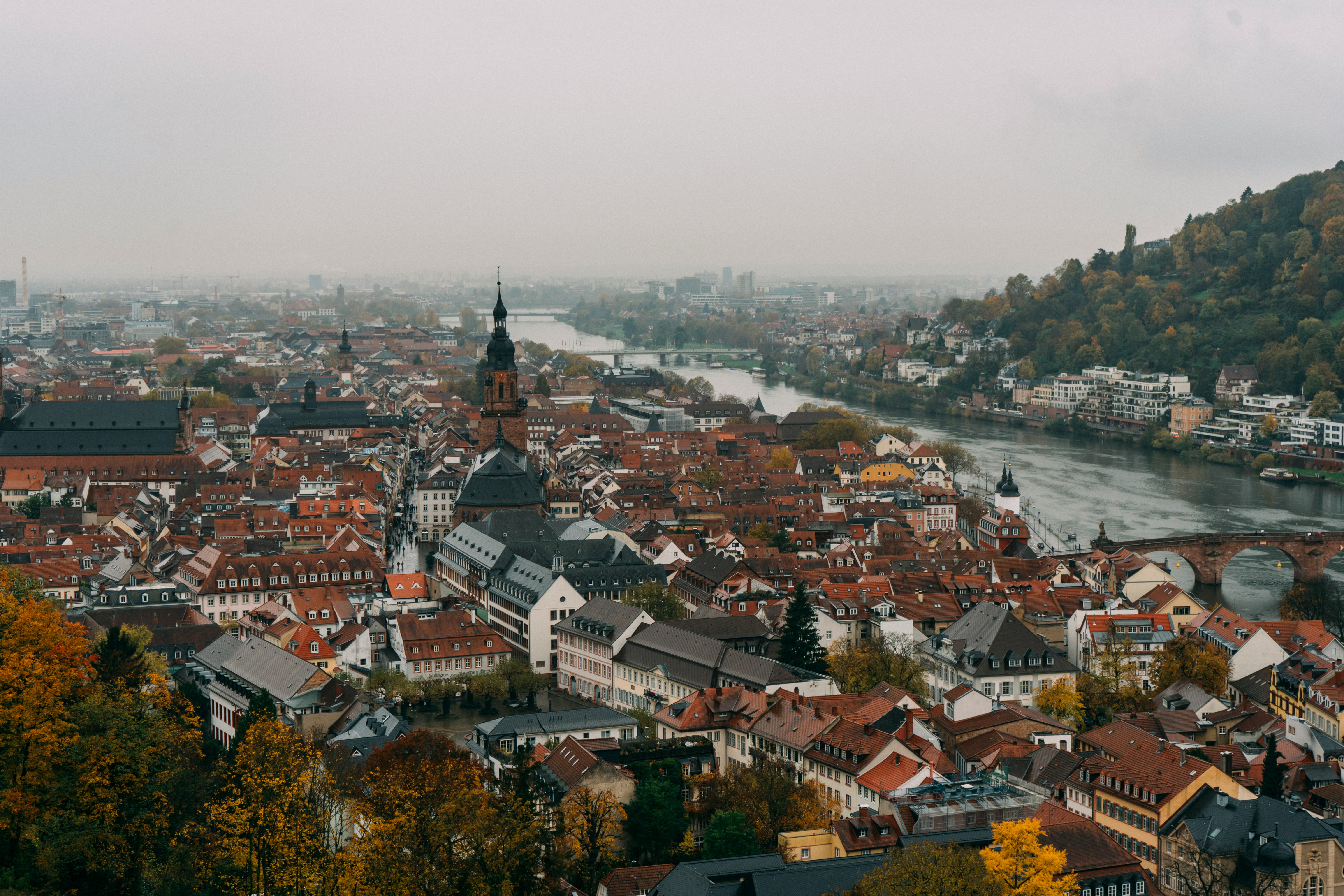
Understanding the Points System for the Germany Opportunity Card
The Chancenkarte operates under a points-based system if your qualification is not fully recognized in Germany.
If your degree or vocational training is fully recognized, you do not need to use the points pathway.
If it is partially recognized or not formally recognized, you must score at least 6 points.
Points are awarded across the following categories:
Qualification recognition status
Professional experience
Language skills
Age
Previous stay in Germany
Spouse qualification
Germany Opportunity Card Points Table 2026
| Criteria | Points |
|---|---|
| Partial recognition of foreign qualification | 4 points |
| 5 years professional experience in last 7 years | 3 point |
| 2 years professional experience in last 5 years | 2 points |
| German B2 level | 3 points |
| German B1 level | 2 points |
| German A2 level | 1 point |
| English C1 level | 1 point |
| Age under 35 | 2 points |
| Age 35 to 40 | 1 point |
| Previous legal stay in Germany at least 6 months | 1 point |
| Spouse also qualifies for Opportunity Card | 1 point |

Pros and Cons of the Germany Opportunity Card 2026
The Chancenkarte is one of the most flexible entry routes into Germany for skilled professionals without a job offer. However, it is not suitable for everyone.
Advantages
No job offer required at the time of application: You can relocate first and secure employment from inside Germany.
Part-time work permitted: You may work up to 20 hours per week while searching for qualified employment.
Trial employment allowed: You can complete short trial periods with potential employers.
Clear pathway to long-term residence: Once you secure qualified employment, you can transition to a Skilled Worker residence permit or EU Blue Card, which can lead to permanent residency.
Points-based flexibility: Even if your qualification is not fully recognized, you may still qualify through the points system.
No employer sponsorship required for entry: You apply independently through the German consulate.
Limitations
Financial proof required upfront: You must demonstrate sufficient funds for 12 months before approval.
Strict document verification: Qualification recognition and professional experience are reviewed carefully. Incomplete documentation is a common reason for refusal.
Time-limited job search window: The permit is valid for 12 months. If you do not secure qualified employment, you cannot simply renew it without transitioning to another status.
Age impacts competitiveness: There is no formal age cutoff, but applicants over 40 receive fewer or no age-related points under the scoring system.
Full-time employment not allowed during job search phase: You must convert your status once a full-time job offer is secured.
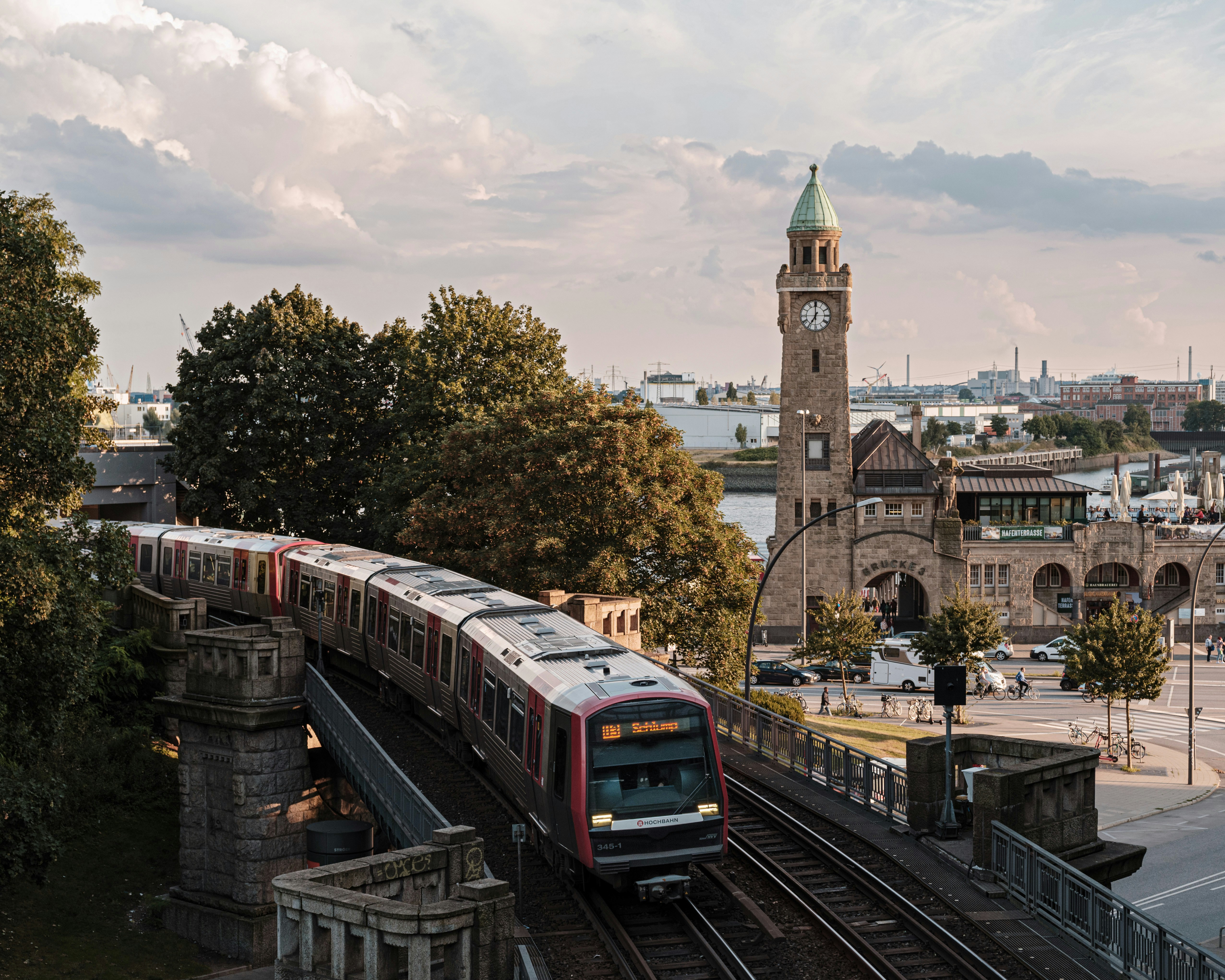
Taxes for People With a German Opportunity Card
If you move to Germany on the Chancenkarte, you will likely become a German tax resident once you register an address and stay more than 183 days in the country. As a tax resident, Germany taxes your worldwide income, not just income earned locally.
Any part-time income earned during your job search period is subject to German income tax. Once you register your address, you will receive a German tax identification number, and taxes will be withheld directly from your salary if you are employed. Germany applies progressive income tax rates ranging roughly from 14% up to 45%, depending on income level. Additional charges, such as the solidarity surcharge or church ta,x may apply in certain cases.
If you continue earning income from abroad while living in Germany, you may trigger dual tax considerations. Germany has double taxation agreements with many countries, but reporting obligations still apply. Because tax residency can significantly affect your overall liability, it is advisable to review your situation with a qualified tax advisor before relocating. Citizen Remote members can connect with Germany-based tax advisors inside the platform for compliant pre-relocation planning.

Living in Germany with the German Opportunity Card
Relocating to Germany on the Chancenkarte means you are entering the country with a clear objective: secure qualified employment within 12 months. This is not a passive stay. You will need to register your address, obtain health insurance, open a bank account, and actively engage with the local job market. Germany is structured and process-driven. Appointments, documentation, and formal communication matter. Preparation and organization significantly improve your experience.
Daily life in Germany offers strong public infrastructure, reliable transport, high safety standards, and access to one of Europe’s largest job markets. However, integration requires effort. German language skills increase employability, especially outside major international hubs. Housing can be competitive in large cities, and early accommodation planning is important. Many applicants secure temporary housing first and transition to long-term rentals once employed. Citizen Remote members can access accommodation support and relocation guidance directly through the platform.
Best Cities to Live in Germany
Berlin

Berlin is Germany’s startup and tech capital. It offers the most international environment and the largest English-speaking job market. IT, digital services, creative industries, and scale-ups are heavily concentrated here. Rent has increased in recent years, but Berlin remains more affordable than Munich. For Opportunity Card holders in tech or digital roles, Berlin is often the most accessible entry point.
Munich
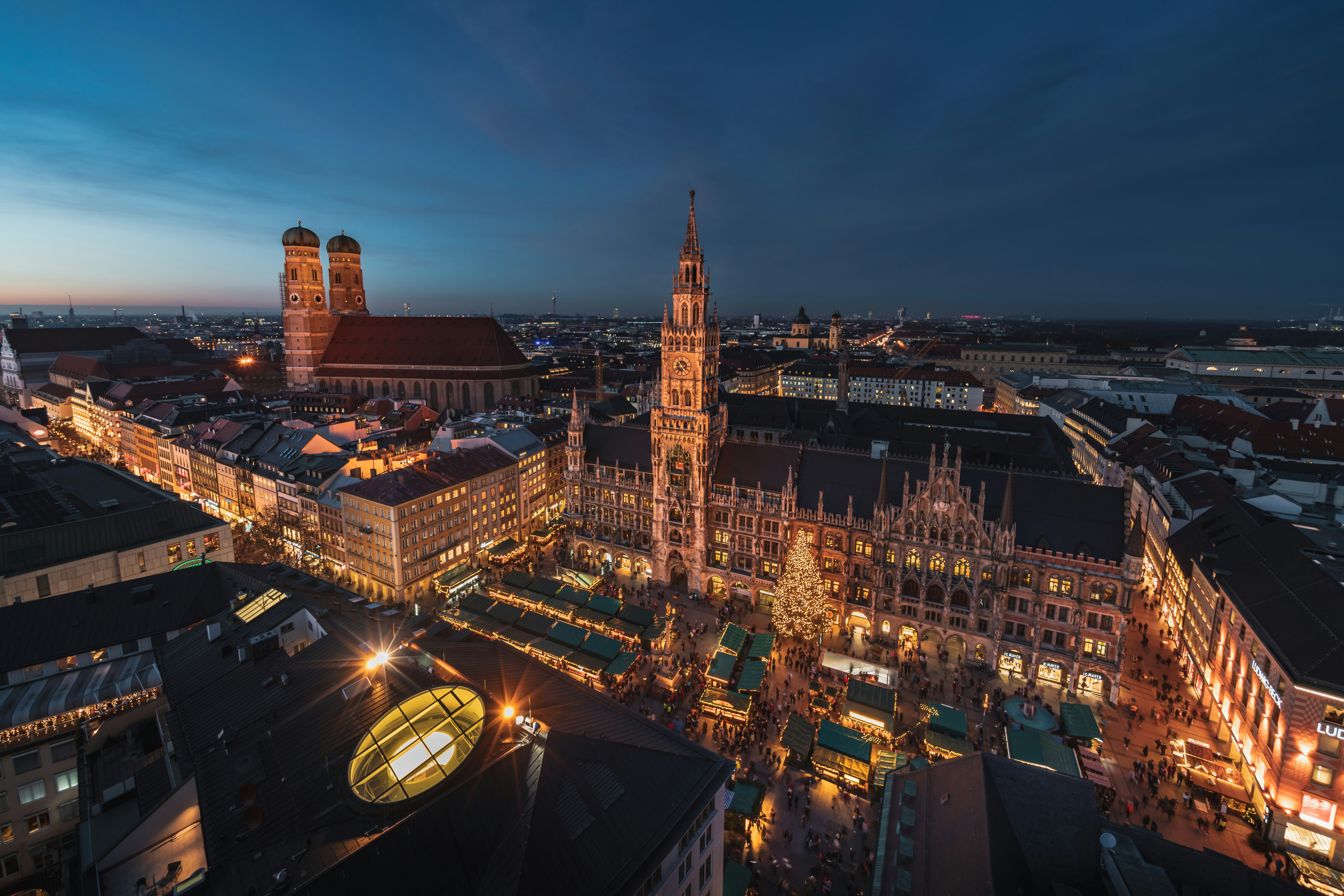
Munich is Germany’s strongest economic hub with major employers in engineering, automotive, finance, and advanced manufacturing. Salaries are high, but so is the cost of living. Housing competition is intense. German language skills are more important here than in Berlin. For engineers and industrial professionals, Munich offers strong long-term career stability.
Hamburg

Hamburg is a major logistics, aviation, and renewable energy center. It has a strong maritime economy and a growing tech ecosystem. The city offers a high quality of life, strong public transport, and slightly lower housing pressure compared to Munich. For professionals in trade, logistics, engineering, or sustainability sectors, Hamburg provides solid employment opportunities with balanced living expenses.
Cost of Living
The official currency of Germany is the euro (€). €1 ≈ $1.18 USD
The average net monthly salary in Germany is around €2,850–€3,000, which equates to approximately $3,360–$3,540 USD per month.
Here’s a rundown of what you should expect to pay in different cities:
Berlin
Rent (1 bedroom in city center) ≈ $1,100–$1,350 per month
Rent (3 bedrooms outside city center) ≈ $1,500–$1,900 per month
Basic Utilities ≈ $300–$350 per month
Wi‑Fi ≈ $30–$40 per month
Public Transport one‑way ≈ $1.90–$3.00
Groceries (2 people) ≈ $450–$650 per month
Munich
Rent (1 bedroom in city center) ≈ $1,500–$2,150 per month
Rent (3 bedrooms outside city center) ≈ $2,100–$2,750 per month
Basic Utilities ≈ $320–$380 per month
Wi‑Fi ≈ $30–$40 per month
Public Transport one‑way ≈ $2.00–$3.00
Groceries (2 people) ≈ $500–$750 per month
Hamburg
Rent (1 bedroom in city center) ≈ $1,200–$1,700 per month
Rent (3 bedrooms outside city center) ≈ $1,700–$2,300 per month
Basic Utilities ≈ $290–$350 per month
Wi‑Fi ≈ $30–$40 per month
Public Transport one‑way ≈ $2.00–$3.00
Groceries (2 people) ≈ $450–$700 per month
FAQs
What is the minimum income or savings required to apply for the Germany Opportunity Card?
Applicants must demonstrate sufficient funds to cover living costs for 12 months. There is no fixed salary requirement, but proof of €10,000–€15,000 in savings or an equivalent blocked account is commonly requested. Exact requirements vary by consulate. Information should be verified with official sources.
Can I bring my family with me on the Opportunity Card?
Yes, spouses and dependent children may apply for family reunification alongside your Opportunity Card. The spouse’s qualifications can also contribute points under the system. Adequate housing and financial proof are required to support family members.
Am I allowed to work for local companies while on the Opportunity Card?
You may work up to 20 hours per week during the job search period. Once you secure full time employment in your specialty, you must update your residence permit to a Skilled Worker permit or EU Blue Card. Full time work without status conversion is not permitted.
How long does it take to get the Opportunity Card?
Processing typically takes 6–12 weeks, depending on the consulate. Delays can occur if documents are missing, qualifications require additional verification, or translation/certification is incomplete. Booking appointments early is recommended.
What is the path to permanent residency or citizenship from the Opportunity Card?
After securing qualified employment, you can transition to a Skilled Worker residence permit or EU Blue Card. Continuous residence for 5 years can lead to permanent residency, provided you meet income, tax, and language requirements. Citizenship usually requires 8 years of legal residence, or 7 years with integration courses.
Author
)
Nadia Dardón is a content creator from Guatemala. She has worked fully remotely for the past six years as a copywriter, editor, and content creator, working for different industries. She started her digital nomad journey in 2022 and currently lives as an expat in Spain.


