
France Digital Nomad Visa - 2026 Update
)
Nadia Dardón
Immigration Content Writer
Last update
)

France Rating from Citizen Remote
Overall  4.2
4.2

Internet Infrastructure 5.0
Country Stability 5.0
Cost of Living 2.0
Ease of Obtaining Visa 5.0
Taxes 4.0
Quick Visa Facts

Visa length Both the Profession Libérale and Long-Stay Visitor (VLS-TS) visas are typically issued for up to 12 months.

Possible to extend? Yes, both visas can be renewed if you continue to meet financial, insurance, and stay requirements.

Who can apply? Profession Libérale is for self-employed freelancers and independent professionals; VLS-TS is for remote workers employed by foreign companies who will not work for French clients.

Minimum Income Requirements Roughly €1,766/month for Profession Libérale and €1,400/month for VLS-TS (higher for couples or dependents).

Time for visa applications Consulate processing usually takes 2–6 weeks, depending on your country of application and completeness of documents.
Want to know if you can apply?
Complete a visa quiz and see if you qualify!
France has long been one of the most attractive countries in Europe to live and work in, with its world-class cities, reliable infrastructure, and high quality of life. It’s no surprise that many remote workers and digital nomads are wondering whether France offers a dedicated Digital Nomad Visa.
The short answer? France doesn’t have a visa officially called a “Digital Nomad Visa”, but that doesn’t mean remote workers can’t legally live and work from France.
In reality, France offers several long-stay visa options that can be used by freelancers, self-employed professionals, and remote workers working for non-French companies. Understanding which visa applies to your situation, and how French authorities define “remote work”, is essential before making the move.
In this guide, we explain the digital nomad visa options available in France, including who they are designed for, which visas may apply to your situation, and how to apply.
How to Work Remotely from France
France does not officially offer a “digital nomad visa,” but remote workers can still live in France legally by selecting the appropriate long-stay visa based on their work and income-earning methods. In practice, most digital nomads and remote professionals rely on one of two well-established visa options: the Profession Libérale visa or the Long-Stay Visitor Visa (VLS-TS).
Below, we break down how each option works and which type of remote worker it’s best suited for.
Profession Libérale Visa
The Profession Libérale visa is one of the most relevant options for digital nomads who are self-employed or freelance. It has been part of France’s immigration framework for many years and is designed for individuals who want to carry out an independent professional activity while living in France.
This visa is often used by freelancers, consultants, and entrepreneurs who actively work while residing in France and generate income from clients, typically located outside the country.
Who Is It For?
Freelancers and self-employed professionals.
Consultants and independent contractors.
Remote workers operating as sole traders or business owners.
Digital nomads who actively provide services and earn income while in France.
What Does It Allow You to Do?
Live in France on a long-term basis (usually one year, renewable)
Legally carry out an independent professional activity.
Invoice clients and earn income while residing in France.
Register a professional activity under the appropriate French status.
This visa generally requires proof of a viable professional activity, sufficient income, and compliance with French administrative and tax obligations.
Long-Stay Visitor Visa (VLS-TS)
The Long-Stay Visitor Visa (Visa de Long Séjour – Visiteur) is another long-standing French visa option that is commonly used by remote workers. While it is not specifically designed for digital nomads, it is frequently chosen by individuals who work remotely for non-French companies and do not enter the French labor market.
This visa is more passive in nature and focuses on residency rather than professional activity in France.
Who Is It For?
Remote employees working for companies based outside France.
Digital nomads with stable foreign income.
Individuals who do not plan to engage with French clients or employers.
People who can financially support themselves without working locally.
What Does It Allow You to Do?
Live in France for more than 90 days (typically up to one year, renewable)
Work remotely for a foreign employer or company.
Reside in France without registering a professional activity locally.
Under this visa, holders are generally not allowed to carry out professional activities for French entities, making it a popular choice for employees with fully remote jobs abroad.

France Digital Nomad Visa Options Requirements
While the exact requirements can vary slightly depending on your country of residence and consulate, most applicants for a long-stay visa to work remotely from France will need to prepare a core set of standard documents. In addition, each visa type comes with specific requirements that reflect how you plan to support yourself and work while living in France.
Basic Documents Required for All Applicants
Most long-stay visa applications will require the following:
Completed long-stay visa application form.
Valid passport (issued within the last 10 years and valid for at least 3 months beyond your planned stay)
Recent passport-sized photographs meeting French visa standards.
Proof of accommodation in France (rental agreement, attestation d’hébergement, or hotel booking)
Proof of civil status (birth certificate, and marriage certificate if applicable)
Proof of residence in your current country of application.
Visa fee payment receipt.
Proof of Financial Self-Sufficiency
To qualify for a long-stay visa, you generally must demonstrate that you can financially support yourself while living in France.
What this means:
Bank statements from recent months.
Proof of regular income, savings, or remote work earnings.
Evidence that you have sufficient funds to cover living expenses for the duration of your stay.
Differences by visa:
Profession Libérale: You’ll need to show that your professional activity in France is economically viable, often through contracts, business plans, or evidence of consistent income that meets or exceeds the French minimum wage requirement (~€1,766/month as reported by Citizen Remote).
VLS-TS (Long-Stay Visitor Visa): You must prove you can support yourself without engaging in work in France — typically by showing foreign income, savings, or other stable financial resources. Citizen Remote notes a guideline of roughly €1,400 net per month for individuals (and about €2,100 for couples) as an indicator of sufficient means.
Private Health Insurance
All applicants must provide proof of comprehensive private health insurance valid in France.
Requirements include:
Coverage for medical expenses and hospitalization.
Valid for the full duration of your stay.
Meets minimum requirements for long-stay visa applications.
Visa-specific notes:
Profession Libérale: Insurance is mandatory at the time of application, and once in France you may register with the French social security system for public healthcare eligibility as part of your self-employment.
VLS-TS: Insurance must remain active for the entire visa period, as this visa does not provide automatic access to French public healthcare through employment.
Important: Travel insurance is not accepted; it must be long-term health insurance for residency. You can explore recommended health insurance plans specifically suited for digital nomads living in France.
Proof of Professional Activity or Remote Work
Depending on how you plan to support yourself while living in France, you’ll need to provide documentation tied to your work situation.
Profession Libérale: Demonstrate your intended professional activity, such as freelance contracts, a business plan, client invoices, or other evidence that your planned work is viable in France. Some regulated professions may require additional qualifications.
VLS-TS: While you cannot work in France under this visa, you should provide proof that you have a remote job or income source abroad (such as a contract with a foreign employer or evidence of ongoing remote earnings) to show you will be financially supported.
Statement of Non-Employment (VLS-TS Only)
For the Long-Stay Visitor Visa (VLS-TS), you must include a signed statement confirming that you will not engage in any professional activity in France during your stay, since the visa does not permit local employment.
Accommodation Proof
Applicants must demonstrate where they will live during their stay.
Typical documentation:
Lease or rental agreement.
Letter from the host with proof of address.
Long-term hotel reservation.
This requirement is consistent across both visa types.
Stay Requirements in France
Once your long-stay visa is approved and you arrive in France, there are several ongoing stay requirements you must respect to remain compliant with French immigration rules. These requirements apply throughout your time in France and may differ slightly depending on whether you are in France under a Profession Libérale visa or a Long-Stay Visitor Visa (VLS-TS).
In most cases, long-stay visas are issued for up to 12 months. After arrival, the visa must be validated online within the first three months, which officially authorizes your stay and replaces the need for a separate residence permit during the first year. Failing to complete this validation can jeopardize your legal status.
You are expected to reside primarily in France during the validity of your visa. Extended absences may raise questions at renewal time, especially if they suggest that France is not your main place of residence. Proof such as accommodation records, utility bills, or local registrations may be requested when renewing.
For Profession Libérale visa holders, you must actively maintain the professional activity declared in your application. This includes registering your activity where required, complying with French tax and social obligations, and continuing to generate income from your freelance or independent work. Significant changes to your professional situation may need to be reported to French authorities.
For Long-Stay Visitor Visa (VLS-TS) holders, it is essential to respect the non-employment condition. You must not engage in professional activities for French clients or companies, nor enter the French labor market. You are also expected to continue meeting the financial self-sufficiency requirements for the duration of your stay.
For both visa types, you must maintain valid health insurance coverage at all times and continue to meet the financial conditions that justified the issuance of your visa. At renewal, authorities may reassess your income, insurance, accommodation, and overall compliance with visa conditions.
Meeting these stay requirements is especially important if you plan to renew your visa or apply for a residence permit in the future, as French authorities will look closely at whether you respected the terms of your initial stay.

How Much Do the Digital Nomad Visa Options Cost?
Here’s a clear breakdown of the costs associated with each of France’s digital‑nomad‑friendly long‑stay visa options, the Profession Libérale visa and the Long‑Stay Visitor Visa (VLS‑TS). These figures are based on typical fees that applicants pay when submitting and validating their visas.
Profession Libérale Visa
Long‑stay visa application fee: Approximately €269, paid at the French consulate or visa application center when you submit your application.
Visa validation fee after arrival: About €200, paid online when validating your long‑stay visa in France.
These two charges together generally make up the core government fees you’ll pay. On top of the visa fees, you may incur additional administrative costs such as certified translations, document processing (photos, copies), and any business‑related setup expenses, depending on how you prepare your application.
Long‑Stay Visitor Visa (VLS‑TS)
Long‑stay visa application fee: Typically around €99, payable at your consulate or visa center when you submit the application.
Visa validation/online residence tax: Around €200, paid after you arrive in France and validate your visa online.
Just like with the Profession Libérale visa, expect additional possible costs for translations, health insurance (required), document certification, and optional service or handling fees charged by private visa appointment centers.
Other Cost Considerations for Both Visas
Private health insurance: Mandatory for the full duration of your stay and a separate cost from visa fees.
Document translation or notarization: If required, this may add fees depending on how many documents need translation.
Visa‑processing center service fees: Some locations charge for appointment booking and handling; the amount depends on the local provider.
Housing and relocation expenses: Not direct visa fees, but important financial planning items.
In short, the Profession Libérale visa tends to have higher upfront application costs compared to the basic VLSTS because of the higher consular fee. The Long Stay Visitor Visa has a lower application charge but shares the validation fee after arrival.
Taxes for Digital Nomads in France
Living and working remotely from France comes with tax obligations that every digital nomad should understand. How much you pay, and to whom, depends on your visa type, the source of your income, and how long you stay in France.
Tax Residency
In France, you are generally considered a tax resident if you spend more than 183 days per year in the country, or if France is your main home or professional base. Tax residency determines whether you need to report worldwide income to French authorities.
Profession Libérale visa holders: Because you are carrying out a professional activity in France, you may be considered a tax resident even if you spend slightly less than 183 days, depending on your personal circumstances. You will generally need to register with French tax authorities and may be subject to income tax on earnings generated while living in France.
Long-Stay Visitor Visa (VLS-TS) holders: Since this visa is meant for remote work for foreign employers only, you are usually not taxed in France on your foreign salary as long as you do not establish a professional presence in the country. However, if you end up spending more than 183 days in France, you could still be considered a tax resident.
Income Tax
French income tax rates are progressive, ranging roughly from 0% to 45% depending on income level. Freelancers or self-employed workers under the Profession Libérale visa typically need to:
Register as a self-employed professional with the local tax office.
Declare income earned in France.
Pay contributions to the French social security systems (covering health insurance, pension, and family benefits)
VLS-TS holders usually continue paying taxes in their home country, as long as they meet the non-employment criteria in France.
Social Security Contributions
Profession Libérale visa holders: Must contribute to French social security (URSSAF) once they are registered as self-employed. This ensures access to healthcare, retirement, and other social benefits. Contribution rates vary based on income and professional status.
VLS-TS holders: Typically not required to pay into the French system, but private health insurance remains mandatory.
VAT and Other Taxes
If you are providing services to French clients as a freelancer, you may also need to register for VAT (TVA) if your income exceeds thresholds set by French authorities. For most remote workers serving non-French clients, VAT does not apply.
Living in France as a Digital Nomad
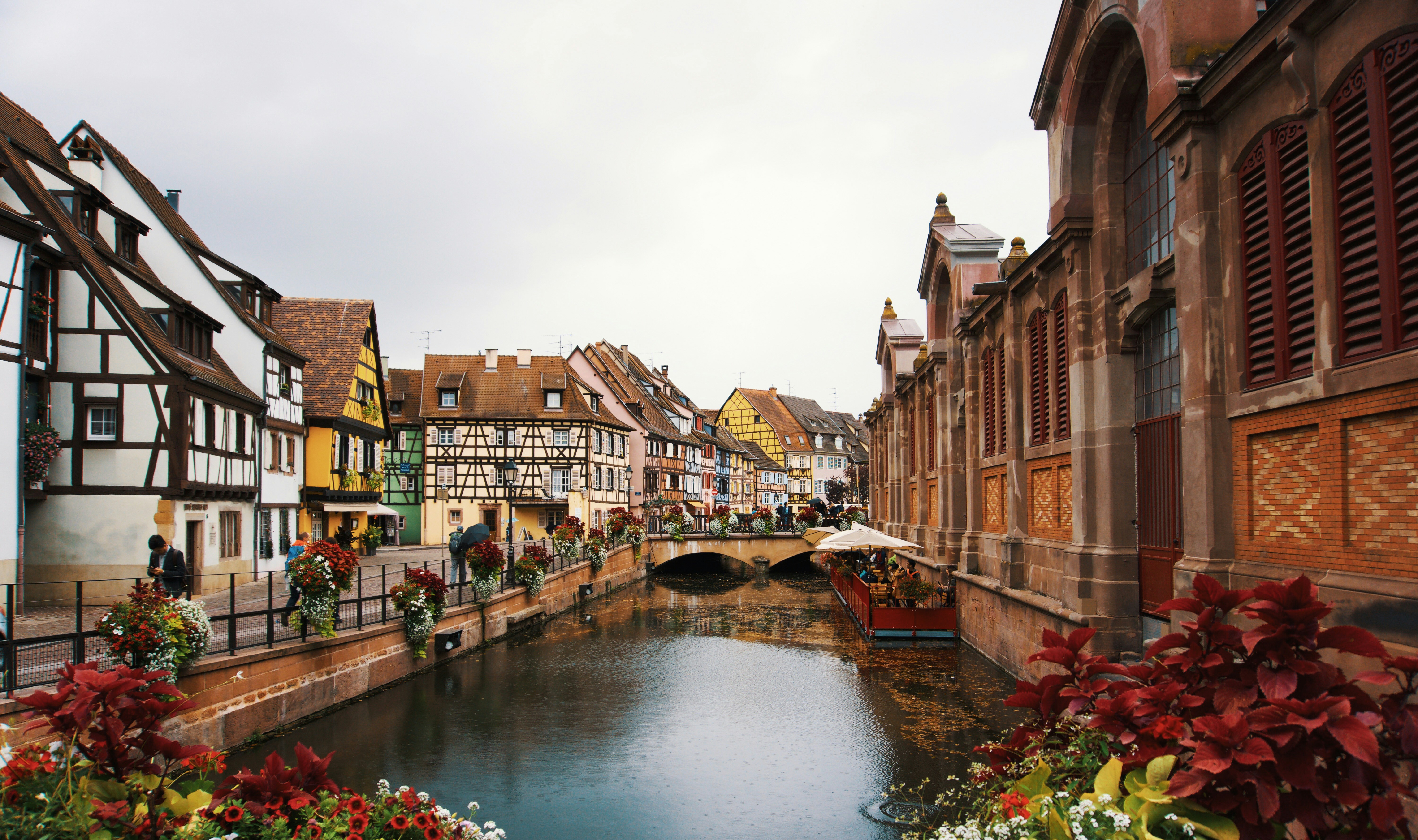
Living in France as a digital nomad offers a unique blend of professional flexibility and cultural richness. From bustling urban centers like Paris, Lyon, and Marseille to picturesque countryside towns, France provides a high quality of life, reliable infrastructure, and excellent connectivity, all essential for remote work. Cafés, coworking spaces, and cultural hubs are plentiful, making it easy to stay productive while immersing yourself in French culture. Beyond work, France’s rich history, world-renowned cuisine, and vibrant arts scene ensure that your time off is just as rewarding as your professional life.
While the lifestyle is appealing, planning ahead is important for the practical aspects of daily life. Renting an apartment usually requires proof of income and a local bank account, and health insurance is mandatory for long-term stays. Costs vary widely by region, with Paris being significantly more expensive than smaller cities or rural areas. Understanding local customs, transportation options, and administrative requirements can make your stay smoother and more enjoyable. By balancing work obligations with exploration and cultural immersion, digital nomads in France can experience one of Europe’s most inspiring and enriching environments.
Best Cities to Live in France
France offers a wide range of cities that are ideal for digital nomads, each with its own unique charm, cost of living, and professional opportunities. Here are three top choices for remote workers planning to live and work in France:
Paris

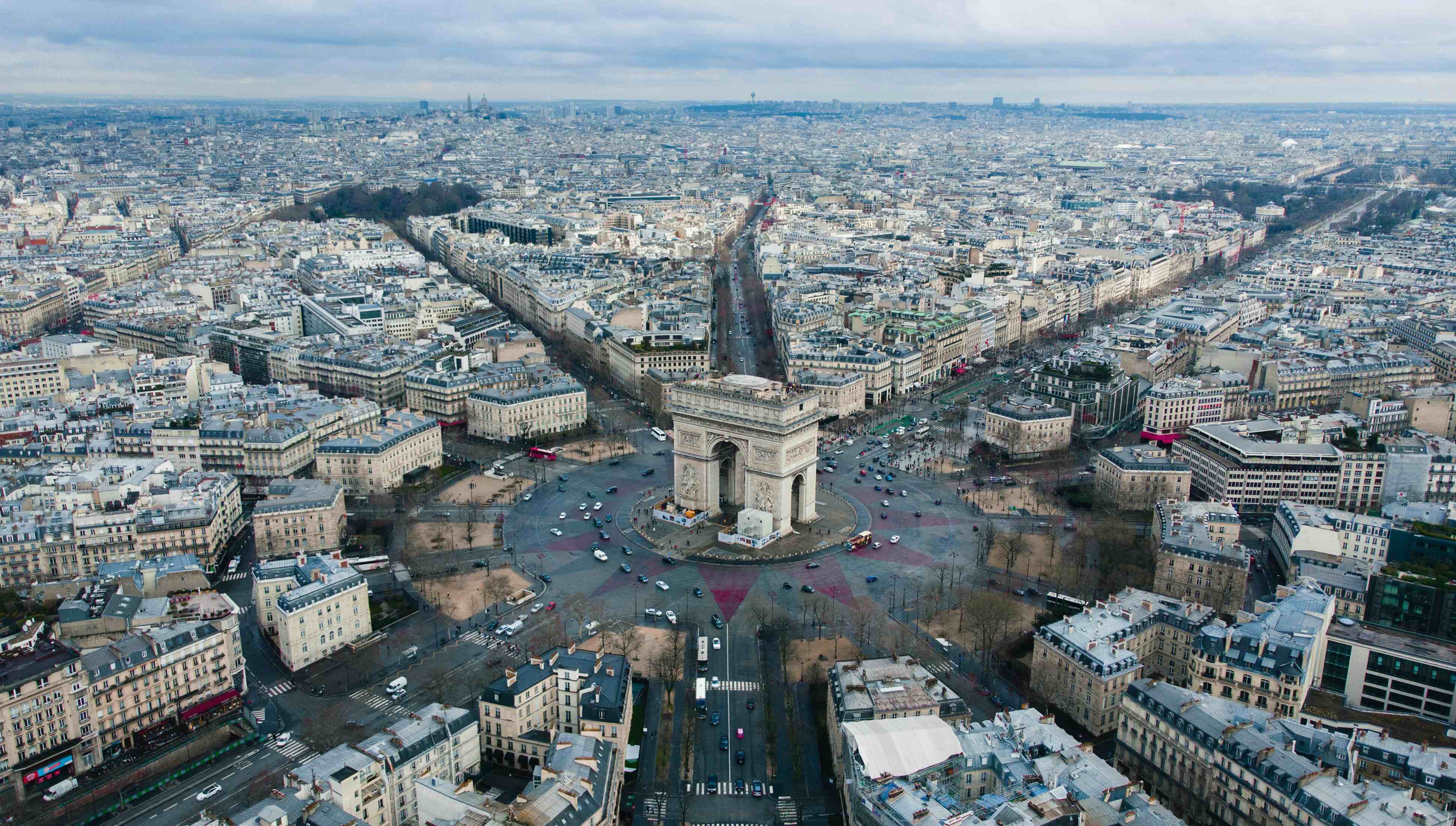
As France’s capital, Paris is a global hub for culture, business, and innovation. It boasts countless coworking spaces, cafés with reliable Wi-Fi, and networking opportunities for freelancers and entrepreneurs. While the cost of living is high (especially for housing), the city’s vibrant lifestyle, museums, historic landmarks, and international community make it an exciting choice for digital nomads who thrive in fast-paced urban environments.
Lyon
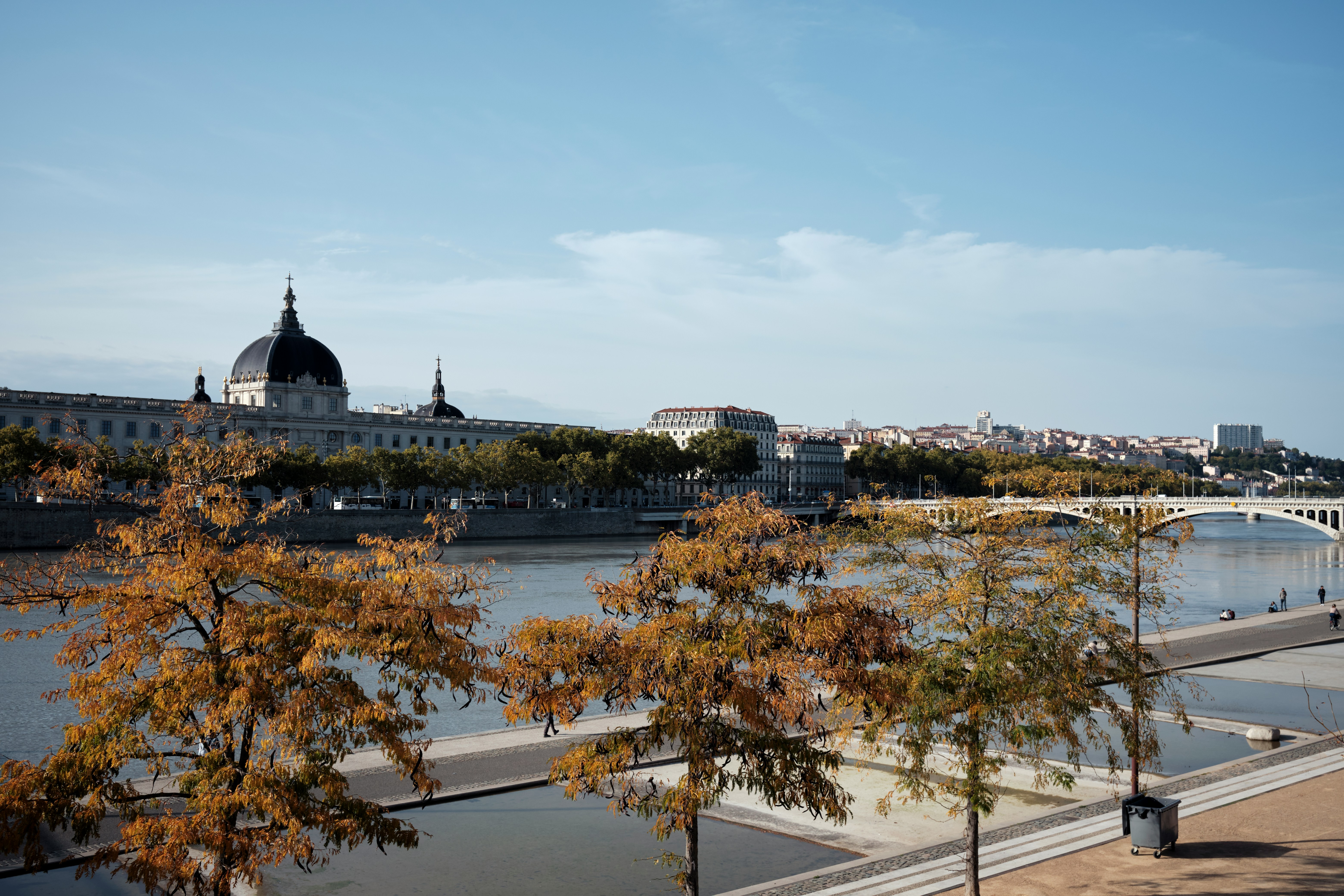
Lyon offers a more balanced lifestyle compared to Paris, combining cultural richness with a lower cost of living. Known as France’s gastronomic capital, it has a strong local economy and excellent infrastructure, making it ideal for remote professionals. The city also has a growing tech and startup scene, plenty of coworking spaces, and easy access to the Alps and other natural attractions, giving nomads both work opportunities and recreational options.
Bordeaux

Bordeaux, located in southwestern France, is famous for its wine, historic architecture, and relaxed lifestyle. It provides a quieter pace compared to Paris or Lyon, with affordable housing and a welcoming environment for international residents. The city has reliable internet connectivity, coworking spaces, and a lively café culture, making it perfect for digital nomads who want a mix of professional productivity and leisurely exploration of the French countryside.
Cost of Living
The official currency of France is the euro (€). 1 EUR = approximately $1.08 USD (exchange rates may vary).
The average net monthly salary in France is around €2,400, which equates to approximately $2,590 USD after taxes.
Here’s a rundown of what you should expect to pay in different cities:
Paris
Rent (1 bedroom in city center) – $1,500 per month
Rent (3 bedrooms outside city center) – $2,200 per month
Basic Utilities – $190 per month
Wi-Fi – $35 per month
Public Transport – $2.20 one-way
Groceries (2 people) – $500–$750 per month
Lyon
Rent (1 bedroom in city center) – $1,000 per month
Rent (3 bedrooms outside city center) – $1,600 per month
Basic Utilities – $160 per month
Wi-Fi – $30 per month
Public Transport – $2.00 one-way
Groceries (2 people) – $450–$650 per month
Bordeaux
Rent (1 bedroom in city center) –$1,300 per month
Rent (3 bedrooms outside city center) – $2,000 per month
Basic Utilities– $140 per month
Wi-Fi – $30 per month
Public Transport – $2.12 one-way
Groceries (2 people) – $350–$500 per month
FAQs
Can I work remotely in France on a tourist visa?
No. Tourist visas or short-term Schengen visas only allow stays up to 90 days and do not permit remote work for foreign or French clients. To legally work remotely in France, you must obtain a long-stay visa such as the Profession Libérale visa or the Long-Stay Visitor Visa (VLS-TS).
How long can I stay in France with a digital nomad visa option?
Both the Profession Libérale visa and the Long-Stay Visitor Visa (VLS-TS) are generally issued for up to 12 months, with the possibility to renew under certain conditions. Renewal often depends on continued proof of financial self-sufficiency, valid health insurance, and compliance with visa rules.
Do I have to pay taxes in France as a digital nomad?
It depends on your visa type and tax residency. Profession Libérale visa holders may need to pay French income tax and social contributions if they generate income in France. VLS-TS holders working for foreign employers typically remain taxed in their home country, as long as they don’t work for French clients and do not exceed 183 days in France.
Can I open a French bank account with these visas?
Yes. Both visas allow you to open a local bank account, which is often required for renting accommodation, paying bills, and managing professional activity if you are self-employed. Some banks may request proof of residence and a visa or visa validation.
Can I bring my family with me to France on a digital nomad visa?
Dependent family members may be able to join you, but requirements vary depending on the visa type and your personal situation. Generally, you must show proof of sufficient income and accommodation to support additional household members. Family members may need to apply for separate visas to reside in France legally.
Author
)
Nadia Dardón is a content creator from Guatemala. She has worked fully remotely for the past six years as a copywriter, editor, and content creator, working for different industries. She started her digital nomad journey in 2022 and currently lives as an expat in Spain.


