
Estonia Digital Nomad Visa - 2025 Update
)
Nadia Dardón
Immigration Content Writer
Last update
)

Estonia Rating from Citizen Remote
Overall  4.2
4.2

Internet Infrastructure 3.0
Country Stability 4.0
Cost of Living 4.0
Ease of Obtaining Visa 5.0
Taxes 5.0
Quick Visa Facts

Visa length Up to 12 months

Possible to extend? No, extensions are generally not available

Who can apply? Remote employees, freelancers, or business owners working for foreign clients or companies

Minimum Income Requirements Approximately €4,500 gross per month

Time for visa applications Typically up to 30 days for processing
Want to know if you can apply?
Complete a visa quiz and see if you qualify!
Estonia has quietly become one of Europe’s most forward-thinking countries for remote workers, and the Estonia Digital Nomad Visa is a big reason why. Designed for location-independent professionals who want to live in Estonia while continuing to work for clients or employers abroad, this visa offers a legal, straightforward way to experience life in one of the world’s most digitally advanced nations.
Whether you’re a remote employee, freelancer, or business owner, Estonia’s Digital Nomad Visa allows you to stay in the country for up to a year without needing local employment or residency. From its seamless online services to its vibrant startup culture and high quality of life, Estonia has positioned itself as a natural home for digital nomads, not just in theory, but in practice.
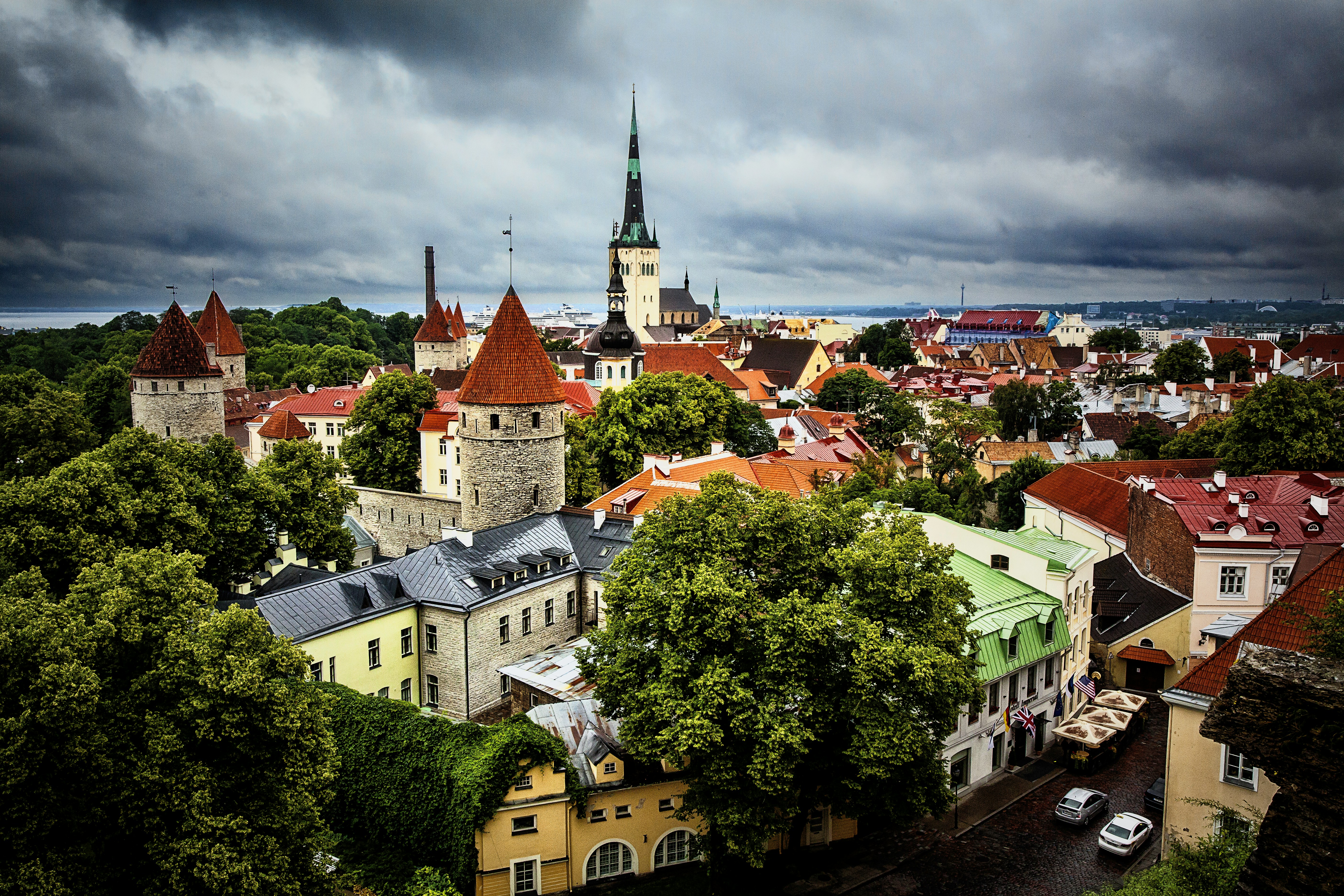
Estonia Digital Nomad Visa Overview
The Estonia Digital Nomad Visa is a temporary residence visa designed for people who can work remotely and want to live in Estonia while continuing their professional activities abroad. Introduced in August 2020, Estonia became one of the first countries in the world to officially recognize digital nomads in its immigration system, reinforcing its reputation as a global leader in digital governance and remote-work innovation.
This visa allows location-independent professionals to legally stay in Estonia for an extended period without entering the local labor market. Unlike traditional work visas, the Digital Nomad Visa does not require sponsorship from an Estonian employer, making it a flexible option for modern remote workers who want to base themselves in Europe temporarily.
The visa is available as both a short-stay (Type C) and long-stay (Type D) option, with the long-stay visa allowing you to live in Estonia for up to 12 months.
Who Is It For?
The Estonian Digital Nomad Visa is intended for individuals who can perform their work entirely online and independently of location. This includes:
Remote employees working for a company registered outsideof Estonia.
Freelancers or consultants with primarily foreign clients.
Business owners whose companies are registered abroad.
Applicants must be able to prove the nature of their remote work and meet Estonia’s minimum income requirement, ensuring they can support themselves during their stay without relying on the Estonian job market.
What Does It Allow You to Do?
With an approved Estonia Digital Nomad Visa, you can:
Live in Estonia legally for up to one year while working remotely.
Work online for non-Estonian employers or clients.
Travel within the Schengen Area under standard Schengen rules (for short stays outside Estonia)
Access Estonia’s world-class digital infrastructure, coworking spaces, and startup ecosystem.
It’s important to note that this visa does not grant permanent residency, allow you to work for Estonian companies, or automatically lead to long-term residence rights. It is designed specifically for temporary stays while maintaining professional ties outside Estonia.
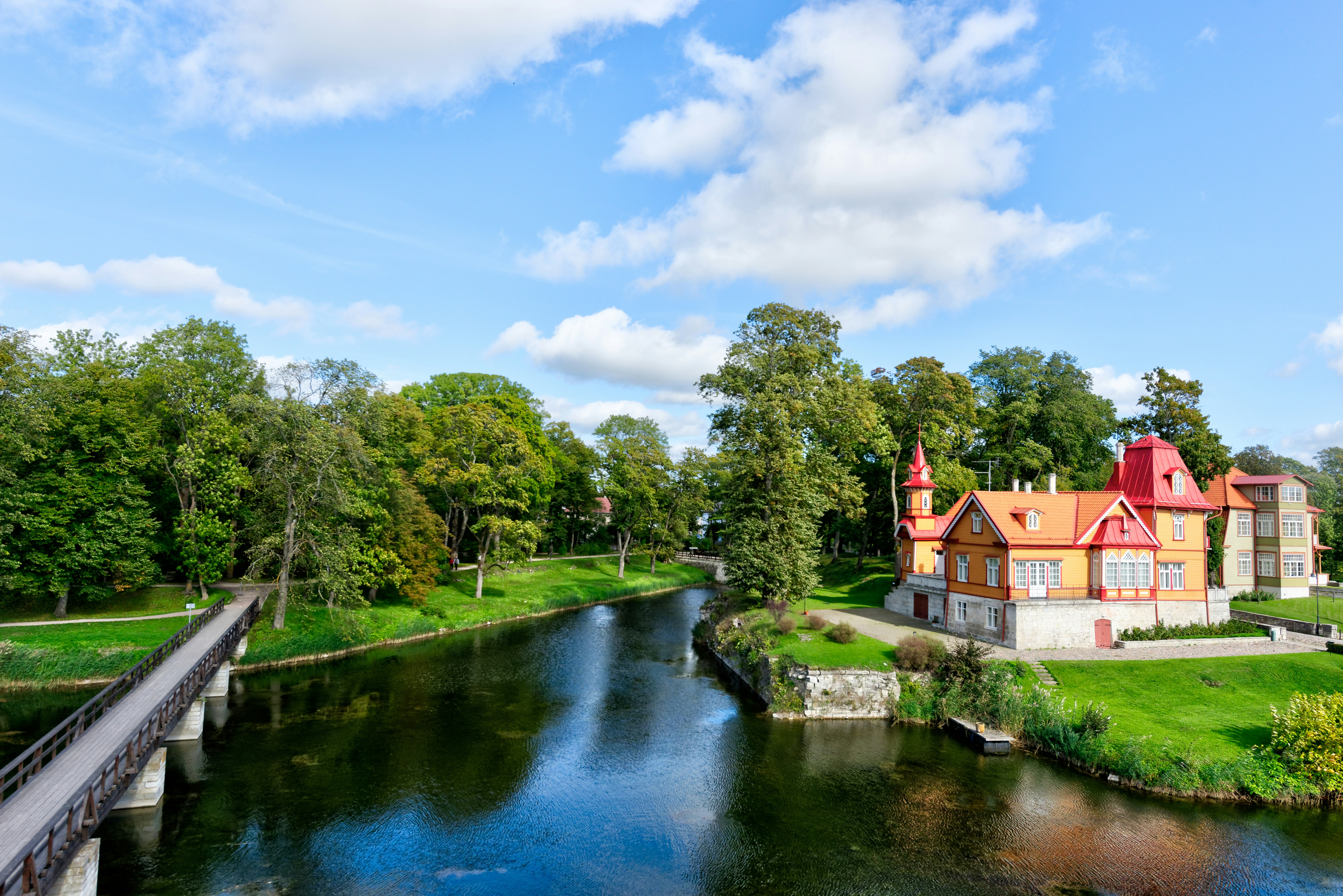
Visa Requirements for the Estonia Digital Nomad Visa
To apply for the Estonia Digital Nomad Visa, you must submit a set of standard visa documents along with specific evidence proving your remote work status and financial stability. All documents must meet Estonian visa requirements and be submitted through an Estonian embassy or consulate.
When applying, you will generally need to provide the following:
A completed and signed visa application form.
A valid passport (issued within the last 10 years and valid for at least three months beyond your intended stay)
Passport-sized photographs that meet Schengen visa photo requirements.
Proof of accommodation in Estonia (such as a rental agreement or booking)
Proof of payment of the visa fee.
A cover letter explaining the purpose of your stay and your remote work situation.
Any additional documents requested by the embassy or consulate handling your application.
Proof of Financial Self-Sufficiency
To qualify for the Estonia Digital Nomad Visa, applicants must demonstrate that they have a minimum gross monthly income of approximately €4,500 (EUR 4,500) in the six months prior to applying. This requirement shows that you can financially support yourself during your stay in Estonia without relying on local employment or public funds.
Note: Authorities will assess your income over the past six months based on evidence such as bank statements, payslips, contracts, or invoices, and determine whether your earnings consistently meet or exceed this threshold.
Proof of Remote Work
You must demonstrate that your work can be carried out remotely and is independent of location. Depending on your situation, this may include:
An employment contract with a foreign company confirming remote work.
Proof of freelance or consulting activities with non-Estonian clients.
Company registration documents if you own a business registered outside Estonia.
The key requirement is that your professional activities are not tied to the Estonian labor market.
Private Health Insurance
Applicants for the Estonia Digital Nomad Visa must have valid private health insurance covering the entire duration of their stay in Estonia. This requirement ensures that digital nomads can access necessary medical care without placing a burden on the Estonian healthcare system.
The insurance policy must be valid in Estonia and should cover essential medical expenses, including emergency treatment, hospitalization, and repatriation if required. For long-stay (Type D) visa applicants, the coverage must extend for the full validity of the visa and remain active from the date of entry into Estonia.
Proof of health insurance is a mandatory part of the visa application and must be submitted to the Estonian embassy or consulate at the time of application. Applications may be refused if the insurance coverage is deemed insufficient, limited in scope, or does not clearly cover the full period of stay. For this reason, applicants are advised to carefully review policy terms and ensure their insurance meets Estonia’s long-stay visa requirements before submitting their application.
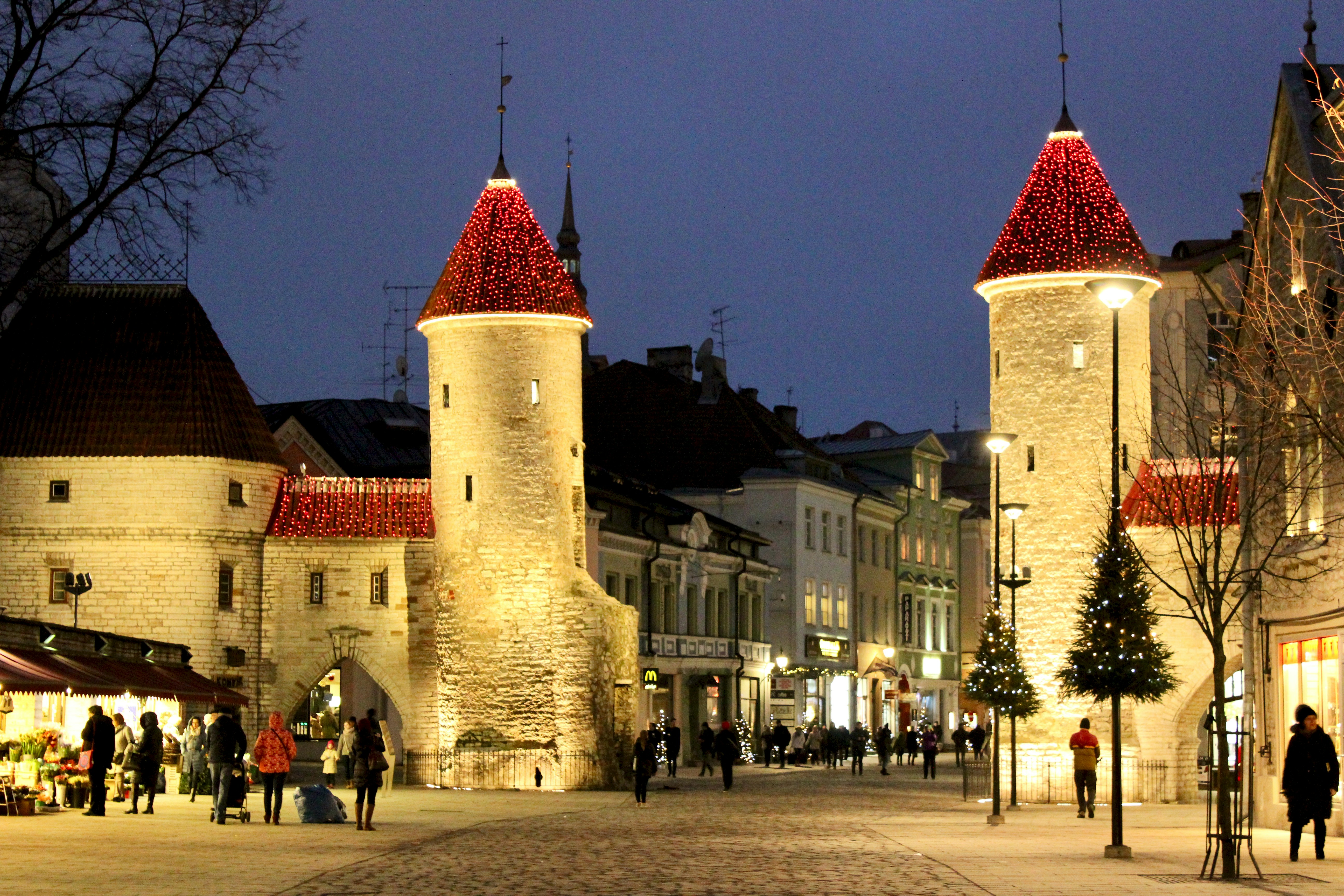
How to Apply for the Estonia Digital Nomad Visa – Step-by-Step Instructions
Applying for the Estonia Digital Nomad Visa is a straightforward process, but it must be done carefully to ensure all requirements are met. Applications are submitted through an Estonian embassy or consulate and follow standard Estonian visa procedures.
Step 1: Confirm Your Eligibility
Before applying, make sure you meet the core requirements of the Digital Nomad Visa. You must be able to work remotely using telecommunications technology and earn sufficient income from sources outside Estonia. Your work must not be tied to the Estonian labor market, and you must meet the minimum income threshold in the months leading up to your application.
Step 2: Gather the Required Documents
Prepare all required documents in advance, including your completed visa application form, valid passport, photographs, proof of accommodation, proof of income, evidence of remote work, and valid private health insurance. Having complete and well-organized documentation is essential, as missing or unclear documents can delay processing or result in refusal.
Step 3: Book an Appointment at an Estonian Embassy or Consulate
You must submit your application in person at the nearest Estonian embassy or consulate, or at an authorized visa application center representing Estonia. Appointments are usually required and should be booked ahead of time, as availability can vary by location.
Step 4: Submit Your Application and Pay the Visa Fee
Attend your appointment to submit your application and supporting documents. During this step, you will also pay the applicable visa fee. In some cases, biometric data such as fingerprints may be collected as part of the standard visa process.
Step 5: Wait for Your Application to Be Processed
Once submitted, your application will be reviewed by Estonian authorities. Processing times can vary, but applications are typically processed within up to 30 days, provided all documentation is complete, and no additional checks are required. You may be contacted if further information or clarification is needed.
Step 6: Receive Your Decision and Prepare for Travel
If your application is approved, you will receive your Digital Nomad Visa, allowing you to enter and stay in Estonia for the approved period. Before traveling, double-check your visa validity dates, ensure your health insurance is active, and confirm accommodation arrangements.
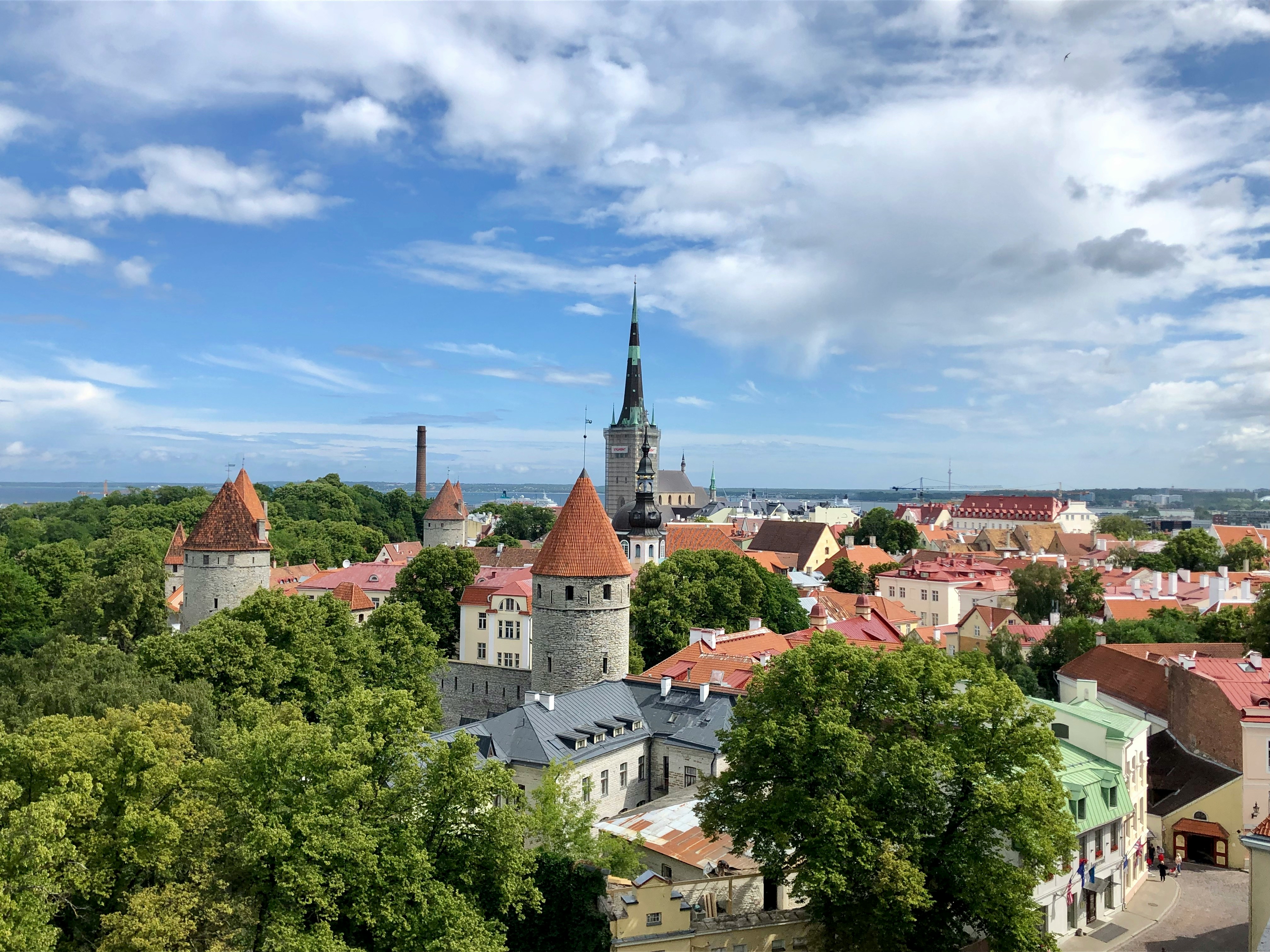
Stay Requirements in Estonia
Holders of the Estonia Digital Nomad Visa must comply with the conditions attached to their visa for the entire duration of their stay. The visa is intended for temporary residence and allows you to live in Estonia while continuing to work remotely for employers or clients based outside the country. You are expected to maintain the same remote work situation and income level that qualified you for the visa at the time of application.
During your stay, you must continue to meet Estonia’s financial self-sufficiency requirements and keep valid private health insurance for the full length of your visa. If your employment situation changes significantly or your income falls below the required threshold, this may affect your eligibility to remain in Estonia under the Digital Nomad Visa.
The visa does not permit you to take up employment with Estonian companies or provide services directly to the local labor market. Any professional activity must remain location-independent and foreign-based. While living in Estonia, you must also comply with local laws, maintain a valid address, and respect the conditions of stay outlined by Estonian immigration authorities.
For long-stay visa holders, time spent in Estonia under the Digital Nomad Visa counts as a temporary stay and does not automatically lead to permanent residence or long-term residency rights. If you wish to remain in Estonia beyond the validity of your visa, you must explore alternative residence permits and meet the requirements for those categories before your Digital Nomad Visa expires.
How Much Does the Estonia Digital Nomad Visa Cost?
The cost of the Estonia Digital Nomad Visa depends on the type of visa you apply for and a few additional expenses related to the application process. The official government visa fees are paid at the time of application and are non-refundable.
Short-stay (Type C) visa: approximately €80
Long-stay (Type D) visa: approximately €100
In addition to the state visa fee, applicants should budget for other necessary costs, such as private health insurance covering the full duration of the stay. Travel expenses related to attending an embassy or consulate appointment, and any document preparation costs. This includes translations or notarizations. While these expenses are not fixed government fees, they are a standard part of preparing a complete and compliant application.
Overall, the mandatory government fee for the Estonian Digital Nomad Visa typically ranges between €80 and €100, with total costs varying depending on individual circumstances and supporting documentation requirements.
Taxes for People With a Estonia Digital Nomad Visa
One of the key considerations for anyone planning to live in Estonia on a Digital Nomad Visa is understanding the country’s tax rules. While the visa allows you to stay in Estonia for up to one year, it does not automatically make you a tax resident. Generally, you will only be considered an Estonian tax resident if you spend more than 183 days in a calendar year in the country or establish a permanent place of residence.
If you remain below the 183-day threshold and your income is earned from a foreign employer or clients, you typically continue paying taxes in your home country according to your existing agreements and local tax laws. However, it is essential to carefully track your time in Estonia and maintain clear records of your income sources to avoid potential tax complications.
For those who exceed the 183-day limit or establish a more permanent residence, Estonia’s progressive income tax system may apply. This includes a flat income tax rate of 20% on worldwide income for residents. Freelancers or business owners may also need to register for Estonian taxation or social security if they decide to operate a business locally. Although this is generally not required for standard Digital Nomad Visa holders who maintain employment or clients abroad.
It is highly recommended that applicants consult with a tax advisor familiar with both Estonia and their home country to ensure compliance with all applicable tax obligations while living in Estonia as a digital nomad.
Living in Estonia with the Digital Nomad Visa
Living in Estonia on the Digital Nomad Visa offers a unique opportunity to experience one of Europe’s most digitally advanced and accessible countries. Estonia is renowned for its high-speed internet, extensive e-government services, and modern infrastructure, making it an ideal environment for remote work. From the vibrant cultural scene in Tallinn to the peaceful landscapes of the countryside, digital nomads can enjoy a blend of urban convenience and natural beauty. Coworking spaces, cafés with reliable Wi-Fi, and networking events for remote professionals make it easy to stay productive while immersing yourself in Estonian life.
Beyond work, Estonia provides a high quality of life at a relatively affordable cost compared to other European countries. Residents can explore historical sites, enjoy local cuisine, and participate in seasonal festivals. The country is also very safe, with low crime rates and a strong sense of community. While the Digital Nomad Visa is temporary, it gives you the chance to fully integrate into local society, experience Estonian culture firsthand, and maintain a balanced work-life lifestyle while continuing your remote career.
Best Cities to Live in Estonia
Estonia offers a variety of cities that are ideal for digital nomads, each with its own unique character, amenities, and lifestyle. Whether you prefer a bustling urban environment or a quieter, picturesque town, there’s something for everyone. Here are three of the best cities to consider when living in Estonia with the Digital Nomad Visa:
Tallinn
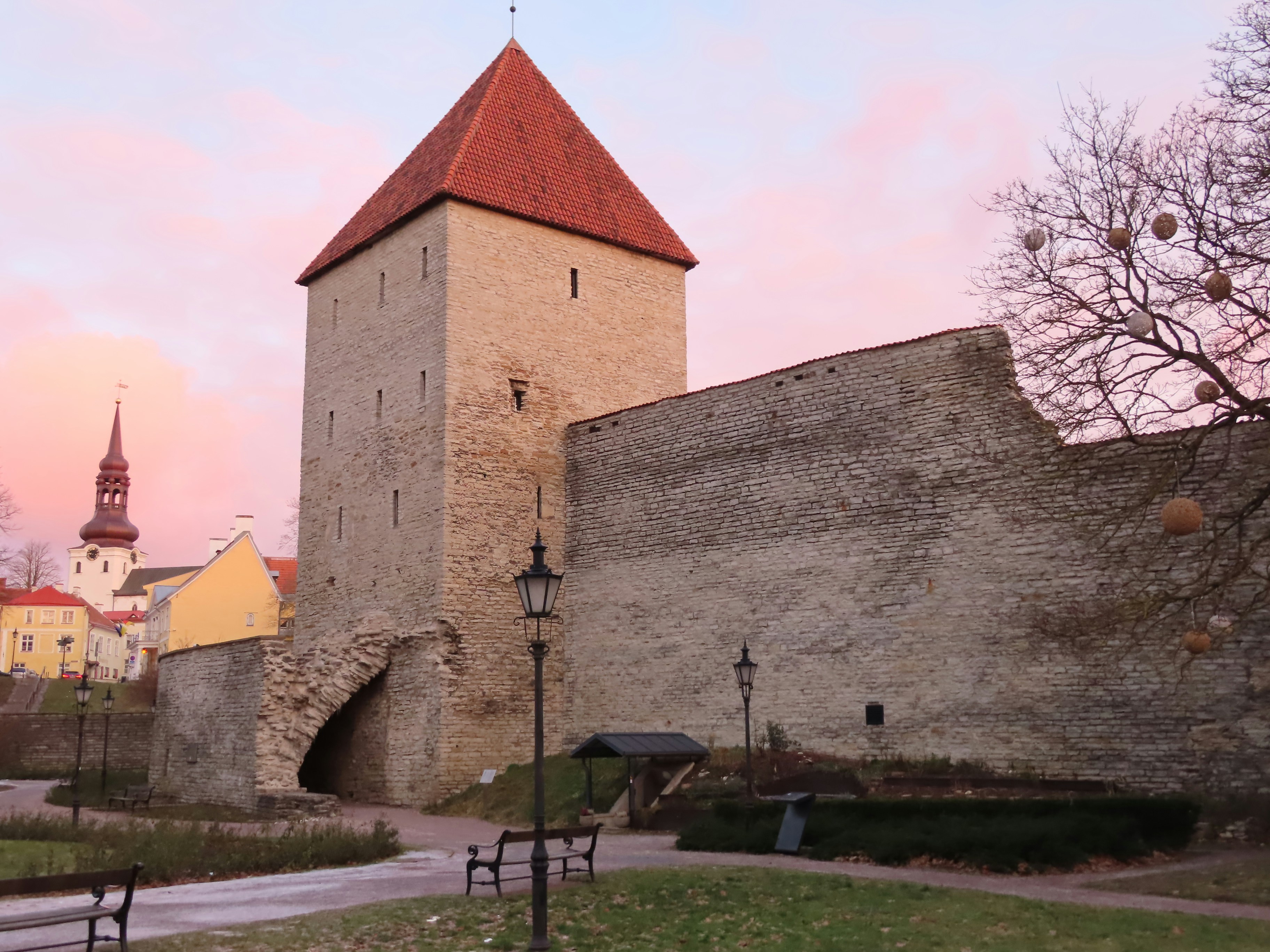
Tallinn, Estonia’s capital, is the hub of the country’s tech and startup scene. With its charming medieval Old Town, modern coworking spaces, and fast internet connectivity, Tallinn combines historical beauty with a thriving professional environment. The city is full of cafés, cultural events, and networking opportunities, making it perfect for remote workers looking to connect with other professionals while enjoying a vibrant urban lifestyle.
Tartu
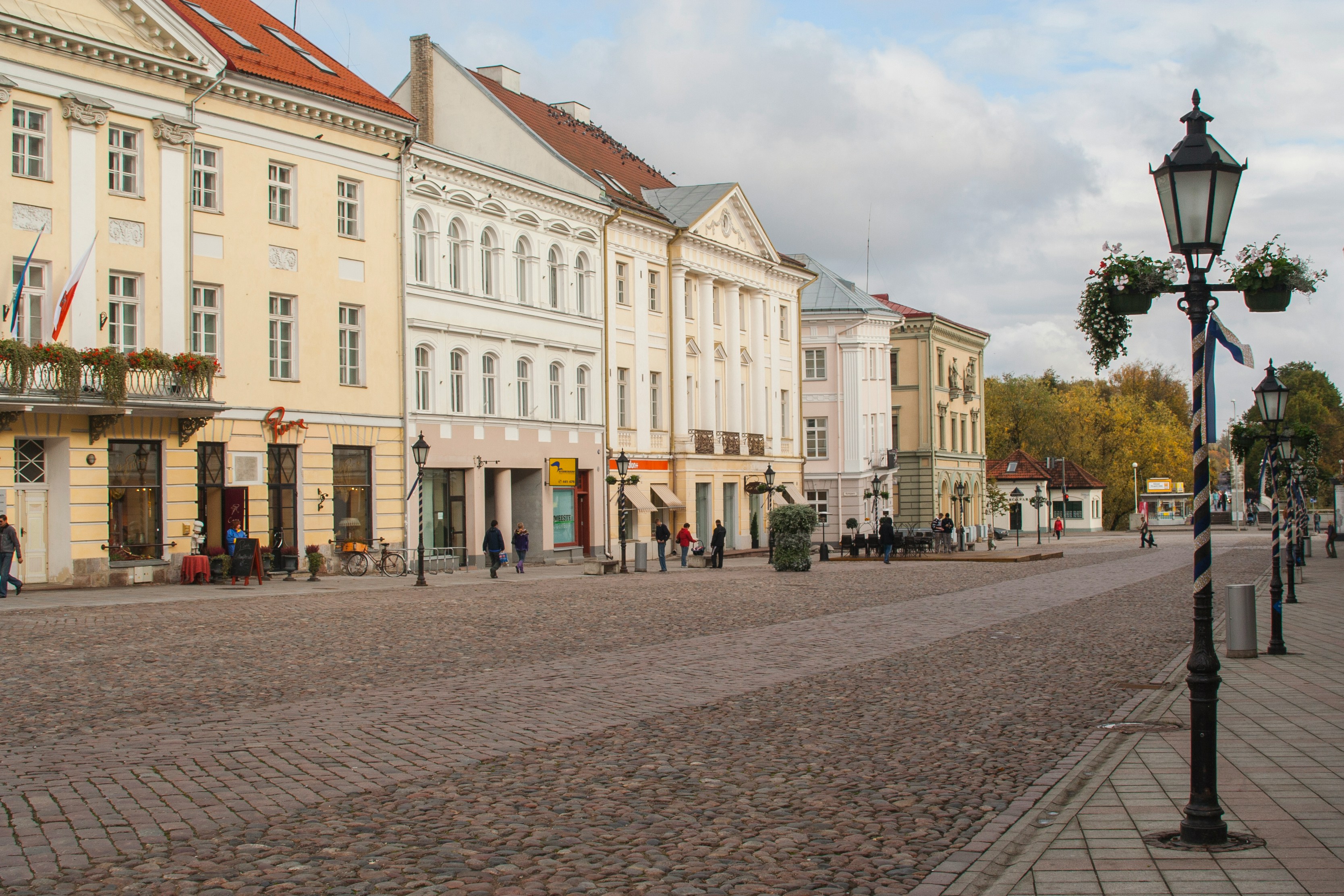
Tartu is Estonia’s second-largest city and is known as the country’s intellectual and cultural center. Home to the University of Tartu, the city has a youthful and energetic atmosphere, with plenty of cafés, libraries, and cultural activities. Tartu is quieter than Tallinn but still offers excellent digital infrastructure, making it ideal for those who want a balance of productivity, study, and a slower-paced lifestyle.
Pärnu
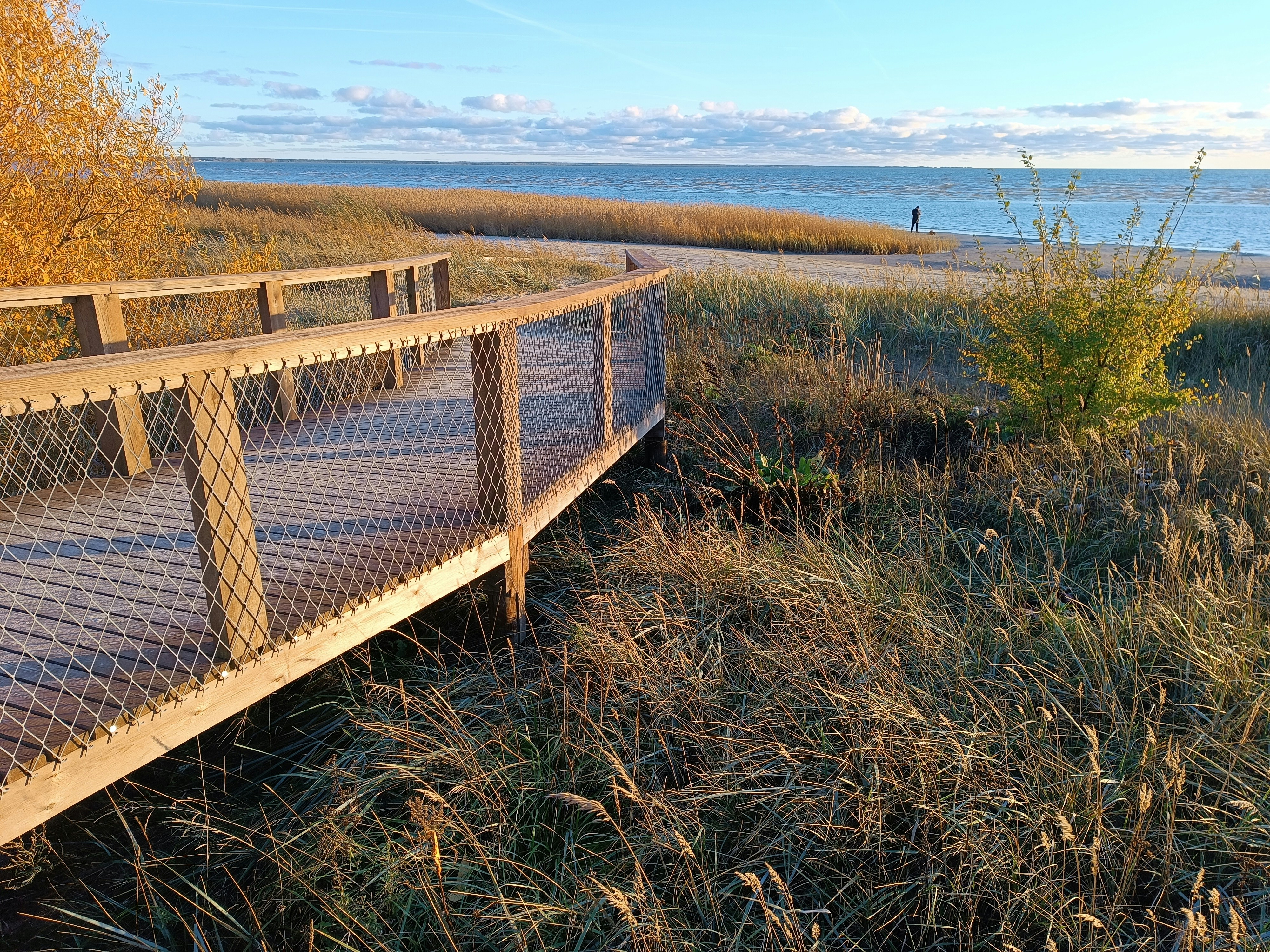
Pärnu, often called Estonia’s summer capital, is famous for its beaches, spas, and relaxed coastal lifestyle. It’s a smaller city, offering a more peaceful and scenic environment for digital nomads who enjoy working with a view of nature and the sea. Despite its tranquil setting, Pärnu provides modern amenities, reliable internet, and a close-knit community, making it a great choice for remote professionals seeking a more laid-back experience.
Cost of Living
The official currency of Estonia is the Euro (EUR). As of late 2025, 1 € ≈ $1.17 USD (this rate can fluctuate with market movements).
The average net monthly salary in Estonia is around €1,500 – €1,600, which equates to approximately $1,760 – $1,870 USD per month.
Here’s a rundown of what you should expect to pay in different cities:
Tallinn
Rent (1 bedroom in city center): ~$815 per month
Rent (3 bedrooms outside city center): ~$1,030 per month
Basic Utilities: ~$398 per month
Wi-Fi: ~$33 per month
Public Transport (one-way): ~$2.30
Groceries (2 people): ~$460–$690 per month
Tartu
Rent (1 bedroom in city center): ~$560 per month
Rent (3 bedrooms outside city center): ~$775 per month
Basic Utilities: ~$255 per month
Wi-Fi: ~$37 per month
Public Transport (one-way): ~$1.75–$1.90
Groceries (2 people): ~$400–$650 per month
Pärnu
Rent (1 bedroom in city center): ~$430 per month
Rent (3 bedrooms outside city center): ~$585 per month
Basic Utilities: ~$360 per month
Wi-Fi: ~$36 per month
Public Transport (one-way): ~$2.30
Groceries (2 people): ~$370–$550 per month
FAQs
Do I need to be an e-resident to apply for the Digital Nomad Visa?
No, the Estonia Digital Nomad Visa is separate from the e-Residency program. You do not need e-Residency to apply, and holding the visa does not automatically grant you e-Residency.
How long can I stay in Estonia with this visa?
The Digital Nomad Visa allows you to live in Estonia for up to 12 months. It is a temporary residence permit and does not automatically lead to permanent residency. Extensions may not be available, so you should plan accordingly.
What is the minimum income required to qualify?
Applicants must demonstrate a gross monthly income of approximately €4,500 from remote work or foreign clients for at least six months prior to applying. This ensures you can support yourself during your stay.
Can I work for Estonian companies while on this visa?
No, the Digital Nomad Visa is designed for remote work for non-Estonian employers or clients. You are not permitted to enter the local labor market or work for Estonian companies directly.
What documents do I need to provide with my application?
At a minimum, you will need a completed application form, a valid passport, passport-sized photos, proof of income, proof of remote work, private health insurance, and proof of accommodation. Additional documents may be requested by the embassy or consulate.
Author
)
Nadia Dardón is a content creator from Guatemala. She has worked fully remotely for the past six years as a copywriter, editor, and content creator, working for different industries. She started her digital nomad journey in 2022 and currently lives as an expat in Spain.


