
Colombia Real Estate Investor Visa (M-10 Visa)
)
Nadia Dardón
Immigration Content Writer
Last update
)

Colombia Rating from Citizen Remote
Overall  3.6
3.6

Internet Infrastructure 4.0
Country Stability 3.0
Cost of Living 4.0
Ease of Obtaining Visa 3.0
Taxes 4.0
Quick Visa Facts

Visa length Typically 1–2 years

Possible to extend? Yes, the visa can be renewed or extended if the qualifying real estate investment and other requirements remain valid.

Who can apply? Foreign nationals investing in qualifying real estate

Minimum Income Requirements ~COP 13–15M / USD $3,300–$3,800 per month

Time for visa applications Processing typically takes 2–6 weeks
Want to know if you can apply?
Complete a visa quiz and see if you qualify!
Colombia has quietly become one of Latin America’s most compelling real estate investment destinations, attracting both local and international investors looking for stability, growth, and long-term opportunity. Among the options gaining increased attention is the Colombia M-10 Real Estate Investment, a pathway that combines property ownership with a clearly defined legal and regulatory framework.
Whether you’re exploring Colombia for portfolio diversification, income-generating assets, or long-term residency planning, understanding how the M-10 real estate investment works is essential. From legal requirements and capital thresholds to registration processes and government oversight, each step plays a critical role in protecting your investment and ensuring compliance with Colombian law.
In this guide, we break down everything you need to know about the Colombia M-10 Real Estate Investment.
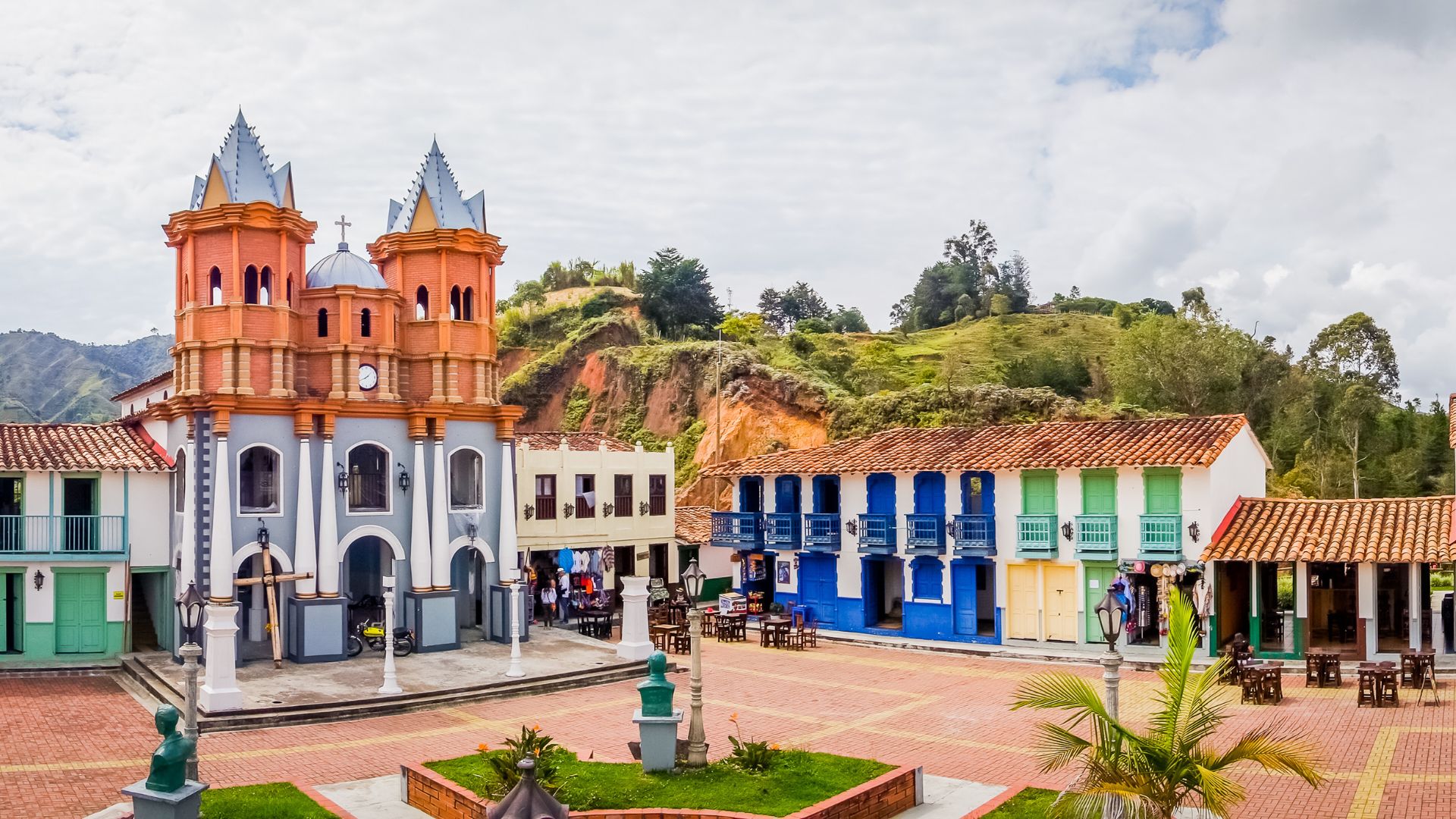
Colombia M-10 Real Estate Investment Visa Overview
The Colombia M-10 Real Estate Investment Visa is part of Colombia’s modernized immigration framework introduced under the country’s updated visa regulations in 2022. Designed to attract foreign capital and long-term investment, this visa allows non-Colombian nationals to obtain legal residency through qualifying real estate investments made in Colombia.
At its core, the M-10 visa is a migrant (M) visa specifically tied to property ownership. It provides a legal pathway for investors who purchase real estate that meets the minimum investment threshold established by Colombian authorities and properly register that investment through the country’s official financial and legal systems.
This visa reflects Colombia’s broader strategy to encourage transparent foreign investment while offering investors legal certainty, residency rights, and access to one of Latin America’s fastest-evolving property markets.
Who Is It For?
The Colombia M-10 Real Estate Investment Visa is intended for foreign nationals who invest in residential or commercial property in Colombia and can demonstrate that the investment complies with all legal and financial requirements. It is particularly well-suited for:
International investors seeking long-term exposure to Colombian real estate.
Individuals planning extended stays or partial relocation to Colombia.
Investors interested in aligning property ownership with legal residency.
Buyers who value operating within a regulated, government-recognized framework.
Applicants must be able to prove the lawful origin of funds and the official registration of their real estate investment in Colombia.
What Does It Allow You to Do?
Holding a Colombia M-10 Real Estate Investment Visa allows you to:
Legally reside in Colombia for the duration of the visa.
Own and maintain real estate as a foreign national.
Enter and exit the country freely while the visa is valid.
Build continuous residency time that may support future visa upgrades, depending on eligibility.
Conduct personal investment-related activities connected to your property.
While the M-10 visa is not a work visa, it offers a stable residency solution for investors who want legal presence in Colombia while managing or holding real estate assets.
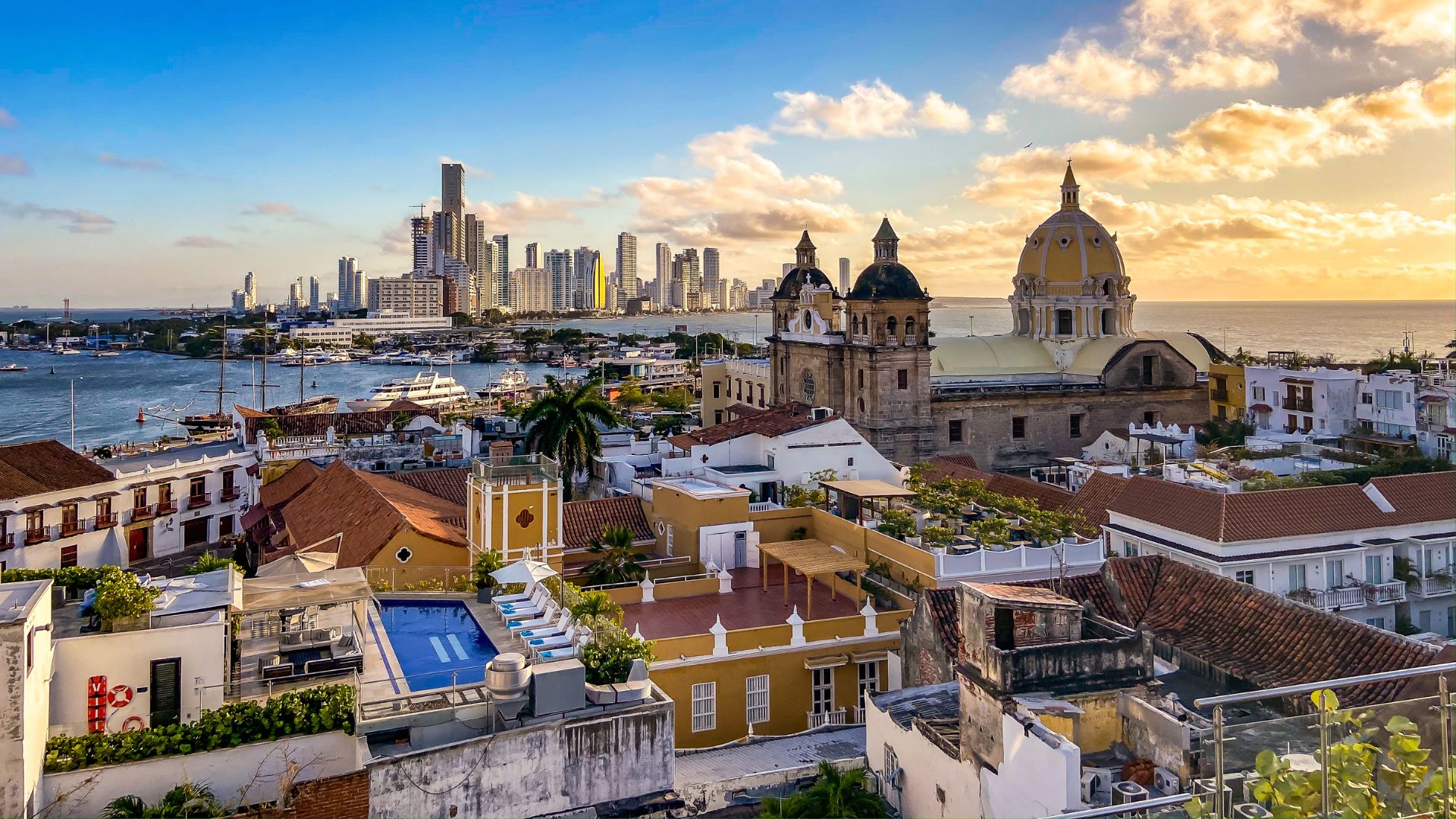
Colombia M-10 Visa Requirements
Applying for the Colombia M-10 Real Estate Investment Visa requires submitting a set of standard immigration documents, along with specific evidence tied to your real estate investment. All documents must meet the formal requirements established by Colombia’s Ministry of Foreign Affairs and be uploaded through the official visa application system.
Most applicants will be asked to provide the following standard documents:
Completed online visa application form
Valid passport (with sufficient validity and blank pages)
Passport-style photograph meeting official specifications
Copy of the passport biographic data page
Proof of legal entry or stay in Colombia (if applying from within the country)
Payment of applicable visa application and issuance fees
Any additional documents requested by Colombian immigration authorities during review
All foreign documents may need to be translated into Spanish and, where applicable, properly apostilled or legalized.
Proof of Real Estate Investment
The cornerstone of the M-10 visa is proof of a qualifying real estate investment made in Colombia. Under current regulations, the minimum investment amount is approximately 350 times the Colombian statutory monthly minimum wage (SMMLV) at the time of application. In practical terms, this places the required investment in the range of COP 455,000,000 to COP 520,000,000, depending on the year’s minimum wage adjustment. At typical exchange rates, this corresponds to roughly USD $115,000 to $130,000.
The property must be fully purchased, registered in the applicant’s name, and officially recorded with Colombia’s public registry. In addition, the investment must be properly registered through Colombia’s financial system to demonstrate transparency and compliance with foreign investment rules.
Proof of Financial Self-Sufficiency
Applicants must also demonstrate that they have sufficient financial means to support themselves while residing in Colombia. While this requirement is evaluated case by case, immigration authorities typically expect proof of ongoing financial capacity equivalent to around 10 SMMLV per month. This translates to approximately COP 13,000,000 to COP 15,000,000 per month, or about USD $3,300 to $3,800, depending on exchange rates.
This requirement is designed to ensure that visa holders can cover living expenses independently and will not rely on public assistance. Supporting evidence usually includes recent bank statements, income documentation, or proof of assets.
Private Health Insurance
Private health insurance is a mandatory requirement for the M-10 visa. Applicants must show active medical insurance coverage that is valid in Colombia for the duration of the visa. The policy should include coverage for general medical care, hospitalization, and emergencies. At the time of application, private insurance is typically required even if the applicant plans to enroll in Colombia’s public healthcare system later.
Proof of Lawful Source of Funds
To comply with Colombia’s anti–money laundering and financial transparency regulations, applicants must prove that the funds used for the real estate purchase originate from lawful and verifiable sources. This is a critical part of the application review. Immigration authorities may examine bank transfer records, income statements, asset sale documentation, or other financial evidence to confirm the legitimacy and traceability of the investment funds.
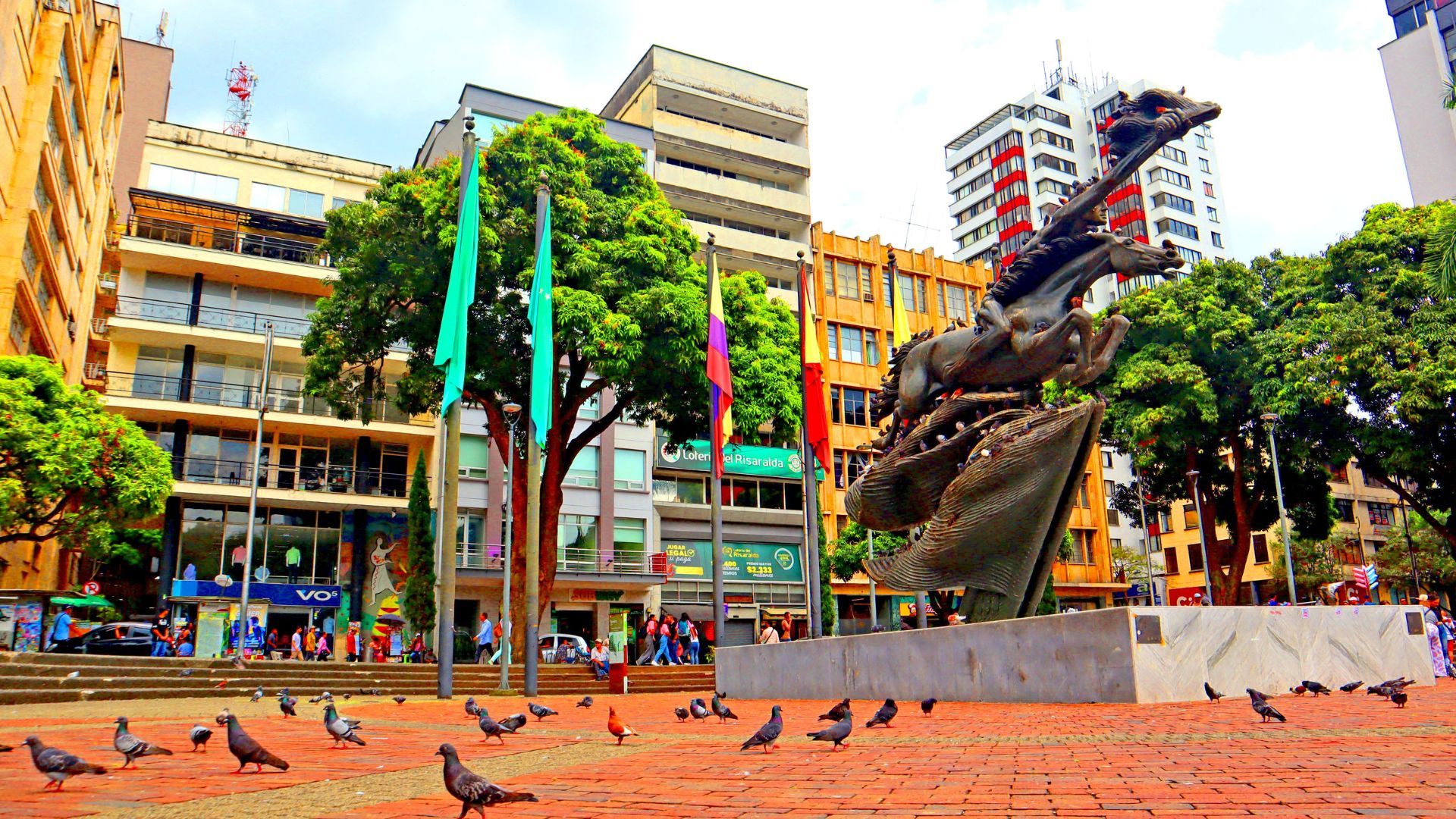
How to Apply for the Colombia M-10 Real Estate Investment Visa – Step-by-Step Instructions
Applying for the Colombia M-10 Real Estate Investment Visa follows a structured process managed by Colombia’s Ministry of Foreign Affairs. While each application is reviewed individually, most investors will go through the same core steps. Completing each stage carefully and in the correct order helps avoid delays and requests for additional documentation.
Step 1: Complete the Real Estate Investment
Before applying for the M-10 visa, the real estate investment must be fully completed. This means the property must be purchased, registered in the applicant’s name through Colombia’s public registry, and properly recorded as a foreign investment through the Colombian financial system. Properties that are under contract or awaiting registration do not meet visa requirements.
Step 2: Prepare All Required Documents
Once the investment is finalized, applicants should gather all required documentation. This includes a valid passport, visa application materials, proof of real estate ownership, financial self-sufficiency documentation, proof of lawful source of funds, and private health insurance valid in Colombia. Any documents issued outside Colombia may need to be translated into Spanish and legalized or apostilled.
Step 3: Submit the Online Visa Application
The M-10 visa application is submitted online through the official visa platform of Colombia’s Ministry of Foreign Affairs. Applicants must complete the application form, upload all supporting documents, and pay the required application fee. Accuracy and consistency across all documents is essential, as discrepancies can slow down processing.
Step 4: Application Review and Follow-Up Requests
After submission, the application enters the review phase. During this time, immigration authorities may request additional information or clarification, particularly related to the real estate investment value, source of funds, or financial capacity. Responding promptly and thoroughly helps keep the application on track.
Step 5: Visa Approval and Issuance
If approved, the applicant will receive an electronic notification and instructions to pay the visa issuance fee. Once payment is completed, the Colombia M-10 Real Estate Investment Visa is issued digitally and linked to the applicant’s passport.
Step 6: Register the Visa in Colombia (If Required)
Depending on the length and conditions of the visa, applicants may be required to register their visa with Colombian authorities after approval or entry into the country. This registration helps formalize legal status and may be necessary for accessing certain services during residency.

Stay Requirements for Colombia
Holders of the Colombia M-10 Real Estate Investment Visa must comply with Colombia’s residency and stay rules in order to keep the visa valid. While the M-10 visa does not require continuous physical presence in the country, visa holders must avoid remaining outside Colombia for extended periods that could result in automatic cancellation.
In general, spending more than 180 consecutive days outside Colombia may place the visa at risk of cancellation, as Colombian immigration authorities consider prolonged absence an indication that the residency purpose is no longer being met. Short trips abroad or intermittent travel do not typically affect visa validity, provided the total time outside the country does not exceed the permitted limits.
Visa holders are also expected to maintain the underlying conditions of the visa at all times. This includes continued ownership of the qualifying real estate investment, compliance with Colombian laws, and adherence to immigration and registration requirements. If the property is sold or transferred, the visa may be subject to review or cancellation.
Staying informed of current regulations and monitoring time spent outside Colombia is essential, especially for investors who divide their time between multiple countries. Compliance with stay requirements helps ensure uninterrupted legal status and preserves eligibility for future visa renewals or changes in immigration status.
How Much Does the Colombia M-10 Real Estate Investment Visa Cost?
The cost of applying for the Colombia M-10 Real Estate Investment Visa is made up of several government fees, along with indirect costs related to document preparation and compliance. While exact amounts can change slightly from year to year, the overall cost structure is transparent and standardized by Colombia’s Ministry of Foreign Affairs.
Applicants are generally required to pay a visa application (study) fee, which is typically around USD $52, regardless of whether the visa is ultimately approved. If the application is approved, an additional visa issuance fee is required, which usually falls in the range of USD $230 to $250, depending on nationality and visa duration.
Beyond government fees, applicants should budget for additional costs that commonly arise during the process, including document translation into Spanish, apostilles or legalizations for foreign documents, and private health insurance coverage valid in Colombia. These ancillary costs can vary widely depending on the applicant’s country of origin and personal circumstances, but often add several hundred dollars to the total expense.
It is also important to note that visa fees are separate from the real estate investment itself, which must meet the minimum value requirement to qualify for the M-10 visa. Government visa fees are non-refundable, even if an application is denied, making careful preparation essential before applying.
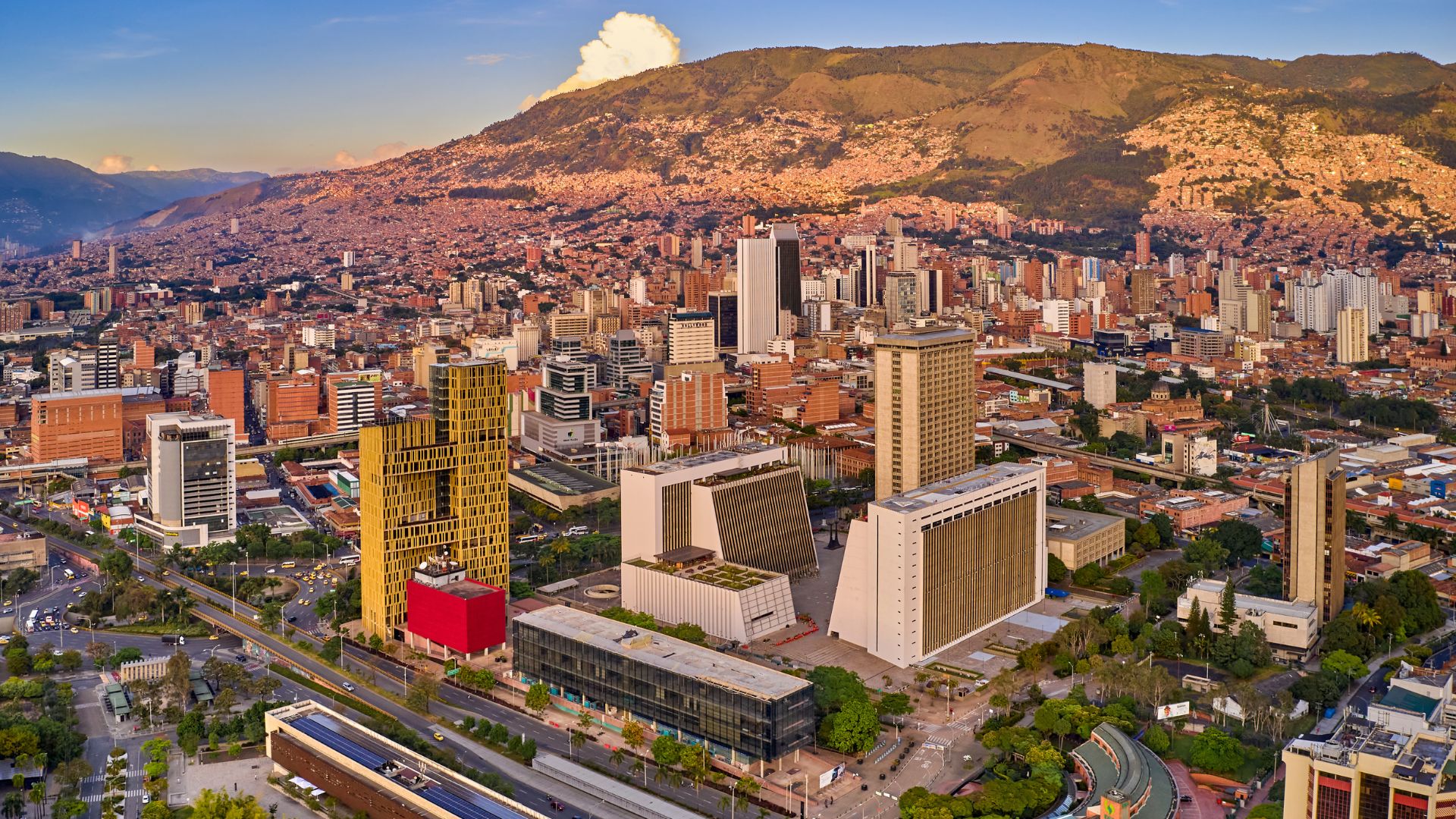
Taxes for People With a Colombia M-10 Real Estate Investment Visa
Holding a Colombian M-10 Real Estate Investment Visa does not automatically make you a tax resident in Colombia. Tax obligations depend primarily on how much time you spend in the country and the type of income you earn, rather than on your visa category alone.
In general, you may be considered a Colombian tax resident if you spend 183 days or more within any 12-month period in Colombia, whether consecutively or cumulatively. Tax residents are typically subject to Colombian income tax on their worldwide income, while non-residents are taxed only on income sourced within Colombia.
For M-10 visa holders, common tax considerations may include:
Rental income earned from real estate located in Colombia
Annual municipal property taxes (impuesto predial) based on property location and assessed value
Potential capital gains tax if the property is sold at a profit
Income tax obligations that vary depending on resident or non-resident status
It is important to note that owning property or holding an M-10 visa alone does not automatically trigger worldwide taxation. However, once tax residency thresholds are met, broader reporting obligations may apply. Because Colombia’s tax rules and treaty relationships vary by country, many investors choose to work with a qualified Colombian tax advisor to ensure proper compliance and planning.
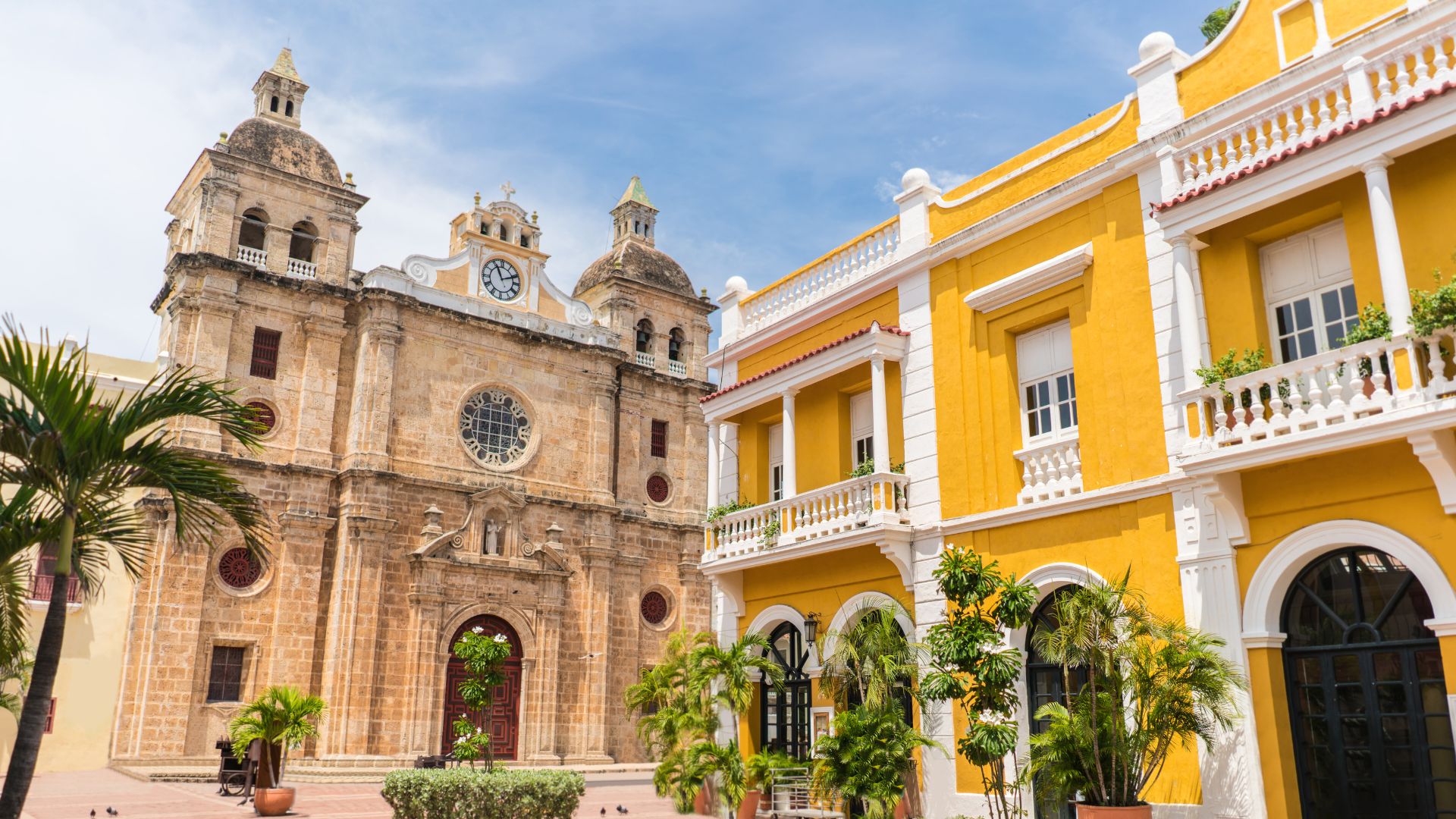
Living in Colombia with the M-10 Real Estate Investment Visa
Living in Colombia with the M-10 Real Estate Investment Visa offers a balance of legal stability and lifestyle flexibility for foreign investors. The visa allows holders to reside in the country while maintaining ownership of their qualifying real estate investment, making it well suited for those who want to spend extended time in Colombia without committing to permanent relocation. With a relatively low cost of living compared to many North American and European cities, along with modern infrastructure in major urban centers, Colombia continues to attract investors looking for both quality of life and long-term value.
Beyond lifestyle benefits, the M-10 visa provides a practical legal framework for integrating into daily life in Colombia. Visa holders can open local bank accounts, sign long-term leases, access private healthcare, and manage property-related activities with greater ease. Whether you plan to live in Colombia full-time or divide your time between countries, the M-10 Real Estate Investment Visa offers a reliable foundation for enjoying life in Colombia while staying compliant with immigration requirements.
Best Cities to Live in Colombia
Choosing the right city is an important part of making the most of life in Colombia, especially for real estate investors and long-term residents. The country offers a wide range of lifestyles, from modern urban centers to coastal and mountain cities, each with its own advantages in terms of cost of living, infrastructure, and investment potential.
Medellín
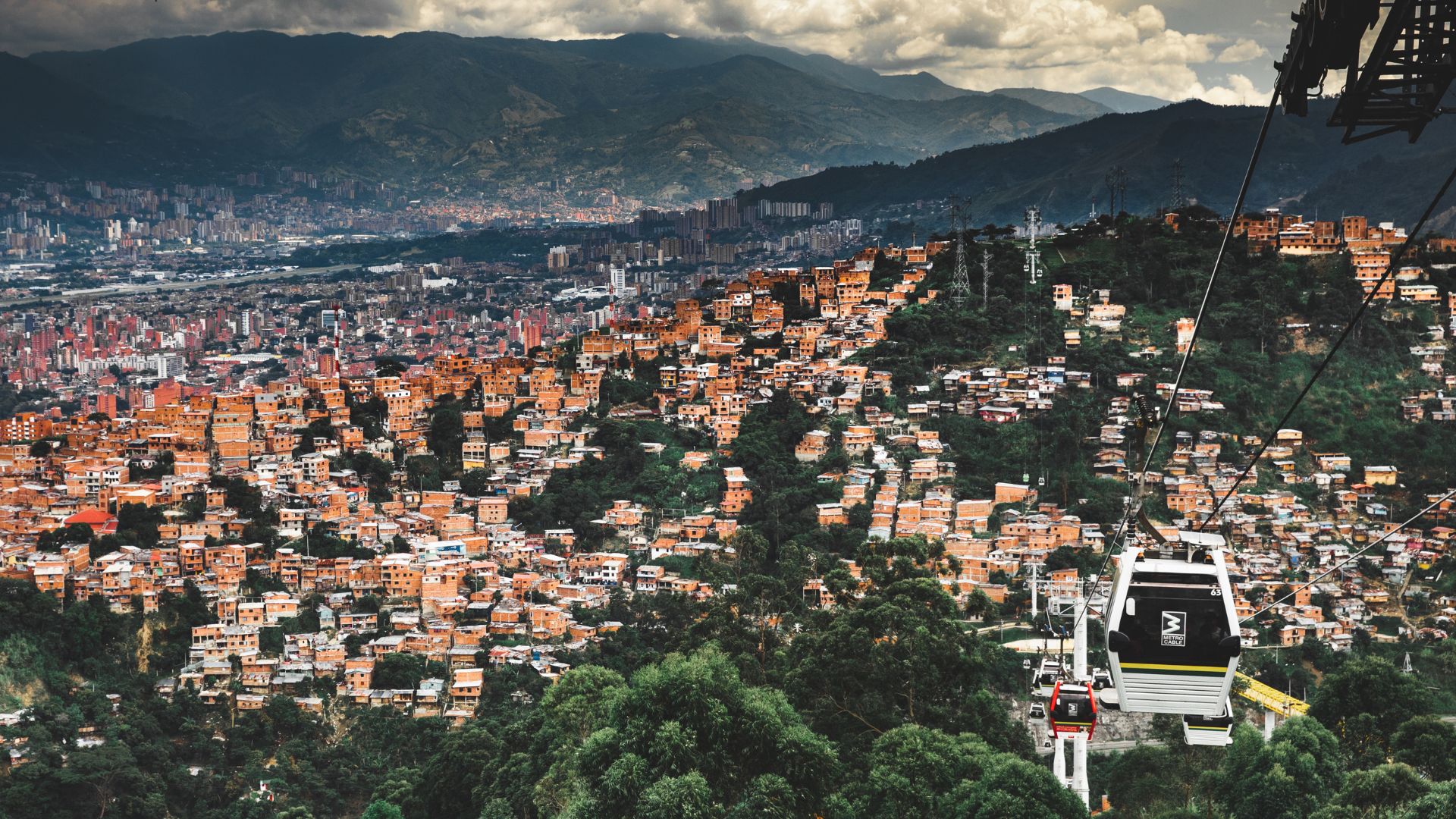
Medellín is one of the most popular cities among foreign residents and investors. Known for its spring-like climate and strong public transportation system, Medellín combines modern infrastructure with relatively affordable real estate prices. Neighborhoods such as El Poblado and Laureles attract international buyers, while ongoing urban development and innovation initiatives continue to support long-term property value growth.
Bogotá
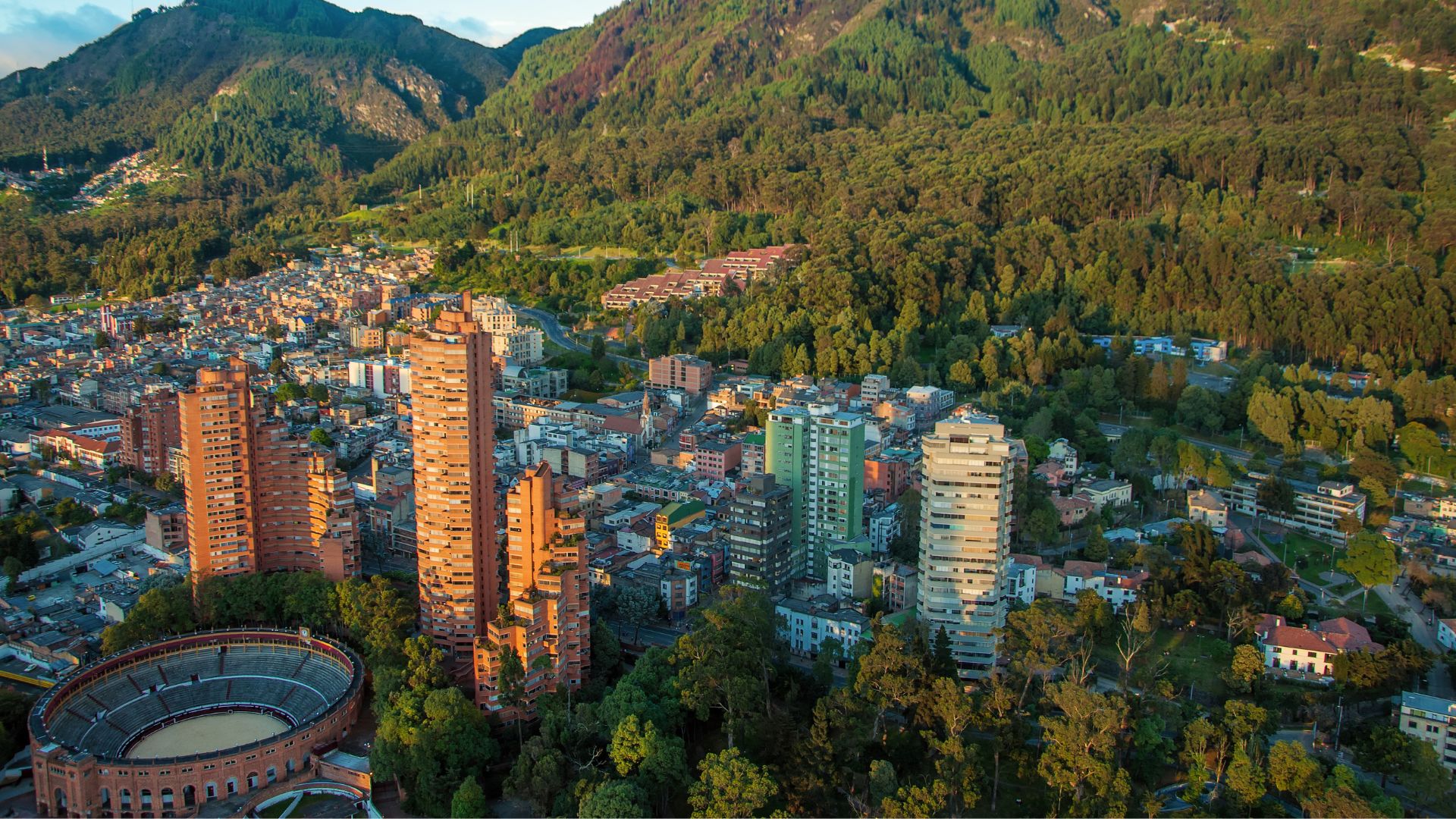
Bogotá, Colombia’s capital and largest city, offers the widest range of professional services, international schools, and healthcare facilities in the country. As the nation’s economic and political center, Bogotá provides strong legal and financial infrastructure, making it appealing for investors who prioritize stability and access to institutions. While the cost of living is generally higher than in other Colombian cities, it also offers the deepest real estate market and rental demand.
Cartagena
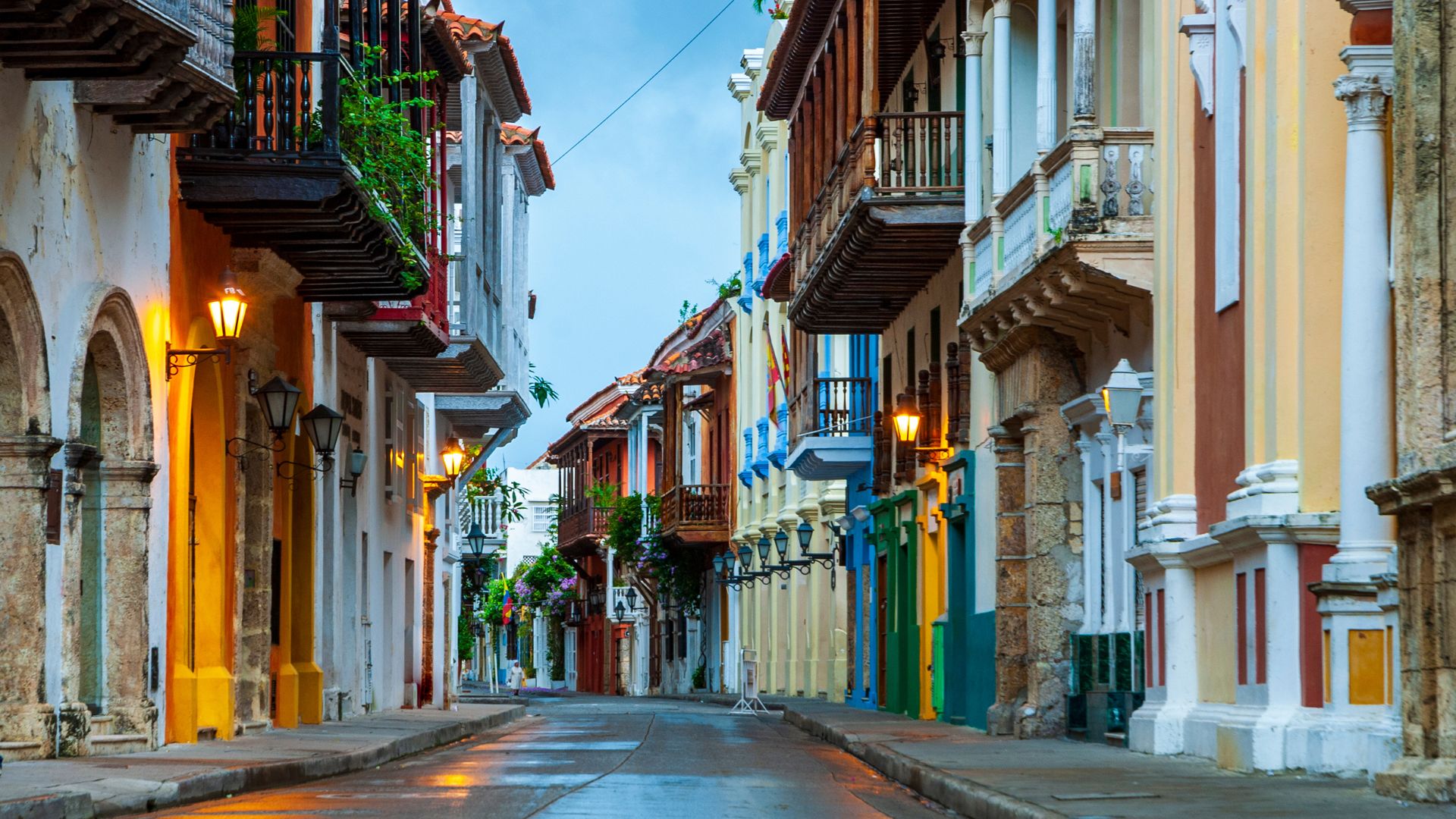
Cartagena stands out for those seeking a coastal lifestyle paired with strong tourism-driven real estate demand. The city’s historic center, beachfront developments, and growing luxury market make it attractive for both lifestyle buyers and investors. Cartagena’s warm climate and international appeal support short- and long-term rental opportunities, particularly in well-located neighborhoods.
Cost of Living
The official currency of Colombia is the Colombian Peso (COP). 1 USD ≈ 3,900 COP on average, though exchange rates fluctuate daily based on market conditions.
The average net monthly salary in Colombia is around ₱3,350,000 COP, which equates to approximately $860 USD per month (based on recent estimates of average earnings in the country).
Here’s a rundown of what you should expect to pay in different cities:
Medellín
Rent (1 bedroom in city center) – $400–$700 per month
Rent (3 bedrooms outside city center) – $800–$1,200 per month
Basic Utilities – $55–$85 per month (electricity, water, gas, trash)
Wi‑Fi – $20–$30 per month for a standard home internet connection with good speed
Public Transport – $0.80–$1.00 one‑way for metro/bus rides
Groceries (2 people) – $180–$300 per month,
Bogotá
Rent (1 bedroom in city center) – $320–$500 per month
Rent (3 bedrooms outside city center) – $800–$1,200 per month
Basic Utilities – $50–$90 per month, depending on usage and building
Wi‑Fi – $20–$30 per month for reliable broadband service
Public Transport – ~$0.80–$1.00 one‑way on TransMilenio or local buses
Groceries (2 people) – $200–$350 per month
Cartagena
Rent (1 bedroom in city center) – $420–$650 per month
Rent (3 bedrooms outside city center) – $690–$1,000 per month
Basic Utilities – $90–$110 per month (higher due to coastal A/C use)
Wi‑Fi – $22–$28 per month for standard broadband plans
Public Transport – $0.90–$1.00 one‑way for buses and local transit
Groceries (2 people) – $200–$350 per month
FAQs
Can foreigners legally own real estate in Colombia with the M-10 visa?
Yes. Foreign nationals are legally permitted to own real estate in Colombia, and qualifying property ownership is the basis for obtaining the M-10 Real Estate Investment Visa, provided all legal and financial requirements are met.
Does the Colombian M-10 visa lead to permanent residency or citizenship?
The M-10 visa itself is a temporary migrant visa, but it can count toward long-term residency timelines depending on continued compliance with immigration rules. Eligibility for permanent residency or citizenship depends on length of stay, renewals, and future immigration regulations.
Do I need to live in Colombia full-time to keep the M-10 visa?
No. The M-10 visa does not require full-time residence, but extended absences, typically more than 180 consecutive days outside Colombia, may put the visa at risk of cancellation.
Can I rent out my property while holding an M-10 visa?
Yes. Property owners are generally allowed to rent out their real estate in Colombia. However, rental income may be subject to Colombian taxes, and local registration or compliance requirements may apply depending on the city and rental type.
Does owning property in Colombia automatically make me a tax resident?
No. Tax residency in Colombia is determined primarily by physical presence, not property ownership or visa type. Spending 183 days or more in a 12-month period in Colombia may trigger tax residency.
Author
)
Nadia Dardón is a content creator from Guatemala. She has worked fully remotely for the past six years as a copywriter, editor, and content creator, working for different industries. She started her digital nomad journey in 2022 and currently lives as an expat in Spain.


