
Bhutan Digital Nomad Visa
)
Nadia Dardón
Immigration Content Writer
Last update
)

Bhutan Rating from Citizen Remote
Overall  3.6
3.6

Internet Infrastructure 2.0
Country Stability 5.0
Cost of Living 4.0
Ease of Obtaining Visa 3.0
Taxes 4.0
Quick Visa Facts

Visa length Up to 12 months

Possible to extend? Yes, the visa may be renewable for an additional year, depending on eligibility and program conditions.

Who can apply? Remote workers, freelancers, entrepreneurs, and online business owners who earn income from companies or clients outside Bhutan.

Minimum Income Requirements No fixed monthly income requirement, but applicants must maintain a financial deposit of approximately USD $10,000 (around BTN 830,000) as proof of financial self-sufficiency.

Time for visa applications Estimated 4–8 weeks, although processing times may vary.
Want to know if you can apply?
Complete a visa quiz and see if you qualify!
Bhutan has long been known as one of the world’s most unique destinations. Nestled in the Himalayas between India and China, the country is famous for its breathtaking landscapes, deep spiritual traditions, and its philosophy of Gross National Happiness. But until recently, living there long-term was difficult for remote workers.
That’s beginning to change.
With the introduction of the Bhutan Digital Nomad Visa, remote professionals now have a new opportunity to experience life in one of the most culturally rich and environmentally protected countries on the planet. The program is designed to attract international talent while supporting Bhutan’s vision for sustainable development and innovation.
If you’re a remote worker dreaming of working from monasteries, mountain valleys, and peaceful Himalayan towns, Bhutan may soon be an option worth considering.
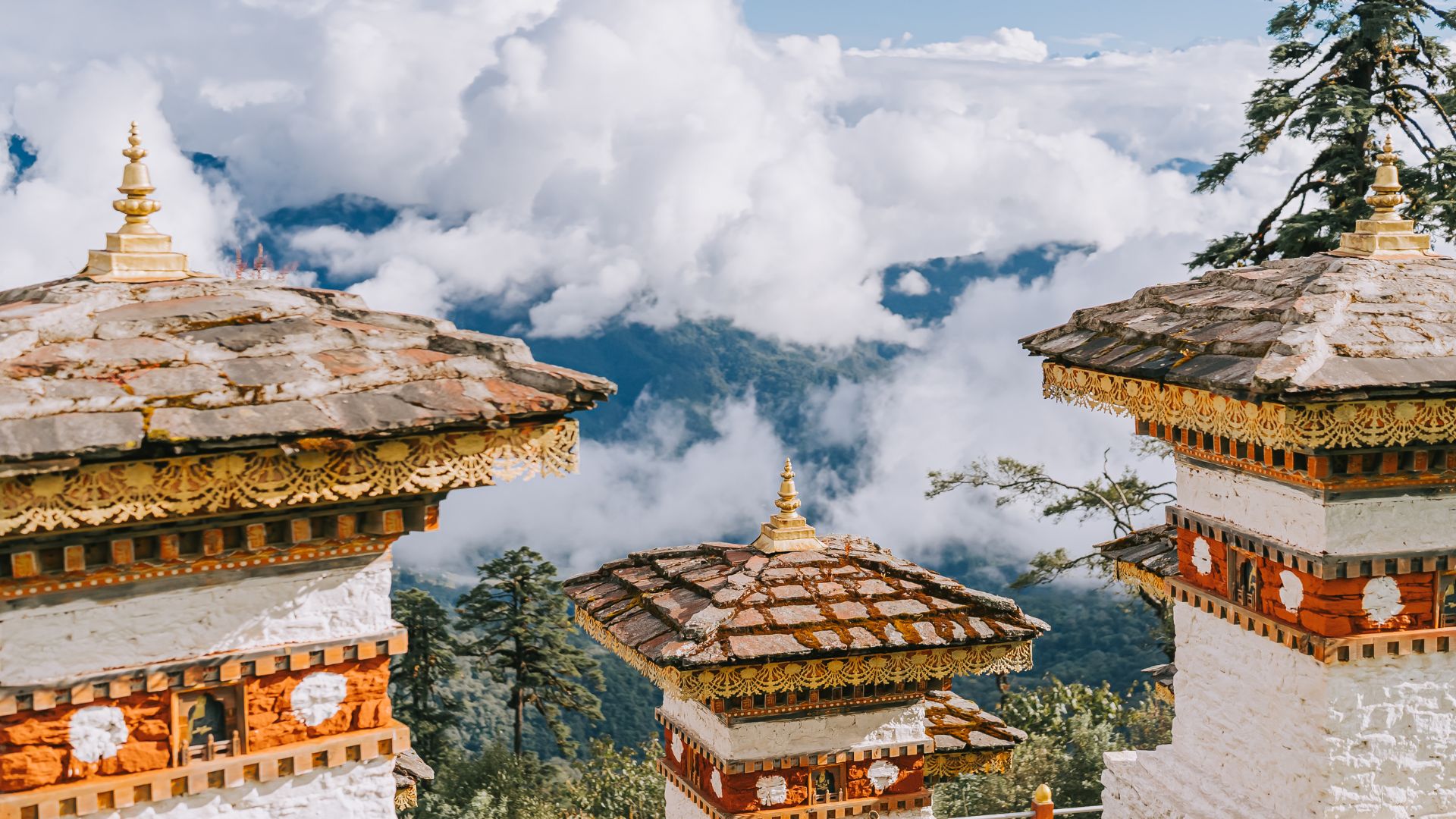
Bhutan Digital Nomad Visa Overview
Bhutan has introduced a Digital Nomad Residence Programme to attract remote professionals who want to live in the country while working for employers or clients abroad. The initiative is closely connected to the development of Gelephu Mindfulness City, Bhutan’s new economic hub focused on innovation, sustainability, and global collaboration.
Announced in 2026, the program allows qualified remote workers to stay in Bhutan for an extended period while continuing their professional activities online. Unlike traditional tourist visas, which typically limit how long visitors can stay, the Bhutan digital nomad visa provides a legal framework for remote professionals to live in the country long-term while maintaining employment outside the country.
The program is designed to attract individuals who can contribute skills, innovation, and international connections while respecting Bhutan’s strong focus on environmental protection and cultural preservation. Successful applicants can experience Bhutan’s unique lifestyle while working remotely from one of the most distinctive destinations in the world.
Who Is It For?
The Bhutan digital nomad visa is intended for remote professionals, entrepreneurs, freelancers, and online business owners who earn their income from outside Bhutan.
To qualify, applicants typically need to demonstrate that their work is location-independent and that their income comes from foreign companies or clients. This means the program is ideal for people working in industries such as technology, consulting, marketing, design, writing, or other remote-friendly fields.
The visa is particularly suited for digital nomads who want to experience Bhutan’s peaceful lifestyle, natural landscapes, and cultural heritage while continuing their professional careers online.
What Does It Allow You to Do?
The Bhutan digital nomad visa allows approved applicants to live in Bhutan while working remotely for companies or clients based outside the country.
With this residence permit, digital nomads can:
Stay in Bhutan for an extended period beyond standard tourist visa limits.
Work remotely for foreign employers or operate an online business.
Experience Bhutan’s culture, nature, and communities while living in the country.
Participate in Bhutan’s emerging innovation ecosystem linked to Gelephu Mindfulness City.
However, visa holders are not permitted to take employment with Bhutanese companies or enter the local labor market, as the program is designed specifically for remote workers earning income from abroad.
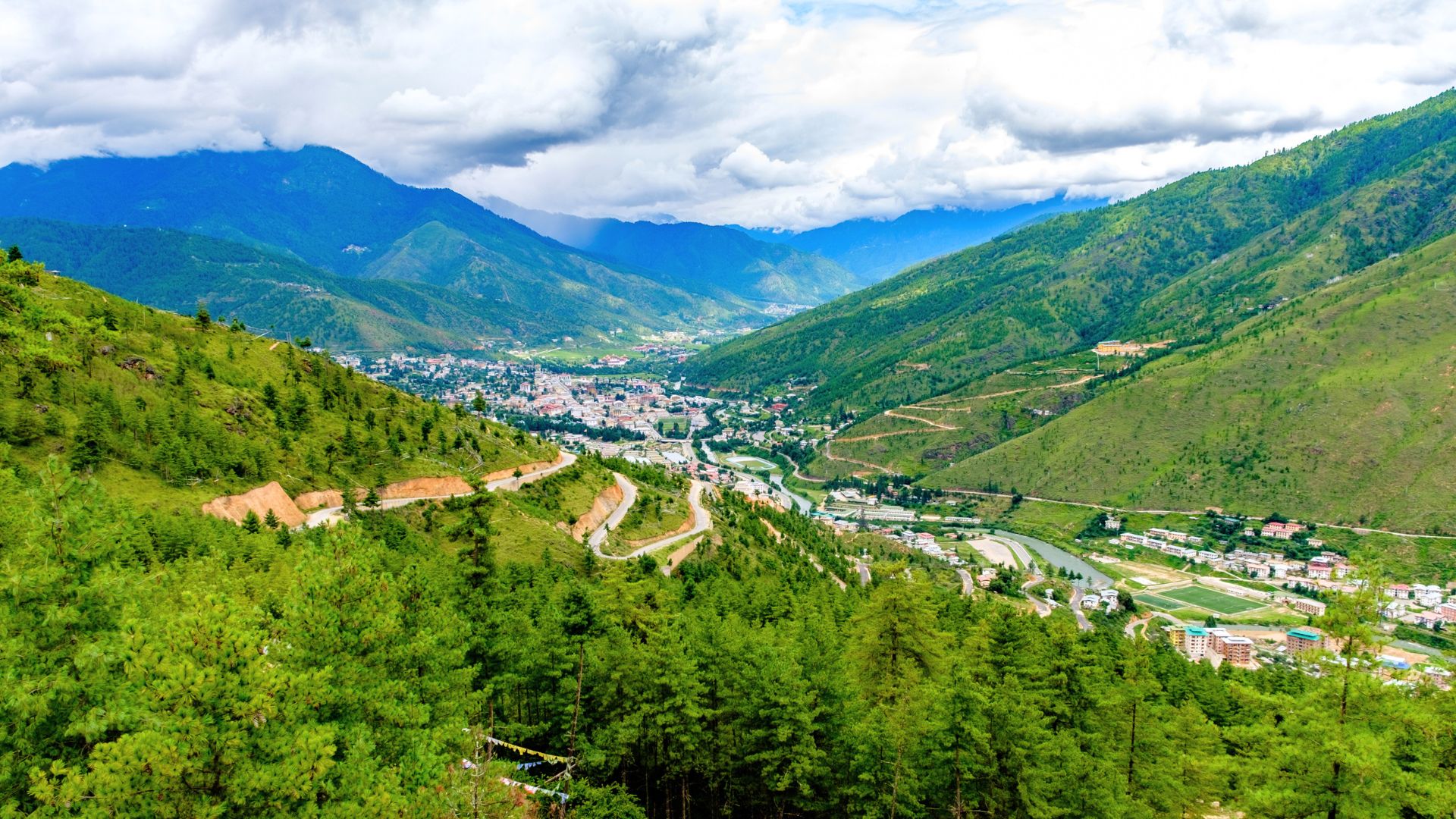
Bhutan Digital Nomad Visa Requirements
To apply for the Bhutan Digital Nomad Visa, applicants must submit several standard documents along with proof that they can financially support themselves while living in the country. The exact documentation may vary slightly depending on the applicant’s profile, but most applicants will need to provide the following basic documents.
Applicants typically need to prepare the following documents when applying:
A completed digital nomad visa application form.
A valid passport with sufficient validity for the duration of the stay.
Recent passport-sized photographs.
A copy of the passport identification page.
A curriculum vitae (CV) or professional profile.
A statement explaining your remote work activities.
Proof of remote employment, freelance work, or business ownership.
Bank statements or financial documents.
Proof of accommodation in Bhutan (if requested)
Private health insurance valid during the stay.
Proof of Financial Self-Sufficiency
Applicants must demonstrate that they have enough financial resources to support themselves while living in Bhutan.
Unlike many digital nomad visas that require a fixed monthly income, Bhutan’s program focuses on financial stability through a deposit requirement rather than a salary threshold. Applicants must maintain a minimum balance of USD $10,000 (approximately BTN 830,000) in a designated account linked to Bhutan’s TER digital asset system, which is part of the financial ecosystem associated with Gelephu Mindfulness City.
This deposit acts as proof that applicants can support themselves financially during their stay. The funds are typically held through a local account and may be refundable when participants leave the program, depending on the program’s terms.
Because Bhutan does not currently require a fixed monthly income, maintaining this deposit is considered the primary way applicants demonstrate financial self-sufficiency.
Private Health Insurance
Applicants must have valid international health insurance that covers medical care during their stay in Bhutan.
The policy should remain valid for the entire duration of the visa and provide coverage for medical treatment, hospitalization, and emergency evacuation if necessary. Bhutan requires proof of adequate insurance so that digital nomads can access healthcare services without placing additional strain on the country’s public healthcare system.
Travel insurance is not accepted; it must be long-term residency health insurance. You can find our recommendations for the best health insurance plans here.
Proof of Remote Work
Since the visa is designed specifically for remote professionals, applicants must prove that their work is location-independent and based outside Bhutan.
Applicants must demonstrate that they work for foreign employers or clients, or operate an online business that generates income internationally. This may include employment contracts, freelance agreements, proof of business ownership, or documentation confirming remote work arrangements.
This requirement ensures that digital nomads living in Bhutan are not entering the local labor market but instead contributing to the economy while earning income from abroad.
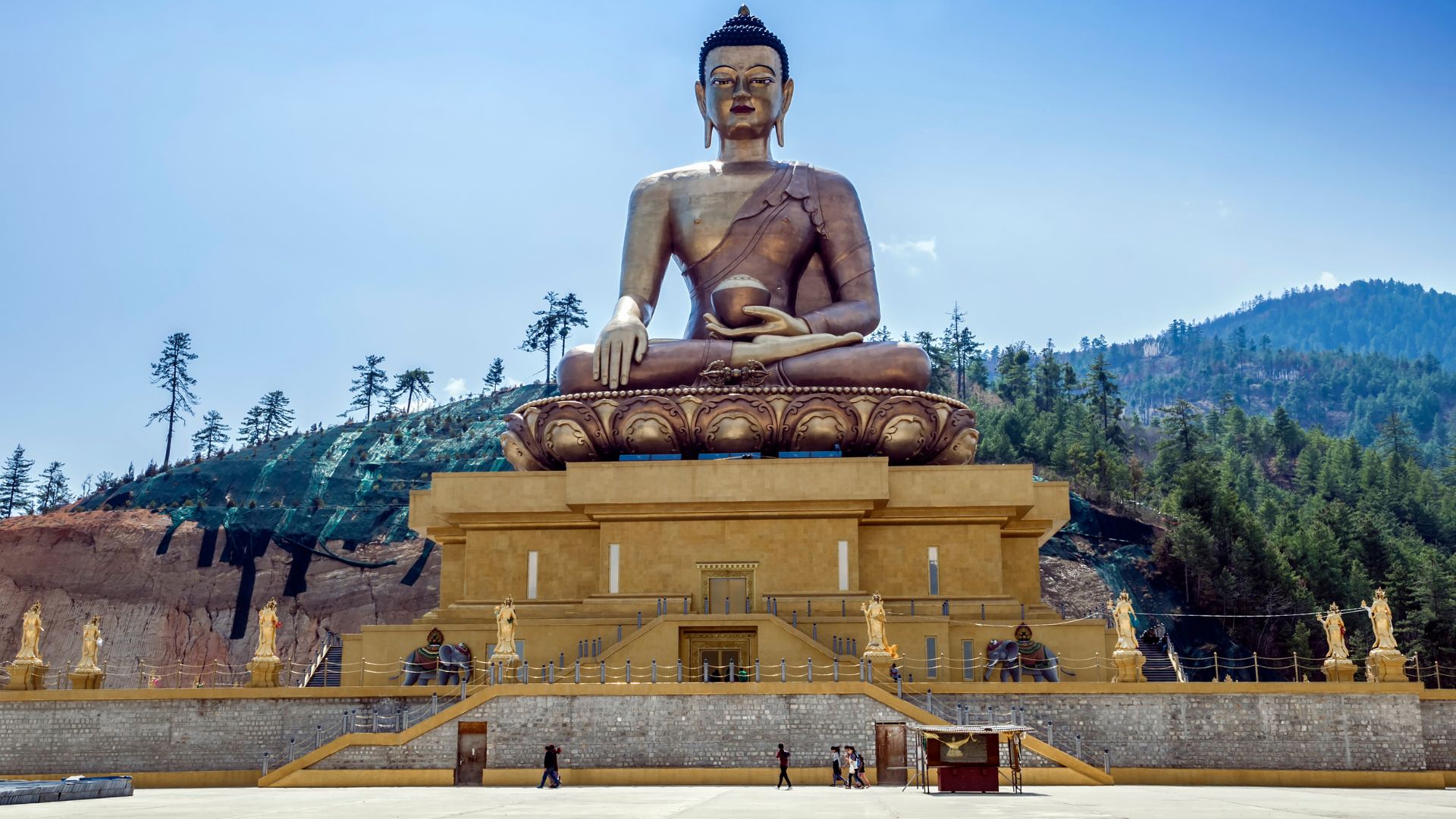
How to Apply for the Bhutan Digital Nomad Visa – Step-by-Step Instructions
Applying for the Bhutan Digital Nomad Visa involves submitting an application through the program connected to Gelephu Mindfulness City, along with the required documents and financial verification. While the exact application platform may evolve as the program develops, the overall process follows a straightforward sequence.
Below is a step-by-step overview of how remote workers can apply for the Bhutan digital nomad visa.
Step 1: Prepare the Required Documents
Before starting the application, gather all the necessary documents to avoid delays during the review process. Applicants should ensure they have a valid passport, recent passport photos, proof of remote work, financial documentation, and proof of health insurance.
You may also need to prepare a short description of your professional activities, explaining how your work is conducted remotely and how you earn income from outside Bhutan.
Having these documents ready beforehand will make the application process much smoother.
Step 2: Complete the Digital Nomad Visa Application
Once your documents are prepared, the next step is to complete the official application form for the Bhutan Digital Nomad Residence Programme.
The application typically asks for personal details, professional background, remote work information, and financial documentation. Applicants may also be asked to upload supporting documents such as employment contracts, bank statements, and copies of their passport.
It is important to review the application carefully to ensure all information is accurate and consistent with your supporting documents.
Step 3: Submit Financial Verification
As part of the application process, applicants must demonstrate financial stability. For the Bhutan digital nomad visa, this includes maintaining the required financial deposit of approximately USD $10,000 (around BTN 830,000) within the designated system associated with the program.
This deposit acts as proof that you can support yourself while living in Bhutan and participating in the digital nomad residence initiative.
Applicants may be asked to provide documentation confirming that the funds have been deposited or reserved as part of the program’s financial requirements.
Step 4: Pay the Program Fee
Applicants must also pay the annual program fee, which is approximately USD $2,800. This fee contributes to the administration of the digital nomad residence program and supports Bhutan’s broader development initiatives connected to Gelephu Mindfulness City.
Payment is typically required before the application can be fully processed.
Step 5: Wait for Application Review
After submitting the application, the relevant authorities will review the submitted documents and assess whether the applicant meets the eligibility requirements.
During this stage, applicants may be contacted if additional documents or clarifications are needed. Processing times may vary depending on application volume and individual circumstances.
Step 6: Receive Your Approval and Travel to Bhutan
If your application is approved, you will receive confirmation allowing you to enter Bhutan under the Digital Nomad Residence Programme.
Once approved, you can travel to Bhutan and begin your stay while continuing to work remotely for your employer, clients, or business abroad. Upon arrival, you may need to complete additional registration steps depending on the final procedures established for the program.
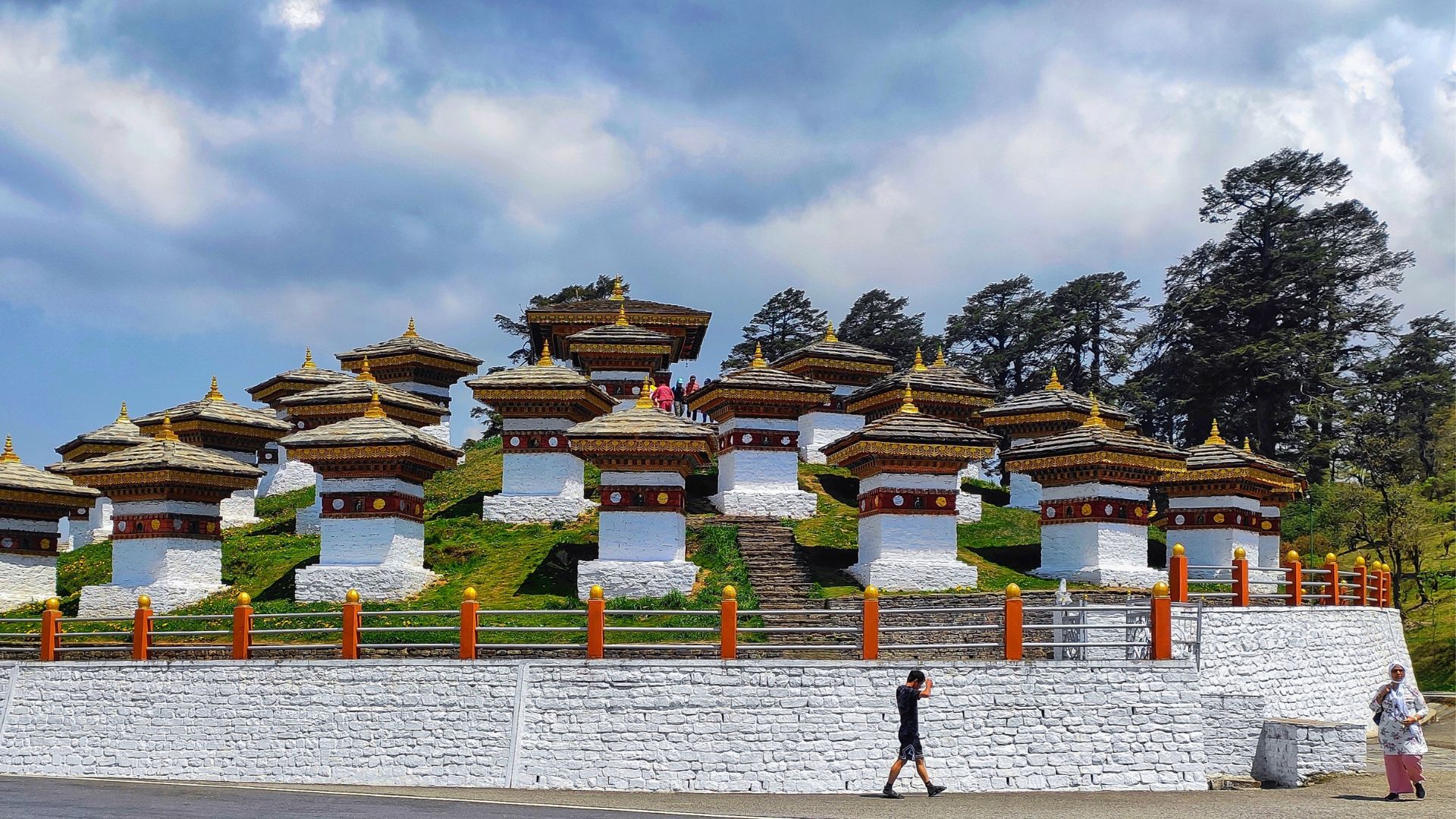
Stay Requirements for Bhutan
Digital nomads approved under the Bhutan Digital Nomad Residence Programme must comply with several conditions during their stay in the country. These requirements are designed to ensure that participants respect Bhutan’s immigration policies, cultural values, and economic framework while living and working remotely.
Visa holders are allowed to live in Bhutan while continuing their remote work for foreign employers, clients, or businesses based outside the country. However, they are not permitted to take employment with Bhutanese companies or participate in the local labor market. The program is specifically intended for individuals who generate their income abroad while residing temporarily in Bhutan.
Participants must also maintain the required financial deposit of approximately USD $10,000 (around BTN 830,000) in the designated system associated with the program throughout their stay. This requirement ensures that digital nomads remain financially self-sufficient and able to support themselves while living in Bhutan.
Digital nomads are expected to maintain valid international health insurance covering the duration of their stay. This insurance should include coverage for medical treatment and emergencies so that participants have access to healthcare services without placing additional pressure on the national healthcare system.
In addition, visa holders must comply with Bhutan’s immigration rules, respect local laws, and support the country’s strong commitment to environmental protection and cultural preservation. Participants are also expected to follow any residency or registration requirements established by the authorities administering the program, particularly those connected to the Gelephu Mindfulness City initiative.
Failure to meet these conditions may result in the cancellation or non-renewal of the digital nomad residence permit.
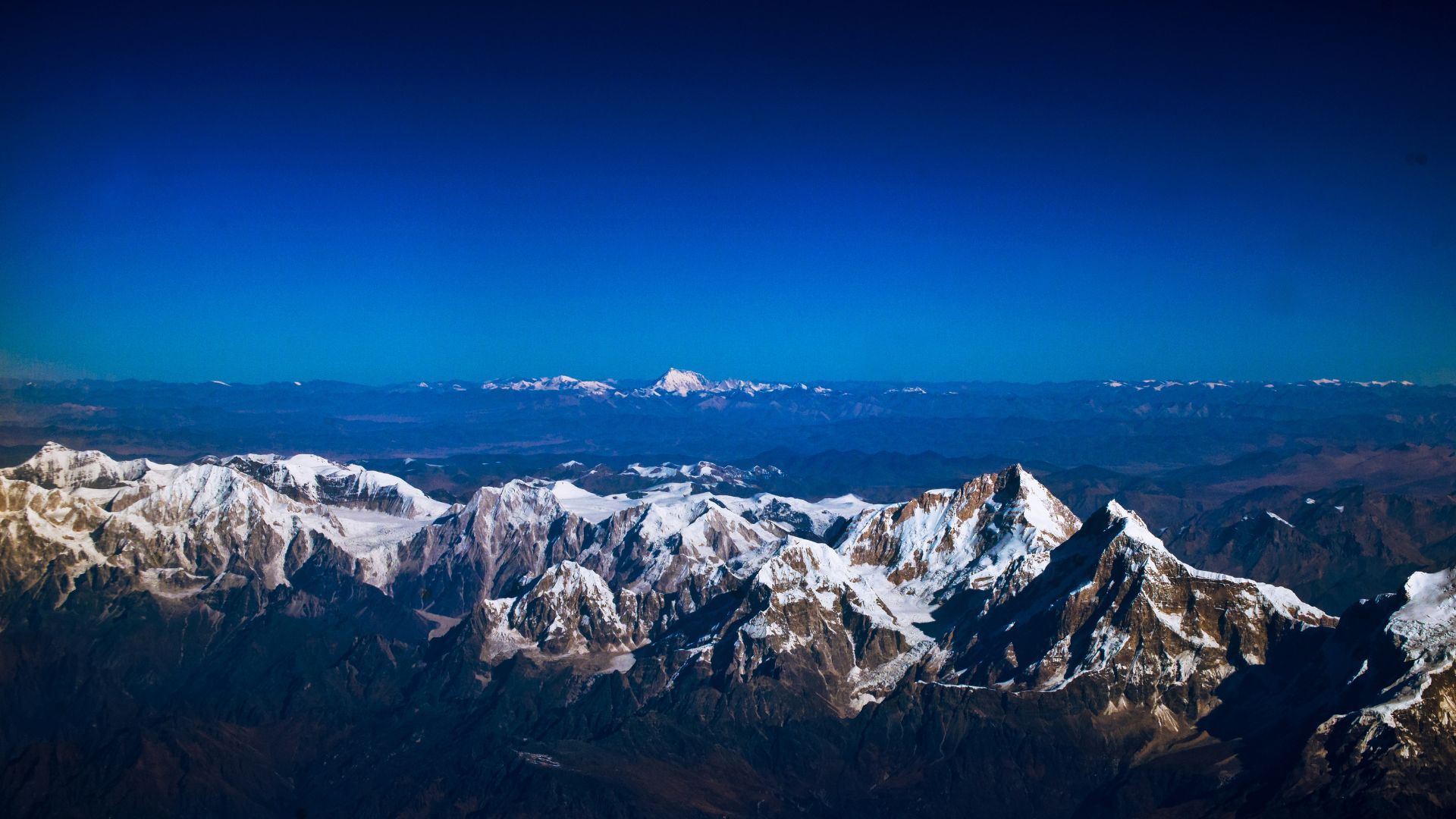
How Much Does the Bhutan Digital Nomad Visa Cost?
The Bhutan Digital Nomad Residence Programme involves several costs that applicants should consider before applying. Unlike many digital nomad visas that only require a government application fee, Bhutan’s program includes a program fee and a financial deposit requirement linked to its digital financial ecosystem.
Here are the main costs associated with the Bhutan digital nomad visa:
Program Fee: Applicants must pay an annual participation fee of approximately USD $2,800 (around BTN 232,000). This fee helps cover the administration of the program and supports initiatives connected to Bhutan’s Gelephu Mindfulness City development project.
Financial Deposit Requirement: Applicants must maintain a deposit of USD $10,000 (approximately BTN 830,000) in a designated account associated with the program’s digital asset ecosystem. This deposit acts as proof of financial stability and ensures participants can support themselves while living in Bhutan. In many cases, the funds remain the applicant’s property and may be refundable when leaving the program, depending on the final program conditions.
Health Insurance: Applicants must have international health insurance valid for the entire duration of their stay. The cost will vary depending on the provider, coverage level, and the applicant’s age, but it is typically an additional expense that digital nomads must arrange independently.
Travel and Relocation Costs: Applicants should also consider the cost of traveling to Bhutan, accommodation, and initial living expenses when planning their move.
Because the Bhutan digital nomad visa is still a relatively new program, some administrative details and additional costs may evolve as the initiative develops. However, the program fee and the financial deposit requirement currently represent the two primary costs for applicants.
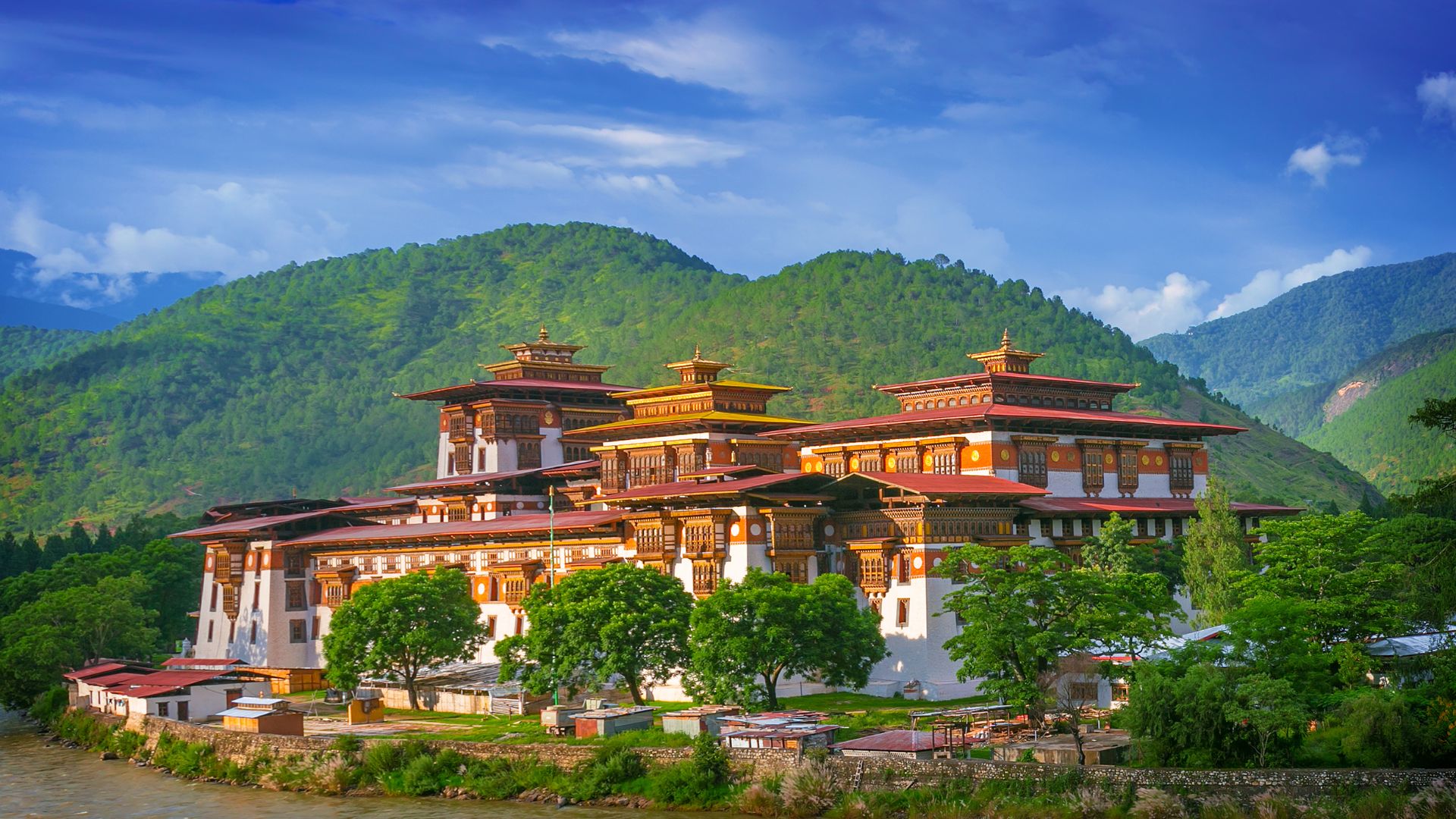
Taxes for People With a Bhutan Digital Nomad Visa
Digital nomads living in Bhutan under the Digital Nomad Residence Programme generally earn their income from employers, clients, or businesses located outside the country. Because of this, most participants will not be working within Bhutan’s domestic labor market.
Bhutan’s tax system is based on tax residency. Individuals who stay in the country for 183 days or more within a tax year may be considered tax residents and could potentially become subject to Bhutanese income tax on income earned within the country. However, since the digital nomad visa is designed for remote professionals earning income from abroad, the program is structured so that participants continue earning their income outside Bhutan.
In practice, this means many digital nomads will continue to pay taxes in their home country or their country of tax residence, depending on their personal tax situation and the tax rules that apply to them. Bhutan’s digital nomad program is not intended to create local employment or require participants to pay income tax on foreign-earned remote income.
That said, tax obligations can vary depending on factors such as length of stay, tax residency status, citizenship, and international tax treaties. Digital nomads should review their tax responsibilities carefully and consider consulting a qualified tax professional to ensure they remain compliant with both Bhutanese regulations and the tax laws of their home country.
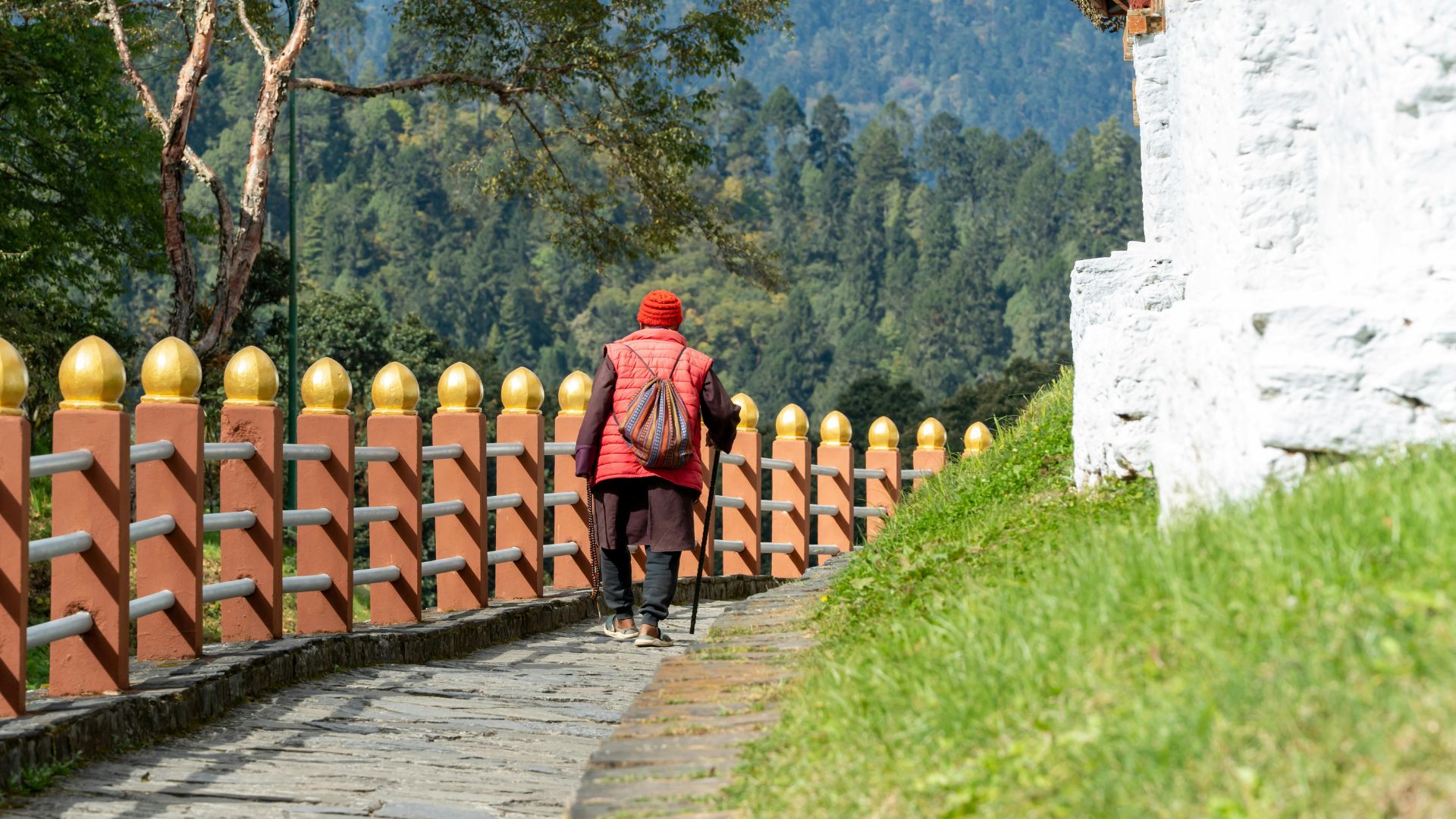
Living in Bhutan With the Digital Nomad Visa
Living in Bhutan as a digital nomad offers a very different experience from most remote work destinations. Known for its stunning Himalayan landscapes, ancient monasteries, and strong focus on sustainability, Bhutan prioritizes quality of life through its philosophy of Gross National Happiness. With the Bhutan Digital Nomad Visa, remote professionals have the opportunity to live in a peaceful and culturally rich environment while continuing their work online. The country offers a slower pace of life compared to typical digital nomad hubs, making it especially appealing for those seeking a more mindful and nature-focused lifestyle.
At the same time, living in Bhutan requires some adjustment. The country has strict policies designed to protect its environment and cultural heritage, and its infrastructure can be more limited than in larger international cities. However, Bhutan is investing in modern development projects such as Gelephu Mindfulness City, which aims to attract global talent, innovation, and remote professionals. For digital nomads who value tranquility, breathtaking nature, and a unique cultural experience, Bhutan offers a rare opportunity to combine remote work with life in one of the world’s most distinctive destinations.
Best Cities to Live in Bhutan
While Bhutan is not a large country, several cities offer comfortable living conditions, beautiful surroundings, and growing infrastructure that can appeal to digital nomads. Here are three of the best places to consider living while staying in Bhutan with the Bhutan Digital Nomad Visa.
Thimphu
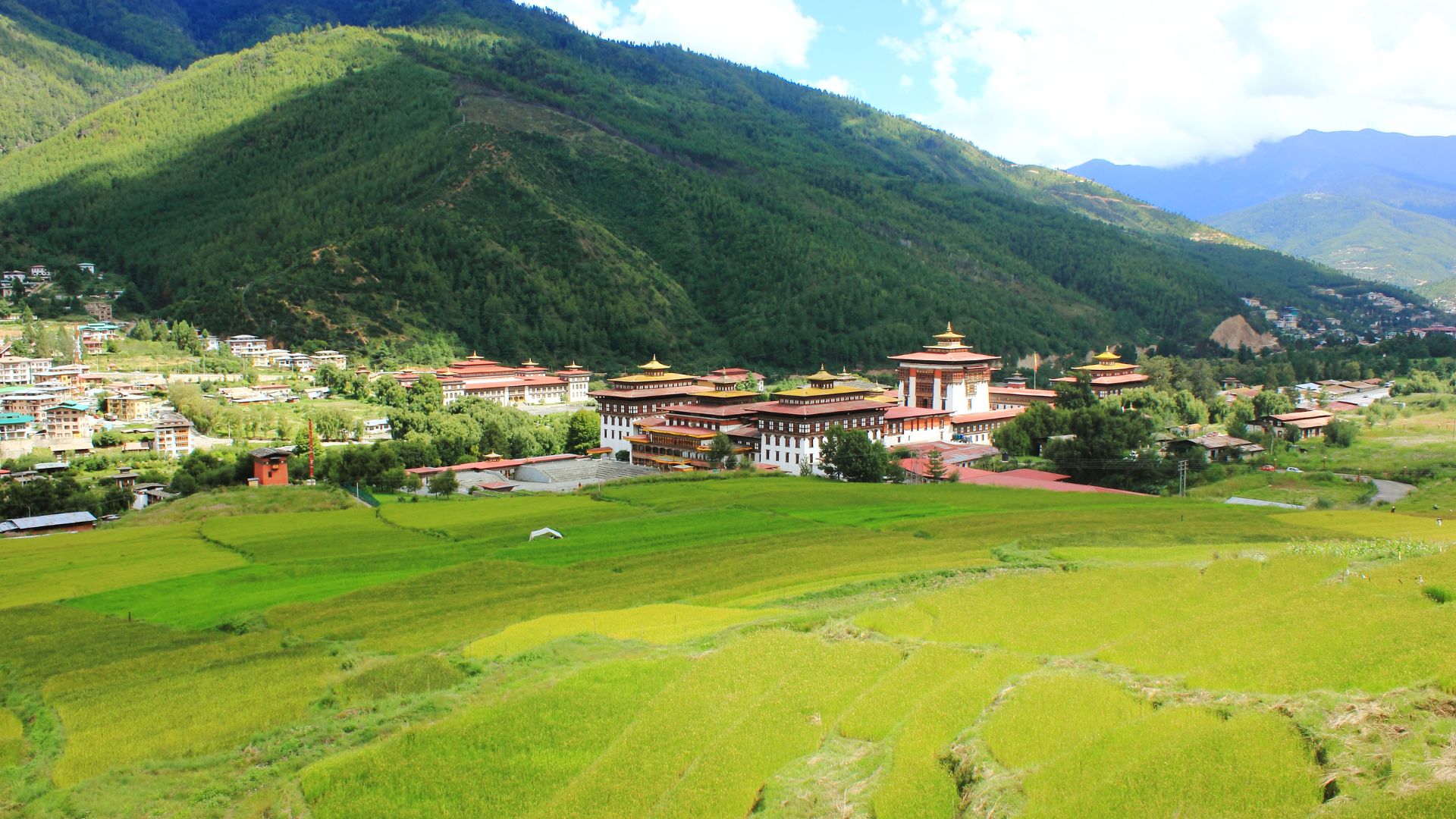
Thimphu, the capital city of Bhutan, is the country’s main economic and cultural hub. It offers the best infrastructure, including reliable internet, coworking spaces, cafés, and a growing international community. Despite being the capital, Thimphu still feels small and peaceful compared to most global cities. Digital nomads living here can enjoy modern amenities while being surrounded by mountains, traditional Bhutanese architecture, and vibrant cultural landmarks such as monasteries, markets, and festivals.
Paro
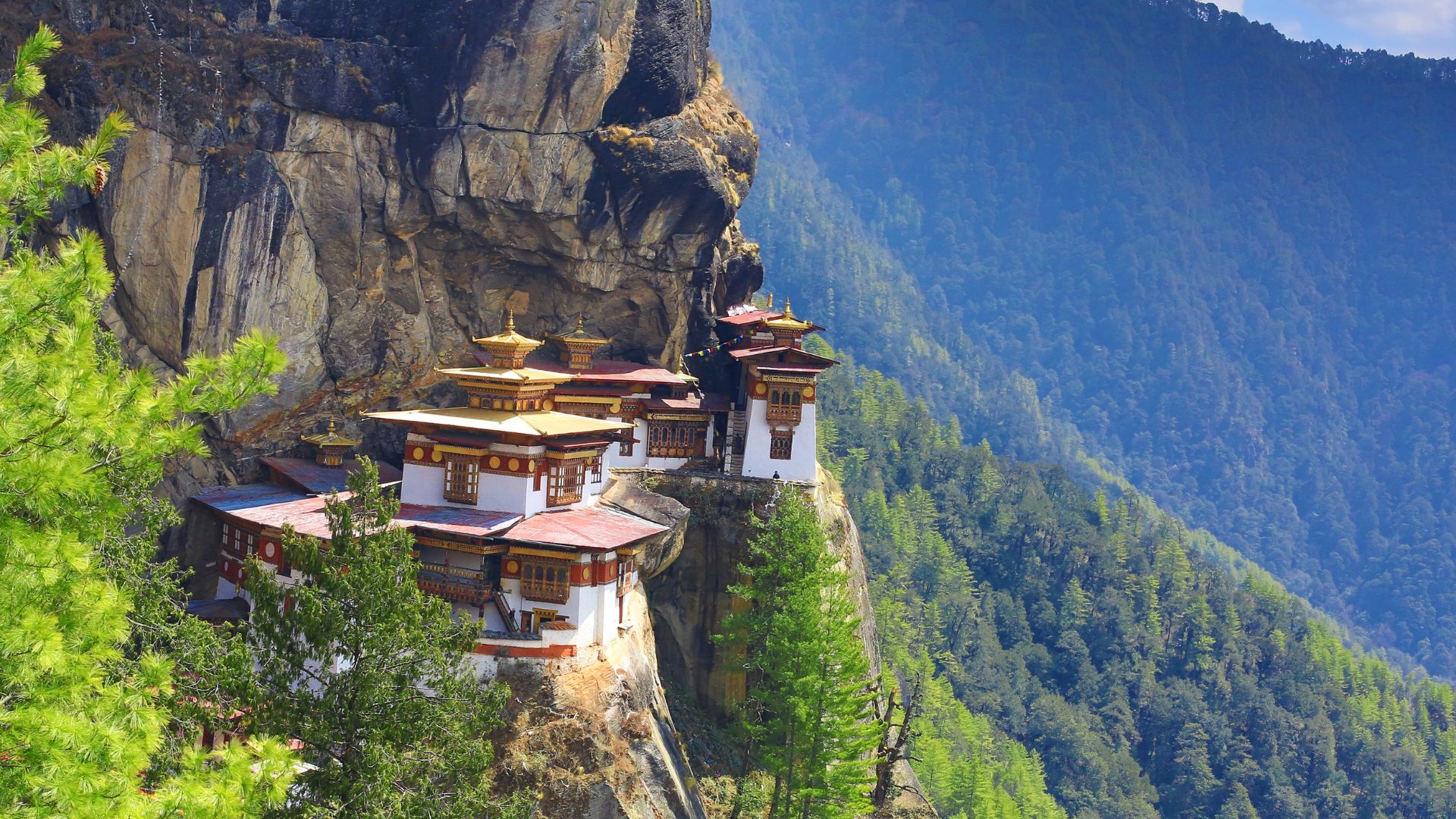
Paro is one of Bhutan’s most scenic towns and is home to the country’s only international airport. Known for its breathtaking valley landscapes and historic sites like the famous Tiger’s Nest Monastery, Paro offers a quieter lifestyle than the capital. While the town is smaller than Thimphu, it still provides good accommodation options, restaurants, and access to nature. For digital nomads who prefer a slower pace of life surrounded by stunning Himalayan views, Paro can be an ideal place to settle.
Gelephu
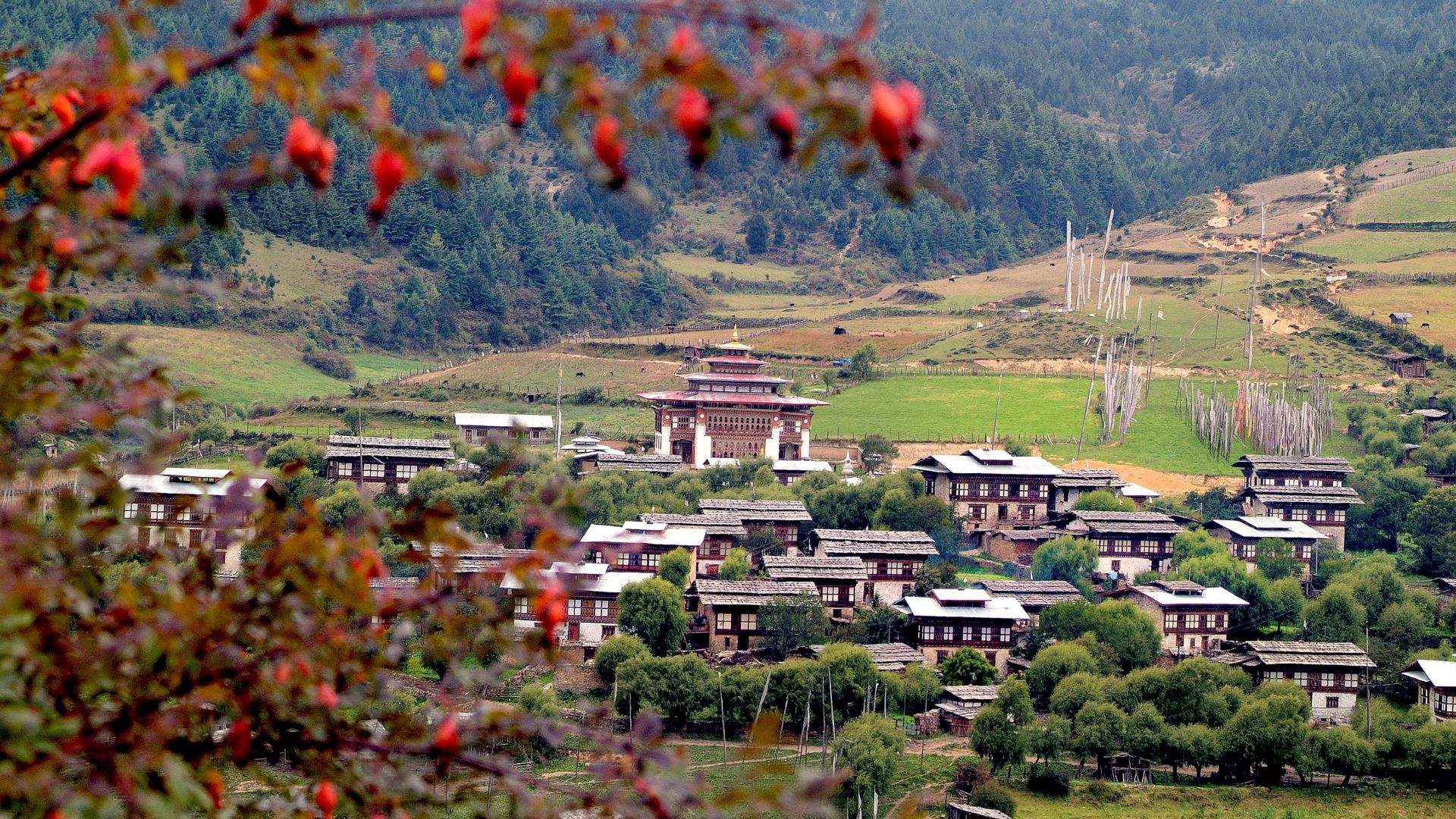
Gelephu is an emerging destination for digital nomads thanks to the development of Gelephu Mindfulness City, an ambitious project designed to create a hub for innovation, sustainability, and international collaboration. Located in southern Bhutan near the Indian border, Gelephu is expected to attract entrepreneurs, remote workers, and global talent as the city develops. As infrastructure expands, it may become one of the most important locations for digital nomads participating in Bhutan’s Digital Nomad Residence Programme.
Cost of Living
The official currency of Bhutan is the Bhutanese Ngultrum (BTN). Based on current exchange rates, 1 BTN ≈ $0.011 USD.
The average net monthly salary in Bhutan is around BTN 35,000, which equates to approximately $380 USD.
Here’s a rundown of what you should expect to pay in different cities:
Thimphu
Rent (1 bedroom in city center) – $350–$500 per month
Rent (3 bedrooms outside city center) – $550–$800 per month
Basic Utilities – $40–$70 per month
Wi-Fi – $25–$45 per month
Public Transport – $0.40 one-way
Groceries (2 people) – $250–$350 per month
Paro
Rent (1 bedroom in city center) – $300–$450 per month
Rent (3 bedrooms outside city center) – $500–$700 per month
Basic Utilities – $35–$60 per month
Wi-Fi – $25–$40 per month
Public Transport – $0.40 one-way
Groceries (2 people) – $230–$320 per month
Gelephu
Rent (1 bedroom in city center) – $220–$350 per month
Rent (3 bedrooms outside city center) – $400–$600 per month
Basic Utilities – $30–$55 per month
Wi-Fi – $20–$40 per month
Public Transport – $0.35 one-way
Groceries (2 people) – $220–$300 per month
FAQs
Do I need a minimum income to apply for the Bhutan Digital Nomad Visa?
Unlike many digital nomad visas, Bhutan does not currently require a fixed monthly income threshold. Instead, applicants must maintain a financial deposit of around USD $10,000 (approximately BTN 830,000) in a designated system associated with the program. This deposit demonstrates that you can support yourself while living in Bhutan.
How long can you stay in Bhutan with the digital nomad visa?
The Bhutan Digital Nomad Residence Programme typically allows remote workers to stay in the country for up to 12 months, with the possibility of renewal depending on the program’s rules and the applicant’s continued eligibility.
Can you work for a Bhutanese company with the Bhutan Digital Nomad Visa?
No. The visa is specifically designed for remote professionals who earn income from employers, clients, or businesses located outside Bhutan. Visa holders are not permitted to enter the local labor market or take employment with Bhutanese companies.
Can family members join you in Bhutan on the digital nomad visa?
Details about family reunification under the Bhutan digital nomad visa are still evolving. In most cases, family members may need to apply for separate visas or residence permissions, depending on Bhutan’s immigration policies and the specific rules of the program.
Is Bhutan a good destination for digital nomads?
Bhutan offers a unique experience compared to typical digital nomad hubs. The country is known for its stunning Himalayan landscapes, strong cultural traditions, and focus on sustainability and well-being. While infrastructure may be more limited than in larger global cities, digital nomads looking for a peaceful environment and a slower pace of life may find Bhutan to be an appealing place to live and work remotely.
Author
)
Nadia Dardón is a content creator from Guatemala. She has worked fully remotely for the past six years as a copywriter, editor, and content creator, working for different industries. She started her digital nomad journey in 2022 and currently lives as an expat in Spain.


