
Argentina Digital Nomad Visa - 2026 Update
)
Andy Stofferis
Freelance Writer
Last update
)

Argentina Rating from Citizen Remote
Overall  4.2
4.2

Internet Infrastructure 4.0
Country Stability 4.0
Cost of Living 4.0
Ease of Obtaining Visa 4.0
Taxes 5.0
Quick Visa Facts

Visa length Up to 180 days (approximately 6 months).

Possible to extend? Yes, typically renewable once for an additional 180 days.

Who can apply? Non-Argentine nationals who work remotely for foreign employers, clients, or businesses registered outside Argentina and earn income from abroad.

Minimum Income Requirements Applicants are generally expected to demonstrate a stable foreign income of approximately USD $2,000–$2,500 per month.

Time for visa applications Processing usually takes several weeks, depending on whether you apply through an Argentine consulate abroad or within Argentina.
Want to know if you can apply?
Complete a visa quiz and see if you qualify!
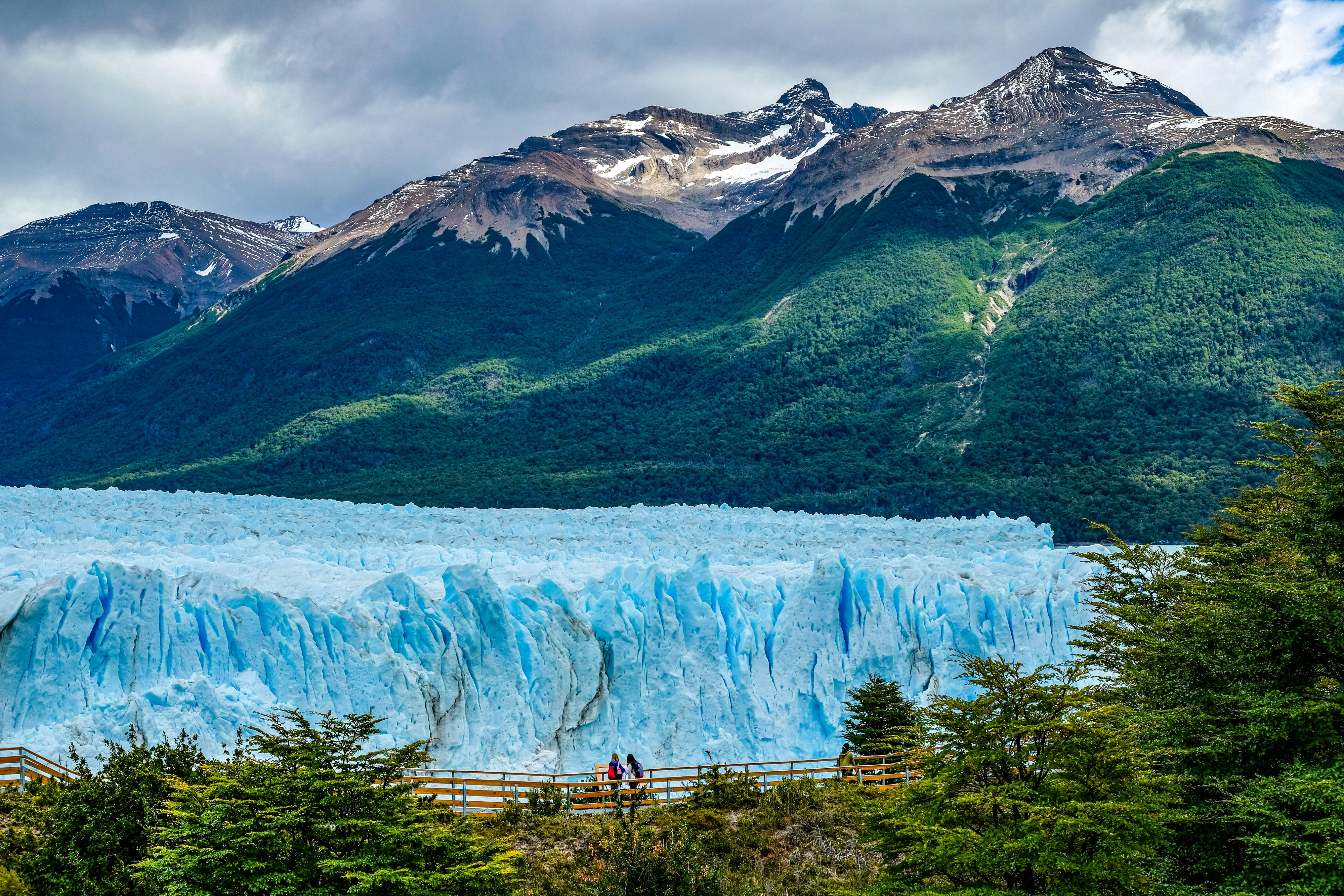
If you’ve ever dreamed of answering emails with a view of the Andes, spending your weekends exploring Patagonia, or living in a city where European architecture meets Latin American energy, Argentina might be calling your name.
With the launch of the Argentina Digital Nomad Visa, remote workers now have a legal pathway to live in Argentina while continuing to work for clients or companies abroad. Whether you're a freelancer, entrepreneur, or full-time remote employee, this visa opens the door to experiencing one of South America’s most dynamic and culturally rich countries, without navigating tourist visa limitations.
In this complete guide, we break down everything you need to know so you can make informed decisions with confidence.
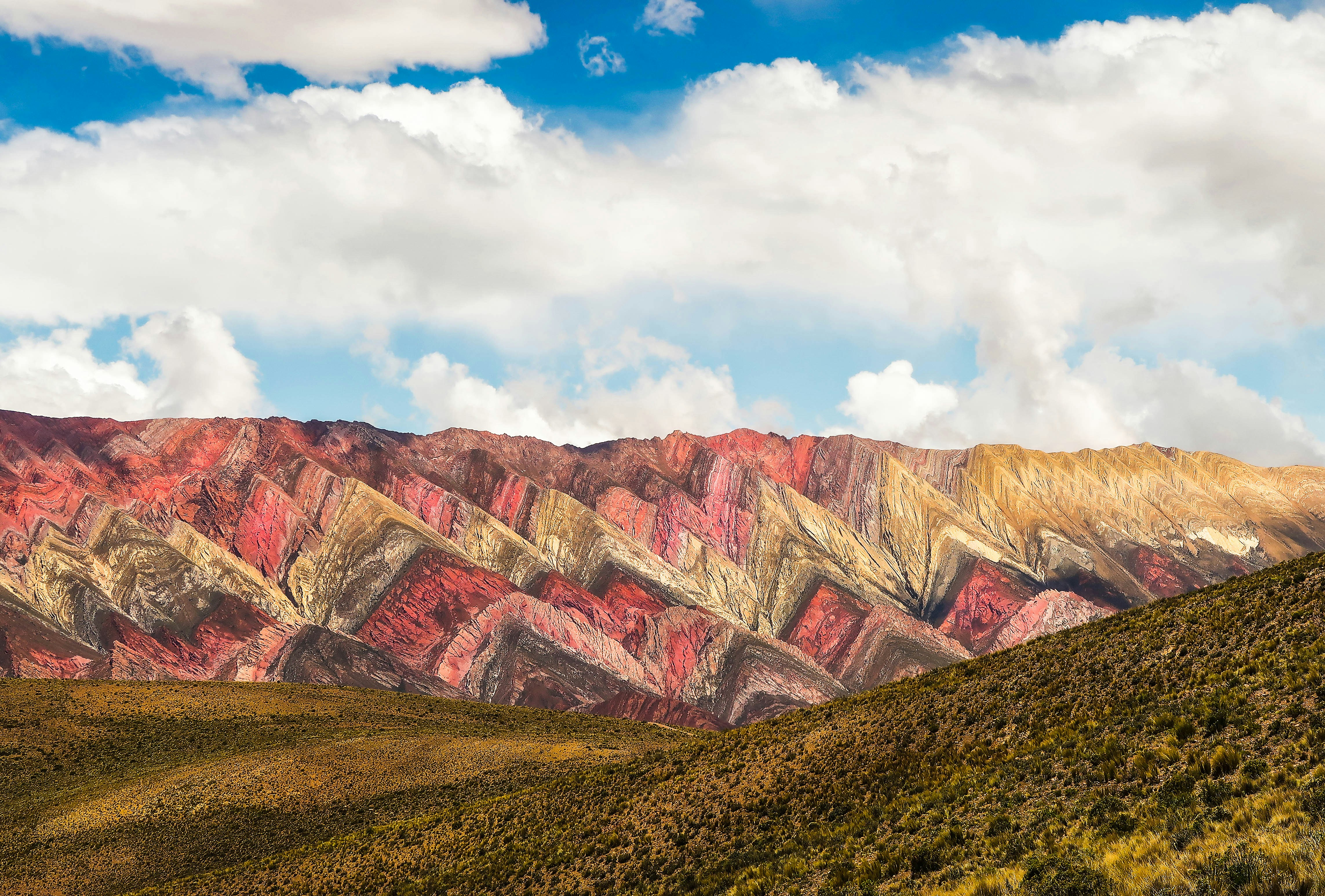
Argentina Digital Nomad Visa Overview
Argentina officially introduced its Digital Nomad Visa in 2022 through the National Directorate of Migration, creating a specific temporary residence pathway for remote workers who earn income from abroad. The visa was designed to attract foreign professionals who want to live in Argentina while continuing to work for companies, clients, or businesses located outside the country.
Unlike a tourist visa, this residence category provides a legal framework to stay longer, access local services more easily, and establish temporary residency without entering the Argentine labor market.
The Argentina Digital Nomad Visa is generally granted for a temporary period (with the possibility of renewal, depending on regulations in force at the time of application). It is intended strictly for remote work tied to foreign income sources, not for employment with Argentine companies.
Who Is It For?
The Argentina Digital Nomad Visa is intended for:
Remote employees working for foreign companies.
Freelancers with international clients.
Independent contractors providing services abroad.
Business owners managing companies registered outside Argentina.
To qualify, applicants must demonstrate that their income originates outside Argentina and that their professional activity does not involve the local Argentine labor market.
This visa is ideal for digital professionals in fields such as tech, marketing, consulting, design, writing, finance, and other location-independent careers.
What Does It Allow You to Do?
With the Argentina Digital Nomad Visa, you can:
Legally reside in Argentina for the approved visa duration.
Continue working remotely for foreign employers or clients.
Open a local bank account (subject to banking requirements)
Rent long-term accommodation.
Access certain local services more easily than tourists.
Travel in and out of Argentina during the validity period.
However, the visa does not permit employment with Argentine companies or participation in the local labor market.
Argentina Digital Nomad Visa Requirements
To apply for the Argentina Digital Nomad Visa, applicants must submit a set of standard immigration documents along with specific proof that they qualify as remote workers earning income from abroad.
Applicants are generally required to provide:
Completed visa application form.
Valid passport (with sufficient validity at the time of application)
Recent passport-size photographs.
Proof of legal entry into Argentina (if applying from within the country)
Payment of the applicable visa fee.
Criminal background check certificate (from your country of residence and/or countries lived in recently)
Sworn declaration regarding the purpose of stay.
Contact information and proof of current address.
All foreign-issued documents typically must be apostilled or legalized and, if not in Spanish, officially translated.
Proof of Financial Self-Sufficiency
Argentina requires digital nomad applicants to demonstrate that they can financially support themselves without relying on employment within the Argentine labor market. While immigration authorities do not always publish an official minimum income threshold, in practice, applicants are typically expected to show a stable monthly income of approximately USD $2,000 to $2,500.
At current exchange rates, USD $2,500 is approximately equivalent to the amount displayed above in Argentine pesos. However, due to Argentina’s high inflation and currency volatility, income is usually assessed in foreign currency rather than strictly in pesos.
Applicants must demonstrate that this income is regular and ongoing. Supporting evidence commonly includes an employment contract with a foreign company confirming remote work status, freelance or service agreements with international clients, recent bank statements covering the past three to six months, or documentation proving ownership of a foreign-registered business. Immigration officials focus on verifying that the income originates entirely outside Argentina and is sufficient to cover housing, living expenses, health insurance, and other day-to-day costs during the stay.
Proof of Remote Work Activity
In addition to income verification, applicants must clearly establish that their professional activity is conducted remotely for entities located outside Argentina. This is a fundamental condition of the visa.
Authorities typically require documentation such as a signed employer letter confirming remote work authorization, contracts with foreign clients, invoices issued to international companies, or company registration documents if the applicant is self-employed. The central objective is to demonstrate that the applicant will not enter the Argentine labor market or provide services to local Argentine companies.
Private Health Insurance
Applicants must obtain private health insurance that provides full coverage in Argentina for the entire duration of the intended stay. The policy must include hospitalization, emergency treatment, and general medical coverage.
Short-term travel insurance may not always be sufficient unless it offers comprehensive medical benefits. Many digital nomads opt for international health insurance plans designed specifically for expatriates or remote professionals to ensure compliance with immigration requirements.
Travel insurance is not accepted; it must be long-term residency health insurance. You can find our recommendations for the best health insurance plans here.
Criminal Background Check
A clean criminal record is a non-negotiable requirement. Applicants must submit official police clearance certificates from their country of nationality and from any country where they have resided for a substantial period. These certificates must be properly legalized or apostilled and translated into Spanish when required. Immigration authorities use this documentation to assess admissibility and public security considerations.
How to Apply for the Argentina Digital Nomad Visa – Step-by-Step Instructions
Applying for the Argentina Digital Nomad Visa involves coordination with either an Argentine consulate abroad or Argentina’s National Directorate of Migration, depending on where you are physically located at the time of application. While procedures may vary slightly by jurisdiction, the general process follows the structured steps below.
Step 1: Confirm Your Eligibility
Before beginning the application, you should confirm that you meet the core eligibility criteria. You must be a non-Argentine national working remotely for a company, clients, or a business registered outside Argentina. Your income must originate from foreign sources, and you must be able to demonstrate financial self-sufficiency for the duration of your stay.
It is important to verify whether you are required to apply through an Argentine consulate in your country of residence or whether you may apply from within Argentina if you are already legally present.
Step 2: Gather and Legalize Your Documents
Once eligibility is confirmed, the next step is preparing your documentation. This includes your passport, criminal background checks, proof of income, remote work documentation, health insurance policy, and completed visa application forms.
Foreign-issued documents must generally be apostilled or legalized in accordance with international authentication standards. Additionally, any documents not originally issued in Spanish must be translated by a certified public translator and, in some cases, legalized again after translation. This step can take time, so it is advisable to begin gathering documents several weeks in advance.
Step 3: Submit Your Application
If applying from abroad, you will submit your application through the Argentine consulate that has jurisdiction over your place of residence. Each consulate may have slightly different submission procedures, and many require advance appointment scheduling.
If applying from within Argentina (where permitted), the application is typically submitted through the National Directorate of Migration. You may need to create an online profile, upload digital copies of documents, and later attend an in-person appointment to present originals and complete biometric registration.
Government visa fees must be paid at this stage. Fees vary depending on nationality and place of application.
Step 4: Attend an Interview or Biometric Appointment
After submission, you may be required to attend an in-person interview or provide biometric data, including fingerprints and photographs. During this stage, immigration officials may request clarification about your remote work activity, income source, or intended length of stay.
Applicants should be prepared to clearly explain their professional activity and confirm that no work will be conducted for Argentine employers.
Step 5: Wait for Processing and Approval
Processing times can vary depending on the volume of applications and the location where you apply. In general, applicants should expect processing to take several weeks, although timelines can fluctuate.
If approved, you will receive confirmation of your temporary residence authorization. If applying from abroad, you may receive a visa sticker placed in your passport, which must be used to enter Argentina within the specified validity period.
Step 6: Enter Argentina and Complete Local Registration (If Required)
After entering Argentina under the Digital Nomad Visa, you may be required to complete additional registration steps, such as obtaining a local tax identification number (if applicable) or registering your address with local authorities.
Once these steps are completed, you can legally reside in Argentina for the duration of your authorized stay while continuing to work remotely for foreign clients or employers.

Stay Requirements and Conditions
Once approved under the Argentina Digital Nomad Visa, holders must comply with specific residence conditions throughout their stay. Below is a clear breakdown of the main obligations and limitations.
Length of Stay: The visa is typically granted for up to 180 days (approximately 6 months). In many cases, it may be renewed once for an additional 180 days, subject to immigration approval and continued eligibility.
Remote Work Only: You must continue working exclusively for foreign employers, clients, or a company registered outside Argentina. You are not permitted to work for Argentine companies or participate in the local labor market.
Income Source Must Remain Foreign: Your income must continue to originate from outside Argentina. If your employment situation changes, you may be required to notify authorities or provide updated documentation during renewal.
Health Insurance Coverage: You must maintain valid private health insurance covering medical treatment in Argentina for the entire duration of your stay.
Compliance with Immigration Laws: You must respect all Argentine immigration regulations, including entry and exit rules, local registration requirements (if applicable), and maintaining valid status at all times.
Multiple Entry Permission: The visa generally allows you to leave and re-enter Argentina during its validity period, provided your residence authorization remains active.
Overstay Consequences: Remaining in Argentina beyond your authorized stay without renewal may result in fines, entry restrictions, or complications with future visa applications.
Tax Considerations: Holding the visa does not automatically make you an Argentine tax resident. However, spending more than a significant portion of the year in Argentina (commonly interpreted around 12 months of presence, though circumstances vary) may trigger tax residency under Argentine law. Because Argentina has complex tax regulations and currency controls, professional tax advice is strongly recommended for longer stays.
Complying with these stay requirements is essential to maintaining legal status and avoiding immigration or tax complications during your time in Argentina.
How Much Does the Argentina Digital Nomad Visa Cost?
The cost of the Argentina Digital Nomad Visa depends on where you apply (abroad at a consulate or inside Argentina) and your nationality, as visa reciprocity fees may apply in some cases.
In general, applicants should budget for the following government-related costs:
Visa application fee: Typically around USD $200 to $300, depending on the consulate and nationality. The example above shows how USD $300 converts into Argentine pesos at the current exchange rate.
Immigration processing fees (if applying inside Argentina): These may vary and are usually paid in Argentine pesos.
Document legalization and apostille fees: Costs vary by country but can range from USD $20 to $100+ per document.
Certified translations into Spanish: In Argentina, sworn translations are completed by officially registered public translators and priced per page.
Criminal background check fees: These depend on the issuing country.
Private health insurance: Monthly premiums typically range from USD $50 to $200+, depending on coverage level and provider.
It is important to note that Argentina’s currency is highly volatile, and fees paid locally in Argentine pesos may fluctuate in USD value over time. Consulates abroad often charge in USD or the local currency of the country where you apply.
Overall, most applicants should expect total upfront costs (including document preparation and insurance) to range between USD $400 and $1,000, depending on personal circumstances and document requirements.
Before applying, always verify the exact visa fee with the Argentine consulate or the National Directorate of Migration, as government fees can change without prior notice.
Taxes for People With the Argentina Digital Nomad Visa
One of the most common questions remote workers ask before relocating is whether holding the Argentina Digital Nomad Visa makes them liable for Argentine taxes. The answer depends less on the visa itself and more on your tax residency status under Argentine law.
The Argentina Digital Nomad Visa does not automatically make you an Argentine tax resident. It is a temporary residence category designed for individuals earning foreign-source income. However, tax residency in Argentina is generally determined based on physical presence and the nature of your ties to the country.
In practice, individuals may be considered Argentine tax residents if they remain in the country for more than 12 consecutive months, although short trips abroad may not necessarily interrupt that calculation. Tax residency may also be triggered if Argentina becomes your center of vital interests, such as establishing long-term family or economic ties.
If you are not classified as an Argentine tax resident, you are typically taxed only on Argentine-source income. Since the Digital Nomad Visa requires income to originate outside Argentina, many short-term visa holders do not immediately fall into the local tax net. However, if you become a tax resident, Argentina generally taxes residents on their worldwide income.
Argentina’s tax system includes income tax (Impuesto a las Ganancias), potential wealth tax obligations, and strict currency regulations. Because the country has a history of capital controls and complex financial reporting requirements, long-term stays require careful planning.
Digital nomads should also consider:
Whether their home country taxes worldwide income.
Whether a double taxation agreement exists between Argentina and their home country.
Whether spending extended time in Argentina could shift their tax residency status.
Given Argentina’s economic environment and evolving fiscal policies, professional tax advice is strongly recommended before committing to a long-term stay. Even if you initially qualify as a non-tax resident, remaining in the country beyond the initial visa period or renewing your stay could change your tax obligations.
Understanding your tax position before relocating can help you avoid unexpected liabilities and ensure full compliance with both Argentine and international tax laws.
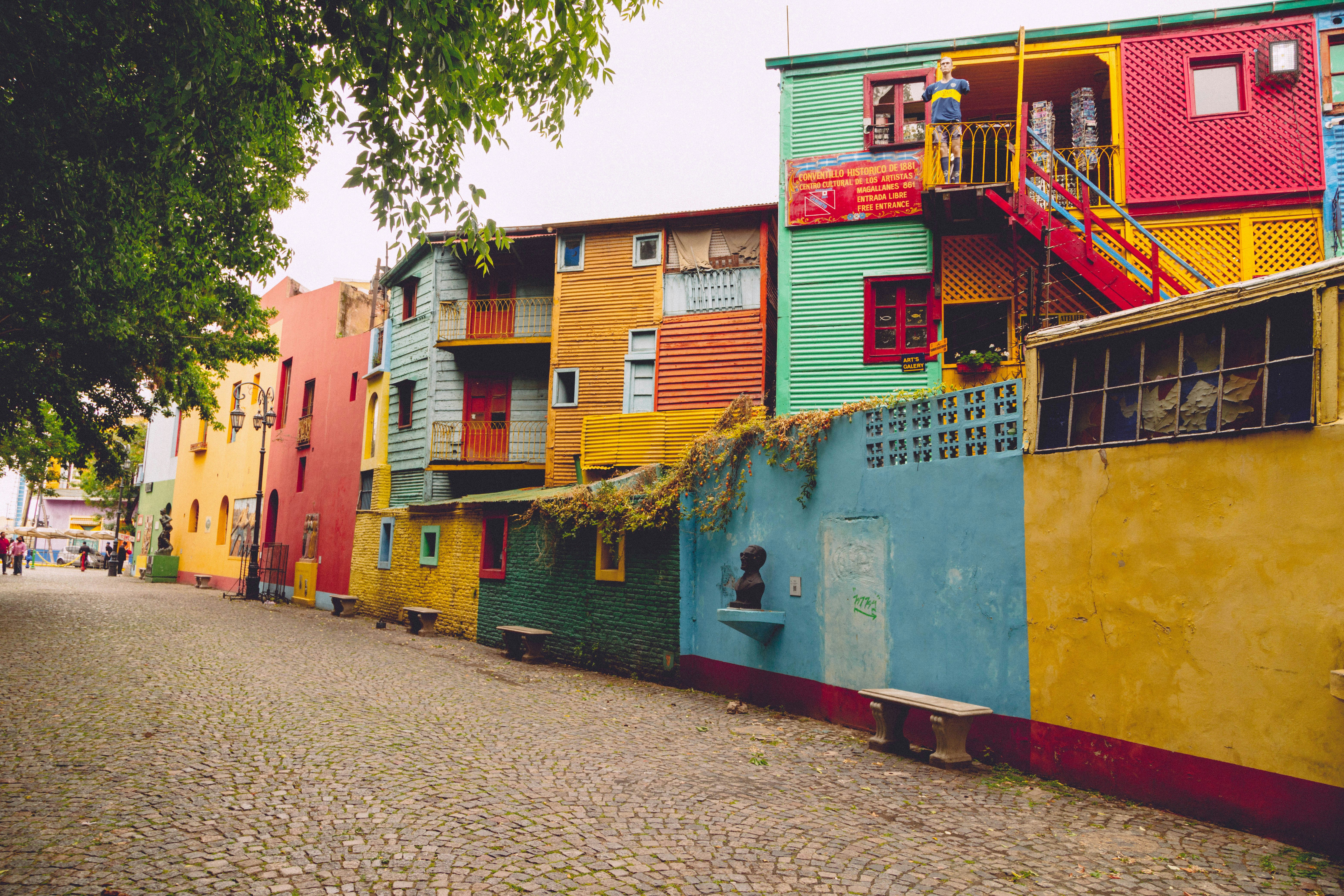
Living in Argentina with the Argentina Digital Nomad Visa
Living in Argentina as a digital nomad offers a unique blend of European-style city life and dramatic natural landscapes, all at a relatively affordable cost compared to many North American and European destinations. From the café culture and late-night energy of Buenos Aires to the wine regions of Mendoza and the mountains of Patagonia, the country provides a diverse lifestyle that appeals to remote workers seeking both productivity and adventure. With the Argentina Digital Nomad Visa, you can legally rent long-term accommodation, open certain local service accounts, and settle into daily life without the uncertainty of short-term tourist stays.
At the same time, living in Argentina requires adaptability. The country experiences economic volatility, high inflation, and frequent exchange rate fluctuations, which can affect pricing, banking, and payment methods. Many digital nomads rely on foreign bank accounts and carefully plan how they manage currency exchanges. Healthcare is generally high quality in major cities, especially with private insurance, and Argentina’s strong cultural scene — from food and football to literature and music — makes integration both exciting and immersive. For remote workers earning in stable foreign currencies, Argentina can offer an exceptional quality of life when approached with realistic expectations and proper financial planning.
Best Cities to Live in Argentina
Choosing where to base yourself in Argentina will shape your entire digital nomad experience. The country offers everything from cosmopolitan capitals to mountain towns and wine regions. Here are three of the best cities to consider if you’re relocating under the Argentina Digital Nomad Visa.
Buenos Aires
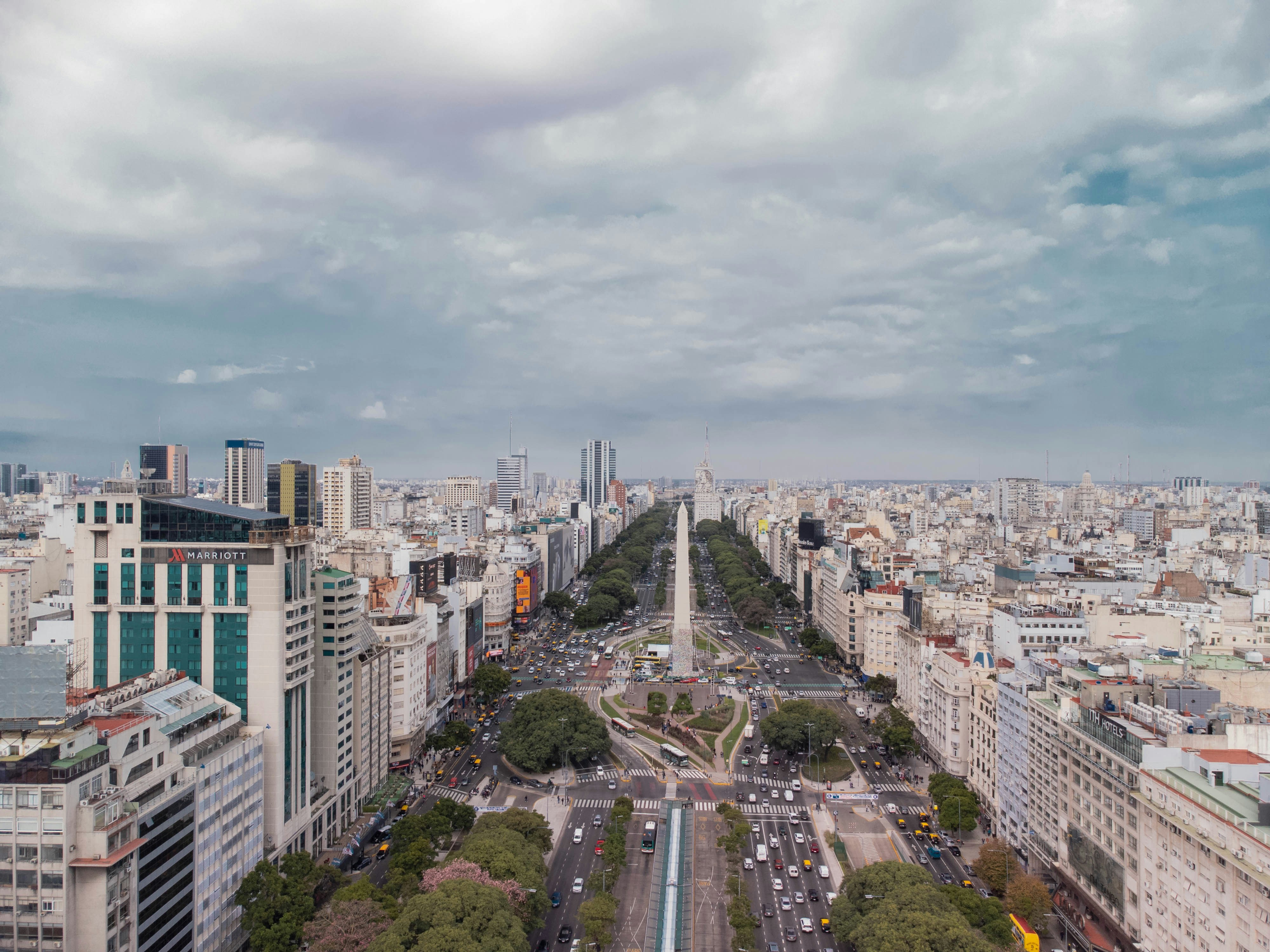
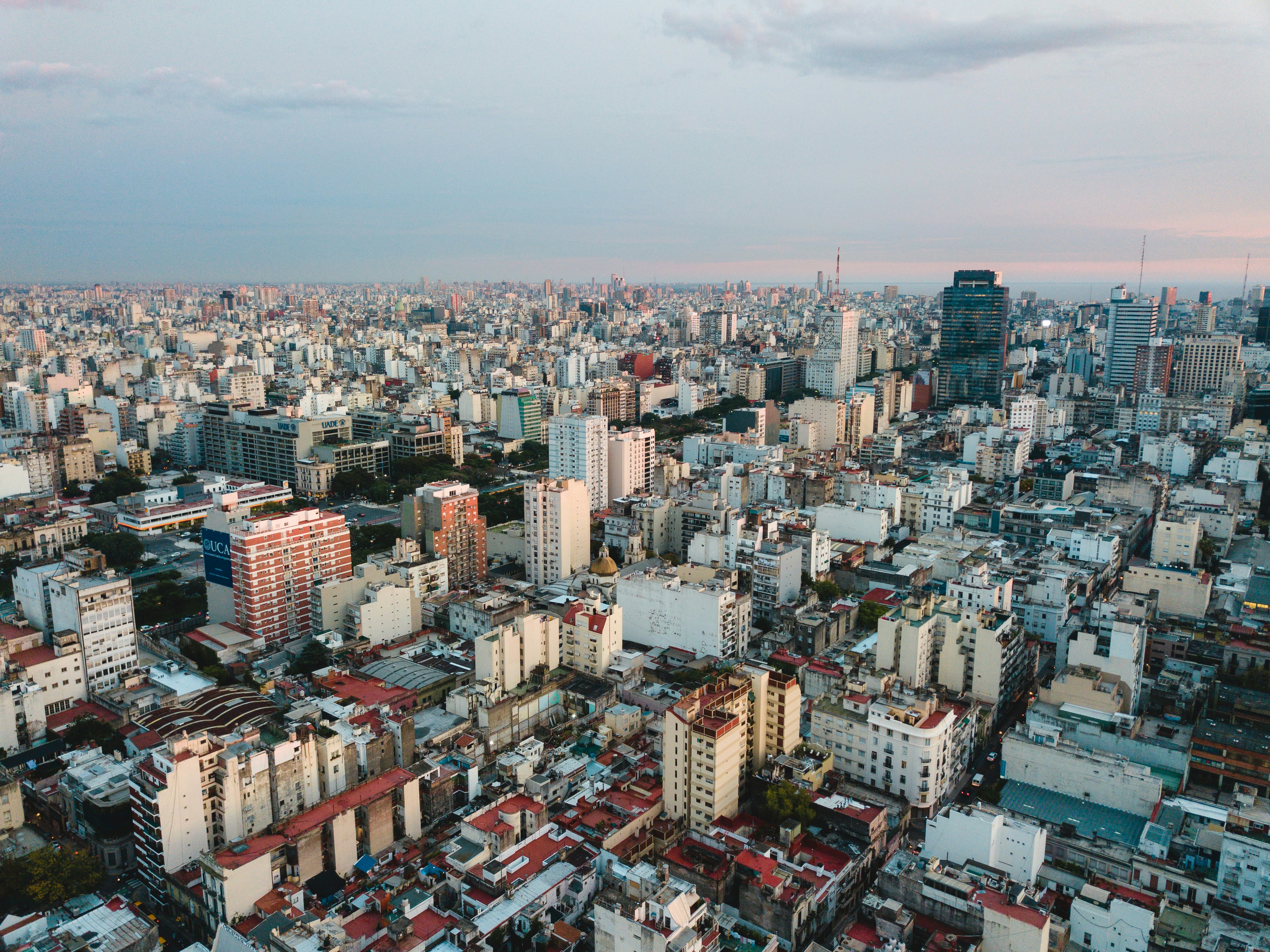
As Argentina’s capital, Buenos Aires is the most popular destination for digital nomads. Often compared to European cities for its architecture and café culture, it offers fast internet, abundant coworking spaces, international restaurants, and vibrant neighborhoods like Palermo and Recoleta. The city has a strong expat community, making it easier to network and integrate. While prices fluctuate due to inflation, those earning in USD or EUR often find the cost of living relatively affordable compared to major global capitals.
Mendoza

Located at the foothills of the Andes, Mendoza is ideal for remote workers who prefer a slower pace of life with easy access to nature. Famous for its Malbec wine and mountain scenery, the city combines outdoor adventure with a relaxed urban atmosphere. You’ll find reliable infrastructure, growing coworking options, and a strong culinary scene. Mendoza is especially attractive to digital nomads who value weekend hiking, skiing, or wine country exploration over big-city nightlife.
Bariloche

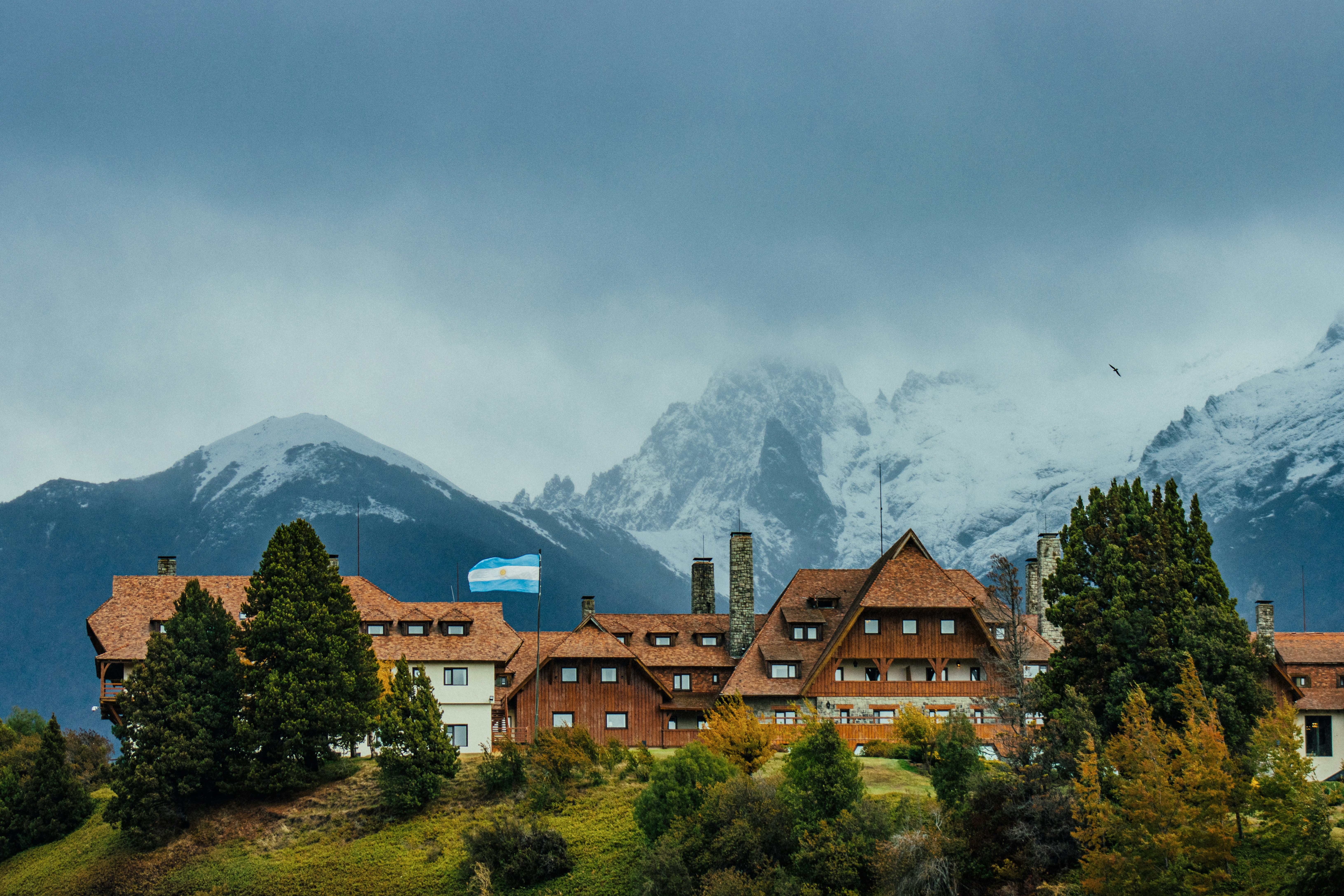
For those seeking breathtaking landscapes, San Carlos de Bariloche in Patagonia offers a unique lifestyle surrounded by lakes and mountains. The town has a cozy alpine feel, influenced by European immigration, and is known for outdoor activities year-round, from skiing in winter to hiking and kayaking in summer. While smaller than Buenos Aires, Bariloche has solid infrastructure and appeals to remote workers who prioritize nature, tranquility, and a tight-knit community over a fast-paced metropolitan environment.
Cost of Living
The official currency of Argentina is the Argentine Peso (ARS). 1 ARS = $0.000715 USD.
The average net monthly salary in Argentina is around ARS 800,000, which equates to approximately $572 USD at the current exchange rate.
Here’s a rundown of what you should expect to pay in different cities:
Buenos Aires
Rent (1 bedroom in city center) - $700 per month
Rent (3 bedrooms outside city center) - $1,100 per month
Basic Utilities - $120 per month
Wi-Fi - $25 per month
Public Transport - $0.50 one-way
Groceries (2 people) - $350–$500 per month
Mendoza
Rent (1 bedroom in city center) - $550 per month
Rent (3 bedrooms outside city center) - $900 per month
Basic Utilities - $110 per month
Wi-Fi - $25 per month
Public Transport - $0.45 one-way
Groceries (2 people) - $320–$450 per month
Bariloche
Rent (1 bedroom in city center) - $600 per month
Rent (3 bedrooms outside city center) - $950 per month
Basic Utilities - $130 per month
Wi-Fi - $30 per month
Public Transport - $0.50 one-way
Groceries (2 people) - $350–$520 per month
FAQs
How long can I stay in Argentina with the Digital Nomad Visa?
The Argentina Digital Nomad Visa is typically granted for up to 180 days (around six months). In many cases, it may be renewed once for an additional 180 days, provided you continue to meet the eligibility requirements and maintain foreign-sourced income.
Can I work for an Argentine company with this visa?
No. The visa strictly allows remote work for foreign employers, clients, or businesses registered outside Argentina. You are not permitted to enter the local Argentine labor market or provide services to Argentine companies under this visa category.
Do I have to pay taxes in Argentina as a digital nomad?
Holding the visa does not automatically make you an Argentine tax resident. However, spending an extended period in the country, particularly close to or beyond 12 months, may trigger tax residency depending on your circumstances. If classified as a tax resident, Argentina may tax your worldwide income. Professional tax advice is strongly recommended.
Is there a minimum income requirement?
While authorities do not always publish a fixed threshold, applicants are generally expected to demonstrate a stable monthly income of approximately USD $2,000–$2,500 from foreign sources. You must prove that your income is sufficient to support yourself without working locally.
Can I bring family members with me?
The Digital Nomad Visa is primarily designed for individual applicants. Depending on immigration regulations in force at the time of application, family reunification options may be limited or may require a separate residence process. It is advisable to confirm current rules with the relevant Argentine consulate before applying.
Author
)
Andy Stofferis is a digital nomad blogger: www.andysto.com
He is a contributing writer for various organizations and media involved in the digital nomad industry (AllWork.Space, e-Residency Estonia).
Andy has been running a fully remote digital marketing agency over the past nine years while traveling to more than 50 destinations.


