
Albania Digital Nomad Visa - 2026 Update
)
Andy Stofferis
Freelance Writer
Last update
)

Albania Rating from Citizen Remote
Overall  3.4
3.4

Internet Infrastructure 4.0
Country Stability 3.0
Cost of Living 4.0
Ease of Obtaining Visa 4.0
Taxes 2.0
Quick Visa Facts

Visa length Up to 1 year.

Possible to extend? Yes, renewable annually if requirements are still met.

Who can apply? Remote workers earning income from outside Albania.

Minimum Income Requirements Approximately 40,000 ALL per month (approximately $500 USD), although a higher, stable income is preferred.

Time for visa applications Approximately 2–6 weeks total, depending on the stage and nationality.
Want to know if you can apply?
Complete a visa quiz and see if you qualify!
If you’re dreaming of living on the Mediterranean while working remotely, Albania might not be the first country that comes to mind, but it should be.
With its turquoise coastline, affordable cost of living, welcoming culture, and growing digital infrastructure, Albania has quickly become one of Europe’s most intriguing destinations for remote workers. And thanks to its specific residence permit options for foreign professionals, the country is positioning itself as an accessible base for digital nomads who want Europe without the Schengen price tag.
In this guide, we’ll walk you through everything you need to know about the Albania Digital Nomad Visa, from eligibility and income requirements to the application process, costs, and renewal options.
If you’re considering making Albania your next remote work hub, this guide will help you understand exactly what’s possible and how to make it happen.
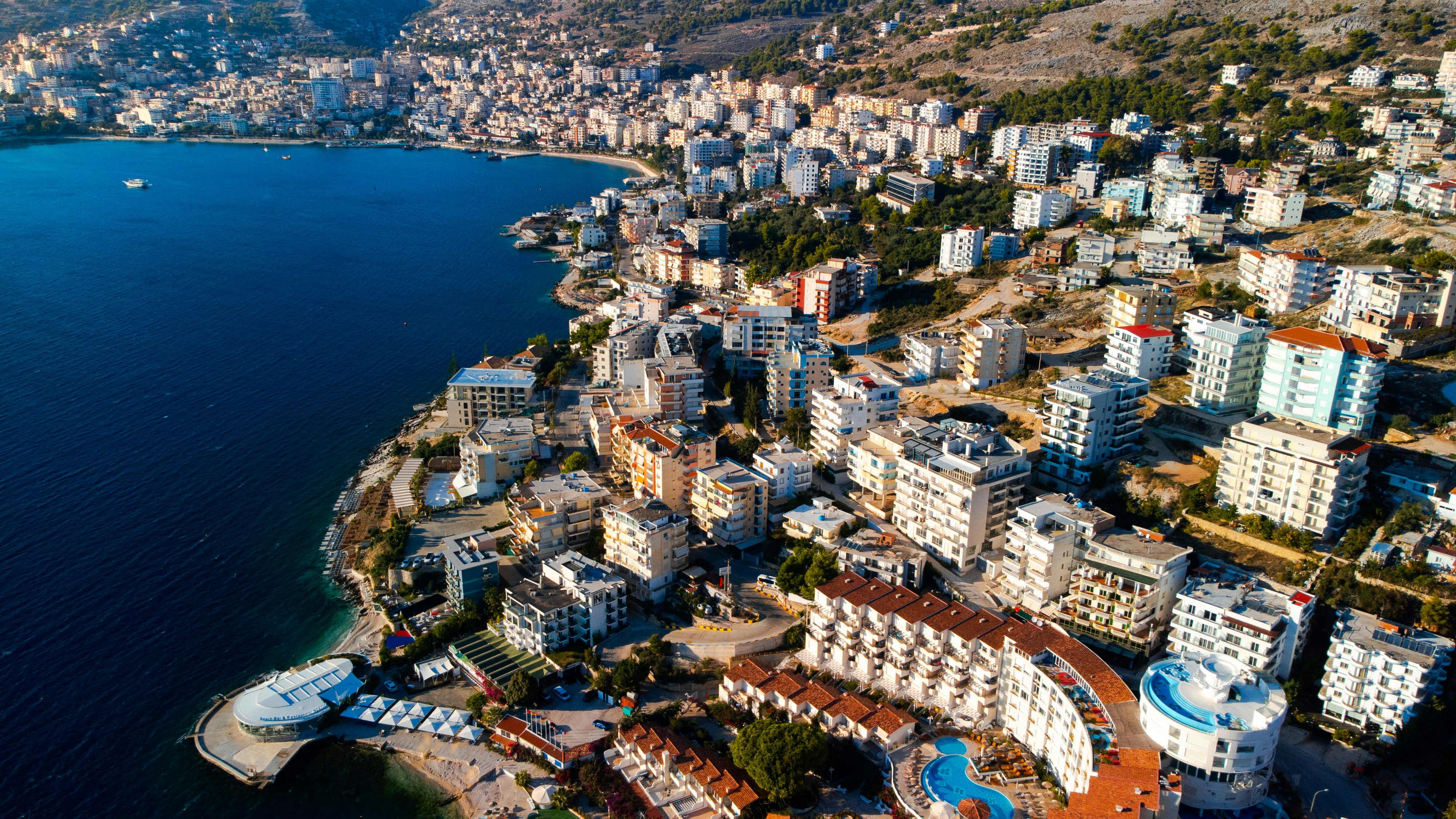
Albania Digital Nomad Visa Overview
Albania does not officially offer a visa titled “Digital Nomad Visa.” Instead, remote workers use a legal pathway that combines a Type D Long-Stay Visa with a Unique Permit for residence. This is the formal structure established under Albanian immigration law for foreign nationals who intend to stay in the country for more than 90 days.
The Type D visa is Albania’s long-stay visa category. It allows entry into the country for purposes that require extended residence. Once in Albania, eligible applicants obtain a Unique Permit, which serves as the official temporary residence authorization. For remote workers, this permit is issued under the category designed for individuals working remotely for employers or clients based outside Albania.
Legislative updates introduced in 2022 clarified and strengthened this framework, formally recognizing remote work as a valid ground for residence. While most online guides refer to this pathway as the “Albania Digital Nomad Visa,” the official terminology remains the Type D Visa, followed by a Unique Permit for remote work purposes.
This is not a tourist extension or informal stay option. It is a legally regulated residence status that allows qualifying foreign nationals to live in Albania while maintaining employment or business activities abroad.
Who Is It For?
This residence pathway is intended for foreign nationals who:
Work remotely for companies registered outside Albania.
Provide freelance or independent services to clients abroad.
Operate businesses established outside Albania.
Earn income exclusively from non-Albanian sources.
Applicants must demonstrate that their economic activity and income originate outside Albania and that they will not participate in the local Albanian labor market.
What Does It Allow You to Do?
With an approved Type D Visa and Unique Permit for remote work, you can:
Legally reside in Albania for an extended period, typically up to one year, with renewal options.
Perform remote work for foreign employers or clients.
Secure long-term accommodation.
Open a local bank account.
Access services available to temporary residents.
However, the permit does not authorize employment with an Albanian company or the provision of services directly to the Albanian market without additional authorization.
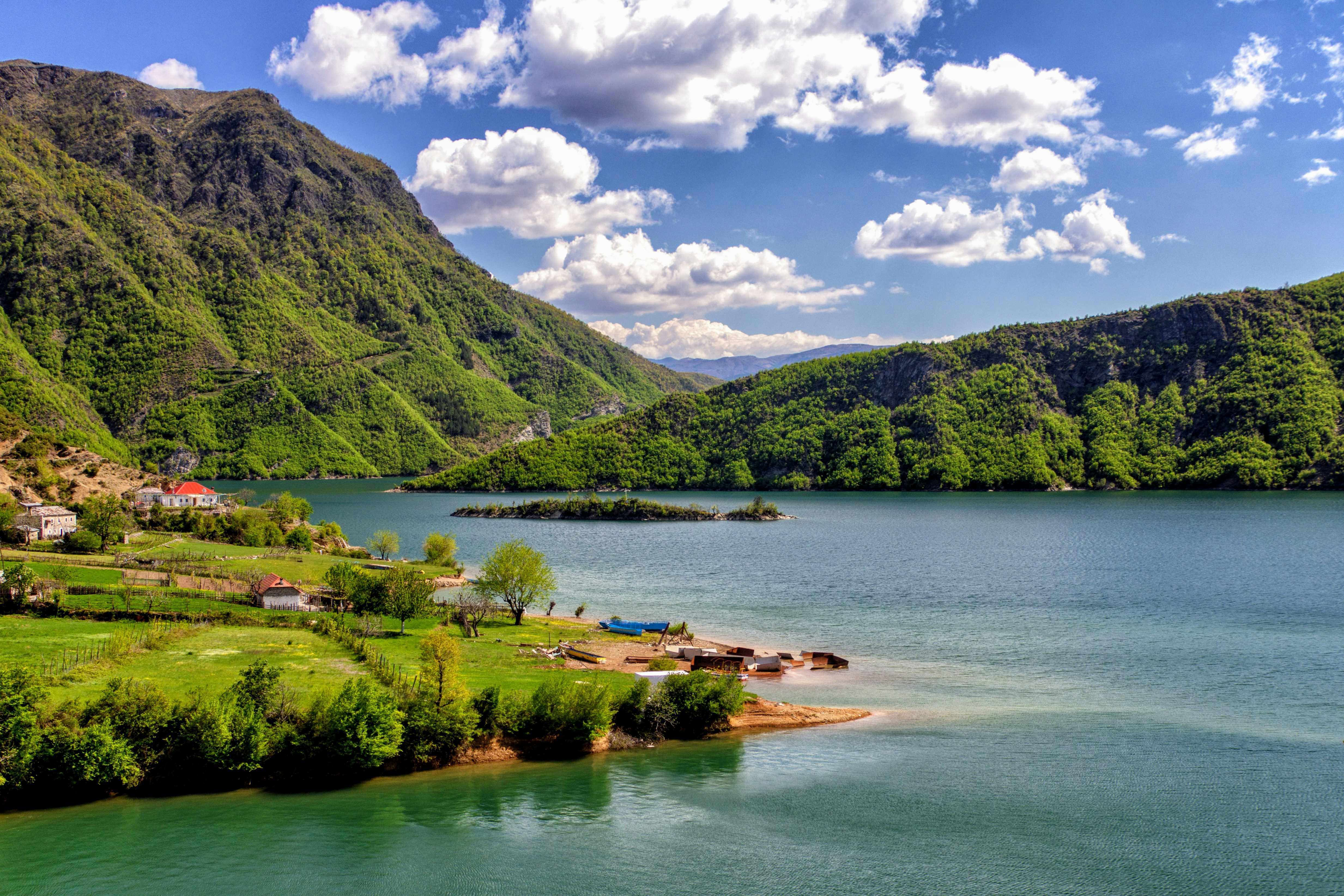
Albania Digital Nomad Visa Requirements
To apply for Albania’s Type D Visa and subsequent Unique Permit for remote work, applicants must prepare a set of standard immigration documents along with specific supporting evidence related to their remote employment and financial stability.
Below are the core documents typically required as part of the application process.
Completed Type D visa application form.
Completed Unique Permit (residence permit) application form.
Valid passport with sufficient remaining validity.
Recent passport-sized photographs meeting official specifications.
Proof of legal stay (if applying from a country other than your nationality)
Clean criminal record certificate issued by your country of residence
Proof of accommodation in Albania (rental contract, property ownership, or host declaration)
Payment of applicable government fees.
In addition to these standard documents, applicants must meet several key substantive requirements.
Proof of Financial Self-Sufficiency
Applicants must demonstrate that they have sufficient financial means to support themselves during their stay in Albania without relying on the local labor market. While Albania does not publish a clearly defined statutory minimum income, in practice authorities expect applicants to show income that meets or exceeds the national minimum wage threshold.
As a practical benchmark, applicants should be prepared to show at least 40,000 Albanian Lek (ALL) per month, which equals approximately 480,000 ALL per year. Based on recent exchange rates, this corresponds to roughly $5,000–$5,200 USD annually. To provide a stronger application and account for cost-of-living considerations, many successful applicants demonstrate income closer to 800,000–1,200,000 ALL per year (approximately $8,500–$12,500 USD).
Authorities will assess whether the income is stable, recurring, and sourced from outside Albania. Supporting documentation typically includes employment contracts, freelance agreements, company registration documents (if self-employed), and recent bank statements showing consistent deposits.
Private Health Insurance
Valid private health insurance is mandatory for the entire duration of the intended stay. The policy must be valid in Albania and provide comprehensive medical coverage, including emergency care and hospitalization.
The purpose of this requirement is to ensure that temporary residents do not place a financial burden on Albania’s public healthcare system. The insurance policy must remain active for the full period covered by the residence permit and may need to meet minimum coverage standards typically required for long-stay visas in Europe.
Applicants should ensure that the insurance certificate clearly states coverage in Albania and specifies the duration of validity.
Travel insurance is not accepted; it must be long-term residency health insurance. You can find our recommendations for the best health insurance plans here.
Criminal Record Certificate
A clean criminal record certificate is a mandatory requirement for obtaining both the Type D Visa (if applicable) and the subsequent Unique Permit. Applicants must provide an official document issued by their country of nationality or legal residence confirming that they do not have a criminal record.
The certificate must generally be recently issued, legalized or apostilled where required, and translated into Albanian by a certified translator before submission. Albanian authorities use this document to assess security and public order considerations before granting temporary residence.
Failure to provide a properly legalized and translated criminal record certificate is one of the most common reasons residence applications are delayed or rejected, making this one of the most critical documents in the process.
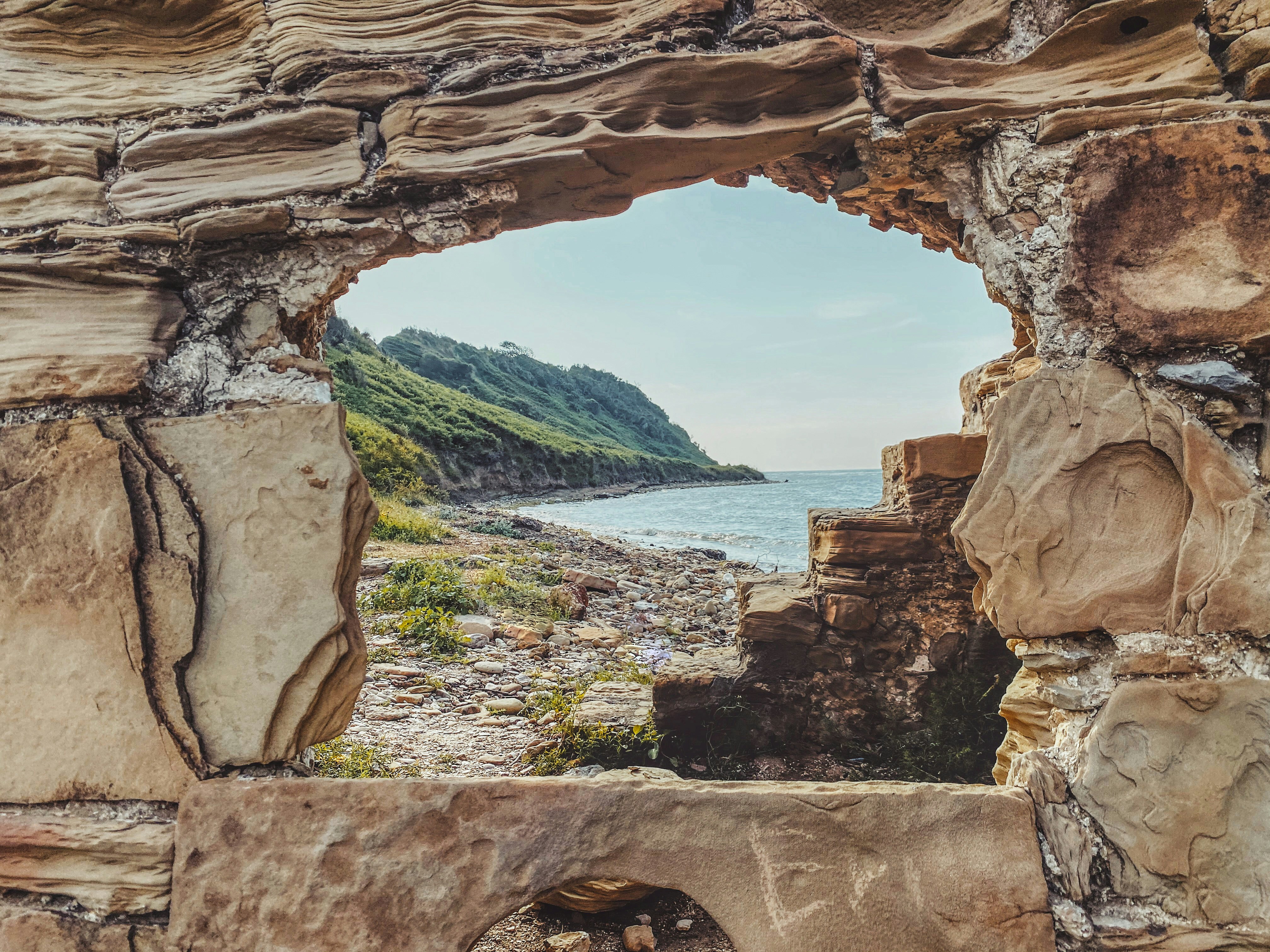
How to Apply for the Albania Digital Nomad Visa – Step-by-Step Instructions
The official process involves applying for a Type D Long-Stay Visa (if required based on your nationality), followed by obtaining a Unique Permit for residence as a remote worker. Below is a clear, step-by-step breakdown of how the application process typically works.
Step 1: Confirm Whether You Need a Type D Visa
Before beginning the process, verify whether your nationality requires a Type D long-stay visa to enter Albania. Some nationals are visa-exempt for entry but must still apply for a residence permit if staying longer than 90 days.
If your nationality requires a visa, you must apply for a Type D Visa at the nearest Albanian consulate or through the official e-visa portal before traveling to Albania.
Step 2: Submit Your Type D Visa Application (If Required)
If your nationality requires a long-stay visa, you must apply for a Type D Visa through the appropriate Albanian consulate or the official online visa platform.
During this stage, authorities review the purpose of your stay and verify that you qualify under the remote work residence category. Once approved, the Type D visa allows you to legally enter Albania to complete the residence permit process.
If you are visa-exempt, you may travel directly to Albania and begin the residence application after arrival.
Step 3: Enter Albania and Initiate the Unique Permit Application
After arriving in Albania, the next step is applying for the Unique Permit under the remote worker category. This application is submitted to the relevant immigration authority within Albania.
At this stage, you will formalize your request for temporary residence based on your remote work activity. The authorities will assess whether you meet the legal criteria, including financial stability, lawful remote employment, insurance coverage, and security clearance.
Step 4: Attend Biometric Registration and Await Review
As part of the residence process, you will provide biometric data and complete any required in-person verification steps. Immigration authorities will then review your application.
Processing times can vary depending on application volume and individual circumstances. It is important to remain legally present in Albania while your application is being processed.
Step 5: Receive Your Residence Card
If approved, you will be granted a temporary residence permit, typically valid for up to one year. You will receive a residence card confirming your legal right to live in Albania as a remote worker.
The permit may be renewed, provided you continue to meet the eligibility requirements and comply with Albanian immigration regulations.
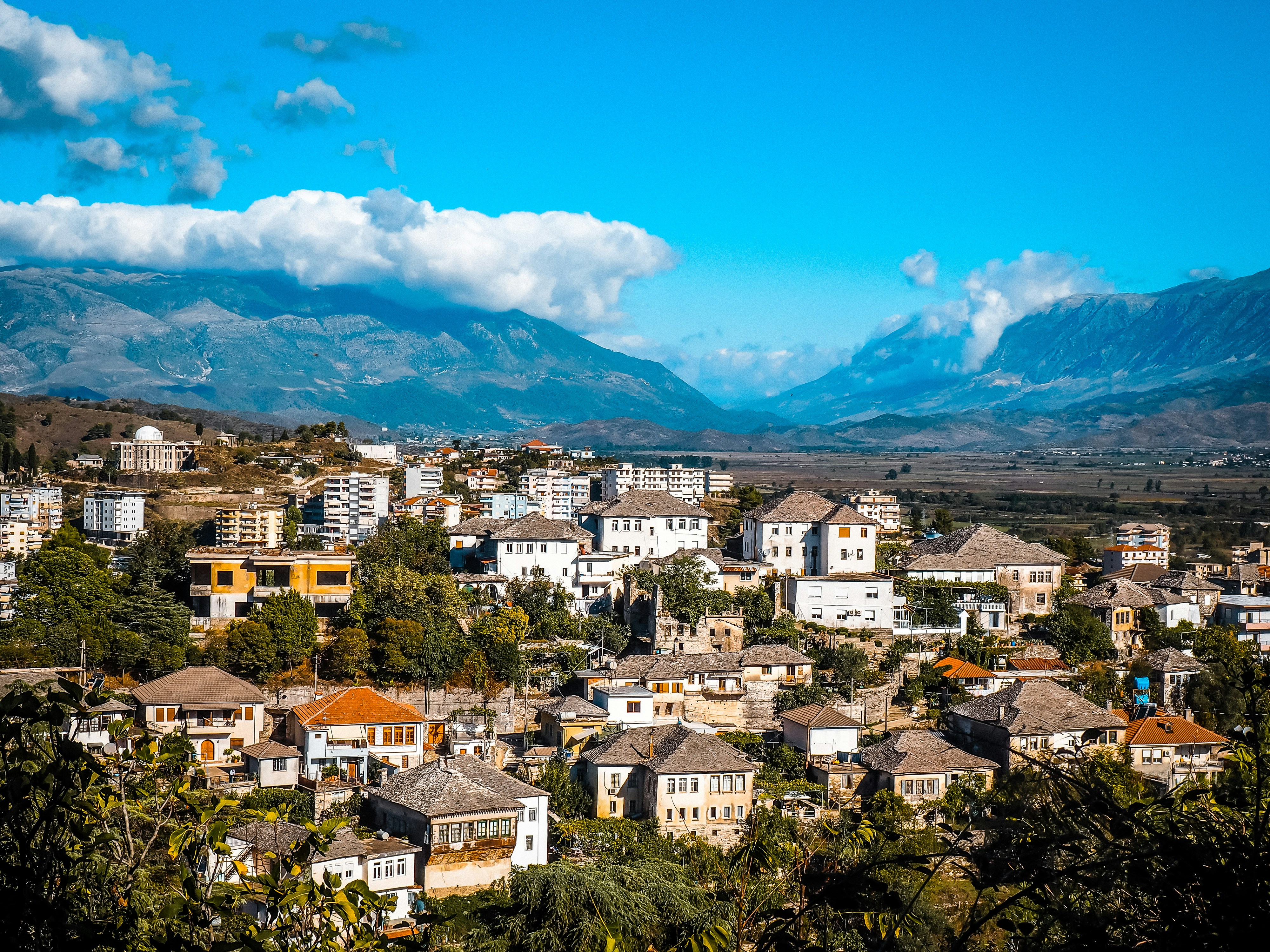
Stay Requirements for Albania
Once your Unique Permit has been approved, you must comply with Albania’s residence regulations to maintain your legal status. The temporary residence permit issued under the remote worker category is typically valid for up to one year and must remain valid at all times during your stay. If you plan to remain in Albania beyond the initial validity period, you must apply for renewal before the permit expires.
As a temporary resident, you are expected to maintain the conditions under which your permit was granted. This means continuing to earn income from foreign sources, maintaining valid private health insurance coverage, and retaining a registered address in Albania. If there are material changes to your employment status, source of income, or residence address, these may need to be reported to the relevant authorities.
Although Albania does not impose strict physical presence rules in the same way some other countries do, extended absences from the country could impact renewal eligibility. Residence permits are granted on the basis that Albania is your primary place of temporary residence, so maintaining a genuine connection to the country during the permit period is important.
Permit holders are not authorized to work for Albanian employers or enter the local labor market unless they obtain separate authorization. Engaging in unauthorized local employment may lead to fines, cancellation of the permit, or future immigration restrictions.
By complying with these stay requirements and maintaining the original eligibility criteria, remote workers can legally reside in Albania and apply for renewal if they wish to extend their stay.
How Much Does the Albania Digital Nomad Visa Cost?
The total cost of what is commonly referred to as the Albania Digital Nomad Visa depends on whether you are required to apply for a Type D Visa before entering the country. It also includes the government fees associated with the Unique Permit (residence permit)).
If your nationality requires a Type D long-stay visa, you will first pay a visa fee when submitting your application through the Albanian consulate or official e-visa platform. The Type D visa fee typically ranges between €50 and €150, depending on nationality and reciprocity agreements. In U.S. dollar terms, this is approximately $55 to $165 USD.
After entering Albania, you must pay the government fee for the Unique Permit. The residence permit fee generally ranges between 10,000 and 20,000 Albanian Lek (ALL), which is approximately $100 to $200 USD, depending on the specific permit category and validity period granted.
In addition to official government fees, applicants should also budget for related administrative expenses, which may include:
Document legalization or apostille fees.
Certified Albanian translations,
Private health insurance coverage.
Passport photographs.
Potential notary fees.
While Albania remains one of Europe’s more affordable residence options for remote workers, total upfront costs can realistically range from $300 to $800 USD when combining visa fees, residence permit fees, and required supporting documentation expenses.
Because visa fees can vary based on nationality and consular policy, applicants should always confirm the exact amount with the relevant Albanian embassy or official immigration authority before applying.
Taxes for People With the Albania Digital Nomad Visa
One of the most common questions remote workers ask before relocating is whether living in Albania means becoming a tax resident and paying local income tax. The answer depends largely on how long you stay and whether you meet Albania’s tax residency criteria.
Under Albanian tax law, an individual is generally considered a tax resident if they spend more than 183 days within 12 months in Albania or if their center of vital interests is considered to be in Albania. If you meet this threshold, you may be classified as a tax resident and could become subject to taxation on your worldwide income.
If you stay fewer than 183 days and do not establish tax residency, you are typically only taxed on income sourced within Albania. Since the Albania Digital Nomad Visa (Type D + Unique Permit for remote workers) requires that your income comes from abroad and that you do not enter the Albanian labor market, many remote workers do not generate Albanian-sourced income.
However, tax treatment can vary depending on your personal circumstances, double taxation agreements between Albania and your home country, and how your income is structured (employment vs. self-employment). Albania has signed double taxation treaties with numerous countries, which may help prevent being taxed twice on the same income.
It is important to understand that immigration status and tax residency are not automatically the same thing. Holding a residence permit does not automatically mean you are a tax resident, but staying long enough in the country may trigger tax obligations.
Because tax matters depend heavily on individual situations, remote workers planning to stay long term should consult a qualified tax advisor familiar with Albanian tax law and international taxation before relocating.
Living in Albania with the Albania Digital Nomad Visa
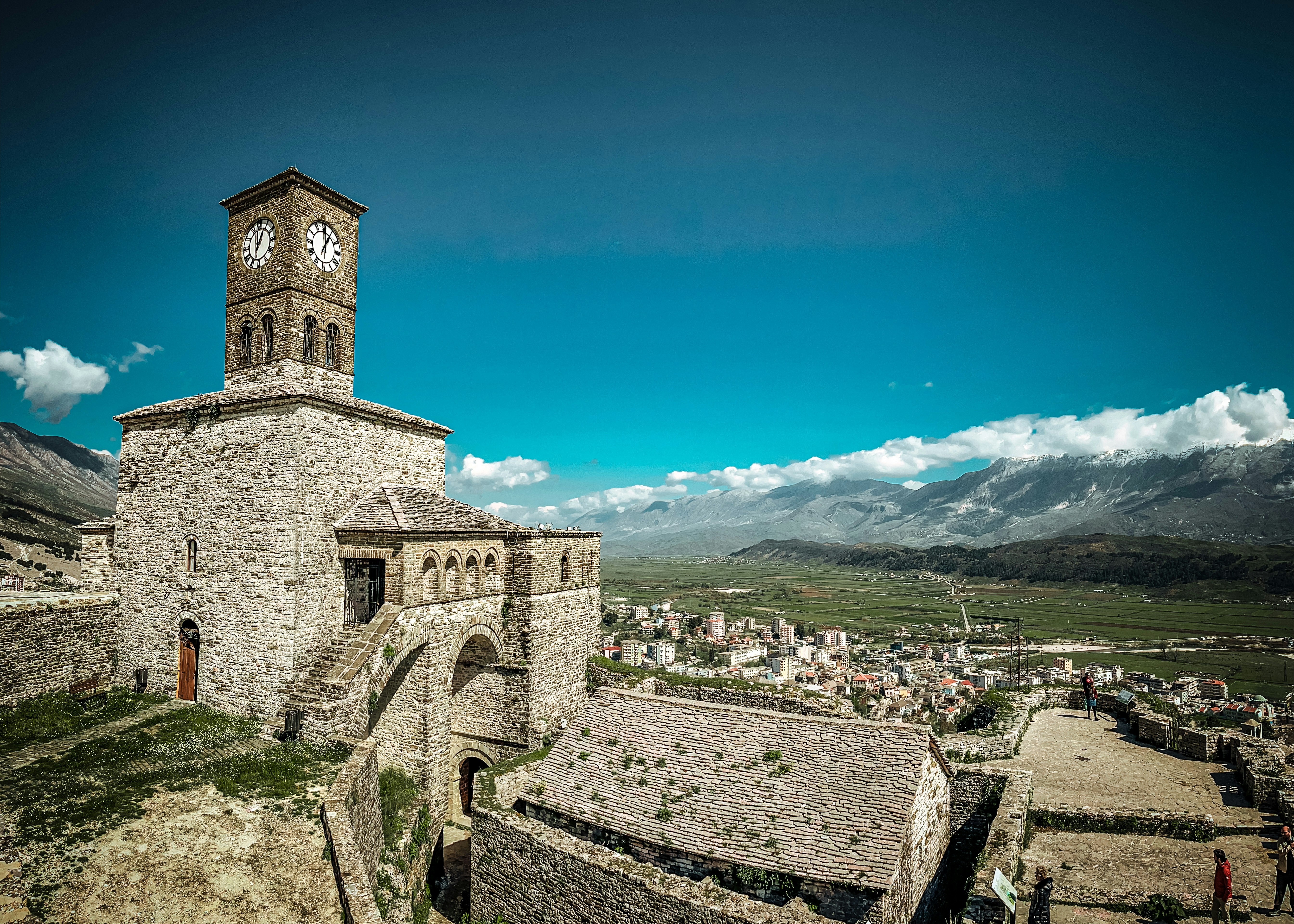
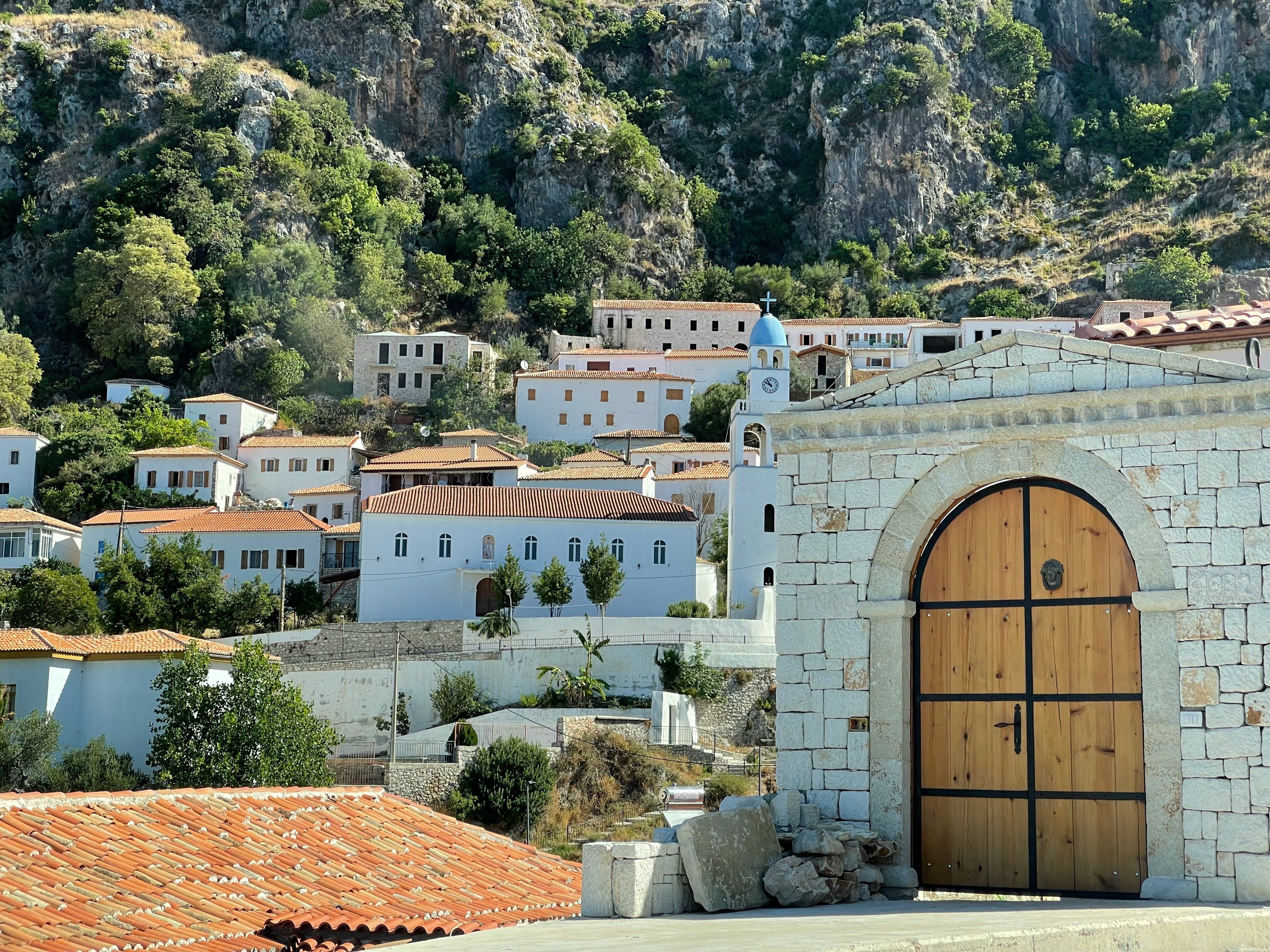
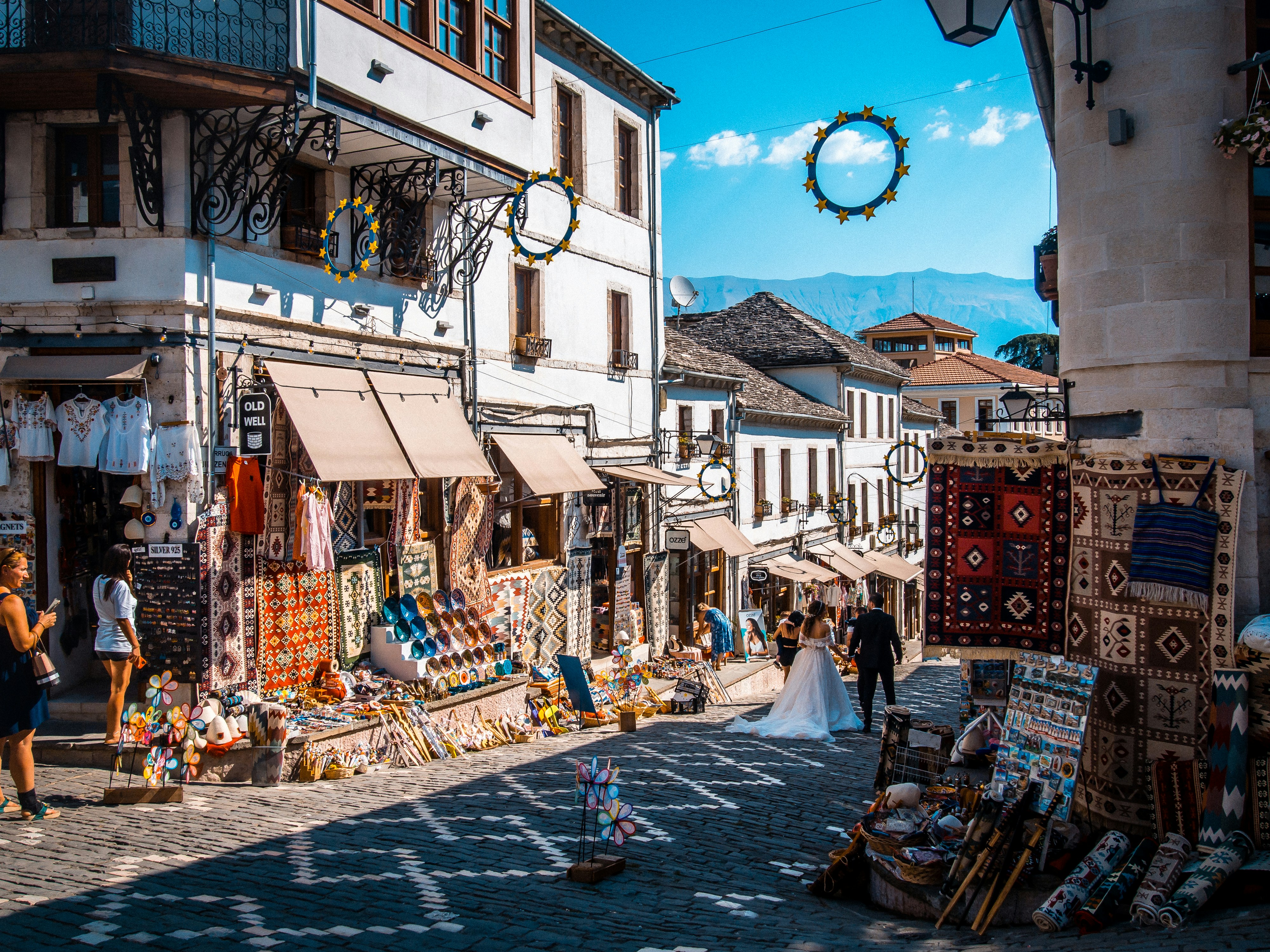
Living in Albania as a remote worker offers a unique balance between affordability and lifestyle. With a relatively low cost of living compared to most European countries, digital nomads can enjoy coastal cities like Sarandë, historic towns such as Gjirokastër, or the vibrant capital of Tirana while maintaining a comfortable standard of living. Rent, dining, and transportation are generally budget-friendly, and Albania’s growing café culture and reliable internet infrastructure make it increasingly attractive for location-independent professionals.
Beyond affordability, Albania offers a relaxed Mediterranean lifestyle combined with a rich cultural heritage and natural diversity. From the Albanian Riviera’s turquoise waters to the dramatic peaks of the Accursed Mountains, the country provides easy access to outdoor adventures alongside a welcoming local community. While English is widely spoken among younger generations, learning basic Albanian can enhance everyday experiences and integration. For remote workers seeking a European base without the high costs of Western Europe, Albania provides both practicality and quality of life under its remote work residence framework.
Best Cities to Live in Albania
Tirana
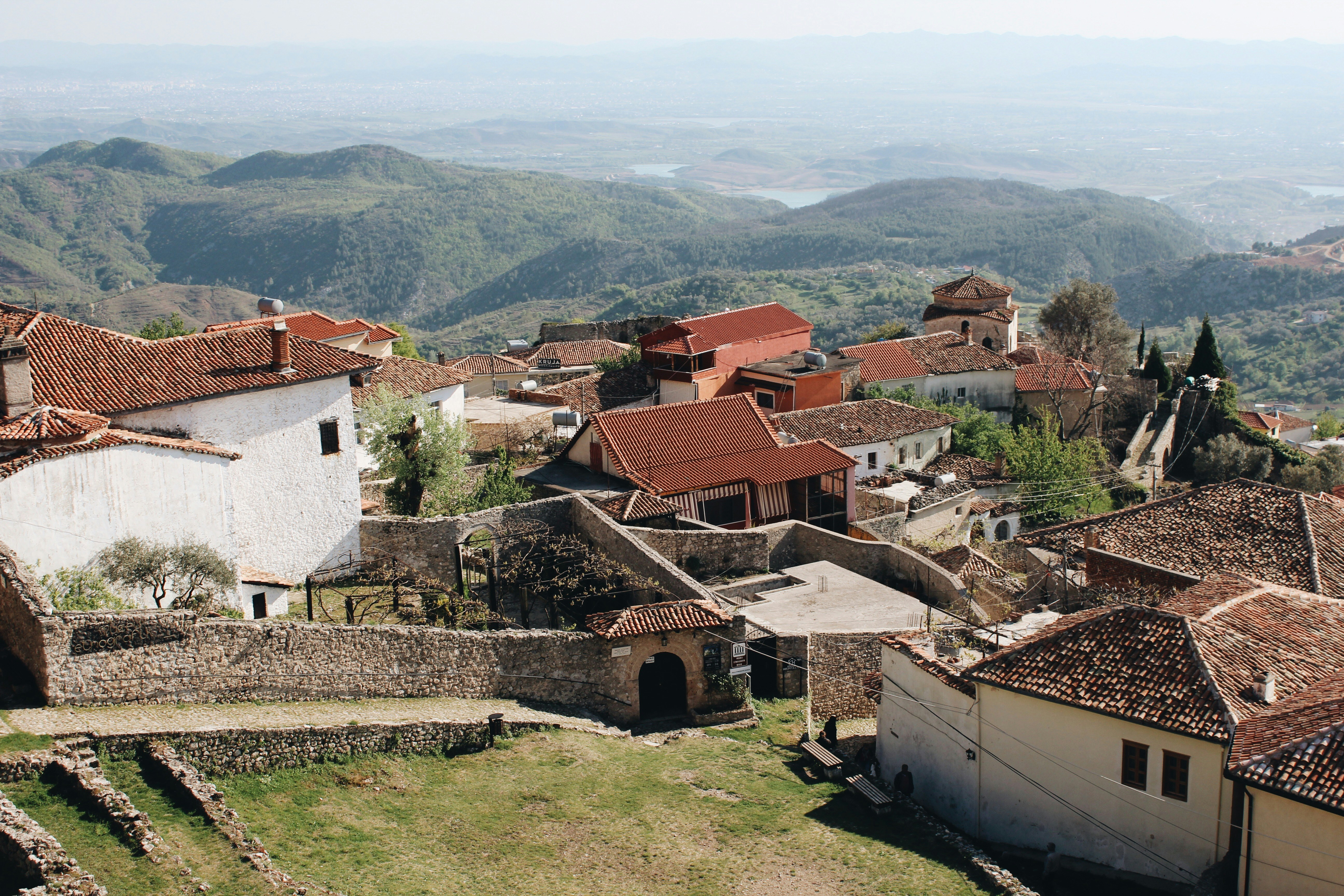
Tirana is the heart of Albania’s economy, culture, and international community, making it the most popular base for digital nomads. The city offers the strongest infrastructure in the country, including reliable internet, modern apartments, coworking spaces, and a growing café culture that makes remote work easy and comfortable. Neighborhoods like Blloku are particularly attractive for expats thanks to their walkability, restaurants, and vibrant nightlife. If you want convenience, networking opportunities, and access to government services for your residence permit, Tirana is the most practical choice.
Sarandë
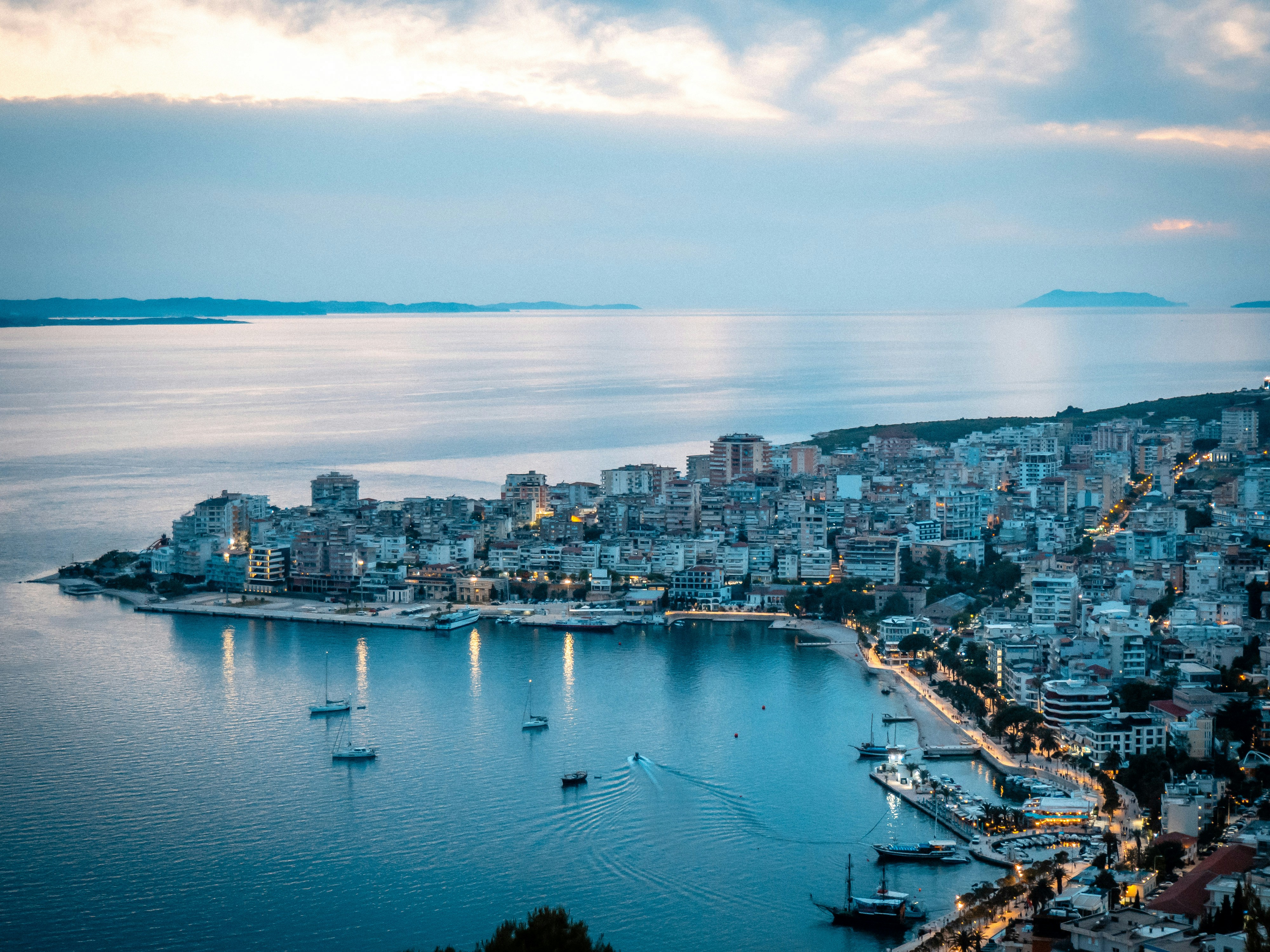
Located along the Albanian Riviera, Sarandë is ideal for remote workers who want a seaside lifestyle. With its turquoise waters, relaxed atmosphere, and lower cost of living compared to many Mediterranean destinations, Sarandë offers a slower pace of life while still providing essential amenities. It’s especially appealing during the warmer months, when the coastline becomes one of Europe’s hidden gems. While smaller than Tirana, Sarandë attracts an increasing number of location-independent professionals who prioritize scenery and lifestyle over big-city energy.
Shkodër
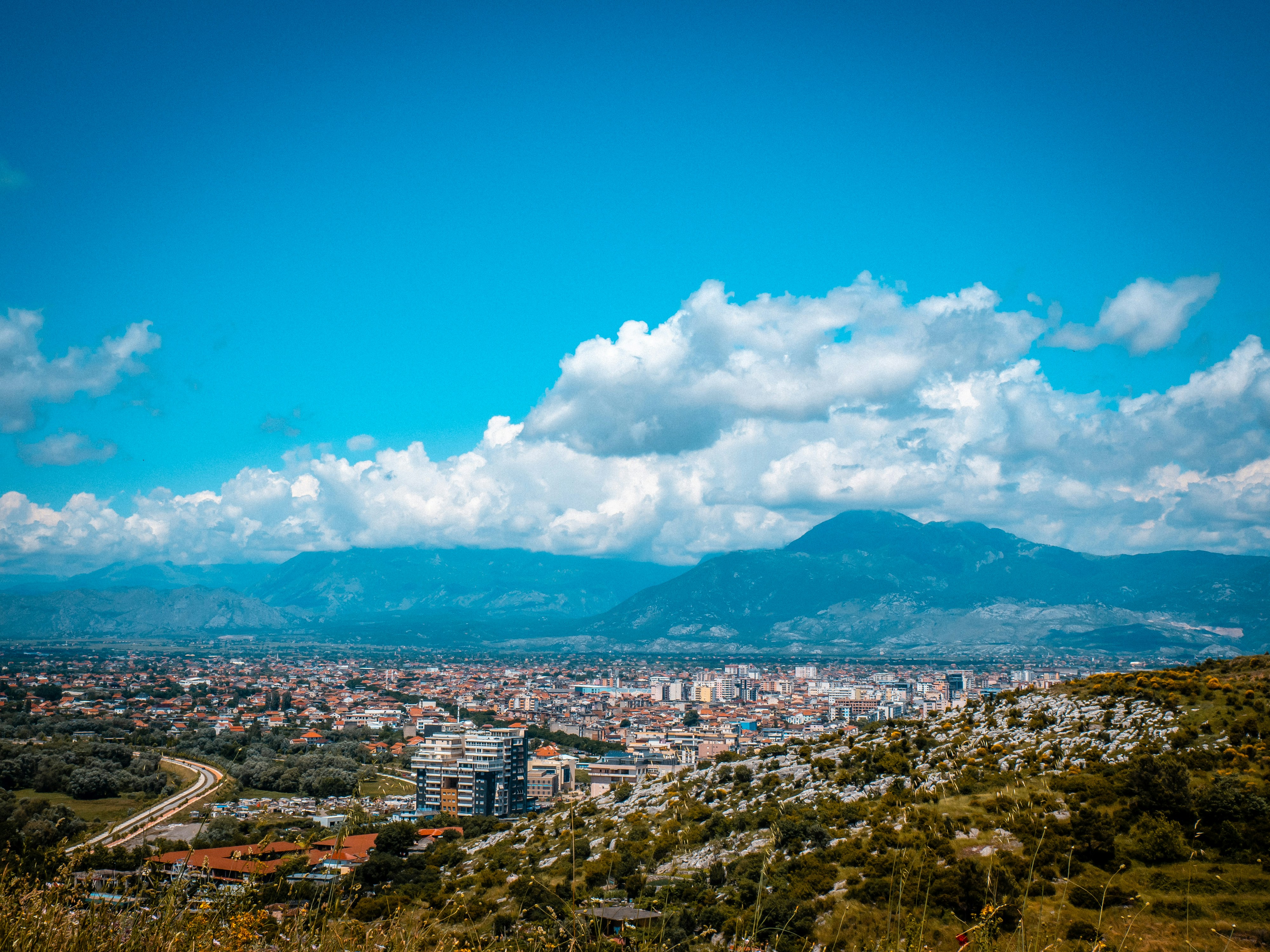
For those seeking a more authentic and tranquil experience, Shkodër offers a charming alternative. Known for its historic architecture, proximity to Lake Shkodër, and access to the Albanian Alps, the city appeals to outdoor enthusiasts and creatives alike. The cost of living is among the lowest in the country, and the community feels more local and traditional compared to the capital. While infrastructure is more modest, Shkodër provides a peaceful environment that can be ideal for focused remote work and a strong connection to nature.
Cost of Living
The official currency of Albania is the Albanian Lek (ALL).
The average net monthly salary in Albania is approximately 70,000 ALL, equivalent to around $860 USD per month.
Here’s a rundown of what you should expect to pay in different cities:
Tirana
Rent (1 bedroom in city center) – $500–$750 per month
Rent (3 bedrooms outside city center) – $700–$1,000 per month
Basic Utilities – $80–$140 per month
Wi-Fi – $20–$30 per month
Public Transport – $0.40 one-way
Groceries (2 people) – $350–$500 per month
Sarandë
Rent (1 bedroom in city center) – $400–$650 per month
Rent (3 bedrooms outside city center) – $600–$900 per month
Basic Utilities – $70–$120 per month
Wi-Fi – $20–$30 per month
Public Transport – $0.40 one-way
Groceries (2 people) – $320–$450 per month
Shkodër
Rent (1 bedroom in city center) – $250–$400 per month
Rent (3 bedrooms outside city center) – $400–$650 per month
Basic Utilities – $60–$110 per month
Wi-Fi – $20–$30 per month
Public Transport – $0.40 one-way
Groceries (2 people) – $300–$420 per month
FAQs
Does Albania officially have a digital nomad visa?
Albania does not issue a visa formally titled “Digital Nomad Visa.” Instead, remote workers apply through the Type D long-stay visa framework (if required) and obtain a Unique Permit for residence as a remote worker. This is the legal pathway that allows digital professionals to live in Albania while earning income from abroad.
How long can I stay in Albania as a digital nomad?
The residence permit issued under the remote worker category is typically valid for up to one year. It can generally be renewed if you continue to meet the eligibility requirements, including maintaining foreign income, valid health insurance, and compliance with immigration rules.
Is there a minimum income requirement for the Albania Digital Nomad Visa?
While Albania does not publish a fixed statutory income threshold specifically labeled for digital nomads, applicants are expected to demonstrate sufficient financial self-sufficiency. In practice, this generally means showing stable foreign income that meets or exceeds the national minimum wage level and proves you can support yourself without entering the local labor market.
Do I have to pay taxes in Albania as a digital nomad?
Tax obligations depend on your length of stay and whether you qualify as a tax resident. If you spend more than 183 days within a 12-month period in Albania, you may be considered a tax resident and could become subject to local taxation rules. However, tax treatment varies based on individual circumstances and double taxation agreements.
Can I work for an Albanian company with this visa?
No. The residence permit for remote workers is specifically designed for individuals earning income from foreign employers or clients. Working for an Albanian company or entering the local labor market would require a different type of work authorization.
Author
)
Andy Stofferis is a digital nomad blogger: www.andysto.com
He is a contributing writer for various organizations and media involved in the digital nomad industry (AllWork.Space, e-Residency Estonia).
Andy has been running a fully remote digital marketing agency over the past nine years while traveling to more than 50 destinations.


