
The Best Countries for Digital Nomads in 2026
)
Nadia Dardón
Immigration Content Writer
Last update
)

The way we work continues to evolve, and in 2026, more people than ever are choosing to build their careers without being tied to a single location. Thanks to reliable internet, flexible remote jobs, and a growing number of countries welcoming location-independent professionals, the digital nomad lifestyle is no longer a niche; it’s a global movement.
But while working from anywhere sounds appealing, doing it legally is what truly makes the experience sustainable. That’s where digital nomad visas come in. These visas allow remote workers to live abroad for months (or even years!) while working for foreign employers or running online businesses, without the legal grey areas of tourist visas.
In this blog post, we’ve rounded up the best countries for digital nomads in 2026. Each country on this list stands out for a combination of visa accessibility, quality of life, cost of living, infrastructure, and overall appeal for remote workers. Whether you’re looking for a vibrant European city, an affordable base in Latin America, or a high-end hub with world-class amenities, this list will help you find the right destination for the year ahead.
Let’s explore where digital nomads should be heading in 2026, and why these countries continue to lead the way!

How We Chose the Best Countries for Digital Nomads in 2026
Not every destination that’s popular with travelers is a good long-term base for digital nomads. For this list, we focused on countries that make it legally, practically, and financially realistic to live and work remotely in 2026, not just places that look good on social media.
Each country included in this guide meets a strict set of criteria designed to reflect what digital nomads actually need when choosing a destination.
Official Digital Nomad Visa Availability: Every country on this list offers a valid digital nomad visa or remote work residence permit in 2026. These visas are specifically designed for remote employees, freelancers, and online business owners, allowing them to live in the country legally while earning income from abroad.
Visa Length, Renewal Options, and Stability: We prioritized countries that offer longer stay options, clear renewal pathways, or the ability to transition into other residence permits. Visa programs that are well-established, clearly regulated, and actively supported by local authorities scored higher than short-term or unclear schemes.
Income Requirements That Match Reality: Digital nomad visas vary widely in their income thresholds. For this list, we considered whether the minimum income requirements are realistic for a wide range of remote workers, not just high-earning executives. Countries with transparent and achievable requirements were given preference.
Cost of Living vs. Quality of Life: A low cost of living alone isn’t enough. We looked at the overall value a destination offers, balancing affordability with healthcare access, safety, transportation, housing options, and day-to-day comfort. The goal was to highlight countries where digital nomads can live well, not just cheaply.
Remote Work Infrastructure: Reliable internet, coworking spaces, cafés suitable for remote work, and access to modern services are non-negotiable for digital nomads. All countries on this list offer strong digital infrastructure and environments that support productive remote work.
Digital Nomad and Expat Communities: Established digital nomad and expat communities make settling into a new country significantly easier. We considered destinations with active remote work communities, networking opportunities, and a welcoming atmosphere for foreigners.
Tax and Legal Considerations (High-Level): While tax situations vary by individual, we factored in how clear and manageable each country’s tax and legal framework is for digital nomads. Countries with well-defined rules and accessible information tend to offer a smoother long-term experience.
By applying these criteria, we narrowed the list down to countries that offer more than just a temporary stay; they provide a solid foundation for digital nomads looking to live, work, and travel confidently in 2026.
1. Spain – One of the Best Digital Nomad Destinations in Europe
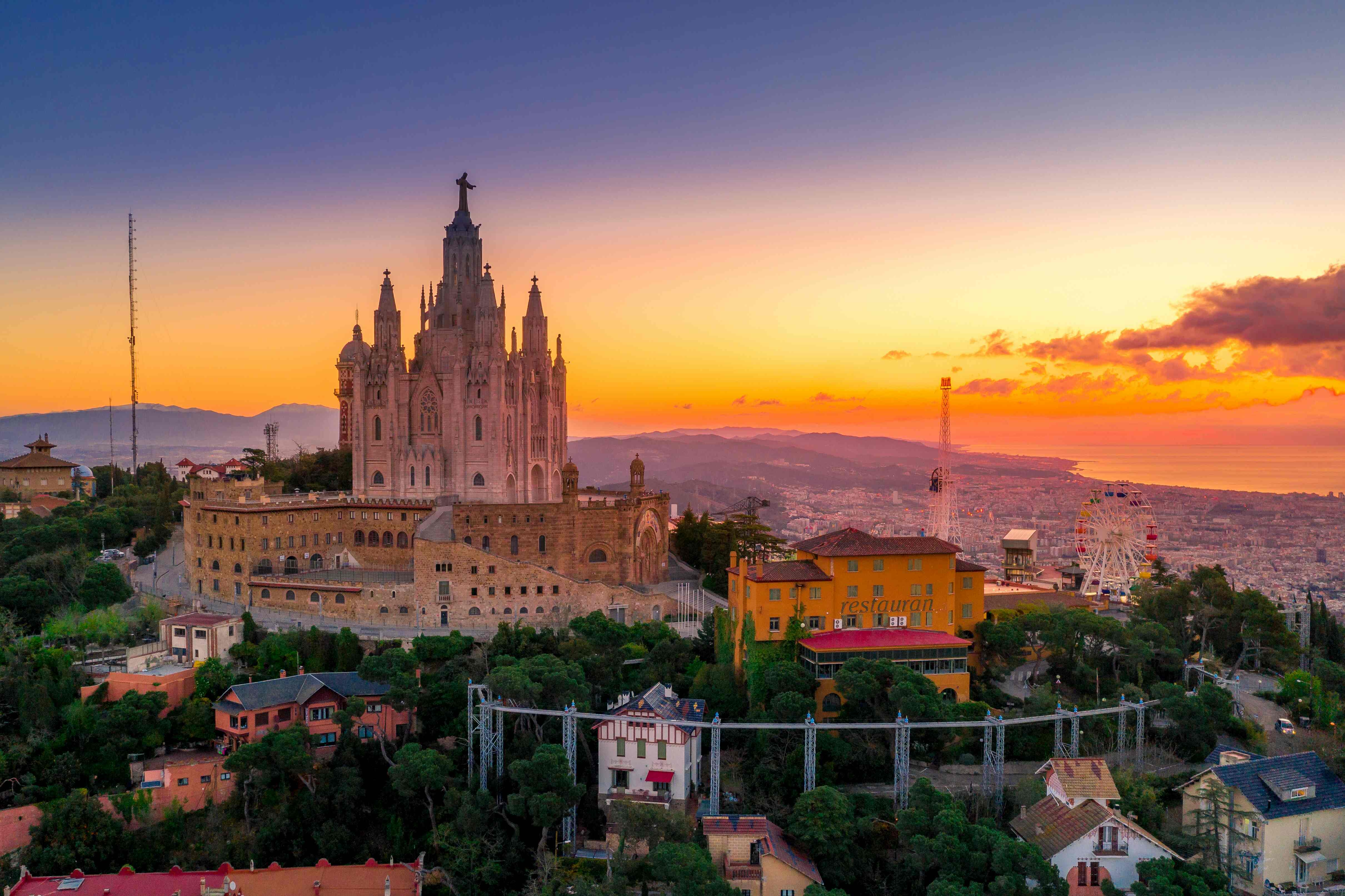
Spain has quickly become one of the most attractive countries in Europe for digital nomads, and in 2026, it continues to stand out as a top-tier destination. With its warm climate, diverse cities, excellent healthcare system, and strong work-life balance, Spain offers a lifestyle that’s hard to beat for remote workers.
What truly sets Spain apart, however, is its well-defined digital nomad visa, introduced as part of the country’s Startup Act. This visa gives remote professionals a clear legal pathway to live in Spain while working for foreign companies or running an online business, making it far more than just a short-term base.
Whether you’re drawn to vibrant cities, laid-back coastal towns, or affordable inland hubs, Spain offers a wide range of options that suit different digital nomad lifestyles.
Spain Digital Nomad Visa (2026)
Spain’s Digital Nomad Visa, introduced under the Startup Act, allows non-EU remote workers, freelancers, and online business owners to live in Spain while working for foreign employers or clients.
Visa length: Up to 1 year.
Renewals: Renewable for a total stay of up to 5 years.
Income requirement: Minimum monthly income of around €2,760, with higher amounts required for dependents.
Work rules: At least 80% of income must come from outside Spain.
Dependents: Partners and children can be included.
Tax note: Some applicants may qualify for Spain’s special expat tax regime (commonly known as the Beckham Law)
This visa gives digital nomads a clear and legal pathway to live in Spain long-term, making it one of the strongest digital nomad visa options in Europe in 2026.
Best Cities for Digital Nomads in Spain
Spain’s regional diversity means digital nomads can choose a city that fits their budget, pace, and work style.
Barcelona – Ideal for nomads who want a balance of beach life, culture, and a strong startup ecosystem.
Madrid – Best for professionals seeking a fast-paced city with excellent transport links and coworking spaces.
Valencia – A favorite among digital nomads for its affordability, quality of life, and coastal location.
Málaga – Growing rapidly as a remote work hub, especially popular with nomads looking for sunshine year-round.
Canary Islands – A standout option for those who want lower living costs, mild weather, and an established international nomad community.
Cost of Living & Lifestyle
Compared to many other Western European countries, Spain offers excellent value for money. While cities like Madrid and Barcelona are more expensive, many digital nomads find Spain affordable by choosing secondary cities or coastal areas.
Spain is also known for its:
High-quality public and private healthcare.
Strong café culture and relaxed daily rhythms.
Excellent food, social life, and outdoor activities.
Reliable internet and a growing coworking scene.
For many digital nomads, Spain’s lifestyle, not just its visa, is what makes it a long-term favorite.
Who Spain Is Best For
Spain is an excellent choice for digital nomads who:
Want to live in Europe with a clear legal visa option.
Value lifestyle, culture, and climate as much as affordability.
Prefer cities with strong infrastructure and international communities.
Are interested in staying long-term or transitioning to EU residency.
With its combination of legal clarity, livability, and diversity, Spain easily earns its place as one of the best countries for digital nomads in 2026.
2. Portugal – A Long-Time Favorite for Digital Nomads
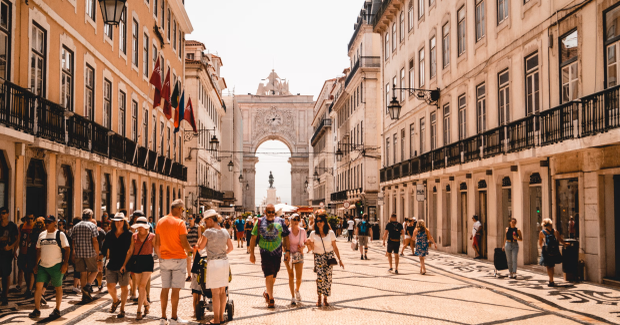
Portugal has been a go-to destination for digital nomads for years, and in 2026 it remains one of the most appealing countries in Europe for remote workers. Known for its mild climate, safety, welcoming culture, and high quality of life, Portugal offers a slower pace without sacrificing modern infrastructure.
What makes Portugal especially attractive is its long-standing openness to foreigners and remote professionals. Combined with an official digital nomad visa, a strong expat community, and relatively affordable living costs compared to much of Western Europe, Portugal continues to be a reliable and well-rounded choice for digital nomads looking to settle in Europe.
Portugal Digital Nomad Visa (2026)
Portugal’s D8 Digital Nomad Visa allows non-EU/EEA/Swiss citizens to live in Portugal while working remotely for companies or clients based outside the country.
Visa length: Temporary stay visa valid for up to 1 year, or a 2-year residence permit when applying for long-term residence.
Renewals: Renewable and can lead to permanent residence or Portuguese citizenship after meeting residency requirements.
Income requirement: Applicants must show a minimum monthly income equivalent to four times the Portuguese minimum wage (€920). At a minimum, authorities may accept proof covering four months of income, but many lawyers and advisors recommend providing 12 months of income history to strengthen your application and avoid delays.
Work rules: Income must come from outside Portugal.
Dependents: Family members can be included in the application.
Portugal’s D8 visa is one of the most established digital nomad visa options in Europe, offering clear rules and a pathway to long-term residency.
Best Cities for Digital Nomads in Portugal
Portugal offers a variety of cities and regions that suit different digital nomad lifestyles:
Lisbon – Ideal for nomads who want vibrant city life, coworking spaces, and an international community.
Porto – A slightly quieter alternative with lower living costs and strong character.
Braga – Popular with remote workers seeking affordability and a slower pace of life.
Algarve – Perfect for digital nomads who prioritize sunshine, beaches, and a relaxed coastal lifestyle.
Madeira – Home to one of Europe’s most well-known digital nomad communities.
Cost of Living & Lifestyle
Portugal is often praised for offering an excellent quality of life at a reasonable cost, especially compared to neighboring Western European countries. While Lisbon and Porto have become more expensive in recent years, many digital nomads still find Portugal affordable by choosing smaller cities or island destinations.
Portugal stands out for its:
Reliable internet and a growing coworking scene.
Strong healthcare system.
Safety and political stability.
Easy integration for foreigners and an English-friendly environment.
The country’s emphasis on work-life balance makes it particularly appealing for long-term stays.
Who Portugal Is Best For
Portugal is an excellent choice for digital nomads who:
Want a stable and proven digital nomad visa in Europe.
Are interested in long-term residency or citizenship options.
Prefer a relaxed lifestyle with good infrastructure.
Value community, safety, and ease of settling in.
With its combination of legal clarity, lifestyle appeal, and established remote work ecosystem, Portugal continues to earn its reputation as one of the best countries for digital nomads in 2026.
3. Estonia – A Digital-First Country for Remote Workers
Estonia is widely known as one of the most digitally advanced countries in the world, and that reputation extends to how it welcomes remote workers. Often cited as a pioneer in digital government services, including its e-Residency program, Estonia has built a supportive environment for location-independent professionals who value efficiency, innovation, and connectivity.
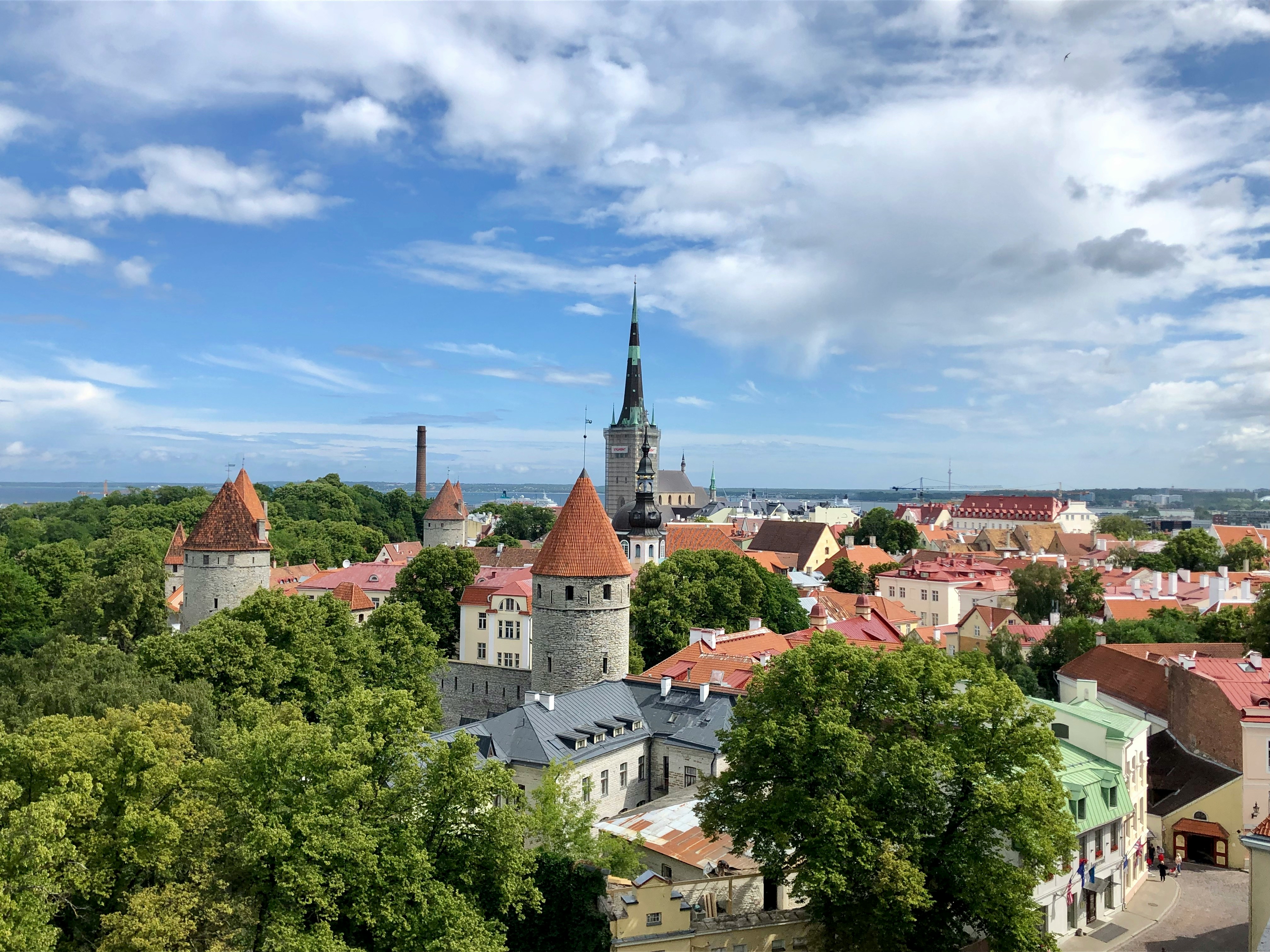
While not as warm and sunny as some southern European countries, Estonia makes up for its northern climate with cutting-edge tech infrastructure, a vibrant startup scene, and a lifestyle that blends city living with easy access to nature. Whether you’re drawn to charming Tallinn, cultural Tartu, or coastal Pärnu, Estonia offers remote workers a compelling base in the heart of Northern Europe.
Estonia Digital Nomad Visa (2026)
Estonia’s Digital Nomad Visa allows remote workers to live in the country while working online for companies or clients based outside Estonia.
Visa length: Valid for up to 12 months (1 year)
Renewals: Generally not extendable beyond the initial year, though applicants can reapply after departure.
Income requirement: Demonstrate a minimum gross monthly income of approximately €4,500 (earned abroad)
Work rules: Must work remotely for non-Estonian employers or clients; local employment is not permitted.
Health insurance: Valid private health insurance covering your stay is required.
Estonia’s program doesn’t directly lead to permanent residency, but it does offer a legal, straightforward way to base yourself in the EU and take advantage of Estonia’s digitally enabled lifestyle while continuing your remote career.
Best Cities for Digital Nomads in Estonia
Estonia may be small, but it packs a punch in places that are friendly for remote professionals:
Tallinn – The capital and digital nomad hub, home to historic streets, dynamic coworking spaces, and a growing tech community.
Tartu – A lively university city with a youthful vibe and excellent cafés and workspaces.
Pärnu – A coastal town combining beach life with relaxed long-term living.
These cities offer reliable internet, plenty of cafés and coworking spaces, and an inviting atmosphere for people who want to mix productivity with quality of life.
Cost of Living & Lifestyle
Estonia offers high-quality public services and infrastructure that make day-to-day life comfortable for nomads. While Tallinn is more expensive than smaller towns, Estonia generally remains affordable compared with many Western European capitals.
Nomads appreciate Estonia for its:
Fast and reliable internet everywhere, even in smaller cities.
Efficient digital government services.
Safety, stability, and an English-friendly environment.
Easy access to nature, parks, forests, and Baltic Sea beaches.
For digital nomads who value structure, technology, and quality of life, beyond just sunshine and beaches, Estonia has a lot to offer.
Who Estonia Is Best For
Estonia is an excellent choice for digital nomads who:
Want to base themselves in Europe with modern digital infrastructure.
Prefer a tech-savvy, well-organized country.
Enjoy a balance of city amenities with access to nature.
Are comfortable with a 1-year visa and may plan to move on afterward.
Estonia’s digital nomad visa is appealing for professionals, whether remote employees, freelancers, or owners of online businesses, who value connectivity and innovation within a European context.
4. Croatia – A Coastal Digital Nomad Hotspot
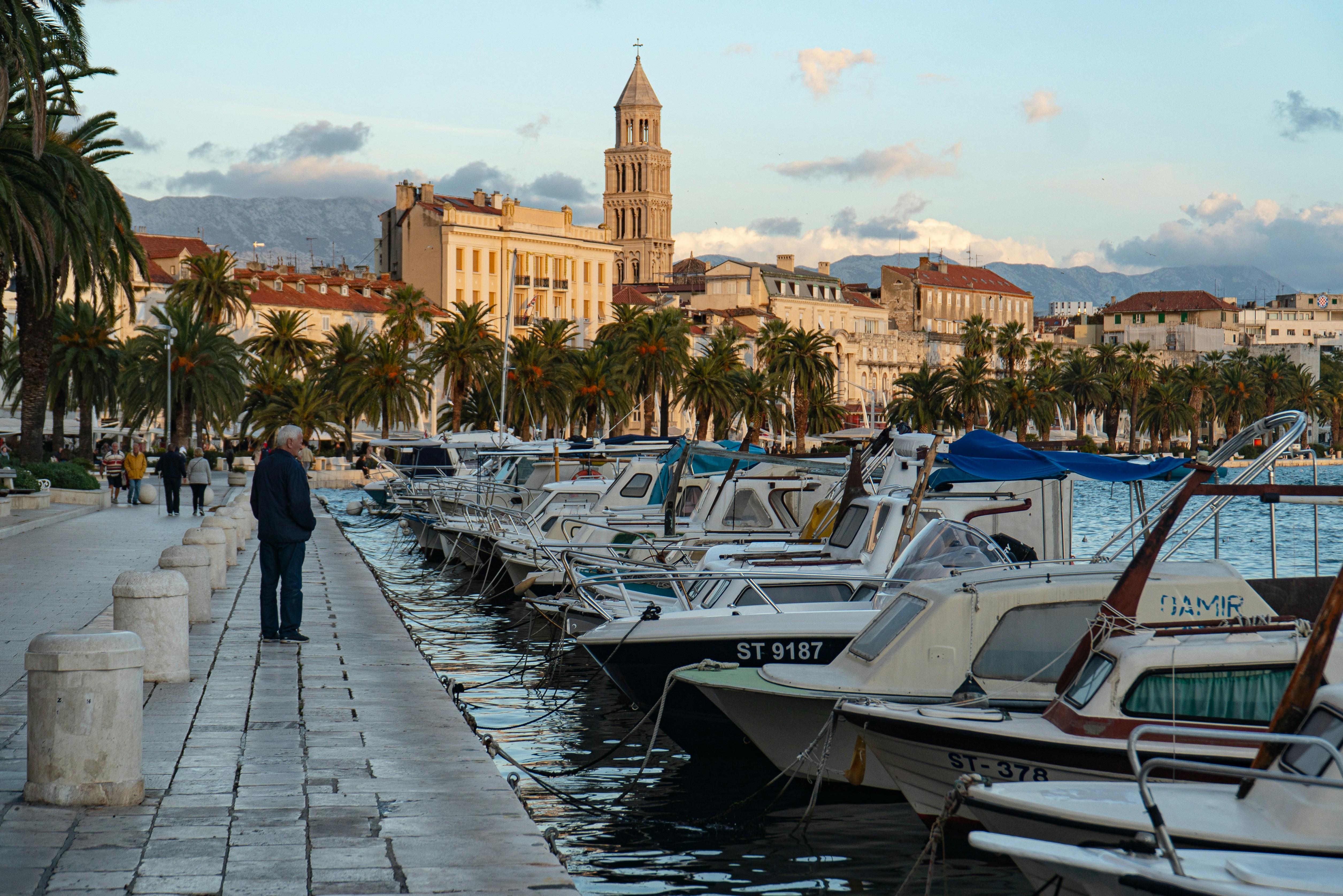
Croatia has rapidly become one of Europe’s most popular destinations for digital nomads, and in 2026 it continues to shine for remote workers seeking a blend of Mediterranean lifestyle, affordability, and legal clarity. Known for its stunning Adriatic coastline, charming historic towns, and vibrant expat communities, Croatia offers the perfect combination of work-friendly environments and scenic beauty.
With reliable internet access, growing coworking spaces, and an official digital nomad visa that makes long-term stays easy, Croatia has established itself as a standout option for remote professionals who want to balance productivity with quality of life.
Croatia Digital Nomad Visa (2026)
Croatia’s Digital Nomad Visa allows non-EU/EEA/Swiss citizens to live in the country while working remotely for clients or employers based outside Croatia.
Visa length: Valid for up to 18 months.
Renewals: Yes, for an additional 18 months.
Income requirement: Proof of sufficient means, typically around €2,300+ per month or a minimum yearly amount (based on Croatian guidelines)
Work rules: Must work remotely for foreign companies or clients; local employment is not permitted.
Health insurance: Valid global or Croatian health insurance covering your stay is required.
Croatia’s digital nomad visa doesn’t currently lead directly to permanent residency, but it offers a clear legal framework for nomads to live and work in the country without relying on tourist stays.
Best Cities for Digital Nomads in Croatia
Croatia’s cities and regions offer very different but equally attractive experiences for remote workers:
Zagreb – The capital city, known for its culture, cafés, and creative community.
Split – A Mediterranean favorite with historic charm, beaches, and a growing nomad scene.
Dubrovnik – Ideal for nomads who want world-class views and coastal living.
Zadar – A quieter coastal hub with affordability and relaxed island vibes.
Rovinj – A picturesque Adriatic town known for its beauty and slower pace.
Each offers reliable internet, a range of living options, and plenty of opportunities to connect with other digital nomads and expats.
Cost of Living & Lifestyle
Compared with many Western European nations, Croatia offers very appealing value, particularly outside major cities like Zagreb and Split.
Nomads living in Croatia typically enjoy:
Historic old towns and seaside views.
High-speed internet and growing coworking infrastructure.
Plenty of outdoor activities (island hopping, hiking, beaches)
A relaxed pace of life and a rich cultural calendar.
While parts of Croatia can feel tourist-heavy in peak seasons, the off-season offers a quieter, more affordable experience that many digital nomads appreciate.
Who Croatia Is Best For
Croatia is an excellent choice for digital nomads who:
Want a Mediterranean lifestyle with legal remote-work status.
Enjoy historic towns, scenic nature, and coastal living.
Prefer a balanced mix of affordability and European accessibility.
Are comfortable with a 1-year stay and nomadic flexibility.
With its official digital nomad visa, unique culture, and unbeatable coastlines, Croatia continues to be a top pick for remote workers in 2026.
5. Colombia – An Affordable Digital Nomad Destination in Latin America
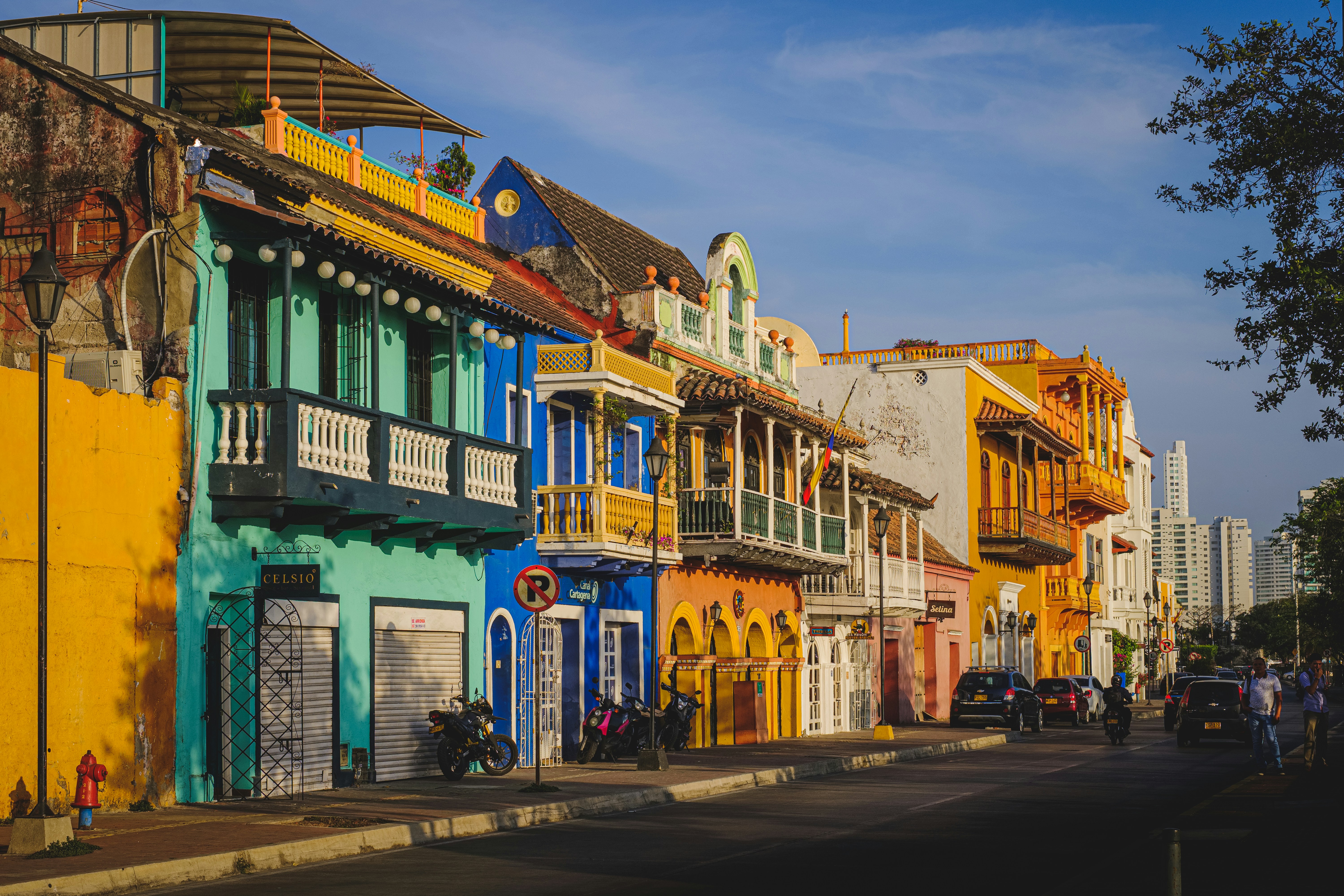
Colombia has rapidly emerged as one of the most affordable and exciting digital nomad destinations in Latin America, and in 2026, it continues to draw remote workers from around the world. With its vibrant cities, diverse landscapes, rich culture, and relatively low cost of living, Colombia offers a compelling alternative to pricier Western destinations, all while providing a legal pathway to live and work remotely through its Digital Nomad Visa.
Whether you’re drawn to the “City of Eternal Spring” in Medellín, the cultural buzz of Bogotá, or Caribbean-coastal vibes in Cartagena, Colombia offers a variety of lifestyles that appeal to digital nomads of all types.
Colombia Digital Nomad Visa (2026)
Colombia’s Digital Nomad Visa (Type V) is specifically for remote workers, freelancers, and digital entrepreneurs who earn income from clients or employers outside Colombia.
Visa length: Up to 2 years of residence in Colombia.
Renewals: Renewable if eligibility is maintained for another term before expiration.
Income requirement: At least three times Colombia’s minimum legal monthly wage, approximately COP 4,270,500/month (~$1,100 USD)
Work rules: Must work remotely for foreign companies or clients only; local employment is not permitted under the visa.
Health insurance: Valid private health insurance covering your stay is required.
Family inclusion: Spouse and children may be included with additional documentation and financial proof.
Colombia’s digital nomad visa lets you legally live in the country while maintaining foreign income and enjoying long-term stays, making it one of the most accessible and budget-friendly options in the Americas.
Best Cities for Digital Nomads in Colombia
Colombia’s cities offer distinct flavors and lifestyles, all suitable for remote work:
Medellín – Known for its perfect climate year-round (“City of Eternal Spring”), strong coworking scene, and welcoming nomad community.
Bogotá – The capital city with thriving culture, networking spaces, and international amenities.
Cartagena – A historic Caribbean coastal city with beach life and vibrant culinary culture.
Cali – Famous for salsa, a relaxed vibe, and lower living costs.
Córdoba & Smaller Cities – For nomads seeking a quieter life and deeper immersion in local culture.
These cities provide fast internet, plenty of work-friendly cafés, and a range of accommodation options, from budget studios to long-term rentals.
Cost of Living & Lifestyle
One of Colombia’s biggest advantages for digital nomads is its affordable cost of living. Even in major cities like Medellín and Bogotá, everyday expenses, including housing, food, and transportation, tend to be significantly lower than in North America and Europe.
Colombia also scores high for lifestyle, offering:
Warm tropical climates and diverse nature (mountains, beaches, forests)
Friendly locals and growing expat communities.
Excellent coffee culture and lively arts scenes.
A deep blend of tradition and modern amenities.
For many nomads, Colombia strikes the perfect balance between productive remote work environments and enriching life experiences.
Who Colombia Is Best For
Colombia is an excellent choice for digital nomads who:
Want longer legal stay options (up to 2 years) without high income thresholds.
Prefer affordable daily costs and quality infrastructure.
Enjoy a blend of city life, nature, and culture.
Are open to immersing themselves in Latin American lifestyles and languages.
With its combination of accessibility, lifestyle, and a robust digital nomad visa, Colombia continues to stand out as one of the best destinations for digital nomads in 2026.
6. United Arab Emirates (UAE) – A Premium Destination for Digital Nomads
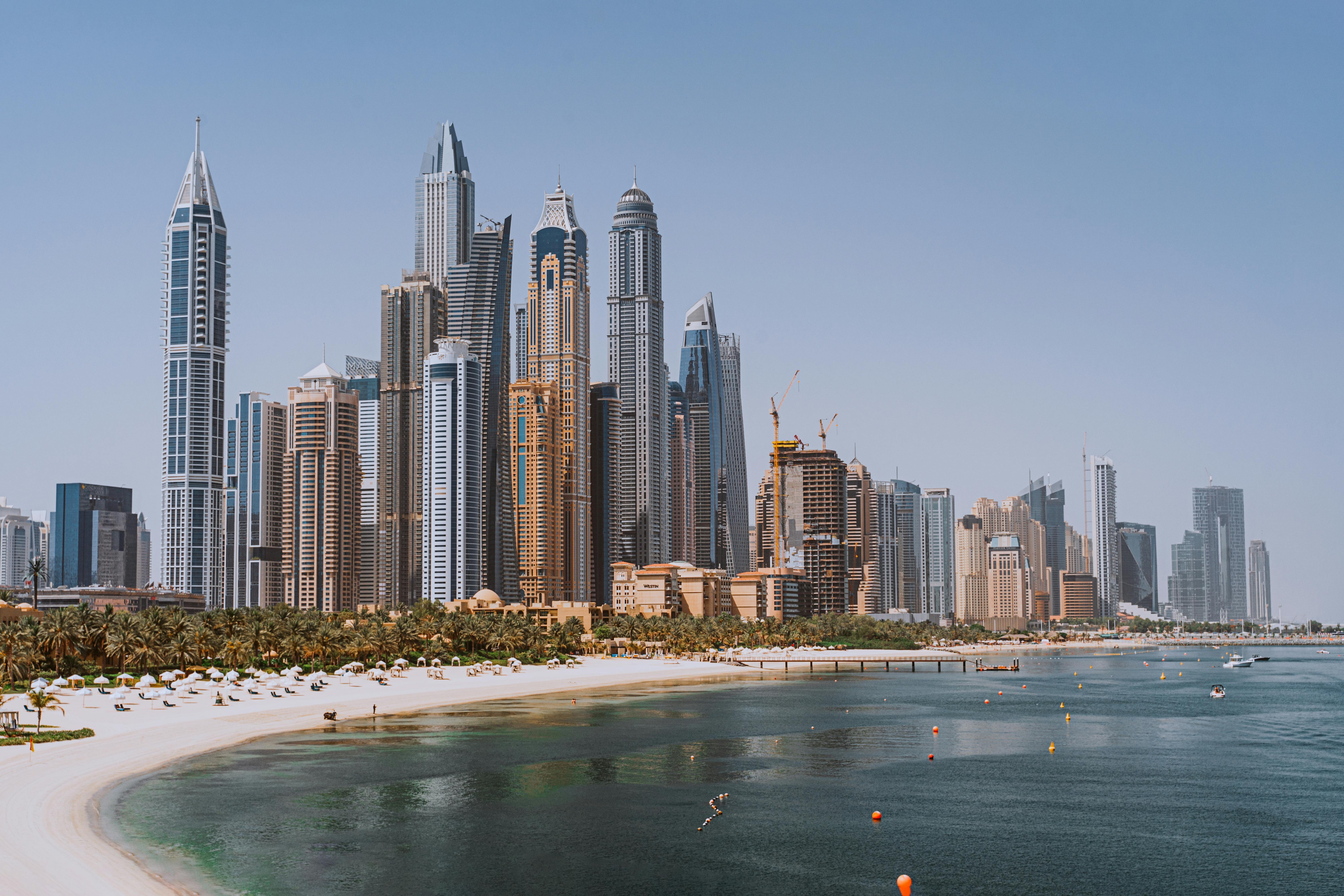
The United Arab Emirates (and especially Dubai) has quickly risen as one of the most attractive destinations for digital nomads, thanks to its world-class infrastructure, zero personal income tax, and modern lifestyle amenities. The UAE was ranked among the top destinations globally for remote workers, reflecting its strong pull as a base for professionals seeking both comfort and opportunity while working abroad in 2025–2026.
Whether you’re drawn to the futuristic skyline of Dubai, the cosmopolitan vibe of Abu Dhabi, or the UAE’s strategic location between Europe, Africa, and Asia, the Emirates offer a premium blend of luxury, connectivity, and convenience for digital nomads aiming for a high-quality remote work experience.
UAE Digital Nomad Visa (2026)
The UAE’s Digital Nomad Visa (often called the Virtual Work Visa) enables remote workers, freelancers, and online business owners to live in the UAE while working for foreign employers or clients.
Visa length: Up to 1 year.
Renewals: Yes, renewable annually as long as the eligibility criteria are met.
Income requirement: Typically, a minimum monthly income of about $5,000 USD (earned abroad).
Work rules: Must work remotely for non-UAE companies or clients; local employment is not permitted.
Health insurance: Valid health insurance covering the UAE is mandatory.
Dependents: You can sponsor a spouse and children under the same visa.
A digital nomad visa gives you residency status in the UAE, access to banking, housing, healthcare, telecoms, and the ability to enroll children in schools, making it much more than a simple remote-work permit.
One of the biggest perks of living in the UAE as a remote worker is its zero personal income tax policy, which means you won’t pay income tax on earnings from abroad while you reside in the country.
Best Cities for Digital Nomads in the UAE
The UAE offers dynamic urban environments that combine modern infrastructure with international communities:
Dubai – The most popular choice for digital nomads, known for its luxury lifestyle, high-speed internet, premier coworking spaces, and global connectivity.
Abu Dhabi – A slightly quieter but richly cultural capital with strong amenities, safety, and business opportunities.
Sharjah & Other Emirates – Emerging as affordable alternatives with growing creative and remote work communities.
Each city provides excellent services and facilities that support a productive work-life balance.
Cost of Living & Lifestyle
Living in the UAE, especially in cities like Dubai and Abu Dhabi, tends to be more expensive than many other digital nomad destinations. However, many nomads find the high quality of life and professional infrastructure worth the premium.
The UAE offers:
Reliable high-speed internet and tech infrastructure.
Safe, modern cities with multilingual communities.
Networking events, expos, and international business hubs.
Access to world-class healthcare and education systems.
The UAE also serves as a convenient travel base with excellent global flight connections.
Who the UAE Is Best For
The UAE is particularly well-suited to digital nomads who:
Want to combine remote work with a luxury lifestyle and comfort.
Prefer top-tier infrastructure and services.
Are comfortable with higher living costs.
Value tax-friendly residency and global connectivity.
May want to sponsor family members while living abroad.
With its sophisticated infrastructure, strategic location, and official nomad visa program, the United Arab Emirates stands out as a premium destination for digital nomads in 2026.
How to Choose the Best Country for You as a Digital Nomad in 2026

With so many countries now offering digital nomad visas, choosing where to base yourself in 2026 can feel overwhelming. The truth is, there’s no single “best” country for every digital nomad, the right destination depends on your lifestyle, income, and long-term plans.
Here are the key factors to consider when deciding which country is the best fit for you.
1. Visa Length and Flexibility
Start by looking at how long you want to stay. Some digital nomad visas are designed for short-term stays of up to a year, while others offer multi-year residence permits with renewal options.
If you’re planning to slow travel or settle in one place for a longer period, countries like Spain or Portugal offer more stability. If you prefer flexibility and moving on after a year, destinations like Estonia or Croatia may be a better match.
2. Income Requirements and Cost of Living
Every digital nomad visa has a minimum income requirement, and these can vary significantly. It’s important to balance what you earn with how far your money will go once you arrive.
For example, countries like Colombia offer lower income thresholds and affordable daily expenses, while destinations such as the UAE come with higher costs but premium infrastructure and tax advantages. Always consider both sides of the equation, income requirements, and real living costs.
3. Lifestyle, Climate, and Culture
Your environment plays a huge role in your overall experience as a digital nomad. Climate preferences, pace of life, food culture, and social norms can all influence how comfortable you feel long term.
Some nomads thrive in sunny, coastal destinations like Spain, Portugal, or Croatia, while others prefer tech-driven, highly organized countries such as Estonia. Think about whether you’re looking for vibrant city life, relaxed beach towns, or access to nature.
4. Remote Work Infrastructure
Reliable internet is essential, but it’s not the only factor. Coworking spaces, work-friendly cafés, transport links, and access to everyday services all matter.
Countries with strong digital infrastructure, like Estonia, Spain, Portugal, and the UAE, tend to offer smoother day-to-day experiences for remote workers, especially if you rely on video calls or manage clients across time zones.
5. Taxes and Legal Simplicity (High-Level)
Tax rules vary widely depending on your nationality, income sources, and length of stay. While digital nomad visas don’t automatically determine your tax situation, some countries offer clearer or more favorable frameworks than others.
For example, Spain offers access to a special expat tax regime for eligible applicants, while the UAE’s zero personal income tax is a major draw for higher earners. It’s always wise to seek professional advice, but choosing a country with transparent rules can reduce stress.
6. Community and Long-Term Potential
Finally, consider whether the destination offers an established digital nomad or expat community. Strong communities make it easier to network, find housing, and feel at home.
If you’re thinking long term, also look at whether your chosen country offers a path to residency or future visa options, even if that’s not your immediate goal.
The best country for you as a digital nomad in 2026 is the one that aligns with both your professional needs and personal priorities. By considering visa flexibility, affordability, lifestyle, and long-term potential, you can choose a destination that supports not just how you work, but how you want to live.
Ready to Choose Your Digital Nomad Base for 2026?
There has never been a better time to build a location-independent life, and in 2026, digital nomads have more legal, flexible, and well-structured options than ever before. From Europe’s lifestyle leaders like Spain and Portugal, to digital-first Estonia, coastal Croatia, affordable Colombia, and the premium experience of the UAE, each country on this list offers a legitimate digital nomad visa. It also offers a unique way of living and working abroad.
The key is choosing a destination that fits your income, lifestyle goals, and long-term plans. Whether you’re looking for a slower pace, better weather, lower costs, or access to top-tier infrastructure, the right country can dramatically improve both your productivity and quality of life.
As digital nomad visas continue to evolve, requirements and policies can change. Before applying, always double-check the latest rules and make sure you understand how each visa aligns with your personal situation.
If you’re ready to take the next step, CitizenRemote can help. Our platform breaks down digital nomad visas country by country, explains requirements in clear terms, and helps you compare your options so you can choose the best destination with confidence. Explore detailed visa guides, stay up to date with the latest policy changes, and start planning your move, all in one place.
With the right information and preparation, 2026 could be the year you turn remote work into a truly global lifestyle.
Author
)
Nadia Dardón is a content creator from Guatemala. She has worked fully remotely for the past six years as a copywriter, editor, and content creator, working for different industries. She started her digital nomad journey in 2022 and currently lives as an expat in Spain.


